15 Ways to Boost Your Immune System Naturally
Discover science-backed natural strategies to strengthen your immune system and stay healthy year-round without supplements.

Your immune system is your body’s defense against infections and diseases. Strengthening it naturally through lifestyle changes can help you stay healthier. This article outlines 15 evidence-based strategies, drawing from research on nutrition, exercise, and more.
How Does the Immune System Work?
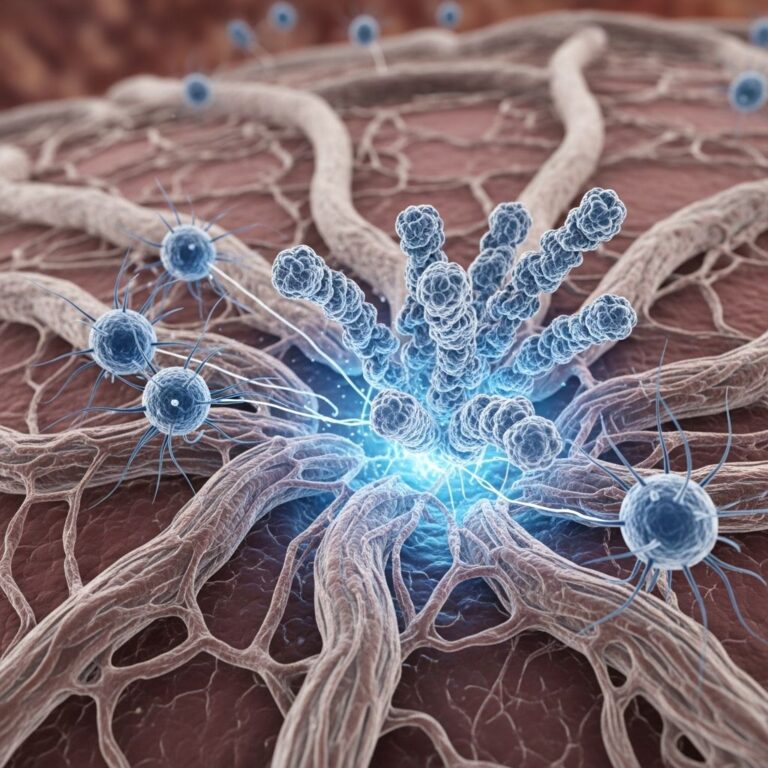
The immune system comprises cells, tissues, and organs that protect against pathogens. It includes innate immunity for immediate response and adaptive immunity for long-term memory. Nutrients fuel immune cells, while lifestyle factors like exercise enhance circulation of defenses such as neutrophils and NK cells.
1. Eat a Balanced Diet Rich in Fruits and Vegetables
A nutrient-dense diet supports immune function by providing vitamins, minerals, and antioxidants. Fruits and vegetables supply vitamin C, which aids white blood cell production, and flavonoids that reduce inflammation. Aim for 5-9 servings daily from sources like berries, citrus, spinach, and broccoli.
- Berries: High in antioxidants to combat oxidative stress.
- Citrus fruits: Vitamin C boosts antibody production.
- Leafy greens: Provide folate and magnesium for immune cell synthesis.
Plant-based diets like Mediterranean patterns lower proinflammatory cytokines such as IL-6 and TNF-α.
2. Include Plenty of Whole Grains, Lean Proteins, and Healthy Fats
Whole grains offer fiber for gut health, where 70% of immune cells reside. Lean proteins supply amino acids for immunoglobulins, while healthy fats like omega-3s from fish reduce inflammation.
| Food Group | Immune Benefits | Examples |
|---|---|---|
| Whole Grains | Fiber supports gut microbiome | Oats, quinoa, brown rice |
| Lean Proteins | Amino acids for cytokines | Fish, poultry, legumes |
| Healthy Fats | Anti-inflammatory effects | Avocados, nuts, olive oil |
3. Get Adequate Sleep (7-9 Hours Per Night)
Sleep deprivation impairs immune response, reducing T-cell production. Aim for 7-9 hours; during sleep, cytokines increase to fight infection. Establish a routine: dark room, no screens before bed.
4. Manage Stress Effectively
Chronic stress elevates cortisol, suppressing immunity. Practices like meditation lower it, enhancing NK cell activity. Try 10 minutes daily of mindfulness or deep breathing.
5. Exercise Regularly (150 Minutes Moderate Activity Weekly)
Moderate exercise mobilizes immune cells like macrophages and NK cells, improving recirculation. Sessions under 60 minutes boost anti-inflammatory IL-6 without immunosuppression. Activities: brisk walking, cycling, swimming.
- Benefits: Enhanced neutrophil function, better metabolic health.
- Avoid overtraining: Intense prolonged exercise can temporarily weaken immunity.
6. Stay Hydrated (Aim for 8-10 Glasses of Water Daily)
Water maintains mucosal barriers in nose and throat, entry points for pathogens. Dehydration thickens mucus, hindering defense.
7. Maintain a Healthy Weight
Obesity promotes chronic inflammation, impairing immunity. Balanced diet and exercise help; even 5-10% weight loss improves response.
8. Limit Alcohol Intake
Excess alcohol disrupts gut barrier and immune signaling. Stick to 1 drink/day for women, 2 for men.
9. Quit Smoking
Smoking damages lung immunity and increases infection risk. Quitting restores function within weeks.
10. Practice Good Hygiene
Handwashing reduces pathogen exposure, easing immune burden. Wash 20 seconds, especially before eating.
Related Stories



11. Get Outside in Nature
Sunlight boosts vitamin D, regulating immune genes. 15-20 minutes daily exposure supports antiviral functions.
12. Foster Social Connections
Loneliness weakens immunity; strong ties increase vaccine response via oxytocin.
13. Consider Probiotics and Fermented Foods
Gut health influences 70% of immunity. Yogurt, kefir, sauerkraut promote beneficial bacteria.
14. Limit Sugar and Processed Foods
High sugar feeds inflammation, impairing white cells. Opt for whole foods to avoid this.
15. Prioritize Mental Health
Anxiety and depression lower immune markers. Therapy or journaling helps maintain balance.
Common Myths About Boosting Immunity
- Myth: Vitamin C megadoses prevent colds. It shortens duration slightly but doesn’t prevent.
- Myth: Echinacea cures everything. Evidence mixed; focus on basics.
- Myth: Detox cleanses boost immunity. Body detoxes naturally via liver/kidneys.
Frequently Asked Questions (FAQs)
Can diet alone boost my immune system?
Yes, nutrient-rich diets like Mediterranean provide optimal support for immune cells without supplements.
How much exercise is ideal for immunity?
150 minutes moderate weekly; it activates defenses without stress.
Does stress really affect immunity?
Chronic stress suppresses it via cortisol; manage with mindfulness.
Are supplements necessary?
Bioavailability best from food; supplements if deficient, per doctor.
How long to see immunity improvements?
Weeks to months with consistent habits.
Key Takeaways for Immune Health
Combine diet, exercise, sleep, and stress management for best results. Consult professionals for personalized advice, especially with conditions.
References
- Strengthening immunity through healthy lifestyle practices — Abdulatef et al. 2020-11-19. https://pmc.ncbi.nlm.nih.gov/articles/PMC7646052/
- Physical Activity as a Tool to Help the Immune System Against COVID-19 — Chastin et al. 2021-04-28. https://pmc.ncbi.nlm.nih.gov/articles/PMC8130662/
- Nutrition, Immunity, and COVID-19 — Maggini et al. 2020-06-25. https://www.ncbi.nlm.nih.gov/pmc/articles/PMC7383074/
- Exercise, Immunity, and Illness — Simpson et al. 2023-01-15. https://www.ncbi.nlm.nih.gov/pmc/articles/PMC10054575/
- Vitamin D and Immune Function — CDC. 2024-02-10. https://www.cdc.gov/nutrition/php/data-research/vitamin-d.html
Similar Articles








Read full bio of Sneha Tete