Incentive Spirometer: Purpose, Goals & How To Use
Learn how an incentive spirometer strengthens your lungs and aids recovery after surgery or illness.
What Is an Incentive Spirometer?
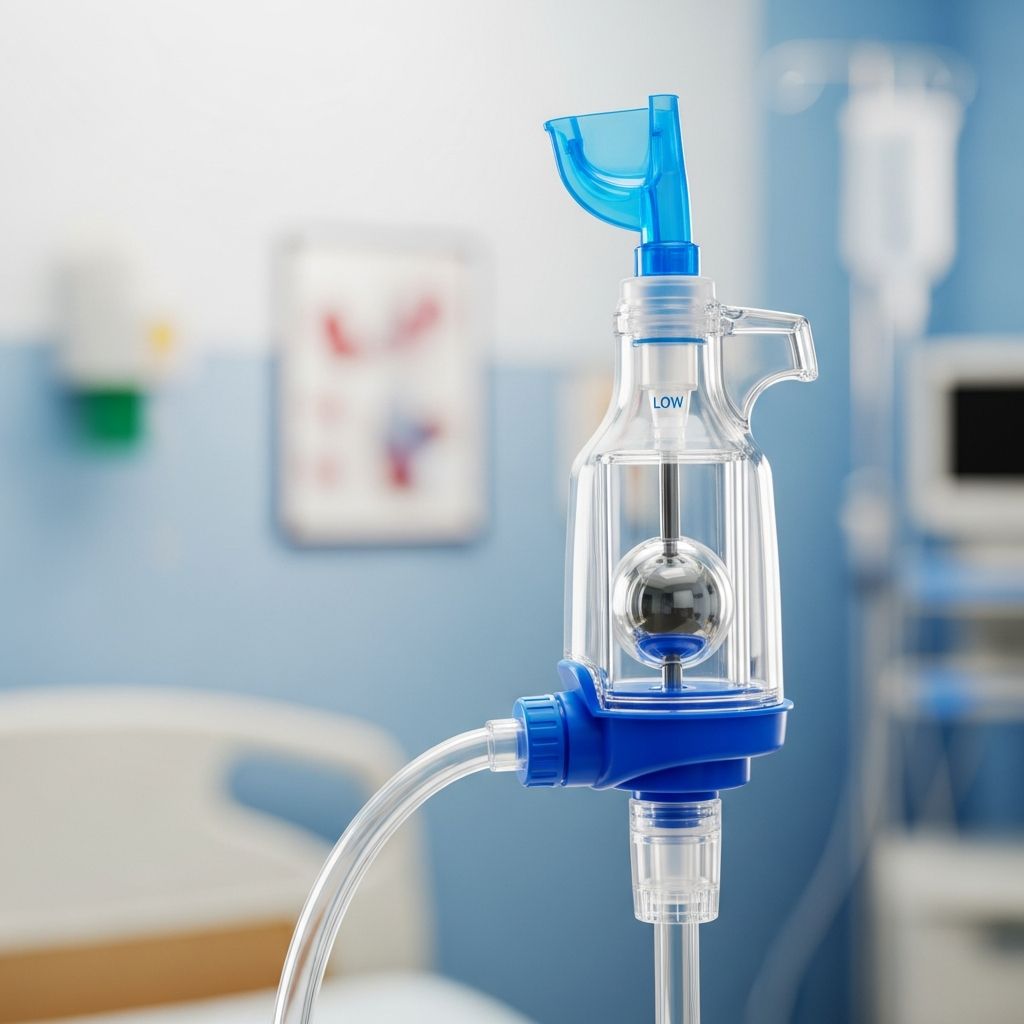
An incentive spirometer (pronounced spy-rom-uh-ter) is a simple, plastic medical device designed to exercise your lungs and help them function optimally. This handheld device, approximately the size of a small bottle, can be held comfortably in one hand, making it convenient for home use during recovery. It works by encouraging deep breathing to expand your lungs and improve respiratory function. Your healthcare provider may recommend an incentive spirometer after an illness, surgery, or an injury affecting your chest or abdomen to support your recovery process.
The device operates on a straightforward principle: as you breathe in through the mouthpiece, it measures the volume of air you inhale. Visual indicators on the device show your progress, making it easy to track improvements over time. Think of an incentive spirometer as an exercise machine specifically designed for your lungs, helping maintain lung strength or rebuild it after an injury or illness.
How Does an Incentive Spirometer Work?
An incentive spirometer functions through a straightforward mechanical process. The device consists of a plastic cylinder with measurement markings, a mouthpiece, and internal mechanisms including a disk or piston that moves as you inhale. When you place your lips around the mouthpiece and breathe in deeply, the suction creates movement within the cylinder. As you inhale deeper and more fully, a piston or disk rises higher within the clear cylinder, with numbers indicating the volume of air you’ve inhaled.
The device typically measures air volume in milliliters (mL) or cubic centimeters (cc), with ranges varying among different models. Most spirometers measure from 0 to 4,000 mL. Some devices also include a gauge that indicates whether you’re breathing at the appropriate pace, helping you optimize your technique. The visual feedback from watching the piston rise serves as positive reinforcement, motivating patients to achieve and exceed their breathing goals.
Types of Incentive Spirometers
There are two primary types of incentive spirometers available, each with slightly different mechanisms:
- Volume-oriented spirometers: These devices focus on measuring the total volume of air you inhale, making them ideal for tracking progress in terms of lung capacity expansion.
- Flow-oriented spirometers: These spirometers emphasize the rate at which you breathe, helping ensure you’re inhaling at an appropriate pace for optimal lung expansion.
Your healthcare provider will determine which type is most appropriate for your specific condition and recovery needs.
Benefits of Using an Incentive Spirometer
An incentive spirometer provides several important benefits for lung health and recovery:
- Prevents lung infections: By expanding your lungs fully, the device helps prevent the development of pneumonia and other respiratory infections that can occur after surgery or illness.
- Strengthens lungs: Regular use progressively strengthens your respiratory muscles, improving overall lung function and capacity.
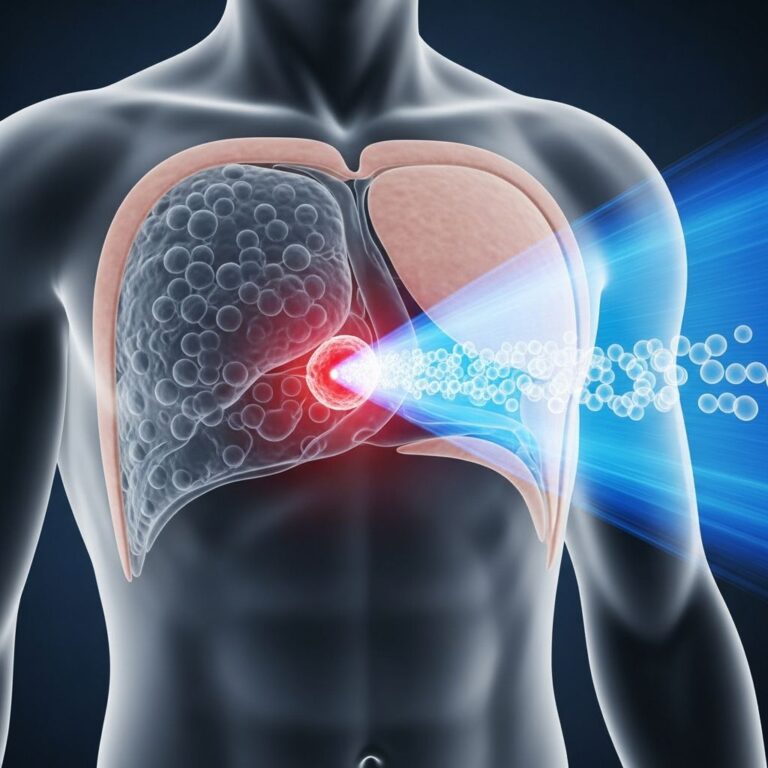
- Keeps lungs inflated: The device prevents alveolar collapse, a condition where the tiny air sacs in your lungs fail to remain open.
- Clears mucus and secretions: Deep breathing encouraged by the spirometer helps mobilize and clear mucus and other secretions from your chest and lungs.
- Normalizes oxygen levels: After surgery or serious illness, your oxygen levels may be low. An incentive spirometer helps you achieve normal oxygen saturation through improved breathing.
- Removes anesthesia: After surgery, this device helps expel anesthetic gases from your lungs during recovery.
Related Stories



When Should You Use an Incentive Spirometer?
Your healthcare provider may recommend an incentive spirometer in various situations. Common scenarios include recovery from surgery, particularly thoracic or abdominal procedures where pain might discourage deep breathing. Patients recovering from serious illnesses, those with chest or abdominal injuries, and individuals with chronic respiratory conditions may also benefit significantly.
Specific conditions where an incentive spirometer proves beneficial include:
- Recovery following general surgery
- Post-operative care from heart surgery
- Fractured or broken ribs
- Pneumonia treatment and prevention
- Chronic obstructive pulmonary disease (COPD)
- Cystic fibrosis
- Asthma management
- Sickle cell disease
How to Use an Incentive Spirometer Properly
Proper technique is essential for maximizing the benefits of your incentive spirometer. Follow these steps for optimal results:
- Sit upright in a comfortable position, as this allows your lungs to expand fully.
- Place your lips firmly around the mouthpiece, creating an airtight seal.
- Breathe in slowly and deeply through your mouth, not your nose, watching the piston rise on the device.
- Hold your breath for approximately three to five seconds at the peak of inhalation, allowing your lungs to fully expand and remain inflated.
- Exhale slowly and naturally through your mouth or nose.
- Rest briefly between breaths, typically for five to ten seconds.
- Repeat the process, using the indicator on the device to track your progress and work toward your established goals.
Your healthcare provider will help establish personalized goals based on your age, height, sex, and overall lung capacity. These goals serve as benchmarks to track your improvement and maintain motivation throughout your recovery.
Frequency and Duration of Use
The frequency of incentive spirometer use varies depending on your situation and recovery stage. Generally, healthcare providers recommend using the device at least 10 times every hour while you’re awake during the acute recovery phase. Before surgery, you may be asked to use it up to 30 times daily to pre-condition your lungs. Your healthcare provider will provide specific instructions tailored to your needs.
Consistency matters significantly. The more regularly you use your incentive spirometer, the stronger your lungs become and the faster your recovery progresses. Don’t become discouraged if initial use feels challenging—improvement typically occurs quickly with regular practice.
Understanding Your Results and Goals
Your incentive spirometer results are measured in milliliters and represent the volume of air your lungs can inhale. A normal spirometer range depends on several personal factors including age, height, and sex. For example, a 40-year-old woman who is 5 feet 4 inches tall might have a normal goal of 2,300 mL, while a 60-year-old man who is 6 feet tall might target 2,700 mL.
Your healthcare provider will establish a specific goal for your recovery, which may start lower than the normal range and progressively increase as your lungs strengthen. Your doctor might set an initial goal of 500 mL after surgery, then increase it as your lungs improve. The indicator on the side of your device helps you track whether you’re staying within the recommended breathing pace range, typically marked with two arrows.
Special Considerations for Heart Surgery Patients
While an incentive spirometer isn’t specifically designed to benefit your heart, it proves invaluable during recovery from heart surgery. During many open-heart surgical procedures, healthcare providers use a heart-lung bypass machine that temporarily takes over the function of both organs, allowing surgeons to operate while maintaining circulation. This process deflates your lungs.
When your lungs remain deflated for extended periods, they may produce excessive mucus. An incentive spirometer helps remove this accumulated mucus and other fluids from your lungs during recovery. This function is critical for preventing post-operative complications and ensuring smooth healing.
Potential Risks and Precautions
While generally safe, incentive spirometer use carries some important considerations. Stop using the device immediately if you experience dizziness or lightheadedness, and alert your healthcare provider right away. These symptoms may indicate you’re breathing too forcefully or too rapidly.
Additionally, an incentive spirometer requires forceful exhalation, which may spread airborne microbes such as influenza and COVID-19 viruses. Avoid using the device around other people, especially if you’re not feeling well or suspect you have a respiratory infection. If someone else needs to use your device, thoroughly clean and disinfect the tubing, breathing valve, and mouthpiece before sharing.
Patients with cystic fibrosis face a higher risk of upper respiratory tract infections when using an incentive spirometer or other lung function testing equipment, requiring extra caution and healthcare provider guidance. Always ensure your device is completely dry before your next use.
Frequently Asked Questions
Q: What is an incentive spirometer used for?
An incentive spirometer helps expand and strengthen your lungs when it’s difficult or painful to take deep breaths. It’s particularly beneficial after surgery, illness, or injury affecting the chest or abdomen.
Q: How often should I use my incentive spirometer?
Use your spirometer as frequently as your healthcare provider recommends. This typically ranges from 10 times per hour while awake post-operatively to up to 30 times daily before surgery. Your provider will give you specific instructions.
Q: What constitutes a good score on an incentive spirometer?
A normal score depends on your sex, age, and height. Your doctor will establish a personalized target goal for you based on these factors and your specific condition.
Q: What should I do if I feel dizzy using the device?
Stop using the device immediately and inform your healthcare provider. Dizziness may indicate you’re breathing too forcefully or rapidly.
Q: How do I clean my incentive spirometer?
Clean the tubing, breathing valve, and mouthpiece regularly. Ensure the device is completely dry before your next use. If sharing with another person, thoroughly disinfect all components.
Q: Can I use an incentive spirometer if I have cystic fibrosis?
Consult your healthcare provider, as patients with cystic fibrosis face higher risks of upper respiratory infections with spirometer use. Your doctor will provide guidance on safe usage.
Getting Started with Your Incentive Spirometer
Using an incentive spirometer may feel challenging initially, but with consistent practice and proper technique, patients typically achieve results quickly without complications such as pneumonia or fluid accumulation in the lungs. Your healthcare provider will teach you proper usage techniques and help you understand your specific goals and recovery timeline. Don’t hesitate to ask questions about any aspect of using your device.
Remember that an incentive spirometer is an investment in your recovery. With regular use and dedication to your breathing exercises, you’ll notice progressive improvements in your lung strength and overall respiratory function. Track your progress using the device’s visual indicators, celebrate small victories, and maintain communication with your healthcare provider throughout your recovery journey.
References
- Incentive Spirometer: Purpose, Goals & How To Use — Cleveland Clinic. 2022-08-31. https://my.clevelandclinic.org/health/drugs/4302-incentive-spirometer
- Incentive Spirometer: How It Helps You Breathe — WebMD. https://www.webmd.com/lung/lung-incentive-spirometer
- Clinical Effectiveness of Incentive Spirometry for the Prevention of Postoperative Pulmonary Complications — National Center for Biotechnology Information (PubMed). 2018. https://pubmed.ncbi.nlm.nih.gov/29279365/
- How to Use an Incentive Spirometer — Cleveland Clinic. https://my.clevelandclinic.org/-/scassets/files/org/patients-visitors/information/prepare-for-surgery/spirometer.pdf
- Spirometry: Purpose, Procedure, Risks & Results — Cleveland Clinic. https://my.clevelandclinic.org/health/diagnostics/17833-spirometry
Similar Articles








Read full bio of Sneha Tete