Incompetent Cervix: Causes, Symptoms, and Treatment
Understanding incompetent cervix: causes, symptoms, diagnosis, and treatment options for a healthy pregnancy.
What Is an Incompetent Cervix?
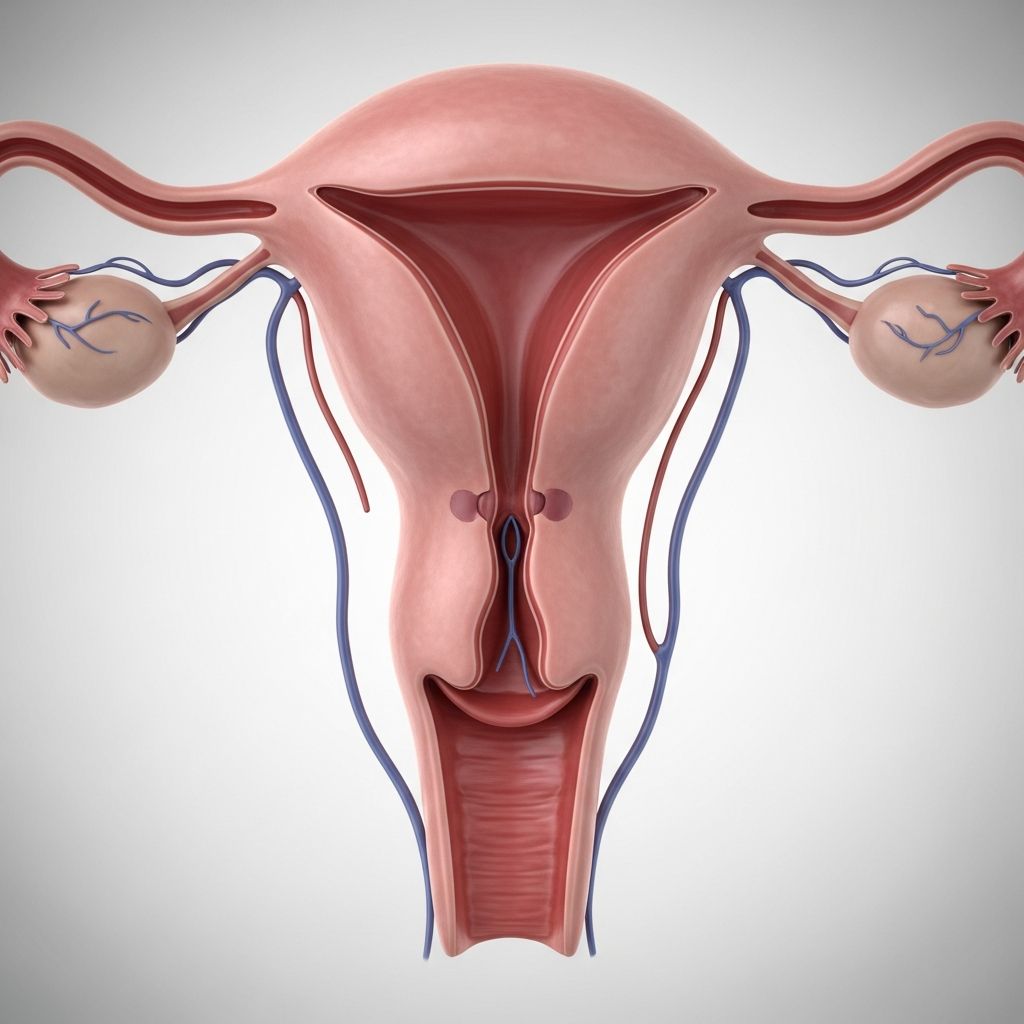
An incompetent cervix, also known as cervical insufficiency, is a condition in which the cervix begins to open (dilate) or shorten too early during pregnancy, often without pain or noticeable symptoms. This can lead to premature birth or the loss of a healthy pregnancy, typically occurring before 24 weeks of gestation. The cervix is the lower part of the uterus that connects to the vagina and normally remains closed and firm during pregnancy until labor begins. In cases of cervical insufficiency, the cervix is unable to stay closed, which can result in complications for both the mother and the developing baby.
Causes of Incompetent Cervix
The exact cause of an incompetent cervix is not always clear, but several factors can increase the risk:
- Cervical Trauma: Previous procedures or surgeries on the cervix, such as a dilation and curettage (D&C) or surgery to treat cervical abnormalities found during a Pap test, can weaken the cervical tissue and increase the risk of cervical insufficiency.
- Genetic Factors: Some women may be born with a congenital condition that affects the structure of the cervix or uterus, making them more susceptible to cervical insufficiency. Genetic problems affecting collagen, a protein that makes up connective tissues, can also play a role.
- Previous Pregnancy Loss: Women who have experienced a previous pregnancy loss or premature birth due to cervical insufficiency are at higher risk of having the condition in subsequent pregnancies.
- Uterine Abnormalities: Certain uterine conditions, such as a misshapen cervix or uterus, can contribute to cervical insufficiency.
Symptoms of Incompetent Cervix
An incompetent cervix can be difficult to diagnose because it often does not cause obvious symptoms, especially in the early stages of pregnancy. However, some women may experience mild discomfort or spotting before the diagnosis. Symptoms typically occur before 24 weeks of pregnancy and may include:
- A feeling of pelvic pressure
- A new backache
- Mild stomach cramps
- A change in vaginal discharge
- Light vaginal bleeding
It is important to note that these symptoms can be subtle and may not always be present. If you experience any of these symptoms during pregnancy, it is essential to contact your healthcare provider for evaluation.
Diagnosis of Incompetent Cervix
Diagnosing an incompetent cervix can be challenging, as there are often no clear symptoms. The diagnosis is typically made based on a combination of factors, including:
- Medical History: A history of previous pregnancy loss or premature birth, especially in the second trimester, can increase the suspicion of cervical insufficiency.
- Physical Examination: A pelvic exam may reveal that the cervix is beginning to open or shorten.
- Ultrasound: Transvaginal ultrasound is a key tool in diagnosing cervical insufficiency. It can measure the length of the cervix and detect any changes that may indicate the cervix is opening too early.
- Other Tests: In some cases, additional tests may be performed to rule out other causes of premature birth or pregnancy loss.
Treatment Options for Incompetent Cervix
If an incompetent cervix is diagnosed, several treatment options are available to help prevent premature birth and pregnancy loss:
- Cervical Cerclage: This is a surgical procedure in which strong sutures are placed around the cervix to keep it closed. Cervical cerclage is typically performed between 12 and 14 weeks of pregnancy in women with a history of second trimester loss due to cervical insufficiency. The procedure is not without risks and is only recommended for certain patients.
- Medications: In some cases, medications may be prescribed to help support the cervix and reduce the risk of premature birth.
- Activity Restriction: Women with a short cervix may be advised to limit physical activity, especially in the mid-second to early third trimester, to reduce the risk of premature birth.
- Regular Monitoring: Frequent ultrasounds and pelvic exams may be recommended to monitor the cervix and detect any changes early.
Related Stories



Complications of Incompetent Cervix
An incompetent cervix can lead to several complications, including:
- Premature Birth: The most common complication is premature birth, which can result in health problems for the baby, such as respiratory distress, feeding difficulties, and developmental delays.
- Pregnancy Loss: In some cases, cervical insufficiency can lead to the loss of a healthy pregnancy, especially if it occurs before the fetus is viable.
- Emergency C-Section: If the cervix opens too early, there may be an increased chance of needing an emergency cesarean section.
Prevention and Management
While it is not always possible to prevent an incompetent cervix, there are steps that can be taken to reduce the risk of complications:
- Regular Prenatal Care: Attending regular prenatal visits and discussing any concerns with your healthcare provider is essential for early detection and management of cervical insufficiency.
- History Disclosure: If you have a history of pregnancy loss or premature birth, make sure to inform your doctor, as this may influence the management of your current pregnancy.
- Lifestyle Modifications: Avoiding activities that may increase the risk of cervical trauma, such as heavy lifting or strenuous exercise, can help reduce the risk of complications.
- Monitoring: Regular cervical length screenings via transvaginal ultrasound, starting around 16 weeks, may be recommended for women at high risk.
Frequently Asked Questions (FAQs)
Q: What is the difference between an incompetent cervix and cervical insufficiency?
A: The terms are often used interchangeably. Cervical insufficiency is the preferred term, as it is more patient-centered and less stigmatizing than “incompetent cervix.”
Q: How common is cervical insufficiency?
A: Cervical insufficiency occurs in about 1 percent of all pregnancies.
Q: Can cervical insufficiency be prevented?
A: While it is not always possible to prevent cervical insufficiency, managing risk factors and seeking early medical care can help reduce the risk of complications.
Q: Does cervical insufficiency affect future pregnancies?
A: Having cervical insufficiency in one pregnancy increases the risk of having it again in subsequent pregnancies, but many women with cervical insufficiency can go on to have full-term, healthy pregnancies with appropriate management.
Q: What are the risks of cervical cerclage?
A: Cervical cerclage is not without risks and is only recommended for certain patients. Potential risks include infection, bleeding, and preterm labor.
References
- Incompetent Cervix – Symptoms and Causes — Mayo Clinic. 2023-04-25. https://www.mayoclinic.org/diseases-conditions/incompetent-cervix/symptoms-causes/syc-20373836
- Incompetent Cervix: Symptoms, Causes and Treatment — The Bump. https://www.thebump.com/a/incompetent-cervix
- Cervical Cerclage: Purpose, Procedure, Risks & Results — Cleveland Clinic. https://my.clevelandclinic.org/health/treatments/17970-cervical-cerclage
Similar Articles








Read full bio of Sneha Tete