How To Increase Testosterone Naturally: 8 Proven Ways
Discover science-backed ways to boost testosterone levels naturally through diet, exercise, sleep, and lifestyle changes for better health and vitality.
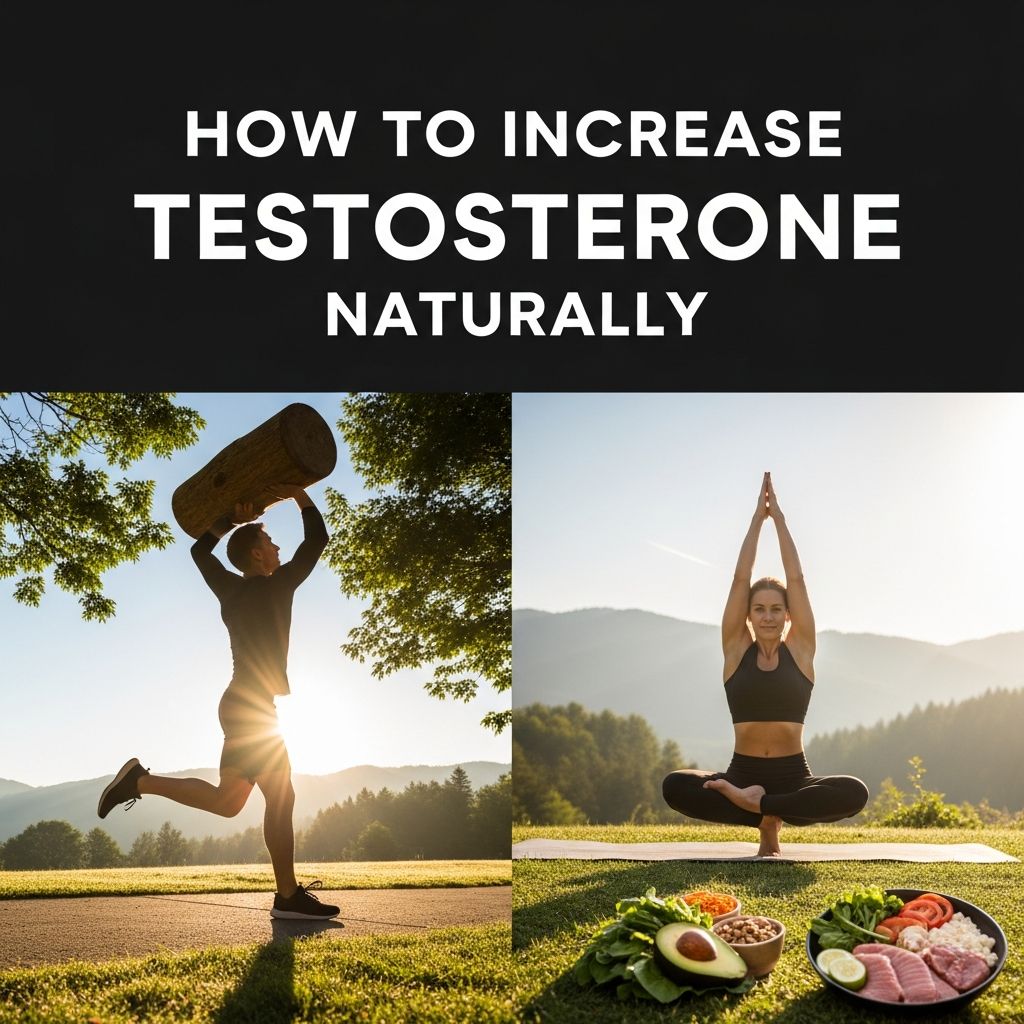
Testosterone, a key hormone produced primarily in the testicles in men and ovaries in women, plays a vital role in muscle mass, bone density, fat distribution, red blood cell production, and sex drive. Optimal levels support overall health, fertility, mood, energy, and physical performance. Levels naturally decline with age—about 1% per year after age 30—but lifestyle factors like poor diet, inactivity, stress, and sleep deprivation can accelerate this drop. Fortunately, evidence-based natural strategies can help restore and maintain healthy testosterone levels without relying on therapy or unproven supplements.
This comprehensive guide outlines proven methods, drawing from recent research and expert recommendations. Implementing these changes can enhance vitality, improve body composition, and reduce risks of conditions like osteoporosis, depression, and metabolic syndrome.
What Is Testosterone and Why Does It Matter?
Testosterone is a steroid hormone essential for puberty-related changes like muscle growth, voice deepening, and hair development in males. In adults, it maintains sexual function, sperm production, and general well-being. Women produce smaller amounts, where it supports libido and bone health alongside estrogen. Low levels, or hypogonadism, affect up to 40% of men over 45, leading to fatigue, erectile dysfunction, reduced muscle, increased body fat, and mood issues.
Maintaining optimal levels (typically 300–1,000 ng/dL for men) is crucial for disease prevention and quality of life. Natural boosts are preferable to therapy, which carries risks like prostate issues and cardiovascular events, as noted by Mayo Clinic guidelines.
1. Exercise Regularly, Especially Resistance Training
Physical activity is one of the most effective ways to elevate testosterone. Resistance training, like weightlifting, triggers short-term spikes post-workout, with cumulative benefits over time. A 2020 literature review confirms that high-intensity exercises boost levels more than steady-state cardio.
Focus on compound movements: squats, deadlifts, bench presses, and rows. Aim for 3–4 sessions weekly, 45–60 minutes each, with moderate reps (6–12) and heavy weights. High-Intensity Interval Training (HIIT), such as sprints or circuit training, also excels, increasing testosterone while burning fat.
- Beginner tip: Start with bodyweight exercises or lighter weights to build form.
- Advanced: Incorporate progressive overload—increasing weight or reps gradually.
- Avoid overtraining: Excessive endurance exercise (e.g., marathon running) can lower testosterone by elevating cortisol.
Dr. Sasha Hakman, a reproductive endocrinologist, emphasizes strength training for men with borderline low levels, noting improvements in fertility and energy.
2. Optimize Your Diet with Balanced Macros and Key Nutrients
Diet profoundly impacts hormone production. A balanced intake of proteins, healthy fats, and carbs supports testosterone synthesis, while chronic dieting or low-fat diets suppress it.
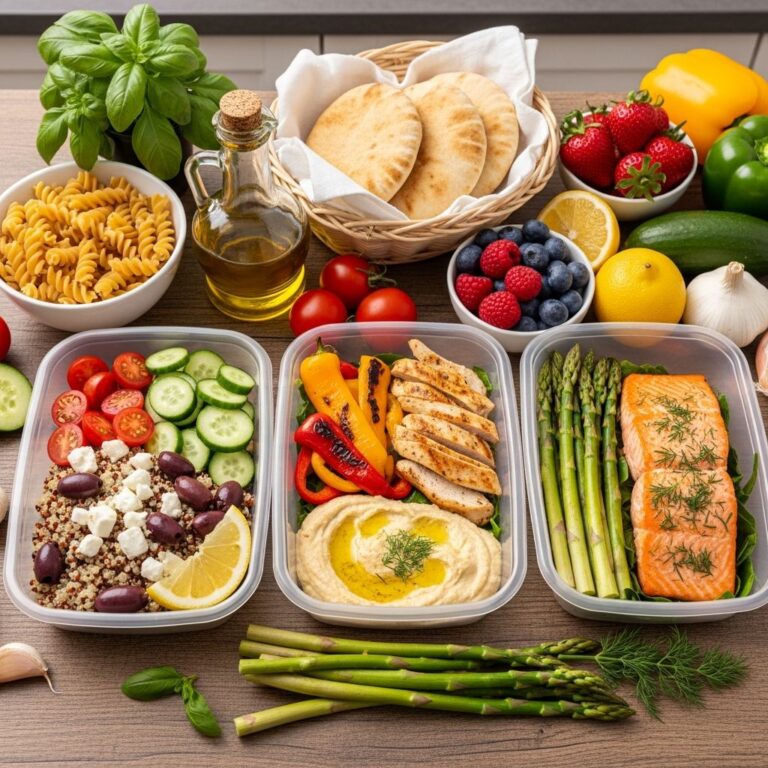
Prioritize whole foods: lean meats, eggs, fatty fish (salmon, tuna for omega-3s and vitamin D), nuts, avocados, olive oil, and veggies. Foods rich in zinc (oysters, beef, pumpkin seeds), magnesium (leafy greens, spinach), and vitamin D (fatty fish, fortified foods) are particularly potent.
| Nutrient | Food Sources | Benefit for Testosterone |
|---|---|---|
| Zinc | Oysters, beef, seeds | Supports production; deficiency linked to low T |
| Vitamin D | Fatty fish, sunlight | Supplementation raised levels in deficient men |
| Magnesium | Leafy greens, nuts | Improves free testosterone bioavailability |
| Healthy Fats | Avocados, olive oil | Essential for hormone synthesis |
Related Stories



Avoid processed foods, excess sugar, and trans fats, which promote inflammation and estrogen dominance. Moderate alcohol—more than 2 drinks daily tanks levels.
3. Prioritize Quality Sleep (7–9 Hours Nightly)
Sleep is non-negotiable for hormone regulation; most testosterone is produced during deep sleep. A 2019 study of 2,295 males linked poor sleep to 10–15% lower levels.
Aim for 7–9 hours in a cool, dark room. Establish a routine: no screens 1 hour before bed, consistent schedule. Poor sleep elevates cortisol, inversely affecting testosterone.
- Melatonin-rich foods like cherries help.
- Avoid caffeine post-noon.
- Naps under 30 minutes if needed.
4. Manage Stress to Lower Cortisol
Chronic stress raises cortisol, which competes with testosterone. High cortisol from work, relationships, or over-exercise leads to fat gain (especially abdominal) and hormone imbalance.
Techniques: meditation (10–20 min daily), yoga, deep breathing, or hobbies. Mindfulness reduced cortisol by 20% in studies, indirectly boosting T. Nature walks combine stress relief with vitamin D exposure.
5. Get Adequate Vitamin D
Up to 1 billion people are deficient in vitamin D, linked to low testosterone. A 2020 review showed supplementation (3,000–5,000 IU daily) increased levels by 20% in deficient individuals and improved erectile function.
Sources: 15–20 min midday sun exposure, supplements (test levels first), fatty fish. Recent 2023 studies show mixed results, so monitor via bloodwork.
6. Consider Evidence-Based Supplements (With Caution)
Not all supplements work; 90% of ‘T-boosters’ lack data, per a NIH review—only 25% have supporting evidence. Prioritize if deficient:
- Zinc (15–30 mg): Boosts T in deficient men and aids fertility.
- Ashwagandha: Reduced stress, raised T by 15% in trials.
- Fenugreek: Modest increases in some studies.
Consult a doctor; excess can harm. Multivitamins offer minimal benefit.
7. Minimize Exposure to Endocrine Disruptors
Chemicals like BPA (in plastics), parabens (cosmetics), and phthalates mimic estrogen, lowering T. Store food in glass, choose natural products, filter water. A healthy sex life also regulates hormones.
8. Maintain Healthy Weight and Limit Alcohol
Excess body fat converts testosterone to estrogen via aromatase. Losing 5–10% weight via diet/exercise can raise T by 15%. Limit alcohol to 1–2 drinks max; bingeing suppresses production for weeks.
Potential Risks and When to See a Doctor
Natural methods are safe but yield modest gains (10–20%). Symptoms of low T warrant blood tests. Therapy benefits hypogonadism but not healthy aging men, per Mayo Clinic—no proven vitality boost. Women: consult for PCOS or menopause-related issues.
Frequently Asked Questions (FAQs)
What are the fastest ways to boost testosterone naturally?
Resistance training, HIIT, 7–9 hours sleep, and stress reduction show quickest short-term spikes. Combine for best results.
Do foods really increase testosterone?
No single food does, but zinc/vitamin D-rich ones like oysters and fatty fish support production in a balanced diet.
Can supplements replace lifestyle changes?
No—only 25% have evidence, and they’re most effective for deficiencies. Lifestyle is foundational.
How long to see results from natural methods?
4–12 weeks with consistency; track via bloodwork every 3–6 months.
Is testosterone therapy safe for older men?
It helps hypogonadism symptoms but lacks evidence for healthy men and carries risks like heart issues.
References
- 8 Proven Ways to Increase Testosterone Levels Naturally — Healthline. 2025-04-28. https://www.healthline.com/nutrition/8-ways-to-boost-testosterone
- How to Increase Testosterone Naturally with Dr. Sasha Hakman — HRC Fertility/Having Babies. 2025. https://www.havingbabies.com/dr-hakman-everyday-health-increase-testerone/
- The best foods to boost low testosterone — Medical News Today. 2025. https://www.medicalnewstoday.com/articles/323759
- Testosterone therapy: Potential benefits and risks as you age — Mayo Clinic. 2025. https://www.mayoclinic.org/healthy-lifestyle/sexual-health/in-depth/testosterone-therapy/art-20045728
- ‘Testosterone Boosting’ Supplements Composition and Claims — NIH/PMC. 2019-11-25. https://pmc.ncbi.nlm.nih.gov/articles/PMC6920068/
Similar Articles








Read full bio of Sneha Tete