Increased Intracranial Pressure ICP Headache
Understanding ICP headaches: causes, symptoms, diagnosis, and treatment options explained.
Understanding Increased Intracranial Pressure Headaches
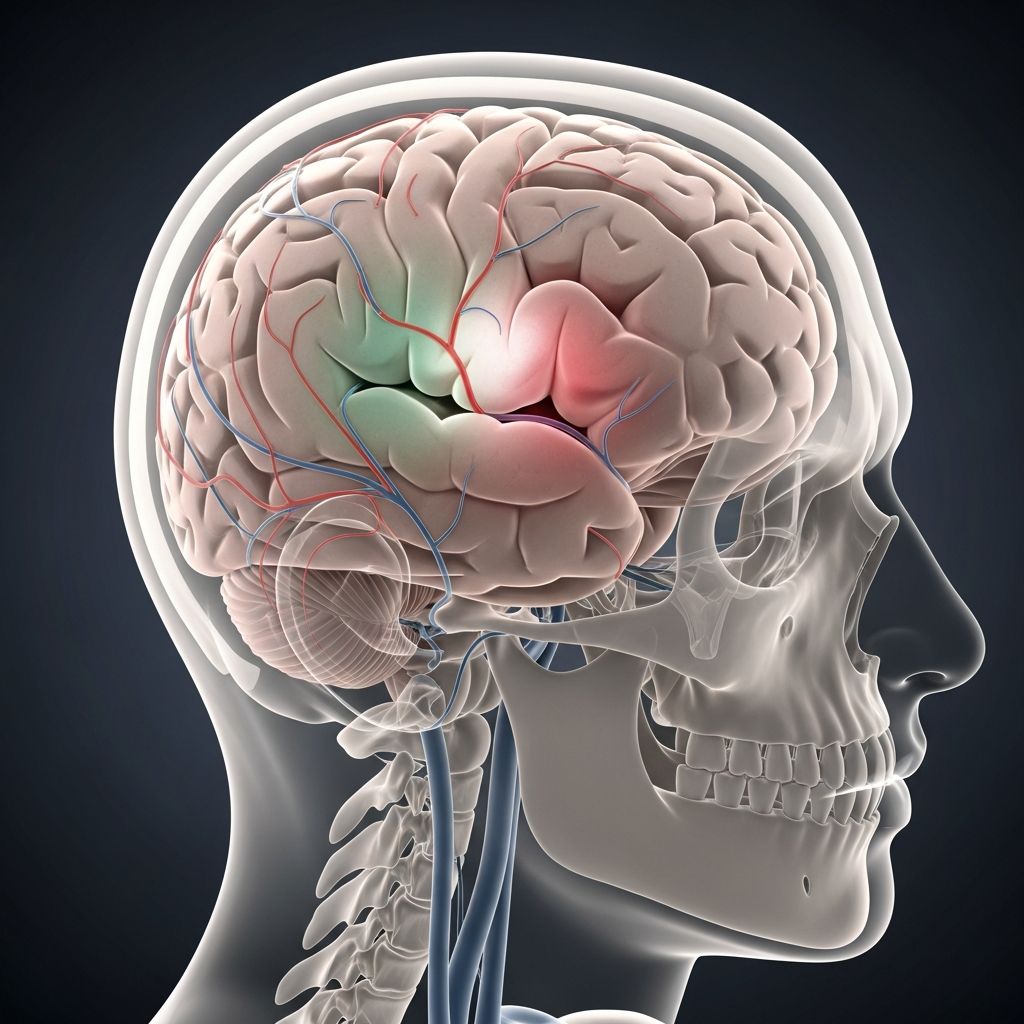
Increased intracranial pressure (ICP) represents a serious medical condition characterized by elevated pressure within the skull. This occurs when there is an imbalance between the brain tissue, cerebrospinal fluid (CSF), and blood volume contained within the rigid cranial vault. When pressure accumulates inside the skull, it can restrict blood flow to the brain and potentially cause brain tissue to shift or herniate, creating a life-threatening emergency. Understanding the nature of ICP headaches is essential for early recognition and prompt treatment.
What Is Intracranial Pressure?
The cranial vault is a rigid, closed compartment that contains three primary components: brain tissue, cerebrospinal fluid, and blood volume. In normal conditions, these components exist in a delicate balance, maintaining optimal intracranial pressure. The cerebrospinal fluid cushions the brain and spinal cord while providing essential nutrients and removing metabolic waste. However, when any one of these three components increases in volume, the overall pressure within the cranial vault rises accordingly. This increase in pressure can compromise cerebral blood flow and lead to significant neurological complications.
Causes of Increased Intracranial Pressure
The causes of elevated intracranial pressure can be categorized based on which component is responsible for the pressure increase.
Increased Brain Volume
Generalized brain swelling, known as cerebral edema, represents one of the primary causes of increased ICP. This swelling can result from traumatic brain injury, which causes inflammation and fluid accumulation within brain tissue. Stroke, whether ischemic or hemorrhagic, also triggers cerebral edema as brain cells are damaged and accumulate fluid. Other causes of generalized brain swelling include metabolic disorders such as hyperammonemia and uremic encephalopathy, electrolyte imbalances like hyponatremia, and hypoxic-ischemic injury from insufficient oxygen to the brain. Localized swelling can develop in specific brain regions from conditions such as brain tumors, hematomas (blood clots), brain abscesses, and focal areas of brain tissue death from stroke.
Elevated Cerebrospinal Fluid Volume
Increased cerebrospinal fluid within the cranial vault can result from overproduction of CSF, which may occur with certain conditions affecting the choroid plexus—the structure responsible for CSF production. Additionally, impaired CSF reabsorption can cause fluid to accumulate. Obstructive hydrocephalus develops when CSF flow pathways become blocked, preventing normal fluid circulation and absorption. Meningeal inflammation or granulomas can interfere with CSF absorption through the meningeal layers that normally allow fluid to be reabsorbed into the bloodstream.
Increased Blood Volume
Elevated intracranial blood volume can result from increased cerebral blood flow, which may occur during hypercarbia (elevated blood carbon dioxide levels) or with arteriovenous malformations and aneurysms. Venous stasis—where blood cannot drain efficiently from the cranial vault—can also increase blood volume. This may result from venous sinus thrombosis, heart failure causing elevated central venous pressure, or other conditions that impede venous return from the brain.
Symptoms of ICP Headache
Primary Symptoms
The most common initial symptom of increased intracranial pressure is a headache, often characterized as being worse in the morning or when lying down. This headache may be sudden and severe, or it may develop gradually, steadily worsening over time. The morning prominence of ICP headaches occurs because CSF pressure tends to be higher when horizontal and during sleep when intracranial compliance is reduced.
Associated Neurological Symptoms
Beyond headache, increased intracranial pressure manifests through various neurological symptoms. Patients frequently experience nausea and vomiting, which may worsen the headache. Vision changes are particularly common and can range from blurred vision to double vision (diplopia) resulting from cranial nerve compression. Some individuals report photophobia (sensitivity to light) or temporary vision loss where vision becomes dark or “greyed out” for seconds at a time, particularly with coughing, sneezing, or bending down. Noises in the head synchronized with pulse beats, called pulsatile tinnitus, may also occur.
Related Stories



Signs of Severe ICP
More severe manifestations of increased intracranial pressure include altered mental status ranging from drowsiness to complete loss of consciousness. Patients may experience weakness, difficulty moving or speaking, decreased alertness, and behavioral changes. Seizures can occur as a consequence of elevated pressure affecting neuronal function. In severe cases, the Cushing triad—consisting of hypertension (high blood pressure), bradycardia (slow heart rate), and irregular respirations—represents a critical late sign indicating impending brain herniation.
Symptoms in Infants
Infants present with distinctly different signs of increased intracranial pressure. Because infants still have open anterior fontanelles (soft spots on the skull), bulging of the fontanelle is a classic indicator of elevated pressure. Infants may show increased drowsiness, separated sutures on the skull, and vomiting. These signs require immediate medical evaluation.
Pathophysiology and Complications
The harmful effects of increased intracranial pressure primarily result from cerebral ischemia—insufficient blood flow to brain tissue. Cerebral perfusion pressure (CPP), calculated as the difference between mean arterial pressure (MAP) and intracranial pressure (CPP = MAP − ICP), determines whether the brain receives adequate oxygen and nutrients. When ICP rises, CPP decreases, compromising blood flow and causing brain tissue damage. This reduced perfusion can lead to both global ischemia affecting the entire brain and focal ischemia in specific regions, potentially causing irreversible neurological damage. In severe cases, elevated ICP can cause herniation, where brain tissue is displaced downward through the foramen magnum, causing catastrophic neurological injury and death.
Diagnostic Approaches
Healthcare providers employ multiple diagnostic methods to confirm increased intracranial pressure and identify underlying causes. Neurological examination assessing mental status, cranial nerves, motor function, and reflexes provides initial clinical information. Imaging studies, particularly CT (computed tomography) and MRI (magnetic resonance imaging), visualize brain structure and identify masses, bleeding, swelling, or fluid accumulation. In cases of suspected idiopathic intracranial hypertension, lumbar puncture (spinal tap) measures cerebrospinal fluid pressure directly while allowing CSF analysis. Advanced monitoring using intracranial pressure monitors may be employed in hospitalized patients with severe ICP elevation. Fundoscopic examination may reveal papilledema (optic disc swelling) indicating chronic pressure elevation.
Treatment Strategies
Acute Management
Immediate treatment of elevated intracranial pressure focuses on reducing pressure and preventing complications. Elevation of the head to 30 degrees promotes venous drainage from the cranial vault. Maintaining normal body temperature is important, as fever increases cerebral metabolic rate and ICP. Adequate oxygenation and ventilation are essential, as hypoxia and hypercarbia can worsen cerebral edema. In severe cases, sedation and anesthesia may be necessary to reduce cerebral metabolic rate and allow mechanical ventilation to control carbon dioxide levels.
Medical Management
Osmotic diuretics such as mannitol and hypertonic saline draw fluid from brain tissue into the intravascular space, reducing cerebral edema. Loop diuretics may be used alongside osmotic agents. Corticosteroids, particularly dexamethasone, reduce inflammation and cerebral edema in some conditions. Medications to control seizures are administered prophylactically or therapeutically as needed. Pain management and anti-nausea medications improve patient comfort while avoiding interventions that might increase ICP.
Surgical Interventions
When medical management proves insufficient, surgical options may be necessary. Evacuation of mass lesions such as hematomas, tumors, or abscesses directly reduces intracranial volume. Ventricular drainage, where a catheter is placed in the cerebral ventricles, allows controlled CSF removal and pressure relief. Decompressive craniectomy, involving removal of a portion of the skull, allows brain tissue to expand outward rather than compress inward. Shunting procedures divert excess cerebrospinal fluid to the peritoneal cavity or other locations, permanently reducing CSF volume and pressure.
Management of Underlying Causes
Treating the underlying condition causing increased ICP is crucial for long-term management. This may include antibiotics for infections such as meningitis or encephalitis, anticoagulation for venous sinus thrombosis, or specific cancer treatments for brain tumors. Correction of metabolic abnormalities such as hyponatremia or hyperammonemia addresses the root cause of cerebral edema.
Special Considerations for Idiopathic Intracranial Hypertension
Idiopathic intracranial hypertension (IIH), also known as pseudotumor cerebri, represents a distinct condition where increased intracranial pressure occurs without an identifiable structural cause. This condition typically affects women of childbearing age and is often associated with obesity. Patients typically present with a daily or near-daily bilateral headache that may be mild initially but varies in intensity and can become severe. Vision changes and pulsatile tinnitus are common accompanying symptoms. Management typically focuses on weight loss, diuretics such as acetazolamide, and in some cases, procedures such as optic nerve sheath fenestration or lumboperitoneal shunting to preserve vision and alleviate symptoms.
When to Seek Emergency Care
Immediate medical attention is warranted for sudden severe headache, particularly when accompanied by vomiting, vision changes, weakness, difficulty speaking, altered consciousness, or seizures. A headache that worsens progressively over days or weeks, especially with neurological symptoms, requires urgent evaluation. Following head injury, any new or worsening headache warrants assessment for intracranial pressure elevation. Symptoms suggestive of stroke, including sudden severe headache with neurological deficits, demand immediate emergency evaluation.
Long-term Outcomes and Prognosis
Prognosis for increased intracranial pressure depends on the underlying cause, severity of pressure elevation, duration before treatment, and effectiveness of therapeutic interventions. Early recognition and appropriate treatment significantly improve outcomes. However, severe or prolonged pressure elevation can cause permanent neurological damage, including cognitive impairment, motor dysfunction, vision loss from optic atrophy, and other neurological sequelae that may persist even after pressure normalization. Rehabilitation and long-term monitoring may be necessary for patients with residual neurological deficits.
Frequently Asked Questions About ICP Headaches
Q: What is the relationship between morning headaches and increased intracranial pressure?
A: Morning headaches are particularly common with ICP because cerebrospinal fluid pressure tends to be higher when the body is horizontal and during sleep when the brain’s ability to regulate pressure (intracranial compliance) is reduced. Patients often report headache improvement when standing upright.
Q: Can increased intracranial pressure cause permanent brain damage?
A: Yes, severe or prolonged elevated intracranial pressure can cause irreversible brain damage through cerebral ischemia and herniation. This can result in cognitive impairment, motor dysfunction, vision loss, and other neurological deficits that may persist even after pressure normalization. This emphasizes the importance of early recognition and treatment.
Q: Is idiopathic intracranial hypertension serious?
A: While idiopathic intracranial hypertension (IIH) is a chronic condition, its primary danger relates to vision loss. Progressive papilledema can lead to permanent optic atrophy and blindness if untreated. Treatment focuses on symptom management and preserving vision through weight loss, medications, and sometimes surgical intervention.
Q: What should I do if I suspect I have increased intracranial pressure?
A: Seek medical evaluation promptly if you experience persistent morning headaches, especially with vision changes, vomiting, or neurological symptoms. Emergency care is warranted for sudden severe headache with neurological symptoms, as ICP can be life-threatening and requires urgent intervention.
Q: How is increased intracranial pressure measured?
A: Intracranial pressure can be measured directly through invasive monitoring with specialized catheters placed in the ventricles or brain tissue, typically in hospitalized patients. Non-invasive methods include neuroimaging (CT and MRI) to identify structural causes and lumbar puncture measuring cerebrospinal fluid opening pressure to diagnose conditions like idiopathic intracranial hypertension.
References
- Increased Intracranial Pressure (ICP) — Cleveland Clinic. 2024. https://my.clevelandclinic.org/health/diseases/increased-intracranial-pressure-icp
- Increased Intracranial Pressure – StatPearls — National Institutes of Health (NCBI). 2024. https://www.ncbi.nlm.nih.gov/books/NBK482119/
- Increased Intracranial Pressure (ICP) — MedlinePlus Medical Encyclopedia. 2024. https://medlineplus.gov/ency/article/000793.htm
- Intracranial Hypertension — NHS (National Health Service). 2024. https://www.nhs.uk/conditions/intracranial-hypertension/
- Idiopathic Intracranial Hypertension — Merck Manuals. 2024. https://www.merckmanuals.com/home/brain-spinal-cord-and-nerve-disorders/headaches/idiopathic-intracranial-hypertension
- Pseudotumor Cerebri (Idiopathic Intracranial Hypertension) — Mayo Clinic. 2024. https://www.mayoclinic.org/diseases-conditions/pseudotumor-cerebri/symptoms-causes/syc-20354031
Similar Articles








Read full bio of medha deb