Increasing Energy Levels for Better Sexual Performance
Boost your sexual vitality through improved energy, sleep, exercise, and lifestyle changes.

Increasing Energy Levels for Sex
Sexual performance and satisfaction are closely intertwined with overall energy levels and physical well-being. Many men experience challenges with sexual function that stem not from medical conditions, but from simple factors like fatigue, stress, and poor lifestyle habits. Understanding the connection between energy and sexual performance is the first step toward meaningful improvement. This comprehensive guide explores evidence-based strategies to boost your energy and enhance your sexual vitality.
Understanding the Energy-Sex Connection
Energy is fundamental to sexual performance and satisfaction. When you’re exhausted, your body struggles to respond to sexual stimulation, and your mind may lack the focus needed for intimate moments. Research demonstrates that men frequently cite lack of energy as a primary concern affecting their sexual health, with energy improvements being among the most valued benefits reported by men seeking to enhance their sexual function.
The relationship between energy and sexual performance operates on multiple levels. Physically, sexual activity requires cardiovascular fitness, muscular endurance, and hormonal balance. Mentally, sexual arousal and satisfaction depend on mental clarity, emotional presence, and freedom from distraction. When your energy reserves are depleted, all these systems suffer.
The Critical Role of Sleep in Sexual Health
Quality sleep stands as one of the most powerful yet underutilized tools for enhancing sexual performance and energy. During sleep, particularly during deep and REM stages, your body performs essential maintenance and produces critical hormones. Testosterone, the hormone that fuels sexual desire and supports erectile function, is primarily produced during REM sleep, especially during early morning hours.
Research reveals alarming statistics about sleep deprivation’s impact on sexual health. When sleep is restricted, testosterone levels can drop by up to 15% within just one week. This hormonal disruption cascades throughout your body, affecting not only sexual desire but also erectile function and overall energy levels. Additionally, insufficient sleep increases cortisol, your body’s stress hormone, which actively suppresses the production of sex hormones and creates anxiety that undermines sexual confidence.
Studies have linked inadequate sleep to various men’s health concerns, including erectile dysfunction, lower urinary tract symptoms, and signs of hypogonadism. The American Academy of Sleep Medicine and the Sleep Research Society recommend that adults obtain at least seven hours of sleep per night, with many experts suggesting 7-9 hours for optimal health.
Sleep Optimization Strategies
To maximize sexual performance through better sleep, implement these evidence-based approaches:
- Maintain consistent sleep schedules: Go to bed and wake up at the same time daily to regulate your body’s natural rhythms and optimize hormone production
- Create an optimal sleep environment: Keep your bedroom cool (around 65-68°F), dark, and quiet to facilitate deep sleep
- Avoid screens before bed: The blue light from phones, tablets, and computers suppresses melatonin production and interferes with sleep quality
- Limit evening stimulants: Avoid caffeine, alcohol, and heavy meals several hours before bedtime
- Develop a wind-down routine: Spend 30 minutes before bed on relaxing activities to prepare your mind and body for sleep
Related Stories



Exercise: Building Physical Capacity and Hormone Production
Physical exercise serves as a powerful catalyst for both energy improvement and sexual performance enhancement. Regular activity strengthens your cardiovascular system, improves blood flow, builds muscular endurance, and optimizes hormone production—all critical factors for sexual function.
Different types of exercise provide different benefits for sexual health. Resistance training, such as weightlifting, has been scientifically shown to boost testosterone levels significantly. This form of exercise stimulates muscle growth and signals your body to produce more of the hormones necessary for sexual function and desire.
However, balance is essential. While moderate to intense resistance training enhances hormonal health, excessive endurance training or chronic overtraining can elevate cortisol levels and negatively impact hormone balance. The key is implementing a balanced, periodized exercise routine that includes both strength training and cardiovascular activity.
Designing Your Sexual Performance Exercise Plan
Consider these exercise recommendations for optimal sexual energy and performance:
- Incorporate 2-3 resistance training sessions weekly: Focus on compound movements like squats, deadlifts, and bench presses
- Add cardiovascular exercise: Include 150 minutes of moderate aerobic activity weekly to improve blood flow and endurance
- Include flexibility work: Yoga and stretching improve blood flow to the genitals and enhance sexual responsiveness
- Avoid overtraining: Allow adequate recovery between intense sessions to maintain hormonal balance
- Build consistency: Regular, moderate exercise provides more benefit than sporadic intense workouts
Alcohol and Sexual Performance
The relationship between alcohol consumption and sexual function is more nuanced than many realize. Moderate drinking presents a different picture than heavy consumption.
Moderate Alcohol Consumption
Research suggests that moderate alcohol consumption may actually provide some benefits for sexual function. The CDC defines moderate consumption as up to two drinks per day for men. Some studies indicate that men who drink moderately may have lower rates of erectile dysfunction compared to non-drinkers. This potential benefit may relate to alcohol’s positive effects on cholesterol levels and blood vessel function, including increased nitric oxide production—a compound essential for erectile function.
Heavy Alcohol Consumption
The picture changes dramatically with heavy drinking, defined as regularly consuming more than two drinks daily. Heavy alcohol consumption actively undermines sexual health through multiple mechanisms:
- Nerve damage: Chronic heavy drinking damages the nerves controlling erections, impairing your brain’s ability to communicate with your penis during arousal
- Hormonal disruption: Alcohol directly lowers testosterone production and disrupts other critical sex hormones
- Sleep interference: Alcohol degrades sleep quality, preventing the deep sleep necessary for hormone production
- Liver damage: Chronic heavy drinking impairs liver function, which affects overall health and sexual performance
- Vascular problems: Long-term heavy drinking damages blood vessels, reducing blood flow necessary for erections
Smoking Cessation and Sexual Health
Smoking represents one of the most significant modifiable risk factors for erectile dysfunction and reduced sexual performance. Cigarette smoke damages blood vessels and reduces their ability to dilate, directly impairing blood flow to the penis—essential for achieving and maintaining erections.
The good news: research confirms that men who quit smoking often experience meaningful improvements in sexual function. These improvements emerge as blood vessels gradually repair and vascular function restores. For men committed to enhancing sexual performance, smoking cessation should rank among the highest priorities.
Stress Management and Mental Health
The mind-body connection in sexual function cannot be overstated. Your psychological state profoundly influences your ability to achieve arousal and maintain sexual performance. Stress, anxiety, depression, and emotional tension create powerful barriers to sexual function.
Chronic stress elevates cortisol, which suppresses sexual hormone production and creates the anxiety and mental tension that undermine arousal. Poor sleep and high stress create a vicious cycle, each worsening the other while both degrading sexual performance.
Mental Health Strategies for Sexual Performance
Address psychological factors through these approaches:
- Mindfulness and meditation: Practice daily mindfulness to reduce stress and anxiety
- Therapy or counseling: Professional mental health support addresses underlying psychological issues
- Communication: Discuss concerns with your partner to reduce emotional tension
- Relaxation techniques: Deep breathing, progressive muscle relaxation, and other techniques reduce stress
- Lifestyle balance: Ensure adequate downtime and stress-relieving activities
The Integrated Approach to Sexual Energy
These lifestyle factors work synergistically. When you optimize sleep, incorporate strategic exercise, moderate alcohol consumption, quit smoking, and manage stress effectively, you create an environment where your body and mind function at their best—including sexually. The improvements resulting from these changes take time to manifest, but the transformation in both overall health and sexual function can be profound.
Rather than viewing sexual performance as a separate concern, recognize it as an indicator of overall physical and mental health. By addressing energy, sleep, exercise, stress, and lifestyle habits, you simultaneously improve sexual vitality and general well-being.
Frequently Asked Questions
Q: How quickly can I expect to see improvements in sexual performance after implementing these changes?
A: Sleep improvements may affect energy within days, but hormonal changes typically require 2-4 weeks. Maximum benefits from exercise and lifestyle changes usually emerge after 8-12 weeks of consistent implementation. Smoking cessation shows improvements over weeks to months as vascular function restores.
Q: Can these lifestyle changes truly replace medical treatments for erectile dysfunction?
A: For many men, lifestyle modifications alone produce significant improvements. However, some cases require medical intervention. Start with lifestyle changes, and if problems persist after 8-12 weeks, consult a healthcare provider to rule out underlying medical conditions.
Q: Is it necessary to exercise intensely, or will moderate activity suffice?
A: Moderate, consistent exercise provides substantial benefits. Intense overtraining can actually harm hormonal balance. A balanced approach including both resistance training and cardiovascular activity is optimal.
Q: How does stress specifically impact sexual performance?
A: Stress elevates cortisol, which directly suppresses testosterone and other sex hormones. It also creates mental anxiety and tension that prevent arousal. Chronic stress can lead to performance anxiety and erectile difficulties.
Q: Can alcohol ever be beneficial for sexual performance?
A: Moderate consumption (up to two drinks daily) may provide some cardiovascular benefits that support sexual function. However, heavy drinking actively damages sexual performance through multiple mechanisms.
Q: What specific foods should I eat to support sexual energy?
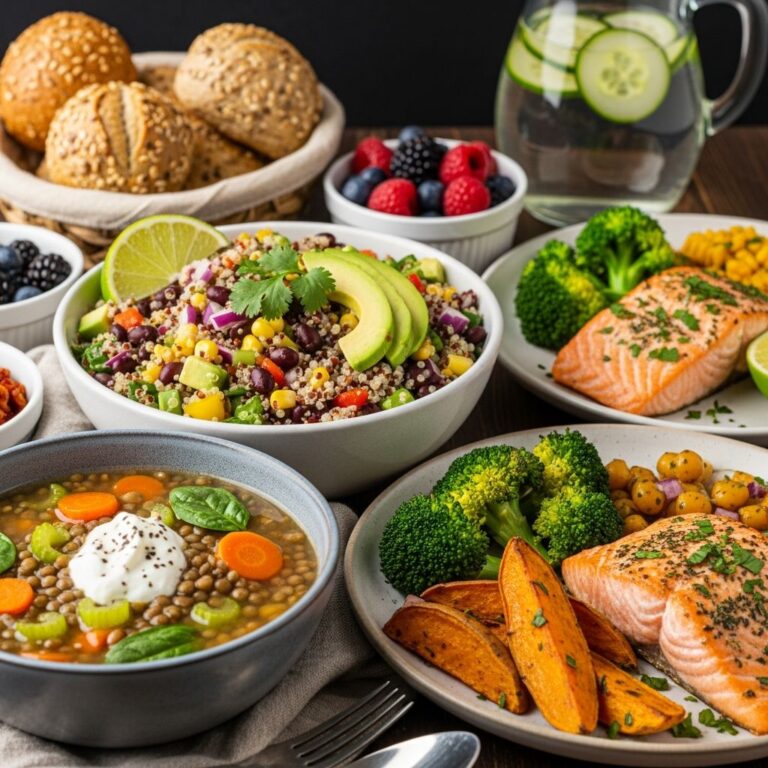
A: Focus on foods supporting cardiovascular and hormonal health: fatty fish high in omega-3s, nuts and seeds containing zinc, whole grains, leafy greens rich in nitrates, and lean proteins. Adequate nutrition supports hormone production and blood vessel function essential for sexual performance.
Summary and Action Steps
Enhancing sexual performance through improved energy requires a comprehensive approach addressing sleep, exercise, alcohol consumption, smoking, stress, and overall lifestyle. Begin by prioritizing quality sleep—this single change often produces noticeable improvements. Add strategic exercise, focusing on both resistance and cardiovascular activity. Moderate alcohol consumption, quit smoking if applicable, and implement stress-reduction techniques. These changes work together, creating cumulative benefits that extend far beyond sexual performance to transform your overall health and vitality.
References
- Sex, Energy, Well-Being and Low Testosterone — PubMed Central. 2019-10-01. https://pmc.ncbi.nlm.nih.gov/articles/PMC6765788/
- The Impact of Stress on Sleep, Energy, and Sex Drive — American Academy of Sleep Medicine and Sleep Research Society. 2015. https://pubmed.ncbi.nlm.nih.gov/
- Lifestyle Changes for ED: Improve Your Sexual Health — Harvard Medical School. 2025. https://wellnessobgyn.com/lifestyle-changes-for-ed/
- Sleep Deprivation and Testosterone Levels — National Center for Biotechnology Information. 2020-03-15. https://pubmed.ncbi.nlm.nih.gov/
- Moderate Alcohol Consumption and Cardiovascular Health — Centers for Disease Control and Prevention. 2024. https://www.cdc.gov/
- Smoking Cessation and Erectile Function Improvement — National Institutes of Health. 2024-06-01. https://www.nih.gov/
Similar Articles








Read full bio of medha deb