Onbrez Breezhaler: Essential COPD Guide For Patients
Comprehensive guide to Onbrez Breezhaler: benefits, dosage, and side effects for COPD management.
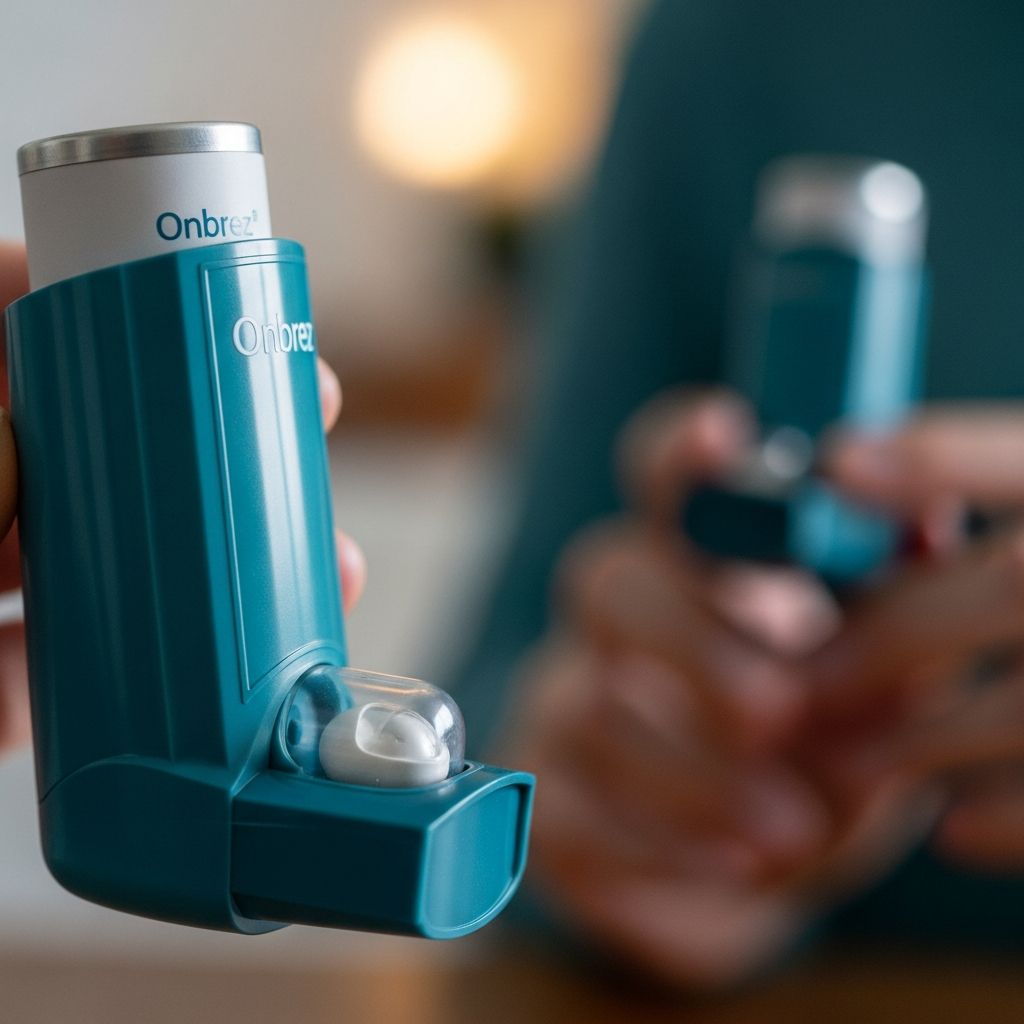
About Indacaterol (Onbrez Breezhaler)
Indacaterol, marketed as Onbrez Breezhaler, is a long-acting beta-2 agonist (LABA) medication prescribed for the long-term maintenance treatment of chronic obstructive pulmonary disease (COPD). This medication is specifically designed for adult patients with airflow obstruction and is available as an inhalation powder delivered through the Breezhaler inhaler device. Onbrez Breezhaler represents an important therapeutic option for managing COPD symptoms and improving quality of life in patients with this serious respiratory condition.
What Is COPD?
Chronic obstructive pulmonary disease (COPD) is a progressive lung disease characterized by persistent airflow obstruction. The condition includes disorders such as chronic bronchitis and emphysema, which involve inflammation and damage to the airways and air sacs in the lungs. COPD causes significant breathing difficulties, including symptoms like wheezing, persistent cough, and shortness of breath. The disease typically develops over many years and significantly impacts daily activities and overall health. Maintenance bronchodilator therapy, such as that provided by Onbrez Breezhaler, helps manage these symptoms and improve lung function in affected individuals.
How Onbrez Breezhaler Works
Onbrez Breezhaler functions as a bronchodilator by activating beta-2 adrenergic receptors in the airways. The medication works by relaxing the smooth muscles in the walls of small air passages throughout the lungs. This relaxation mechanism helps open up narrowed airways, making breathing significantly easier and preventing symptoms such as wheezing and shortness of breath.
Mechanism of Action
At the molecular level, indacaterol stimulates intracellular adenyl cyclase, an enzyme that catalyzes the conversion of adenosine triphosphate (ATP) to cyclic adenosine monophosphate (cyclic AMP). Increased cyclic AMP levels directly cause relaxation of bronchial smooth muscle, leading to bronchodilation. This pharmacological mechanism has been well-established through extensive clinical research and provides the basis for the medication’s therapeutic effectiveness.
Dosage and Administration
The recommended dose of Onbrez Breezhaler is the inhalation of one 150 microgram capsule once daily using the Breezhaler inhaler. For certain patients, particularly those requiring greater bronchodilator effect, a 300 microgram dose is available, also administered once daily. The maximum recommended daily dose is 300 microgram, and doses should not exceed this threshold.
Important dosing considerations include:
- Each capsule contains only one dose and must be used once daily at approximately the same time each day for optimal effectiveness
- The medication is for maintenance therapy only and should not be used for acute exacerbations or as rescue therapy during sudden breathing difficulties
- Patients must use the specific Breezhaler inhalation device correctly to ensure proper drug delivery to the lungs
- The 24-hour bronchodilator effect is maintained consistently throughout the treatment period without evidence of loss of efficacy (tachyphylaxis)
Effectiveness and Clinical Benefits
Lung Function Improvements
Clinical studies demonstrate that Onbrez Breezhaler provides clinically meaningful improvements in lung function at both 150 and 300 microgram doses. The medication shows a rapid onset of action, with improvements occurring within 5 minutes of inhalation. Initial improvements in forced expiratory volume in one second (FEV₁) reach approximately 110-160 ml relative to baseline, which is comparable to the effect of fast-acting beta-2 agonist salbutamol and significantly faster than some combination therapies.
At steady state, mean peak improvements in FEV₁ reach 250-330 ml above baseline. At the 12-week primary endpoint measuring 24-hour trough FEV₁, the 150 microgram dose resulted in a 130-180 ml increase compared to placebo. Both doses of Onbrez Breezhaler showed an additional 40-50 ml increase in lung function when compared to open-label tiotropium 18 microgram daily. Importantly, the 24-hour bronchodilator effect is maintained from the first dose throughout a one-year treatment period, demonstrating sustained efficacy.
Related Stories



Symptom Relief and Quality of Life
Beyond objective lung function measurements, Onbrez Breezhaler provides significant symptomatic benefits that directly improve patients’ quality of life. Both the 150 and 300 microgram doses demonstrated statistically significant improvements in symptom relief over placebo, including reductions in dyspnea (shortness of breath) and improved health status as measured by validated questionnaires such as the Transitional Dyspnoea Index (TDI) and St. George’s Respiratory Questionnaire (SGRQ).
Patients receiving Onbrez Breezhaler treatment experienced:
- Significantly less need for rescue medication compared to placebo
- More days requiring no rescue medication
- Improved percentage of days with no daytime symptoms
- Better overall control of COPD throughout the treatment period
Exacerbation Reduction
A pooled efficacy analysis over 6 months of treatment demonstrated that the rate of COPD exacerbations was statistically significantly lower than the placebo rate. Treatment with 150 microgram showed a rate ratio of 0.68 (95% CI [0.47, 0.98]; p-value 0.036), while the 300 microgram dose showed a ratio of 0.74 (95% CI [0.56, 0.96]; p-value 0.026). These findings indicate that Onbrez Breezhaler not only improves day-to-day symptoms but also reduces the frequency of acute exacerbations that can lead to hospitalization and significant health complications.
Important Precautions and Warnings
Not for Use in Asthma
A critical precaution is that Onbrez Breezhaler is only indicated for COPD and should not be used in asthma. Long-acting beta-2 agonists may increase the risk of asthma-related serious adverse events, including asthma-related deaths, when used for asthma treatment. This important distinction must be understood by both patients and healthcare providers.
Not for Acute Symptoms
Onbrez Breezhaler is not indicated for the relief of acute episodes of bronchospasm or as rescue therapy. Patients experiencing sudden, severe breathing difficulties should use their short-acting rescue inhaler (such as albuterol/salbutamol) rather than Onbrez Breezhaler. If COPD deteriorates during treatment with Onbrez Breezhaler, patients should contact their healthcare provider for reevaluation of their treatment regimen.
Cardiac Considerations
Patients with heart disease should use Onbrez Breezhaler with caution. The medication can cause increased heart rate and blood pressure, as well as rapid or irregular heartbeat or abnormal electrical signals (prolonged QT interval). Patients with conditions such as angina, congestive heart failure, or arrhythmia should discuss with their doctor how this medication may affect their medical condition and whether special monitoring is needed.
In clinical studies, there was no clinically relevant difference in the development of arrhythmic events between patients receiving recommended doses of Onbrez Breezhaler and those receiving placebo or tiotropium. However, long-acting beta-2 agonists should be used with caution in patients with known arrhythmias, metabolic acidosis, hypokalaemia, and hyperglycaemia.
Side Effects and Adverse Reactions
Common Side Effects
While Onbrez Breezhaler is generally well-tolerated, some patients may experience side effects. Common adverse reactions may include tremor, headache, and nervousness due to beta-2 agonist stimulation. These effects are often mild and may diminish with continued use.
Serious Side Effects
Patients should seek immediate medical attention if they experience any of the following serious side effects:
- Bronchospasm with wheezing, coughing, and difficulty breathing
- Breathing problems that worsen quickly
- Symptoms of low potassium levels (muscle weakness, muscle spasms, or abnormal heart rhythm)
- Symptoms of an allergic reaction (fainting from low blood pressure, rash, itching, or swelling of the face and throat)
Some people may experience side effects other than those listed. Patients should check with their doctor if they notice any symptom that concerns them while taking this medication.
Drug Interactions
Indacaterol undergoes metabolism primarily through the cytochrome P450 system, specifically CYP3A4 and P-glycoprotein (P-gp). Potent inhibitors of these pathways may increase indacaterol levels in the body. Studies with verapamil, a prototypic P-gp inhibitor, resulted in 1.4- to 2-fold increases in AUC and 1.5-fold increases in Cmax. Patients taking other medications that inhibit CYP3A4 or P-gp should inform their healthcare provider about concurrent medication use.
Using the Breezhaler Inhaler
The Breezhaler is a specific device designed for delivering indacaterol and is not intended to be used as a rescue inhaler. Proper technique is essential for effective medication delivery. Patients should receive training from their healthcare provider on correct Breezhaler use, which involves inserting the capsule, piercing it, and inhaling the powder deeply into the lungs. Patients should never swallow the capsules whole, as the medication must be inhaled to reach the lungs where it exerts its therapeutic effect.
Storage and Handling
Onbrez Breezhaler capsules should be stored in a cool, dry place as specified in the product information. The capsules should only be removed from their blister packaging immediately before use. The Breezhaler device should be kept clean and dry, and patients should follow the manufacturer’s instructions for device maintenance and cleaning to ensure proper function.
When to Contact Your Doctor
Patients should contact their healthcare provider in the following situations:
- If breathing becomes significantly worse despite regular use of Onbrez Breezhaler
- If they experience chest pain or persistent palpitations
- If symptoms of an allergic reaction develop
- If they experience signs of low blood potassium
- If they need to use rescue medication more frequently than usual
- If they have questions about whether Onbrez Breezhaler is appropriate for their condition
- Before starting any new medications, supplements, or herbal products
Frequently Asked Questions
Q: How quickly does Onbrez Breezhaler start working?
A: Indacaterol can start to work within 5 minutes of inhalation, with its effects lasting up to 24 hours. This allows for convenient once-daily dosing and relatively quick symptom relief.
Q: Can I use Onbrez Breezhaler for sudden breathing problems?
A: No. Onbrez Breezhaler is a maintenance medication, not a rescue inhaler. You should not use it for acute exacerbations or sudden breathing difficulties. Instead, use your prescribed short-acting rescue inhaler for these situations and contact your doctor immediately.
Q: Is Onbrez Breezhaler safe to use with asthma?
A: No. Onbrez Breezhaler is indicated only for COPD and should not be used in patients with asthma. Long-acting beta-2 agonists may increase the risk of serious asthma-related adverse events when used for asthma treatment.
Q: Can I adjust my dose of Onbrez Breezhaler?
A: No. You should not adjust your dose without consulting your doctor. The maximum recommended dose is 300 microgram daily, and dose increases beyond this level are not appropriate. Any dose changes should only be made by your healthcare provider.
Q: What should I do if I miss a dose?
A: If you miss a dose, take it as soon as you remember, unless it is almost time for your next scheduled dose. Do not double-dose to make up for a missed dose. Take your next dose at the regularly scheduled time.
Q: Does Onbrez Breezhaler lose effectiveness over time?
A: No. Clinical studies show that the 24-hour bronchodilator effect of Onbrez Breezhaler is maintained from the first dose throughout a one-year treatment period with no evidence of loss in efficacy (tachyphylaxis).
Q: Can I use Onbrez Breezhaler if I have heart problems?
A: Patients with heart disease should use Onbrez Breezhaler with caution and discuss it with their doctor first. The medication can affect heart rate and rhythm, so special monitoring may be needed if you have conditions like angina, heart failure, or arrhythmia.
References
- Onbrez Breezhaler 300 microgram inhalation powder (hard capsules) — Medicines and Healthcare products Regulatory Agency (MHRA). 2024. https://www.medicines.org.uk/emc/product/601/smpc
- Onbrez Breezhaler, INN-indacaterol — European Commission Health & Food Safety. 2021. https://ec.europa.eu/health/documents/community-register/2021/20211213154234/anx_154234_en.pdf
- Onbrez Breezhaler – Uses, Side Effects, Interactions — MedBroadcast. 2025. https://medbroadcast.com/drug/getdrug/onbrez-breezhaler
- Onbrez Breezhaler Product Monograph — Health Canada. 2024. https://pdf.hres.ca/dpd_pm/00060396.PDF
- ONBREZ® BREEZHALER – Patient Information — Novartis Canada. 2024. https://www.novartis.com/ca-en/sites/novartis_ca/files/onbrez%20breezhaler_patient_e.pdf
- Indacaterol – Onbrez — Healthify New Zealand. 2025. https://healthify.nz/medicines-a-z/i/indacaterol
- Breezhaler — Canadian Lung Association. 2025. https://www.lung.ca/lung-health/how-use-your-inhaler/breezhaler
Similar Articles








Read full bio of Sneha Tete