Indapamide Tablets: 6 Essential Facts About Natrilix SR
Comprehensive guide to Natrilix SR: uses, dosage, side effects, and precautions for managing high blood pressure effectively.
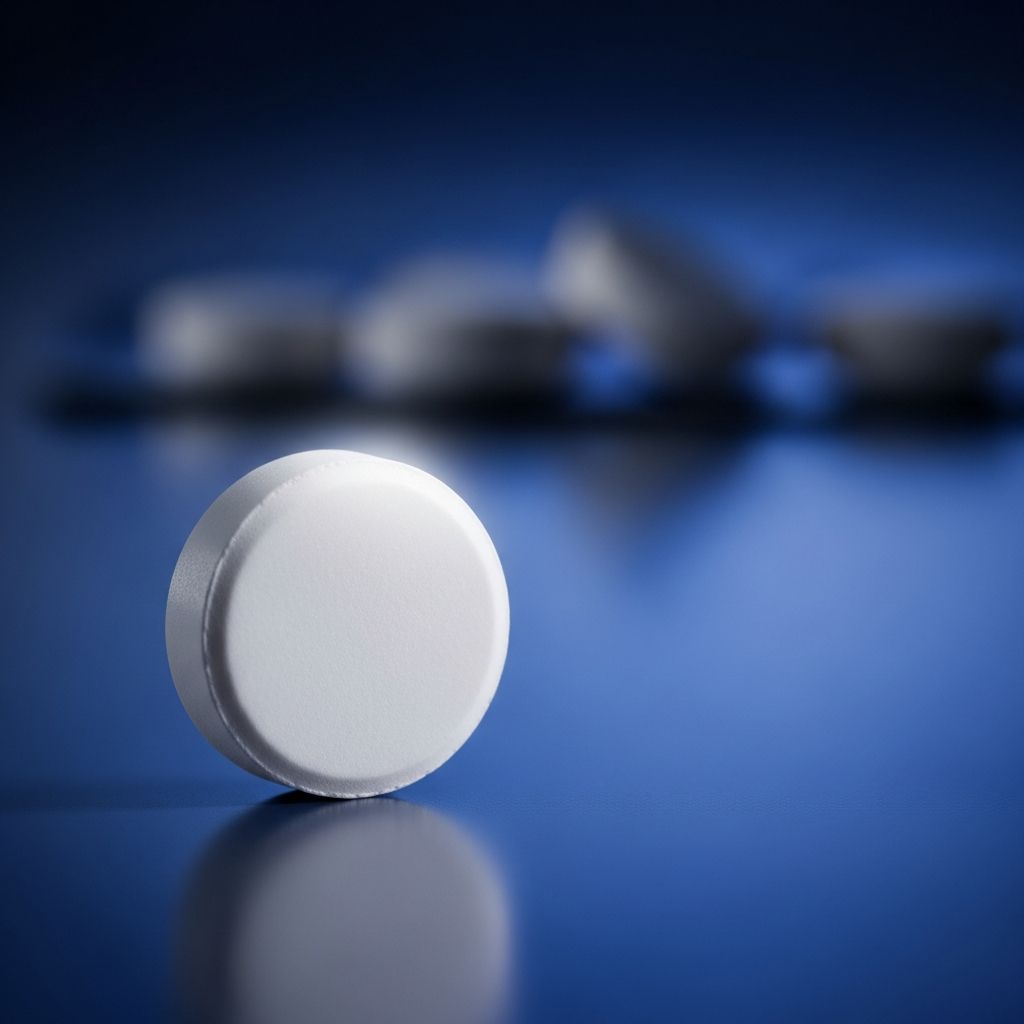
Indapamide, marketed as Natrilix SR, is a prolonged-release tablet used primarily to treat high blood pressure (hypertension) in adults. Unlike typical diuretics that significantly boost urine production, indapamide causes only a mild increase while also relaxing blood vessels to improve blood flow and lower pressure effectively.
About Indapamide Tablets
Indapamide belongs to the thiazide-like diuretic class. It helps manage hypertension by promoting slight sodium and water excretion through the kidneys, reducing fluid volume in blood vessels. Additionally, it dilates vessels, easing blood passage. This dual action makes it suitable for long-term blood pressure control, often as monotherapy or combined with other antihypertensives.
High blood pressure increases heart workload and risks like stroke, heart attack, and kidney issues. Regular use of Natrilix SR helps mitigate these by maintaining steady pressure reduction over 24 hours or more, with effects lingering up to two weeks post-discontinuation.
The sustained-release formulation ensures once-daily dosing, typically in the morning, swallowed whole without chewing or crushing to preserve the release mechanism.
Key Facts About Indapamide
- Drug Type: Thiazide-like diuretic with vasodilatory properties.
- Primary Use: Essential hypertension in adults.
- Dosage Form: 1.5 mg prolonged-release film-coated tablets.
- Administration: One tablet daily, preferably morning, with or without food.
- Onset: Blood pressure lowering lasts 24+ hours; full effects may take weeks.
- Monitoring: Regular blood tests for electrolytes, kidney function, and urea.
When Not to Take Indapamide (Contraindications)
Natrilix SR is not suitable for everyone. Avoid it if you have:
- Severe renal failure, anuria, or severe oliguria.
- Hepatic coma, encephalopathy, or severe liver impairment.
- Known hypersensitivity to indapamide, sulfonamides, or excipients.
- Hypokalaemia (low potassium).
Caution in elderly patients: Adjust creatinine for age, weight, gender; safe if renal function is normal or mildly impaired.
Indapamide and Pregnancy/Breastfeeding
Indapamide is not recommended during pregnancy due to potential fetal risks like oligohydramnios and neonatal complications. Breastfeeding mothers should avoid it as it passes into milk and may inhibit lactation. Consult your doctor for alternatives if planning pregnancy.
How and When to Take Indapamide
Follow your doctor’s instructions precisely. Standard dose: one 1.5 mg tablet daily, taken in the morning to avoid nighttime urination. Swallow whole with water; do not crush or chew.
| Patient Group | Recommended Dose | Notes |
|---|---|---|
| Adults | 1 tablet (1.5 mg) once daily | Morning intake; lifelong for hypertension. |
| Elderly | 1 tablet once daily | Monitor renal function closely. |
| Renal Impairment (mild) | 1 tablet once daily | Discontinue if azotaemia/oliguria worsens. |
Missed Dose: Take the next dose at usual time; do not double up.
Illness Advice: Stop for 1-2 days if vomiting, severe diarrhea, or fever causes dehydration; resume when eating/drinking normally.
Treatment is typically lifelong; discuss stopping with your doctor.
Precautions and Monitoring
Regular check-ups are essential. Your doctor may order blood/urine tests for:
- Electrolyte imbalances (low sodium, potassium, chloride; high calcium, uric acid).
- Kidney function (urea, creatinine).
- Liver enzymes if relevant.
Watch for dehydration signs: dry mouth, thirst, weakness, cramps, dizziness, nausea. Elderly and those on digitalis are at higher hypokalaemia risk.
Driving/Activities: May cause dizziness or tiredness initially; avoid operating machinery until effects are known.
Related Stories



Interactions with Other Medicines
Inform your doctor of all medications. Key interactions include:
- Lithium: Contraindicated; increases lithium toxicity.
- Potassium-Depleting Drugs: (e.g., laxatives, corticosteroids) heighten hypokalaemia risk.
- Antihypertensives: Additive effects; monitor blood pressure.
- Metformin: Risk of lactic acidosis if creatinine >12 mg/L.
- Iodinated Contrast: Hydrate well to prevent nephrotoxicity.
- Baclofen: Enhanced hypotensive effect; check renal function.
Possible Side Effects
Most people tolerate indapamide well, but side effects occur. Stop and seek immediate help for severe reactions.
Serious (Rare):
- Allergic reactions: rash, swelling, breathing difficulty.
- Electrolyte imbalance: confusion, seizures, irregular heartbeat.
- Acute angle-closure glaucoma: vision loss, eye pain (discontinue promptly).
Common (up to 1 in 10): Hypokalaemia (25% in trials), dizziness, headache, dry mouth, fatigue, muscle cramps, gastrointestinal upset.
Other: Skin reactions (photosensitivity), elevated cholesterol/triglycerides (mild), impotence (uncommon).
In trials: Hypokalaemia <3.4 mmol/L in 25%, <3.2 in 10%; mean potassium drop 0.41 mmol/L after 12 weeks.
Overdose
Symptoms: Nausea, vomiting, hypotension, cramps, drowsiness, confusion, polyuria/oliguria, possible anuria or hepatic coma in cirrhosis. Treatment: Supportive—fluids, electrolytes, monitor vitals. No specific antidote.
Long-Term Use and Effects
Safe for extended use with monitoring. Does not significantly alter lipids (triglycerides, LDL, HDL). Slight uricosuric effect may help gout but monitor uric acid.
In renal impairment, plasma levels rise but one tablet/day is generally safe unless severe.
Frequently Asked Questions (FAQs)
Q: Can I take Natrilix SR at night?
A: No, take in the morning to prevent nighttime urination.
Q: Does indapamide cause weight loss?
A: Mild initial loss from diuresis, but not for weight control.
Q: Is it safe for diabetics?
A: Use cautiously; monitor blood sugar and electrolytes.
Q: What if I experience muscle cramps?
A: Likely low potassium; contact doctor for blood tests.
Q: Can I drink alcohol while taking it?
A: Limit alcohol; it may enhance dizziness or dehydration.
Q: How long until it lowers blood pressure?
A: Effects start within days, optimal in 4-8 weeks.
Always consult healthcare professionals for personalized advice. This information supports but does not replace medical guidance.
References
- Australian Product Information – NATRILIX® SR (Indapamide hemihydrate) — Servier Laboratories. 2023. https://rss.medsinfo.com.au/se/pi.cfm?product=sepnatsr
- Natrilix SR 1.5 mg Tablets – Patient Information Leaflet — electronic Medicines Compendium (emc). 2024-01-15. https://www.medicines.org.uk/emc/product/1152/pil
- How and when to take indapamide — National Health Service (NHS). 2024. https://www.nhs.uk/medicines/indapamide/how-and-when-to-take-indapamide/
- Indapamide (oral route) – Description and Precautions — Mayo Clinic. 2025-06-01. https://www.mayoclinic.org/drugs-supplements/indapamide-oral-route/description/drg-20064293
- Indapamide — NHS Medicines Information. 2024. https://www.nhs.uk/medicines/indapamide/
- Benefits and Side Effects of Indapamide — Poison Control. 2023-11-20. https://www.poison.org/articles/benefits-and-side-effects-of-indapamide-184
Similar Articles








Read full bio of medha deb