Indigestion: Causes, Symptoms, and Treatment Options
Complete guide to understanding indigestion, its causes, symptoms, and effective management strategies.
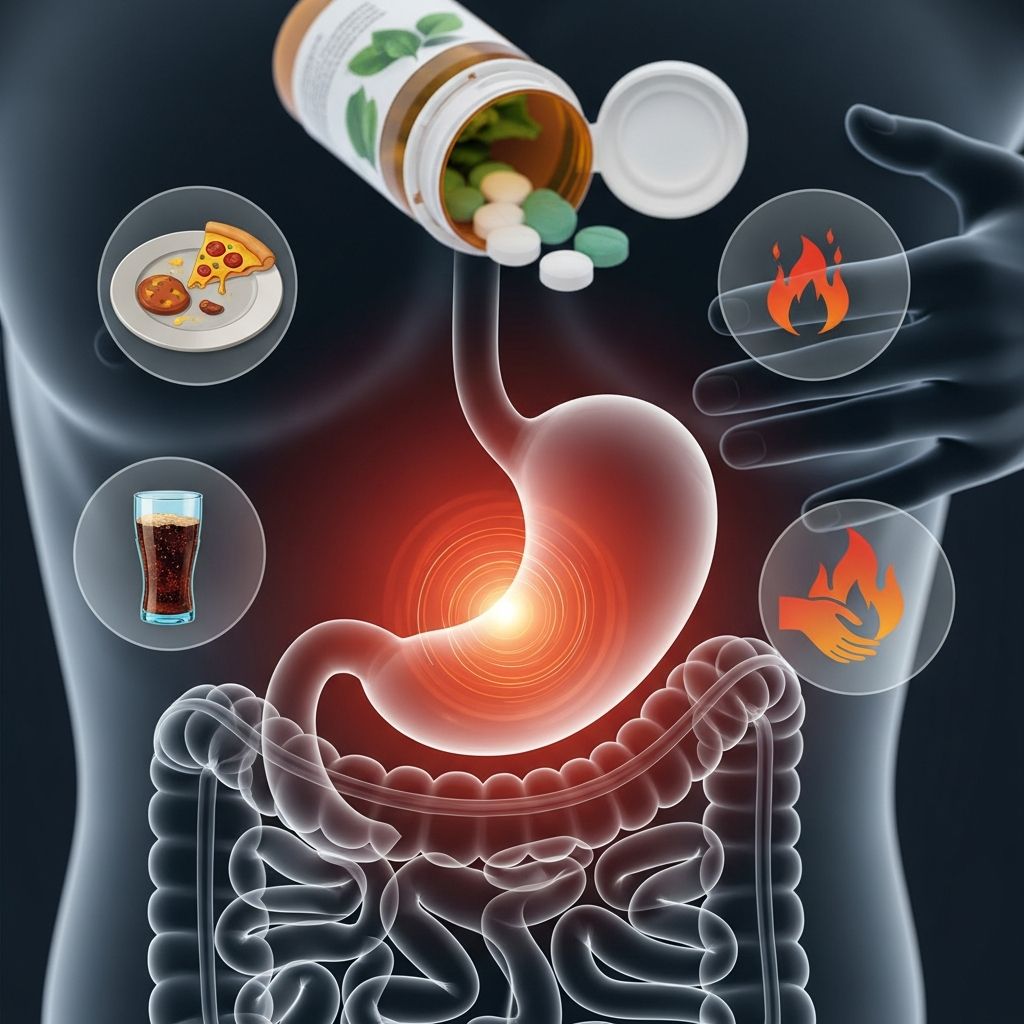
Understanding Indigestion (Dyspepsia)
Indigestion, medically known as dyspepsia, is a common digestive condition characterized by discomfort or pain in the upper abdomen. This condition affects millions of people worldwide and is often experienced after eating. While occasional indigestion is typically not serious and can be managed with over-the-counter remedies, chronic indigestion may indicate an underlying medical condition that requires professional evaluation and treatment.
What is Indigestion?
Indigestion refers to discomfort in the upper abdomen that occurs during or shortly after eating. The condition manifests as a burning sensation, bloating, or a feeling of fullness that may persist long after completing a meal. Most people experience indigestion at some point in their lives, and it typically resolves on its own without medical intervention. However, when indigestion becomes frequent or severe, it warrants medical attention to rule out underlying conditions.
Common Symptoms of Indigestion
The symptoms of indigestion vary from person to person but commonly include the following manifestations:
– Burning pain or discomfort in the upper abdomen- A feeling of fullness during meals or shortly after eating- Bloating and abdominal distension- Nausea and loss of appetite- Belching and gas- Regurgitation of food or liquids- Heartburn sensation
These symptoms typically appear within minutes to a few hours after consuming a meal. It normally takes three to five hours for the stomach to digest food before passing it to the small intestine. During this digestive process, the pancreas and gallbladder release enzymes and bile to help break down food in the same area where indigestion discomfort tends to occur.
Important Note: Sometimes, a heart attack can present symptoms similar to indigestion, a condition known as a silent heart attack. If you experience indigestion accompanied by chest pain, shortness of breath, severe sweating, or pain radiating to your arm or jaw, seek emergency medical care immediately.
Causes of Indigestion
Indigestion can result from various factors, ranging from dietary habits to underlying medical conditions. Understanding the cause is essential for effective management and long-term relief.
Occasional Indigestion
Occasional indigestion frequently stems from dietary choices and eating habits. Consuming large meals, particularly those rich in fatty or greasy foods, requires more digestive effort from your body. These meals trigger increased acid production and stronger stomach contractions, along with increased activity from the gallbladder and pancreas. This extra digestive activity can irritate your digestive tract and cause temporary discomfort that resolves once digestion is complete.
Chronic Indigestion
When indigestion occurs regularly, it may be associated with an underlying digestive condition. Chronic indigestion can result from acid-related diseases such as gastroesophageal reflux disease (GERD) or peptic ulcer disease. When symptoms like heartburn, regurgitation, or excessive belching accompany dyspepsia, GERD is often the underlying cause. If nausea, early fullness, or bloating are present, peptic ulcer disease may be responsible.
When medical testing rules out acid-related disease, the diagnosis is often functional dyspepsia—a condition where overly sensitive gut nerves misinterpret normal digestion as pain or discomfort.
Specific Dietary Triggers
Certain foods and beverages commonly trigger indigestion symptoms and should be identified and managed:
Related Stories



– Fatty, greasy, or fried foods- Spicy foods- Acidic foods such as tomatoes, citrus fruits, and vinegar- Caffeine-containing beverages like coffee and tea- Chocolate- Alcohol- Carbonated drinks- Large or heavy meals consumed quickly
Lifestyle and Health Factors
Several lifestyle factors and health conditions increase your susceptibility to indigestion:
– Smoking and tobacco use- Excessive stress and anxiety- Being overweight or obese- Pregnancy-related hormonal changes- Certain medications, including nonsteroidal anti-inflammatory drugs (NSAIDs) like aspirin and ibuprofen- Helicobacter pylori (H. pylori) bacterial infection- Certain antibiotics and iron supplements- Corticosteroids and GLP-1 receptor agonists used for diabetes or obesity- Hiatus hernia, where part of the stomach moves into the chest
Diagnosis of Indigestion
If your indigestion is mild or occurs only occasionally, you likely do not need a formal diagnosis. However, if symptoms are frequent, severe, or interfering with your daily activities, professional medical evaluation is recommended.
Initial Assessment
Your healthcare provider will begin with a comprehensive evaluation that includes:
– Detailed questions about your symptoms, including when they occur and what triggers them- Information about your medical history and current medications- Assessment of your lifestyle factors such as diet, smoking, and stress levels- Physical examination of your abdomen
Diagnostic Tests
Depending on your symptoms and initial assessment, your provider may recommend various tests:
– Endoscopy to visualize the stomach and esophagus- Upper gastrointestinal imaging studies- H. pylori testing through breath, stool, or blood tests- Gastric emptying studies to assess how quickly your stomach processes food- Esophageal pH monitoring to measure acid exposure
In some cases, your provider may prescribe acid-blocking medication initially to determine if symptoms are related to stomach acid. If the medication provides relief, acid-related issues are likely responsible. If it does not help or if you develop concerning symptoms, further testing may be necessary to identify underlying conditions.
Treatment and Management Strategies
Treatment for indigestion depends on the underlying cause and severity of symptoms. Most cases can be effectively managed through a combination of lifestyle modifications and, when necessary, medications.
Lifestyle and Dietary Modifications
For mild or occasional indigestion, simple lifestyle changes often provide significant relief:
– Eat smaller, more frequent meals (five to six small meals daily instead of three large meals)- Avoid fatty, acidic, or spicy foods- Eliminate or reduce caffeine and alcohol consumption- Quit smoking and avoid tobacco products- Manage stress through relaxation techniques, meditation, or counseling- Maintain a healthy weight through balanced diet and regular exercise- Avoid eating close to bedtime; wait at least two to three hours after eating before lying down- Elevate the head of your bed slightly to prevent acid reflux during sleep
Over-the-Counter Medications
For occasional indigestion, several over-the-counter options can provide relief:
– Antacids that neutralize stomach acid and provide rapid symptom relief- Proton pump inhibitors (PPIs) such as omeprazole (Prilosec OTC), lansoprazole (Prevacid 24 HR), and esomeprazole (Nexium 24HR)- H-2-receptor blockers including cimetidine (Tagamet HB), famotidine (Pepcid AC), and nizatidine (Axid AR)
Prescription Medications
For chronic or persistent indigestion, your healthcare provider may prescribe:
– Prescription-strength proton pump inhibitors for long-term acid suppression- H-2-receptor blockers at higher doses- Prokinetics such as metoclopramide (Reglan) or bethanechol (Urecholine), which help the stomach empty faster and strengthen the valve between the stomach and esophagus- Antibiotics combined with acid-reduction medicines if H. pylori infection is detected
Functional Dyspepsia Treatment
When indigestion has no identifiable organic cause (functional dyspepsia), treatment may involve a combination approach:
– Low-dose antidepressants to help with gut nerve sensitivity- Stress management and psychological therapy- Dietary adjustments and meal timing modifications- Probiotics or other gut-directed therapies- Trial and error to identify the most effective treatment combination for your individual situation
When to Seek Medical Care
While most indigestion cases are harmless, certain situations warrant professional medical evaluation:
– Indigestion that occurs frequently or persists despite over-the-counter treatments- Symptoms that are severe or significantly interfere with daily activities- Need for frequent antacid use without long-term management plan- New or concerning symptoms developing alongside indigestion- Current treatment becoming ineffective
Red-flag symptoms requiring emergency care include:
– Severe chest pain or pressure- Difficulty breathing or shortness of breath- Severe sweating- Pain radiating to the arm, neck, or jaw- Persistent vomiting or vomiting blood- Black or tarry stools- Unexplained weight loss- Difficulty swallowing
Prognosis and Long-Term Outlook
Most causes of indigestion are treatable, though not all are curable. Depending on the underlying issue, you may need occasional treatment, daily management, or long-term therapy. Acid-reducing medications are often effective, but they may have side effects, requiring collaboration with your healthcare provider to find the optimal treatment balance.
Chronic indigestion can affect your quality of life and create anxiety about eating. However, with proper diagnosis, appropriate treatment, and lifestyle modifications, most people find significant relief and can resume normal activities.
Frequently Asked Questions
What is the difference between indigestion and acid reflux?
Indigestion refers to discomfort in the upper abdomen, while acid reflux (GERD) specifically involves stomach acid backing up into the esophagus. Acid reflux can cause indigestion, but indigestion can occur without reflux. When heartburn, regurgitation, or belching accompany dyspepsia, GERD is often the underlying cause.
Can indigestion be prevented?
While not all indigestion can be prevented, you can reduce your risk by avoiding trigger foods, eating smaller meals more frequently, managing stress, maintaining a healthy weight, and avoiding smoking and excessive alcohol consumption.
Is it safe to use antacids regularly?
If you find yourself regularly needing antacids, you should consult with a healthcare provider to develop a longer-term management plan. Chronic antacid use may mask underlying conditions and isn’t appropriate for long-term symptom management.
How long does indigestion typically last?
Occasional indigestion symptoms usually resolve within a few hours once digestion is complete. Chronic indigestion may require ongoing management with lifestyle modifications and medications to maintain symptom relief.
What should I eat if I have indigestion?
Focus on bland, easily digestible foods such as crackers, rice, bananas, applesauce, lean proteins, and vegetables prepared without added fat. Avoid fatty, spicy, acidic, and caffeinated foods that commonly trigger symptoms.
Conclusion
Indigestion is a common condition affecting millions of people, with symptoms ranging from mild occasional discomfort to chronic pain significantly impacting quality of life. While occasional indigestion often results from dietary choices and resolves quickly, persistent or severe symptoms may indicate an underlying medical condition requiring professional evaluation. Your digestive system is complex, and an experienced healthcare provider can help identify the cause of your symptoms and guide you toward effective relief. Whether through lifestyle modifications, dietary adjustments, or medications, most cases of indigestion are treatable, allowing you to enjoy meals and daily activities without significant discomfort.
References
- Indigestion (Dyspepsia): What It Is, Symptoms & Causes — Cleveland Clinic. 2025-03-18. https://my.clevelandclinic.org/health/symptoms/7316-indigestion-dyspepsia
- Indigestion – Symptoms and Causes — Mayo Clinic. https://www.mayoclinic.org/diseases-conditions/indigestion/symptoms-causes/syc-20352211
- Indigestion – Diagnosis and Treatment — Mayo Clinic. https://www.mayoclinic.org/diseases-conditions/indigestion/diagnosis-treatment/drc-20352215
- Indigestion — NHS. https://www.nhs.uk/conditions/indigestion/
- Symptoms & Causes of Indigestion — National Institute of Diabetes and Digestive and Kidney Diseases (NIDDK). https://www.niddk.nih.gov/health-information/digestive-diseases/indigestion-dyspepsia/symptoms-causes
- Indigestion: Symptoms, Causes, Prevention and Treatments — HSE (Health Service Executive Ireland). https://www2.hse.ie/conditions/indigestion/
- Indigestion — UCSF Department of Surgery. https://surgery.ucsf.edu/condition/indigestion
Similar Articles








Read full bio of Sneha Tete