Indoor Tanning 101: Do You Know the Risks?
Uncover the hidden dangers of indoor tanning and why it's a leading cause of skin cancer, especially among young adults.
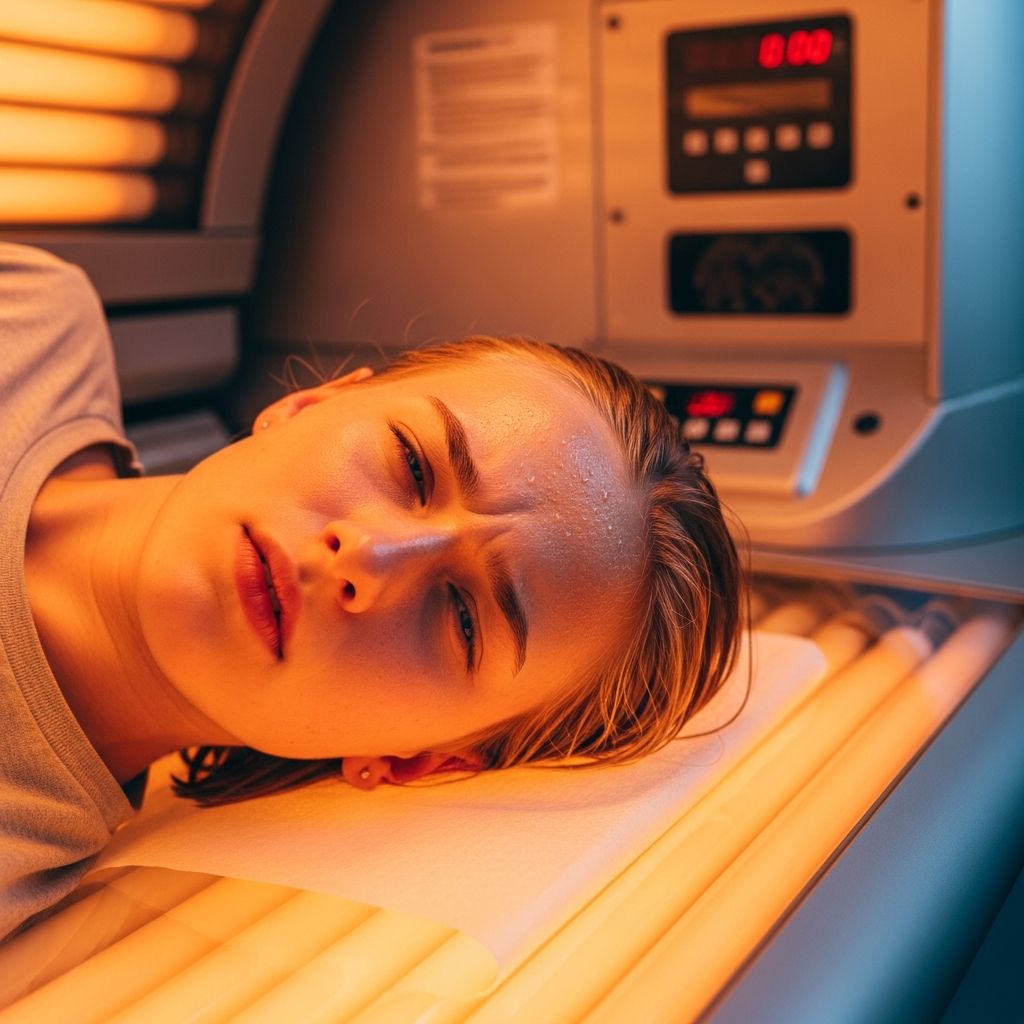
Indoor tanning has long been marketed as a safe, convenient way to achieve a golden glow without sun exposure. However, mounting scientific evidence reveals it as one of the most preventable risk factors for skin cancer. Tanning beds emit concentrated ultraviolet (UV) radiation, primarily UVA rays, which penetrate deep into the skin, causing DNA damage that accumulates over time. This article breaks down the myths, statistics, and biological impacts of indoor tanning, urging readers to reconsider this harmful practice.
What Is Indoor Tanning?
Indoor tanning involves artificial UV light sources like tanning beds, booths, lamps, and spray tans. Traditional tanning beds use fluorescent lamps to mimic sunlight, emitting UVA (95%) and UVB rays. Modern beds claim ‘safer’ UVA-focused radiation, but this is misleading—UVA penetrates deeper, contributing to premature aging and cancer. The World Health Organization (WHO) classifies tanning equipment as a Group 1 carcinogen, equivalent to tobacco and asbestos.
Usage peaks among young women: about 8% of U.S. high school girls tan indoors annually, often multiple times weekly. Despite bans for minors in 21 states, millions continue, driven by beauty standards and social media influencers promoting bronzed skin.
The Science Behind UV Damage from Tanning Beds
UV radiation from tanning beds damages skin cell DNA, leading to mutations. UVA rays, dominant in beds, cause indirect damage via free radicals, while UVB causes direct DNA breaks. A single session delivers UV doses equivalent to or exceeding midday sun exposure.
- Tanning beds emit up to 12 times more UVA than natural sunlight.
- Radiation levels can surpass those causing sunburn outdoors.
- Cumulative exposure builds mutations, especially in melanocytes (pigment cells).
Recent molecular studies show tanning bed users have higher mutation burdens in skin not typically sun-exposed, like the back, explaining atypical melanoma sites. Young tanners exhibit genetic aging akin to much older sun-exposed skin.
Skin Cancer Risks: The Alarming Statistics
Indoor tanning dramatically elevates skin cancer odds. Skin cancer is the most common U.S. cancer, with over 5 million cases yearly.
| Cancer Type | Risk Increase from Indoor Tanning | Source |
|---|---|---|
| Melanoma | 20% per session; 59-75% if before age 35 | AAD, Science Advances |
| Squamous Cell Carcinoma | 58-67% | AAD, Meta-analysis |
| Basal Cell Carcinoma | 24-29% | AAD, Meta-analysis |
Melanoma, the deadliest, kills ~10,000 Americans yearly. It’s the top cancer for women 25-29. Tanning before 35 raises lifetime risk by 59%; young women under 30 face sixfold odds. One study found 97% of women diagnosed with melanoma before 30 had tanned indoors.
Non-melanoma cancers, though less fatal, disfigure and recur. Tanning users are 2.5x likelier for squamous cell and 1.5x for basal cell.
Who Is Most at Risk?
Young females bear the brunt: higher melanoma rates correlate with tanning trends. Sexual minority males also show elevated use and risk. Adolescents starting early face compounded damage as skin repairs less efficiently.
- 47% melanoma risk increase before age 20.
- 75%+ if first use before 35.
- Over 75% of tanning high schoolers report sunburns, amplifying harm.
Related Stories



Fair-skinned individuals, those with moles, or family history face exponential risks. Even occasional use adds up—no ‘safe’ threshold exists.
Beyond Cancer: Other Health Dangers
Indoor tanning causes more than cancer. Acute effects include severe burns, eye damage (cataracts, macular degeneration without goggles), and immune suppression.
Chronic issues: premature wrinkles, leathery texture, age spots—photoaging accelerates 2-3x faster. Tanning addicts risk addiction via endorphin release, mirroring substance dependency.
Common Myths About Indoor Tanning Debunked
- Myth: Tanning beds are safer than sun. Fact: Beds concentrate UVA, linked equally to cancer.
- Myth: Base tans protect skin. Fact: No tan is safe; it signals DNA damage.
- Myth: Newer beds emit harmless UVB. Fact: All UV causes harm; WHO bans classify all devices.
- Myth: Spray tans are risk-free alternative. Fact: DHA in sprays is skin-surface only but may pose inhalation risks; no UV, but not protective.
Legal and Regulatory Landscape
Progress includes minor bans in many states, FDA reclassification as ‘high-risk’ devices. Yet, enforcement lags; salons skirt rules. Globally, Australia and Brazil ban commercial tanning. Public health campaigns cut U.S. usage 50% since 2010, averting thousands of cases.
Safer Alternatives to Achieve a Glow
- Sunless tanners: Lotions, mousses with DHA for natural color without UV.
- Bronzers: Temporary makeup washes off.
- Self-tanners: Gradual buildup mimics tan safely.
Embrace your natural skin tone—health trumps trends. Use broad-spectrum SPF 30+ outdoors.
Frequently Asked Questions (FAQs)
Is there a safe way to tan indoors?
No. All UV tanning damages DNA. Opt for sunless products.
How soon after starting tanning do risks appear?
Risks begin with first use: 20% melanoma boost per session, cumulative thereafter.
Can indoor tanning cause cancer on covered body parts?
Yes, beds expose full body, mutating non-sun areas like torso, raising atypical melanomas.
Are tanning beds regulated?
FDA deems them high-risk, but many operate freely. Check local minor bans.
What if I’ve tanned before—too late to stop?
Never too late. Quitting halts further damage; screen annually for early detection.
Take Action: Protect Your Skin Today
Forego tanning beds—risks far outweigh aesthetics. Educate friends, support bans, prioritize prevention. Regular checks save lives; skin cancer caught early is 99% curable.
References
- Indoor tanning – American Academy of Dermatology — AAD. 2023. https://www.aad.org/media/stats-indoor-tanning
- Molecular effects of indoor tanning — Science Advances. 2023-10-27. https://www.science.org/doi/10.1126/sciadv.ady4878
- The Link Between Tanning Beds and Skin Cancer — Dr. Alysa Herman. 2023. https://www.dralysaherman.com/articles/the-link-between-tanning-beds-and-skin-cancer/
- Tanning – The Skin Cancer Foundation — Skin Cancer Foundation. 2025. https://www.skincancer.org/risk-factors/tanning/
- Just the Facts: Indoor Tanning — Prevent Cancer Foundation. 2020-01-10. https://www.fightcancer.org/sites/default/files/Just%20the%20Facts%20-%20Indoor%20Tanning%2001.10.20.pdf
Similar Articles








Read full bio of Sneha Tete