Indoramin: A Complete Guide To Uses, Dosage, And Side Effects
Comprehensive guide to Indoramin: uses for prostate enlargement, hypertension management, dosage, side effects, and precautions.
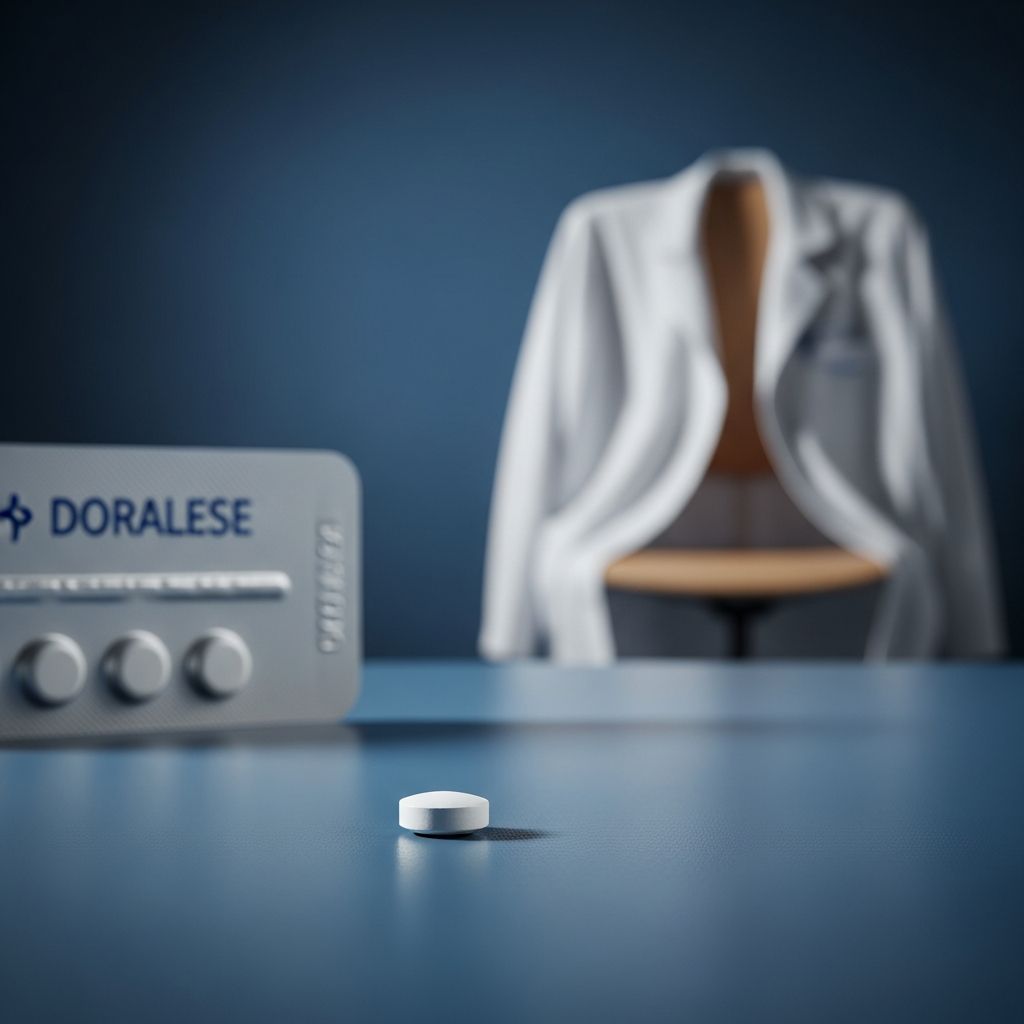
Indoramin, also known by the brand name Doralese, is a medication classified as an alpha-blocker. It is primarily prescribed to alleviate symptoms associated with prostate gland enlargement in men and to manage high blood pressure (hypertension) in affected individuals. By blocking specific nerve impulses, indoramin relaxes muscles in the prostate and bladder neck, improving urine flow, and relaxes blood vessels to lower blood pressure.
About indoramin
Indoramin belongs to the class of medicines known as alpha-blockers. These drugs work by inhibiting the action of certain nerve impulses sent to the muscles. This mechanism proves beneficial in two key medical conditions: controlling symptoms of benign prostatic hyperplasia (BPH), where the prostate gland enlarges and obstructs urine flow, and reducing elevated blood pressure levels in hypertension patients.
| Type of medicine | An alpha-blocker |
|---|---|
| Used for | Enlargement of the prostate gland; hypertension (high blood pressure) |
| Also called | Doralese® (for prostate gland enlargement) |
| Available as | Tablets (20 mg for prostate issues, 25 mg for hypertension) |
Available in tablet form, indoramin comes in different strengths: 20 mg tablets are typically for prostate-related issues, while 25 mg tablets target hypertension. It is a selective alpha-1 adrenergic antagonist, meaning it specifically targets alpha-1 receptors without causing reflex tachycardia, and it has some direct myocardial depressant effects. This selective action helps in relaxing smooth muscles in blood vessels and the prostate without significantly increasing heart rate.
Indoramin was once widely used but has been discontinued in some markets; however, it remains relevant where available, particularly for patients who respond well to it. Its use requires careful monitoring due to potential sedative effects.
Key facts about indoramin
- Primary uses: Relieves urinary symptoms from prostate enlargement (BPH) and lowers blood pressure in hypertension.
- How it works: Blocks alpha-1 receptors, leading to muscle relaxation in prostate, bladder neck, and blood vessels.
- Dosage forms: 20 mg tablets for BPH; 25 mg for hypertension.
- Onset: Effects on prostate symptoms may be noticed within days to weeks; blood pressure reduction occurs gradually.
- Alcohol warning: Avoid alcohol as it enhances drowsiness and affects absorption.
Before taking indoramin
Before commencing indoramin therapy, it is crucial to inform your doctor about your full medical history and current medications to avoid contraindications or complications. Certain conditions necessitate extra caution or alternative treatments.
Tell your doctor if:
- You are pregnant, trying to conceive, or breastfeeding. Although primarily used in men, this is relevant for partners or general advice.
- You experience dizziness or fainting upon standing (orthostatic hypotension) or after urination.
- You are scheduled for cataract surgery, as alpha-blockers like indoramin can cause intraoperative floppy iris syndrome (IFIS).
- You have liver or kidney impairment, which may require dose adjustments.
- You have heart failure, epilepsy, Parkinson’s disease, or a history of depression.
- You have allergies to any medications.
- You are taking other drugs, including over-the-counter, herbal remedies, or those for blood pressure (e.g., diuretics, beta-blockers), MAOIs for depression, or medications that lower blood pressure.
Related Stories



Indoramin is contraindicated with monoamine oxidase inhibitors (MAOIs) due to risks of severe interactions like deep sedation or irregular heartbeat. Interactions with calcium channel blockers, opioids, or other antihypertensives can amplify hypotensive effects. Patients with lactose intolerance should note that indoramin tablets contain lactose.
How to take indoramin
Always follow your doctor’s instructions and read the patient information leaflet (PIL) provided with the medication. Swallow tablets whole with water, preferably after meals to reduce stomach upset.
Dosage guidelines:
- For prostate enlargement (BPH): Start with 20 mg twice daily (bid), increasing by 20 mg every two weeks if needed, up to a maximum effective dose. Some elderly patients may take just 20 mg at night.
- For hypertension: Initial low dose (e.g., 25 mg twice daily), titrated upwards based on response and tolerance. Maximum daily dose varies but should not exceed prescribed limits.
Treatment often begins with a low dose to minimize side effects like dizziness, which is gradually increased. Do not exceed the prescribed amount. If you miss a dose, take it as soon as remembered unless it’s near the next dose—never double up. Abruptly stopping can cause symptom return or rebound hypertension.
Regular monitoring of blood pressure, prostate symptoms (e.g., via IPSS score), and side effects is essential. Perioperatively, continue indoramin to avoid loss of blood pressure control or urinary retention, but inform surgeons.
Getting the most from your treatment
To optimize benefits and minimize risks:
- Avoid driving or operating machinery until you know how indoramin affects you, especially initially, due to sedation.
- No alcohol: It increases drowsiness and impairs drug absorption.
- Attend all doctor appointments for progress checks, including blood pressure measurements and liver/kidney function tests if indicated.
- Inform all healthcare providers, including surgeons and eye specialists, about indoramin use. Stop temporarily before cataract surgery if advised.
- Lifestyle measures: For hypertension, maintain a low-salt diet, exercise regularly, and manage weight. For BPH, limit caffeine and evening fluids.
Indoramin’s sedative properties can aid sleep but impair daily activities. Rise slowly from sitting/lying to prevent falls from postural hypotension.
Possible side effects
Like all medications, indoramin can cause side effects, though not everyone experiences them. Most are mild and diminish over time.
| Common side effects | What to do |
|---|---|
| Feeling drowsy, dizzy, or faint | Avoid driving/tools; no alcohol. Lie down if faint. |
| Headache | Hydrate; use pharmacist-recommended painkiller. Consult doctor if persistent. |
| Dry mouth | Suck sugar-free sweets or chew gum. |
| Swollen ankles/feet, blocked nose, weight gain, sexual issues, depression | Speak to doctor if troublesome. |
Serious side effects (rare): Severe hypotension, irregular heartbeat, fits, coma from overdose; priapism; allergic reactions (rash, swelling, breathing difficulty)—seek emergency help. Report any new symptoms to your doctor.
Sedation is prominent, especially early on, due to central nervous system penetration. Weight gain may occur from fluid retention.
Frequently Asked Questions (FAQs)
Q: Can I drink alcohol while taking indoramin?
A: No, avoid alcohol as it worsens drowsiness, dizziness, and interferes with absorption.
Q: Will indoramin affect my driving?
A: Yes, it commonly causes drowsiness and dizziness. Do not drive or use machines until effects are known.
Q: Is indoramin safe for cataract surgery?
A: Inform your surgeon; it may cause floppy iris syndrome. May need to pause treatment.
Q: What if I miss a dose?
A: Take as soon as possible unless near next dose. Never double dose.
Q: Can I stop indoramin suddenly?
A: No, consult your doctor to avoid symptom rebound.
Important information about all medicines
- Never exceed the prescribed dose. For overdose, go to A&E immediately with the container.
- This is a personal prescription; do not share.
- Dispose of unused/out-of-date medicine at a pharmacy.
- Consult pharmacist for any queries.
Store at room temperature, away from children. Indoramin hydrochloride is used for hypertension and BPH management, with careful consideration of interactions.
References
- Indoramin – an alpha-blocker – Doralese — Patient.info. 2023. https://patient.info/medicine/indoramin-an-alpha-blocker-doralese
- Package Leaflet: Information for the user Indoramin 20mg Tablets — Medicines.org.uk (electronic Medicines Compendium). 2022-10-12. https://www.medicines.org.uk/emc/files/pil.12925.pdf
- Indoramin | Uses, Side Effects, and More — Medtigo. 2024. https://medtigo.com/drug/indoramin/
- Indoramin: Uses, Interactions, Mechanism of Action — DrugBank. 2025-01-10. https://go.drugbank.com/drugs/DB08950
- What is Indoramin Hydrochloride used for? — Patsnap Synapse. 2024. https://synapse.patsnap.com/article/what-is-indoramin-hydrochloride-used-for
- Indoramin: Uses, Dosage, Side Effects and More — MIMS Malaysia. 2024. https://www.mims.com/malaysia/drug/info/indoramin?mtype=generic
- Indoramin – UKCPA Handbook of Perioperative Medicines — UK Clinical Pharmacy Association. 2023. https://periop-handbook.ukclinicalpharmacy.org/drug/indoramin/
Similar Articles








Read full bio of medha deb