Induration: Causes, Symptoms, Diagnosis, Treatment
Understand induration: its causes from infections to cancer, symptoms, diagnosis methods, and effective treatments for skin hardening.
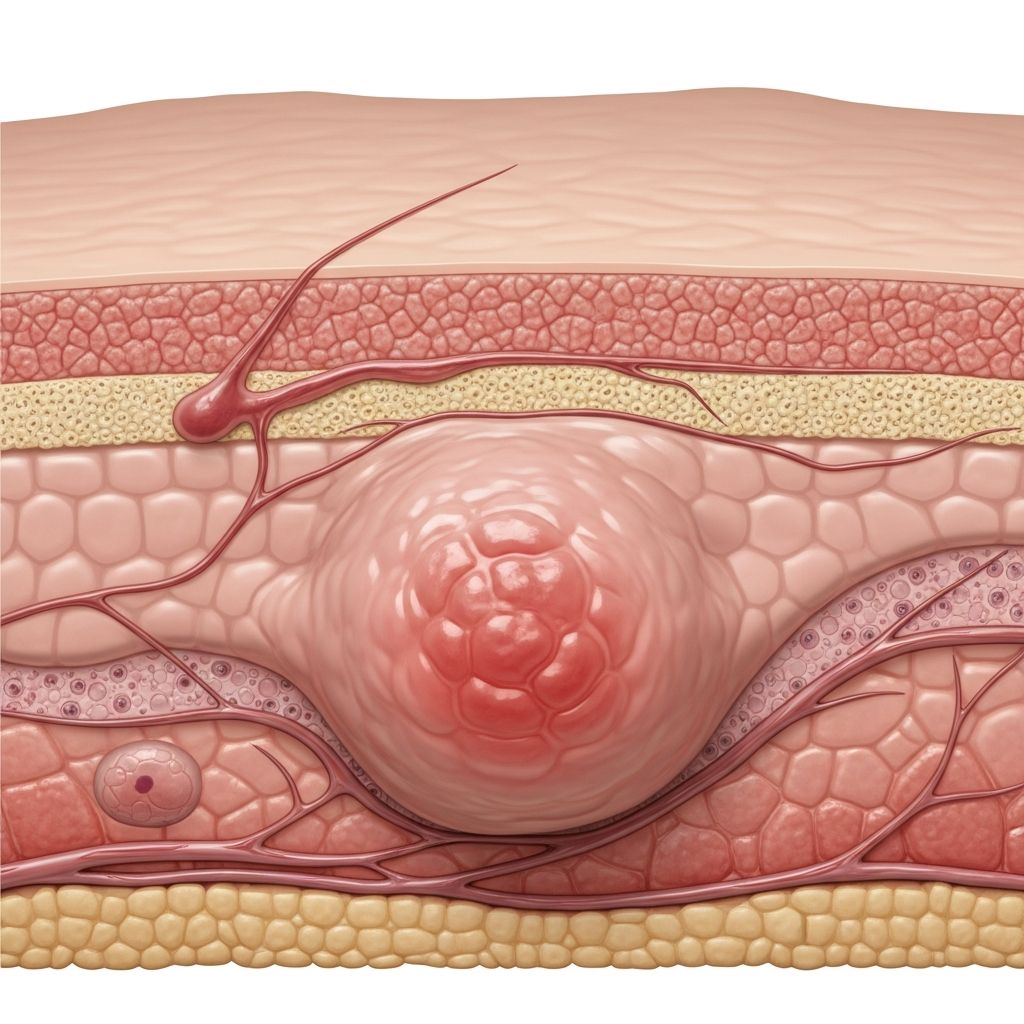
Induration refers to an abnormally hard area of skin or tissue beneath the skin, often resulting from inflammation, infection, fluid buildup, or tumor growth. This condition can signal underlying health issues ranging from benign infections to serious diseases like cancer, requiring prompt medical evaluation for accurate diagnosis and treatment.
What Is Induration?
Induration occurs when normal soft tissue becomes firm or hardened due to increased density from cellular infiltration, fibrosis, or edema. Clinically, it is assessed by palpation, where pressing the area reveals resistance unlike normal pliable skin. Common sites include subcutaneous tissue, muscles, or organs, and it may feel like a nodule or plaque.
Medically, induration is graded by extent: mild (barely palpable), moderate (distinct firmness), or severe (board-like hardness). It differs from edema, which pits under pressure, as indurated tissue does not. In dermatology and oncology, recognizing induration aids early detection of pathologies.
Symptoms of Induration
Induration itself is often asymptomatic but may accompany redness, warmth, pain, swelling, or itching depending on the cause. For instance, in cellulitis, the area is tender and hot; in scleroderma, it progresses to tightness and limited mobility. Systemic symptoms like fever suggest infection, while weight loss points to malignancy.
- Pain or tenderness: Common in inflammatory or infectious causes.
- Skin changes: Erythema, scaling, or ulceration overlying the site.
- Lymphadenopathy: Enlarged nearby lymph nodes in infections or cancer.
- Functional impairment: Reduced range of motion if near joints.
Causes of Induration
Induration arises from diverse etiologies, broadly classified as infectious, inflammatory, neoplastic, or traumatic. Infections like abscesses cause pus collection leading to firmness; autoimmune diseases promote fibrosis.
Infectious Causes
Bacterial infections such as Staphylococcus aureus cellulitis or abscesses lead to indurated borders. Mycobacterial infections like tuberculosis form cold abscesses with minimal inflammation. Fungal or parasitic invasions in immunocompromised patients also contribute.
Inflammatory and Autoimmune Causes
Conditions like panniculitis (inflammation of subcutaneous fat) or morphea (localized scleroderma) result in woody induration. Erythema nodosum presents as tender, indurated nodules on shins.
Neoplastic Causes
Malignancies, including breast cancer (peau d’orange induration), lymphoma, or metastatic deposits, cause firm, fixed nodules. Benign tumors like lipomas may mimic but are softer.
Other Causes
Trauma induces hematoma organization into firm scar tissue. Lymphedema from lymphatic obstruction post-surgery causes brawny induration. Foreign body reactions or injections (e.g., insulin) lead to localized fibrosis.
| Cause Category | Examples | Key Features |
|---|---|---|
| Infectious | Cellulitis, Abscess | Warm, tender, erythematous |
| Inflammatory | Scleroderma, Panniculitis | Chronic, progressive firmness |
| Neoplastic | Carcinoma, Lymphoma | Fixed, irregular borders |
| Other | Lymphedema, Trauma | Pitting absent, history-dependent |
Related Stories



Diagnosis of Induration
Diagnosis begins with history and physical exam, noting onset, progression, associated symptoms, and risk factors. Imaging like ultrasound detects fluid vs. solid masses; MRI evaluates deep tissue extent.
Biopsy is definitive: incisional for large lesions, excisional for small ones, or fine-needle aspiration for cytology. Histopathology reveals inflammation, atypia, or malignancy. Blood tests check for infection (CRP, ESR) or autoimmunity (ANA).
- Imaging: Ultrasound (first-line), CT/MRI for staging.
- Laboratory: Cultures, serology for pathogens.
- Biopsy: Gold standard for tissue characterization.
Treatment of Induration
Treatment targets the underlying cause. Infections require antibiotics (e.g., cephalexin for cellulitis); drainage for abscesses. Inflammatory conditions use corticosteroids or immunosuppressants. Neoplasms need oncology referral for surgery, chemo, or radiation.
Supportive care includes warm compresses for inflammation, elevation for edema, and compression therapy for lymphedema. Physical therapy prevents contractures in chronic cases.
Medical Management
Antimicrobials: Tailored to culture results. Anti-inflammatories: NSAIDs or steroids. For fibrosis, collagen modifiers like methotrexate.
Surgical Interventions
Excision for tumors or refractory abscesses. Debridement for necrotic tissue.
Advanced Therapies
Laser for hypertrophic scars; phototherapy for sclerotic skin diseases.
When to See a Doctor
Seek immediate care for rapidly enlarging, painful, febrile induration suggesting abscess or necrotizing fasciitis. Persistent lesions over weeks warrant biopsy to rule out cancer. Changes in existing moles or post-procedural firmness need evaluation.
Prevention
Maintain skin hygiene, treat wounds promptly, manage chronic conditions like diabetes. Vaccinations prevent certain infections. Regular self-exams aid early detection.
Frequently Asked Questions (FAQs)
What does induration mean?
Induration is the hardening of skin or underlying tissue due to inflammation, infection, or other pathological processes.
Is induration always cancer?
No, while it can indicate malignancy, most cases stem from benign causes like infections or inflammation.
How is induration diagnosed?
Through physical exam, imaging (ultrasound), and biopsy for definitive histopathological analysis.
Can induration be treated at home?
Warm compresses may help mild cases, but professional evaluation is essential to address the root cause.
What causes induration after injection?
Local reaction leading to fibrosis; rotate sites and use proper technique to minimize.
Related Conditions
- Cellulitis: Spreading bacterial infection with indurated margins.
- Scleroderma: Systemic fibrosis causing widespread induration.
- Lymphedema: Chronic swelling with peau d’orange texture.
Induration demands vigilant assessment as it bridges benign and sinister pathologies. Early intervention improves outcomes significantly.
References
- Patient Information Summarization in Clinical Settings: Scoping Review of Research Prototypes — JMIR Med Inform. 2023-01-31. https://medinform.jmir.org/2023/1/e44639/
- Jargon and Readability in Plain Language Summaries of Health Research — J Med Internet Res. 2025-01-15. https://www.jmir.org/2025/1/e50862/
- Engagement with health research summaries via digital communication — PMC (NIH). 2024-10-01. https://pmc.ncbi.nlm.nih.gov/articles/PMC11631099/
- The Importance of Lay Summaries for Improving Science Communication — PMC (NIH). 2023-08-15. https://pmc.ncbi.nlm.nih.gov/articles/PMC10465106/
- Are plain language summaries published in health journals written at the correct level? — PMC (NIH). 2024-09-20. https://pmc.ncbi.nlm.nih.gov/articles/PMC11603698/
Similar Articles








Read full bio of Sneha Tete