Infant Feeding Guide For The First Year: 12-Month Plan
Complete nutritional guide for feeding your baby from birth through 12 months of age.
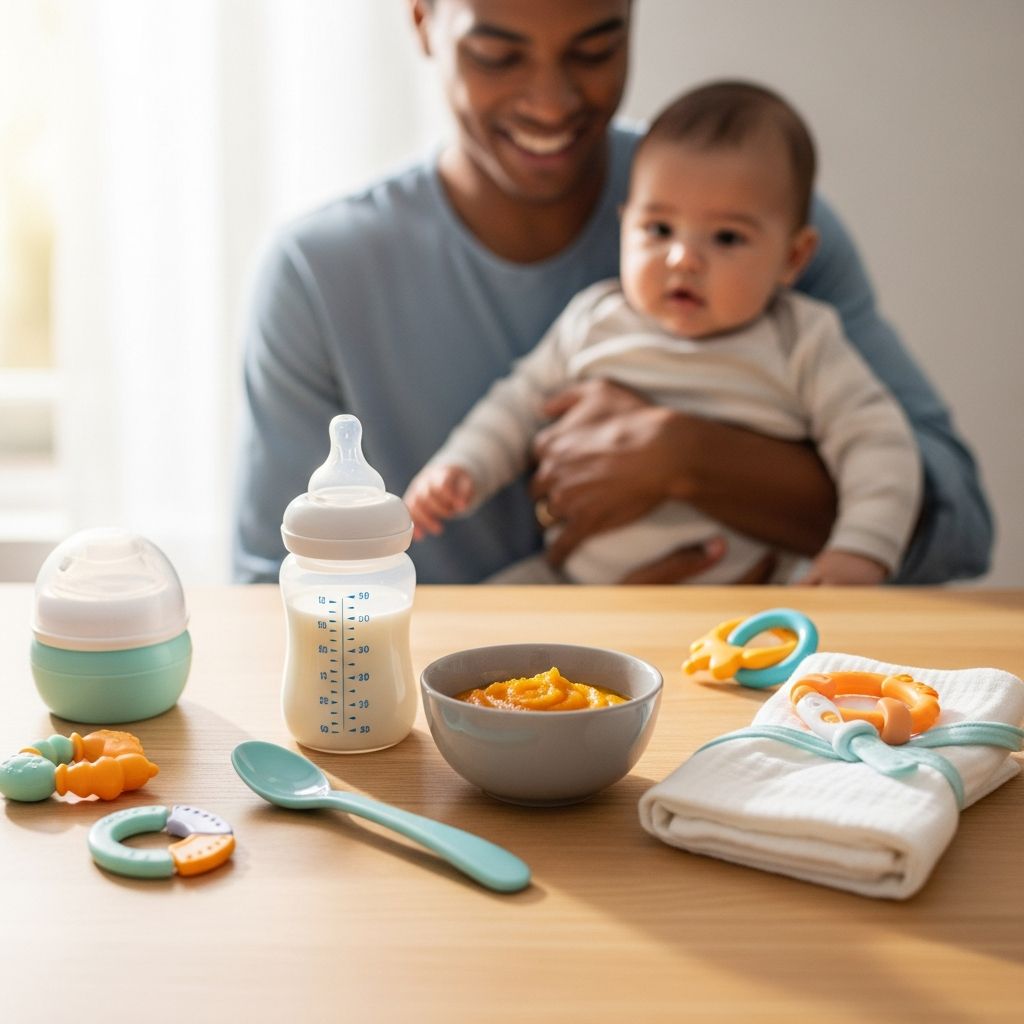
Infant Feeding Guide for the First Year
Making appropriate food choices for your baby during the first year of life is critically important. More growth occurs during the first year than at any other time in your child’s development. Understanding proper feeding practices and nutrition guidelines will help establish healthy eating patterns that benefit your baby throughout life. This comprehensive guide provides month-by-month feeding recommendations from birth through 12 months.
Birth to Three Months: Establishing Foundation Nutrition
During the first three months of life, breast milk or iron-fortified infant formula provides all the nutrients your baby needs for optimal growth and development. Newborns require frequent feedings throughout the day and night.
Breastfeeding in the First Three Months
For breastfed infants, feeding should occur on demand, which typically means:
- First month: approximately 10-12 feedings in 24 hours
- Second and third months: approximately 8-10 feedings in 24 hours
Breast milk is the best food for your baby during the first year, providing antibodies and optimal nutrition specifically designed for infant development.
Formula Feeding in the First Three Months
If you are not breastfeeding, iron-fortified infant formula is the recommended alternative. Formula feeding amounts vary by age:
- First month: 2-3 ounces every 2-3 hours (8-10 feedings per day)
- Second month: 2-4 ounces every 2-4 hours (7-8 feedings per day)
- Third month: 4-5 ounces every 4-5 hours (6-8 feedings per day)
Always use iron-fortified formula and prepare according to package directions. Never use water or other liquids as substitutes for breast milk or formula during this critical period.
Four to Five Months: Introducing Transition Feeding
Around four to five months, your baby may begin showing signs of readiness for solid foods, though breast milk or formula remains the primary source of nutrition.
Continued Milk Feeding
Breastfeeding typically occurs on demand about 6-7 times in 24 hours. Formula feeding amounts increase to:
- Fourth month: 4-6 ounces every 4-6 hours (6 feedings per day)
- Fifth month: 5-7 ounces every 4-6 hours (6 feedings per day)
Beginning Solid Foods Introduction
The American Academy of Pediatrics recommends that solid foods may be introduced between 4-6 months of age. If your baby shows readiness signs—such as sitting up with minimal support and loss of the tongue-thrust reflex—you may introduce infant cereal:
- 1-2 tablespoons infant cereal, 1-2 times daily
- Prepare with breast milk or formula, not juice or water
- Cereal should be mixed thinly at first
- Always feed with a spoon, never in a bottle
Six to Seven Months: Expanding Solid Food Variety
By six to seven months, most babies are ready for a wider variety of foods as they continue developing chewing and swallowing skills.
Milk Feeding Guidelines
Breastfeeding occurs on demand about 5-6 times in 24 hours. Formula intake remains at 5-7 ounces every 3-4 hours during the day (5-6 feedings per day), with nighttime feedings beginning to decrease.
Solid Foods at Six to Seven Months
Continue introducing foods systematically, one new food at a time:
Related Stories



- Infant cereal: 2-4 tablespoons (2 times daily)
- Vegetables: 2 ounces Stage 1 baby vegetables or ¼ cup well-cooked, pureed vegetables (1-2 times daily)
- Fruits: 2 ounces Stage 1 baby fruit or ¼ cup pureed fruit (1-2 times daily)
Start with small amounts—a teaspoon at first—and slowly increase to a tablespoon. Give each new food for 3 to 5 days before adding another, allowing you to identify any potential allergies or intolerances.
Eight to Nine Months: Advancing Textures and Tastes
At eight to nine months, your baby’s digestive system is more developed, and they can handle more complex textures and new foods.
Milk Feeding Adjustments
Breastfeeding continues on demand about 4-6 times in 24 hours. Formula feeding transitions to 6-7 ounces every 3-4 hours during the day (4-6 feedings per day) with no nighttime feeds. Begin weaning your baby from the bottle by offering formula in a cup 1-2 times daily.
Expanded Solid Foods Menu
Your baby can now enjoy Stage 2 foods and more variety:
- Infant cereal: 2-4 tablespoons (2 times daily)
- Vegetables: 2-5 ounces Stage 2 baby vegetables or ¼ cup well-cooked, mashed vegetables (2 times daily)
- Fruits: 2-5 ounces Stage 2 baby fruit or ¼ cup mashed fruit (2 times daily)
- Meat and proteins: 1-2 ounces Stage 2 meat or poultry, or 2 tablespoons cooked egg yolk only (no egg whites), or 2 tablespoons cooked mashed dried beans or tofu (1 time daily)
- Other starches: Easily dissolved puffed cereals or snacks, such as rice puffs or Cheerios (1-2 times daily)
- Finger foods: Arrowroot cookies, toast, crackers, and plain yogurt
Ten to Twelve Months: Approaching Adult Foods
During the final months of the first year, your baby transitions increasingly toward family foods while maintaining appropriate nutrition.
Milk Feeding at 10-12 Months
Breastfeeding continues on demand about 4 times in 24 hours. Formula feeding decreases to 6-7 ounces every 4-6 hours (3-4 feedings per day) with no nighttime feeds. Offer formula in a cup regularly.
Solid Foods for 10-12 Months
Your baby can consume larger portions and a greater variety:
- Infant cereal: ¼-½ cup cereal (1 time daily)
- Vegetables: ¼-½ cup well-cooked, soft vegetables or mashed vegetables (2 times daily)
- Fruits: ¼-½ cup mashed, soft, or bite-sized fruit pieces (2 times daily); may offer 1-2 ounces of 100% fruit juice daily in a cup (no more than 4 ounces daily)
- Other starches: ¼ cup rice, pasta, potatoes, or whole-grain snacks or crackers that are easily dissolved (2 times daily)
- Meat and proteins: ¼ cup small, tender pieces of chicken, turkey, beef, pork, cooked dried beans, cottage cheese, tofu, yogurt, or Stage 3 baby meats 3-4 tablespoons (2 times daily)
- Finger foods and additional foods: Assorted finger foods, cookies, toast, crackers, plain yogurt, cooked green beans, cottage cheese, ice cream, and pudding
Essential Feeding Safety Guidelines
Protecting your baby’s health during feeding requires attention to several important safety practices.
Introducing New Foods Safely
When starting solid foods, give your baby one new food at a time—not mixtures like cereal and fruit or meat dinners. This approach allows you to identify which foods your baby may be allergic to or cannot tolerate. Give the new food for 3 to 5 days before adding another new food.
Food Preparation and Handling
Proper food preparation prevents foodborne illness and choking hazards:
- Always wash and peel fruits and vegetables and remove seeds or pits
- Take special care with fruits and vegetables that come into contact with the ground, as they may contain botulism spores that cause food poisoning
- Don’t use salt or sugar when making homemade infant foods
- Avoid canned foods for baby food, as they may contain large amounts of salt and sugar
- Never give honey in any form during the first year, as it can cause infant botulism
Feeding Practices and Habits
Establishing proper feeding techniques supports healthy development:
- Feed all food with a spoon; your baby needs to learn to eat from a spoon
- Don’t use infant feeders; only formula and water should go into the bottle
- Children should be seated upright in a supported chair or baby seat during feedings
- Don’t put your baby in bed with a bottle propped in his or her mouth, as this practice is linked to increased risk for ear infections and tooth decay, and poses a choking risk
- Don’t allow baby to fall asleep with a bottle
Feeding Schedule Overview
The following table provides a quick reference for daily feeding amounts and frequency by age:
| Age | Breast Milk/Formula | Cereal | Vegetables | Fruits |
|---|---|---|---|---|
| 0-3 Months | On demand (8-12x daily) | None | None | None |
| 4-5 Months | 6-7x daily | 1-2 Tbsp (1-2x daily) | None | None |
| 6-7 Months | 5-6x daily | 2-4 Tbsp (2x daily) | ¼ cup (1-2x daily) | ¼ cup (1-2x daily) |
| 8-9 Months | 4-6x daily | 2-4 Tbsp (2x daily) | ¼ cup (2x daily) | ¼ cup (2x daily) |
| 10-12 Months | 3-4x daily | ¼-½ cup (1x daily) | ¼-½ cup (2x daily) | ¼-½ cup (2x daily) |
Frequently Asked Questions
When should I introduce water to my baby?
Water is not necessary during the first six months when your baby is exclusively breastfeeding or formula feeding. After introducing solid foods around six months, you can offer small amounts of water in a cup during meals, but breast milk or formula remains the primary source of hydration.
How do I know if my baby is ready for solid foods?
Signs of readiness typically appear around four to six months and include: sitting up with minimal support, loss of the tongue-thrust reflex (pushing food out of the mouth), showing interest in food by watching others eat, and the ability to move food from the front to the back of the mouth.
Should I introduce foods in a specific order?
Start with dry infant rice cereal first, mixed as directed, followed by vegetables, fruits, and then meats. This traditional approach allows systematic introduction and easy identification of food sensitivities.
Can I make my own baby food?
Yes, homemade baby food is acceptable when prepared properly. Always wash and peel produce, remove seeds and pits, puree to appropriate consistency, and never add salt or sugar. Store homemade food according to food safety guidelines.
When can my baby drink cow’s milk?
Cow’s milk should not be introduced before 12 months of age. After the first year, children can transition to cow’s milk as more of their nutrition comes from solid foods.
What about introducing allergens like peanuts and eggs?
Recent research suggests that introducing potential allergens earlier may reduce the risk of developing allergies. Egg yolks (without whites) can be introduced around 8-9 months. Consult your pediatrician about introducing peanut products and other common allergens.
How should I introduce finger foods?
Begin offering soft finger foods around 8-9 months when your baby shows interest and can grasp objects. Good options include soft cooked vegetables, small pieces of fruit, toast, and crackers. Always supervise closely to prevent choking.
References
- Infant Feeding Guide — UC Davis Health, Department of Pediatrics. 2013. https://health.ucdavis.edu/media-resources/children/documents/general/First%2012%20Months_rev.pdf
- Feeding Guide for the First Year — Stanford Medicine Children’s Health. https://www.stanfordchildrens.org/en/topic/default?id=feeding-guide-for-the-first-year-90-P02209
- The First Year of Life: Infant Feeding Guide — DC Health Department. https://dchealth.dc.gov/page/first-year-life-infant-feeding-guide
- Infant Feeding Guide — Brigham and Women’s Hospital Health Library. https://healthlibrary.brighamandwomens.org/Search/90,P02694
- The art of feeding toddlers — Johns Hopkins Aramco Healthcare. https://www.jhah.com/en/news-events/in-focus/the-art-of-feeding-toddlers/
Similar Articles








Read full bio of Sneha Tete