Infantile Hemangioma: Causes, Symptoms, and Treatment
Understanding infantile hemangioma: from diagnosis to effective management strategies.

What Is Infantile Hemangioma?
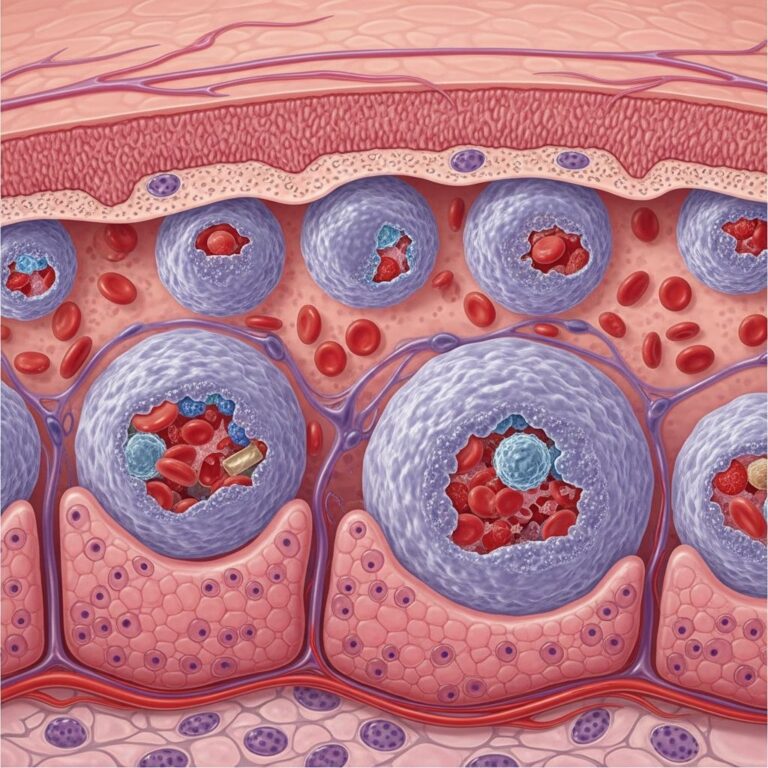
Infantile hemangioma (IH) is the most common benign vascular tumor in infancy, affecting approximately 4% of live births. It is characterized by the rapid proliferation of endothelial-like cells, typically appearing within the first few weeks of life. Most hemangiomas are superficial, but some may be deep or mixed, involving both skin and underlying tissues.
Causes and Risk Factors
The exact cause of infantile hemangioma is not fully understood, but several factors are believed to contribute:
- Genetic predisposition: Some studies suggest a familial tendency, though most cases occur sporadically.
- Female gender: Girls are more commonly affected than boys.
- Prematurity: Low birth weight and premature infants are at higher risk.
- Multiple gestations: Twins and triplets have a higher incidence.
Symptoms and Clinical Presentation
Infantile hemangiomas typically follow a predictable pattern:
- Early phase (proliferation): Rapid growth during the first 6–12 months, often appearing as a red or purple raised lesion.
- Involution phase: Gradual shrinking and fading over several years, usually by age 5–7.
Common symptoms include:
- Red, raised, or bluish skin lesion
- Ulceration (in severe cases)
- Pain or discomfort
- Impairment of function (vision, breathing, feeding)
- Risk of permanent deformity in cosmetically sensitive areas
Diagnosis
Diagnosis is primarily clinical, based on appearance and history. In atypical cases, imaging studies such as ultrasound, MRI, or biopsy may be used to confirm the diagnosis and rule out other vascular anomalies.
When to Treat Infantile Hemangioma
Most infantile hemangiomas do not require treatment and will involute spontaneously. However, intervention is considered when:
- The lesion is ulcerated or causes pain
- There is impairment of vital functions (vision, airway, feeding)
- There is a risk of permanent disfigurement
- The hemangioma is large or segmental, especially in cosmetically sensitive areas
- The infant has PHACE syndrome (Posterior fossa malformations, Hemangioma, Arterial anomalies, Cardiac defects, Eye abnormalities)
Treatment Options
Several treatment modalities are available, depending on the severity and location of the hemangioma:
Propranolol
Propranolol, a beta-blocker, has become the first-line systemic treatment for symptomatic infantile hemangiomas. It is effective in reducing the size and symptoms of hemangiomas, especially when started early in the proliferative phase.
- Dose: Typically 1–3 mg/kg per day, divided into two doses.
- Duration: Treatment should cover the entire proliferative phase, often until 12 months of age or longer for segmental hemangiomas.
- Monitoring: Regular assessment of heart rate, blood pressure, and blood glucose is essential.
Prednisolone
Prednisolone, a corticosteroid, was previously the standard treatment but has been largely replaced by propranolol due to better safety and efficacy.
- Dose: 2–3 mg/kg per day, tapered over several weeks.
- Side effects: Growth suppression, hypertension, immunosuppression.
Other Treatments
- Laser therapy: For superficial, ulcerated, or residual lesions.
- Surgery: Reserved for complications or residual deformity after involution.
- Topical timolol: For small, superficial hemangiomas.
Related Stories



Management of Complications
Complications such as ulceration, bleeding, or infection require prompt attention:
- Ulcerated hemangiomas: Systemic propranolol is the mainstay, with wound care and pain management.
- Bleeding: Local pressure and, if necessary, medical intervention.
- Infection: Antibiotics and wound care.
PHACE Syndrome
Infants with large facial hemangiomas should be evaluated for PHACE syndrome, which involves:
- Posterior fossa malformations
- Hemangioma
- Arterial anomalies
- Cardiac defects
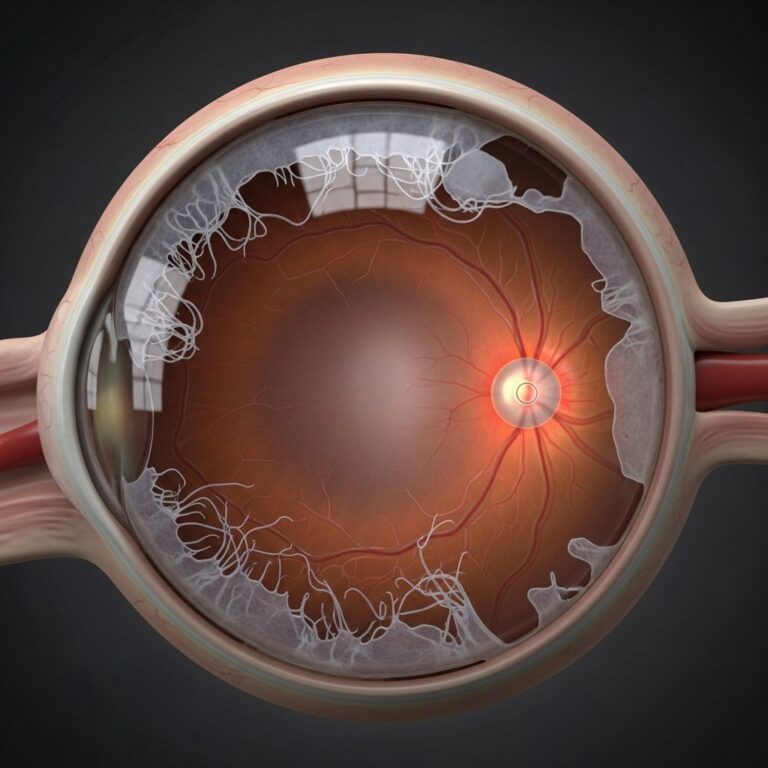
- Eye abnormalities
These infants require thorough imaging (MRI/MRA of head and neck, cardiac imaging) and multidisciplinary management.
Prognosis
The prognosis for most infantile hemangiomas is excellent, with spontaneous involution in the majority of cases. Early and appropriate treatment can prevent complications and improve cosmetic outcomes.
Frequently Asked Questions (FAQs)
Q: Are infantile hemangiomas cancerous?
A: No, infantile hemangiomas are benign tumors and do not become cancerous.
Q: Can infantile hemangiomas be prevented?
A: There is no known way to prevent infantile hemangiomas, as the exact cause is not fully understood.
Q: When should I seek medical attention for my child’s hemangioma?
A: Seek medical attention if the hemangioma is ulcerated, causes pain, impairs function, or is in a cosmetically sensitive area.
Q: Is propranolol safe for infants?
A: Propranolol is generally safe when used under medical supervision, but regular monitoring is required to watch for side effects.
Q: What is the long-term outlook for children with infantile hemangioma?
A: Most children have an excellent long-term outlook, with complete involution and minimal scarring.
References
- Propranolol vs Prednisolone for Symptomatic Proliferating Infantile Hemangioma — JAMA Otolaryngology–Head & Neck Surgery. 2014. https://jamanetwork.com/journals/jamaotolaryngology/fullarticle/1827974
- Initiation and Use of Propranolol for Infantile Hemangioma — Pediatrics. 2013. https://publications.aap.org/pediatrics/article-abstract/131/1/128/30793/Initiation-and-Use-of-Propranolol-for-Infantile?redirectedFrom=fulltext
- Diagnosis and Management of Infantile Hemangiomas — PubMed. 2014. https://pubmed.ncbi.nlm.nih.gov/24636652/
Similar Articles








Read full bio of medha deb