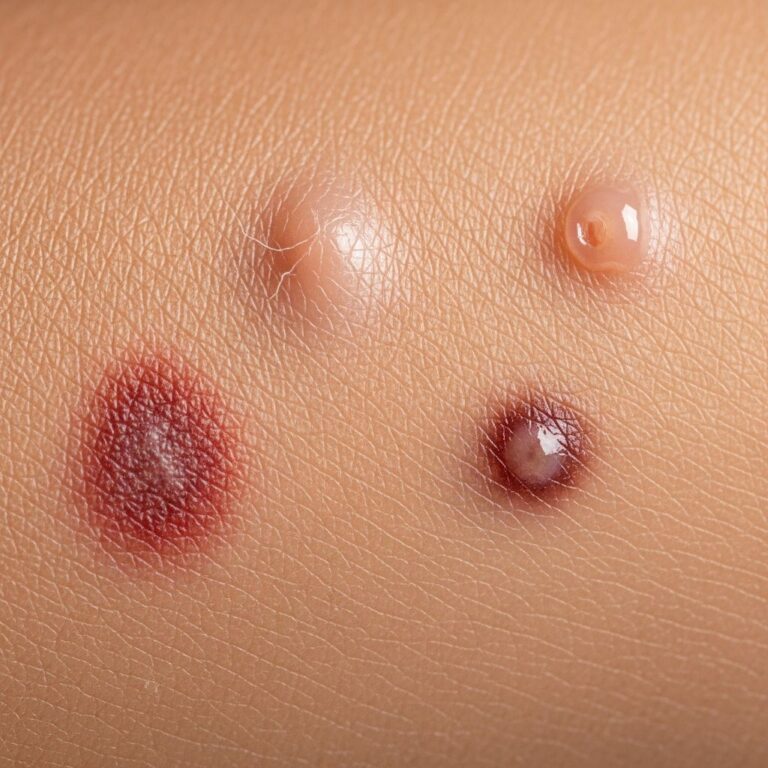
Infected Tattoo: 5 Signs, Risks, And Care
Learn to spot infected tattoo symptoms, understand causes, and follow expert care tips to ensure safe healing.
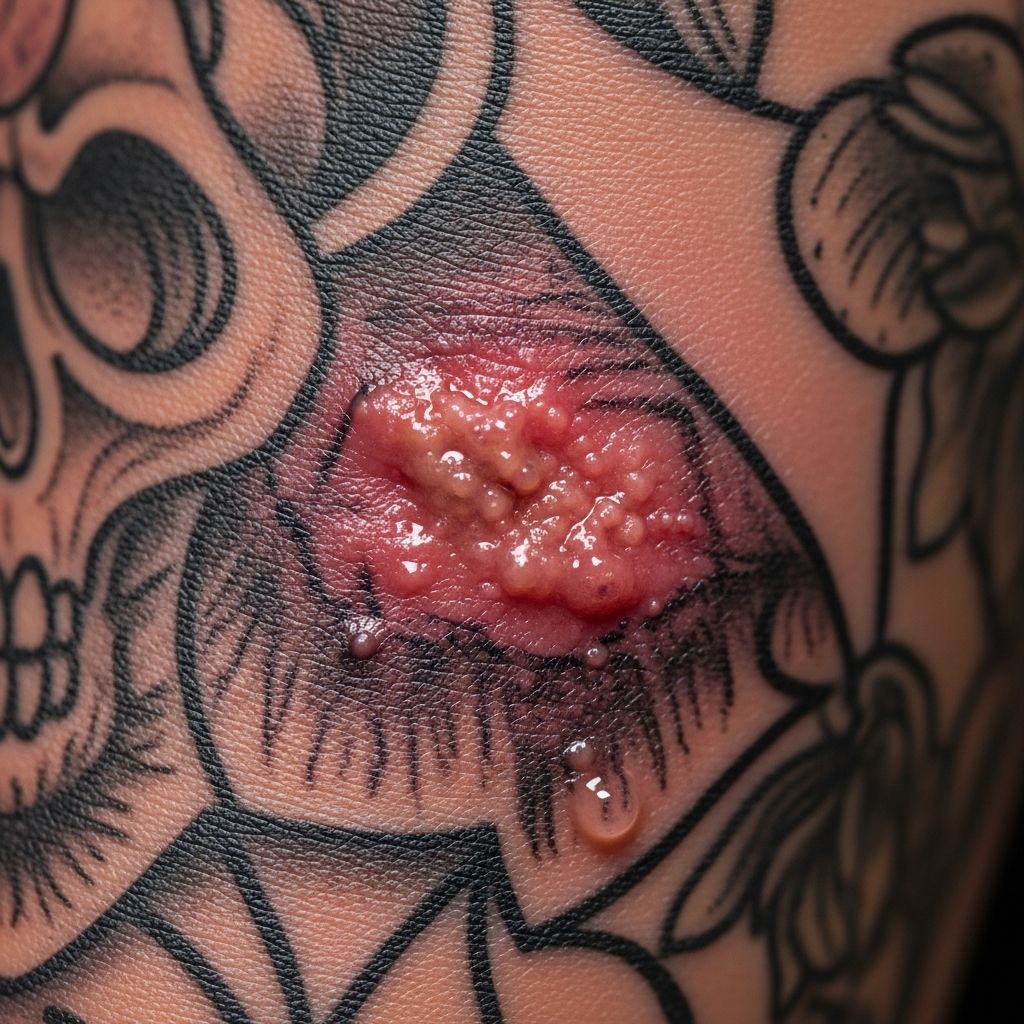
Tattoos are a popular form of self-expression, with surveys indicating that around 40% of U.S. adults aged 18–69 have at least one. However, the process breaks the skin barrier, introducing risks of infection from bacteria, viruses, or contaminated ink. While minor redness and swelling are normal, persistent or severe symptoms signal an infected tattoo requiring prompt attention to prevent complications like sepsis.
What Does an Infected Tattoo Look Like?
Normal tattoo healing involves mild inflammation, including redness, slight swelling, and tenderness that peaks in the first 72 hours and improves within 1–2 weeks with proper care. An
infected tattoo
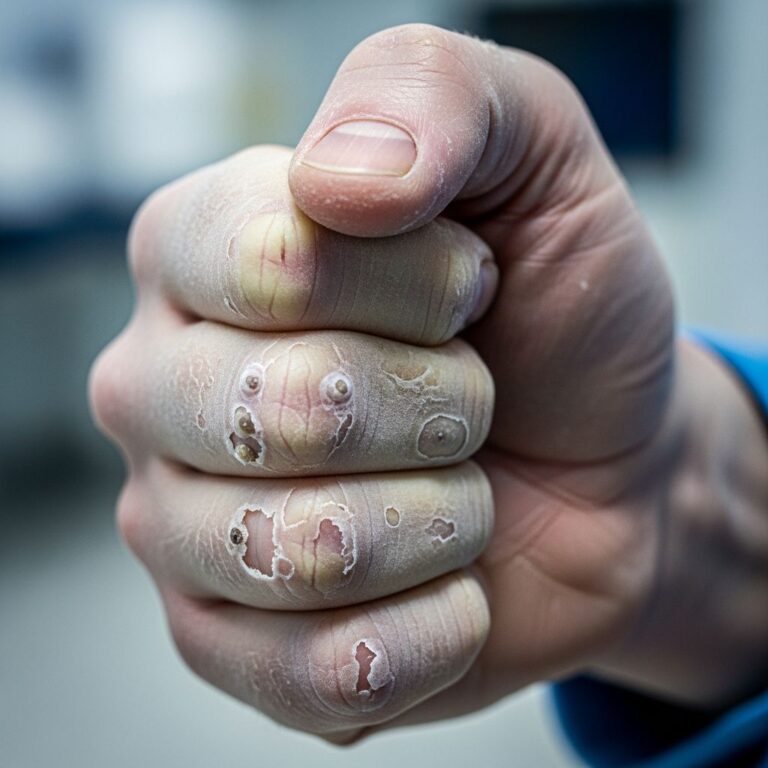
, however, shows escalating or unusual symptoms beyond this phase.- Rash or bumps: Red, itchy rash or pus-filled bumps (pustules) spreading beyond the tattoo outline.
- Worsening swelling: Increasing puffiness that doesn’t subside, often hot to the touch.
- Purulent drainage: Yellow, green, or bloody pus oozing from the site, unlike clear plasma in normal healing.
- Increasing pain: Sharp, throbbing pain that intensifies rather than dulls over time.
- Fever and chills: Systemic signs like temperature above 100.4°F (38°C), sweats, or shaking, indicating possible spread.
Visual cues include uneven healing edges, foul odor, or lymph node swelling in nearby areas like armpits or groin. If symptoms persist beyond 3–5 days or worsen, it’s likely infected.
Symptoms of Tattoo Infection: When to Worry
Distinguishing normal reactions from infection is crucial. Minor itching or flaking is part of the epithelialization process, where new skin forms. But
severe symptoms
demand action:| Symptom | Normal Healing | Infection Sign |
|---|---|---|
| Redness | Mild, fades in days | Intensifies, spreads |
| Swelling | Localized, reduces quickly | Grows, warm/hard |
| Pain | Dull ache, improves | Sharp, worsening |
| Discharge | Clear fluid | Pus (yellow/green) |
| Fever | None | Present with chills |
Bacterial infections from Staphylococcus or Streptococcus often appear within days, while nontuberculous mycobacteria like Mycobacterium chelonae cause delayed papules and rashes, as in a 2012 multi-state outbreak from contaminated ink. Viral risks include hepatitis B/C or HIV from unsterilized needles.
Causes and Risk Factors for Tattoo Infections
Infections stem from pathogens entering via needle punctures. Key causes include:
- Contaminated ink or equipment: Non-sterile ink diluted with tap water led to M. chelonae outbreaks.
- Poor hygiene: Unlicensed parlors skipping gloves, sterilization, or clean razors.
- Inadequate aftercare: Picking scabs, soaking in pools, or tight clothing traps bacteria.
- Individual factors: Weakened immunity, eczema, or diabetes heightens vulnerability.
Tattoo inks contain pigments triggering reactions; red inks often cause allergies even years later. Long-term, chronic inflammation from metals like cobalt/zinc impairs immune response.
Treatment for an Infected Tattoo
Never self-treat severe infections.
Seek medical care immediately
if fever, pus, or rapid worsening occurs. Doctors may:- Examine and swab the site for culture.
- Prescribe topical/oral antibiotics (e.g., for staph/strep).
- Drain abscesses or biopsy for mycobacteria.
- Hospitalize for IV antibiotics/sepsis in rare cases.
For mild cases, clean with saline, apply antibiotic ointment, and cover loosely. Most resolve with antibiotics, but untreated infections risk cellulitis, abscesses, or sepsis. Allergic reactions may need steroids; granulomas or keloids require dermatologist input.
Related Stories



Tattoo Aftercare to Prevent Infection
Proper aftercare minimizes risks. Follow these steps:
- Days 1–3: Wash gently with fragrance-free soap, pat dry, apply thin antibiotic ointment, cover with sterile bandage.
- Days 4–14: Switch to moisturizer (e.g., Aquaphor), avoid scrubbing.
- General rules: No pools/sun/picking; loose clothes; hydrate internally.
Healing timeline: Inflammation (10 days), proliferation (3 months), remodeling (1 year).
How to Choose a Safe Tattoo Parlor
Select licensed studios with:
- Autoclave sterilization visible.
- Single-use needles/ink pots.
- Artists wearing fresh gloves, using sterile technique.
- Health department inspections posted.
Ask: “How do you sterilize?” Avoid DIY kits or walk-ins. Get hepatitis B vaccine pre-tattoo.
Long-Term Complications of Tattoos
Beyond acute infections, tattoos pose:
- Hypersensitivity: Itchy rashes years later.
- Granulomas/keloids: Nodules or scars.
- Cancer links: HBV/HCV from poor hygiene raises lymphoma/liver cancer risk.
- Systemic effects: Pigments cause chronic inflammation, impairing phagocytosis.
EU regulations target ink contaminants; U.S. FDA monitors outbreaks.
Frequently Asked Questions (FAQs)
Can all tattoos get infected?
Any tattoo risks infection if hygiene fails, but reputable parlors reduce odds significantly.
How long does tattoo infection take to show?
Bacterial: 1–3 days; viral: weeks/months; mycotic: months.
Is pus normal in new tattoos?
No—clear fluid yes, pus signals infection; see a doctor.
Can I tattoo over an old infection scar?
Consult a dermatologist; scarred skin heals poorly, risks recurrence.
Do tattoo infections always need antibiotics?
Mild cases may resolve with care, but pus/fever warrants antibiotics.
References
- Tattoo infection: Symptoms, treatment, and prevention — Medical News Today. 2017-05-23 (updated). https://www.medicalnewstoday.com/articles/319946
- Tattooing: immediate and long-term adverse reactions and complications — National Library of Medicine (NIH/PMC). 2023. https://pmc.ncbi.nlm.nih.gov/articles/PMC11739707/
- Tattoos: Understand risks and precautions — Mayo Clinic. 2023-10-04 (updated). https://www.mayoclinic.org/healthy-lifestyle/adult-health/in-depth/tattoos-and-piercings/art-20045067
Similar Articles








Read full bio of medha deb