Infections During Pregnancy: Risks, Prevention, And Management
Understand risks, symptoms, prevention, and treatments for infections that can impact pregnancy and newborn health.
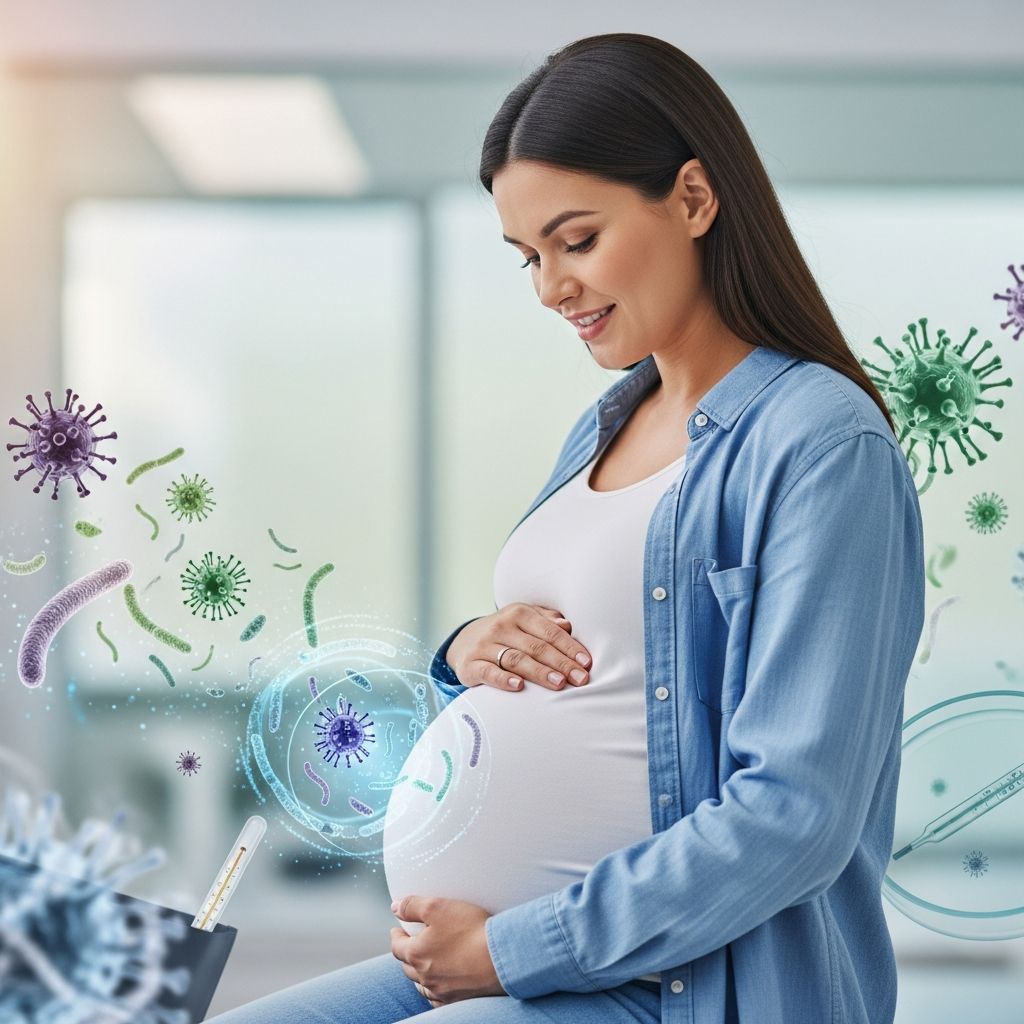
Pregnancy alters the immune system, making expectant mothers more vulnerable to certain infections that can affect both maternal health and fetal development. While many infections resolve with simple care, others require prompt medical intervention to prevent complications like preterm birth, low birth weight, or neonatal illness.
Why Infections Pose Greater Risks in Pregnancy
The body’s immune response shifts during pregnancy to tolerate the fetus, potentially allowing infections to escalate. Hormonal changes and physical pressures, such as an enlarging uterus, can impair urinary flow or respiratory function, fostering bacterial growth. Common infections like urinary tract infections (UTIs) or respiratory viruses may seem minor but can lead to serious issues if untreated, including sepsis or chorioamnionitis (placental infection).
According to health experts, routine screening and early treatment are crucial. For instance, untreated STIs can cross the placenta or infect the baby during delivery, causing defects or stillbirth.
Common Bacterial Infections and Their Impacts
Bacterial infections often stem from the urinary, reproductive, or gastrointestinal tracts. Here’s a breakdown:
- Urinary Tract Infections (UTIs): Affecting up to 10% of pregnancies, UTIs cause burning urination, frequent urges, and lower abdominal pain. If ascending to the kidneys (pyelonephritis), symptoms include fever, nausea, and flank pain, often necessitating hospitalization.
- Group B Streptococcus (GBS): Present in 10-30% of pregnant individuals, GBS is harmless to mothers but risky for newborns, causing pneumonia, sepsis, or meningitis. Screening at 36-37 weeks guides intrapartum antibiotics.
- Bacterial Vaginosis (BV): An imbalance of vaginal bacteria leading to thin discharge and odor. Linked to preterm labor and membrane rupture.
| Infection | Symptoms | Risks to Baby | Treatment |
|---|---|---|---|
| UTI/Pyelonephritis | Burning urination, fever, flank pain | Preterm birth, sepsis | Antibiotics (e.g., penicillins), IV in hospital |
| GBS | Often asymptomatic | Neonatal sepsis, pneumonia | IV antibiotics during labor |
| BV | Fishy odor, discharge | Preterm delivery | Metronidazole (oral or gel) |
Sexually Transmitted Infections (STIs) in Expectant Mothers
STIs like chlamydia, gonorrhea, syphilis, and herpes demand vigilant screening, as they frequently lack symptoms yet harm the fetus. Chlamydia and gonorrhea can trigger preterm labor or neonatal eye infections; syphilis risks congenital defects or stillbirth. Routine prenatal tests detect these early.
Genital herpes poses a neonatal threat if active lesions appear near delivery, potentially causing fatal herpes in newborns. Antivirals from 32 weeks and cesarean delivery reduce transmission.
- Chlamydia: Discharge, pelvic pain; treat with azithromycin.
- Gonorrhea: Similar symptoms; dual antibiotics needed.
- Syphilis: Ulcers, rash; penicillin cures both mother and fetus.
Viral Infections: From Everyday Colds to Serious Threats
Viruses range from mild (colds, flu) to severe (cytomegalovirus, Zika). Colds involve congestion and cough, managed with rest, hydration, and paracetamol. Flu vaccination is recommended to avert hospitalization.
Serious viruses include:
- Cytomegalovirus (CMV): Spread via bodily fluids; causes hearing loss or developmental delays in babies. No routine screening, but hygiene prevents primary infection.
- Hepatitis B (HBV): Screened prenatally; newborns receive vaccine and immunoglobulin.
- Zika: Mosquito-borne; linked to microcephaly. Avoid travel to endemic areas.
Related Stories



Fungal and Other Infections
Yeast infections (thrush) cause itching, thick discharge, and soreness, treated with topical antifungals safe in pregnancy. Oral versions are avoided. Listeriosis from contaminated food risks miscarriage; cook meats thoroughly.
Diarrhea and vomiting bugs resolve with fluids and rest, but persistent cases warrant GP review to prevent dehydration.
Prevention Strategies for a Healthy Pregnancy
Proactive steps minimize risks:
- Wash hands frequently and avoid close contact with sick individuals.
- Practice safe sex; get STI tested early and often.
- Stay hydrated, urinate after intercourse to prevent UTIs.
- Receive recommended vaccines: flu, Tdap, COVID-19.
- Cook foods properly; avoid unpasteurized dairy and raw fish.
- Attend all prenatal visits for screenings like GBS and syphilis.
Safe Treatment Options During Pregnancy
Medications balance maternal-fetal safety. Safe antibiotics include penicillins, cephalosporins, and macrolides. Antivirals for herpes or CMV, and antifungals for yeast are used judiciously. Always consult providers before self-medicating.
For GBS-positive mothers, IV antibiotics during labor protect the baby. Pyelonephritis requires hospital IV therapy.
When to Seek Immediate Medical Help
Act fast on red flags: high fever, severe abdominal pain, reduced fetal movement, bleeding, or persistent vomiting. Early intervention prevents escalation.
FAQs on Pregnancy Infections
Q: Can I take antibiotics while pregnant?
A: Yes, certain ones like amoxicillin are safe; your doctor selects based on the infection.
Q: Is flu worse in pregnancy?
A: Yes, it raises pneumonia risk; vaccinate early.
Q: How is GBS tested?
A: Vaginal-rectal swab at 36 weeks.
Q: Does herpes mean C-section?
A: Only if active outbreak at delivery.
Q: Can infections cause preterm birth?
A: Yes, especially UTIs, STIs, and BV.
Long-Term Outlook and Newborn Care
Post-delivery, monitor babies for signs like fever or poor feeding. Hepatitis B vaccination at birth safeguards against vertical transmission. Breastfeeding is encouraged unless specific contraindications exist, like untreated HIV.
With modern screening and treatments, most pregnancies with infections end healthily. Knowledge empowers expectant parents to navigate these challenges.
References
- Recognising and treating infections in pregnancy — NCT. Accessed 2026. https://www.nct.org.uk/information/pregnancy/body-pregnancy/recognising-and-treating-infections-pregnancy
- Infections During Pregnancy — Merck Manuals. Accessed 2026. https://www.merckmanuals.com/home/women-s-health-issues/normal-pregnancy/infections-during-pregnancy
- Pregnancy Infection STD — Marshfield Clinic. Accessed 2026. https://www.marshfieldclinic.org/specialties/obgyn/pregnancy/awareness/pregnancy-infection-std
- Infections and Pregnancy — MedlinePlus (U.S. National Library of Medicine). Accessed 2026. https://medlineplus.gov/infectionsandpregnancy.html
- Infections in pregnancy that may affect your baby — NHS. Accessed 2026. https://www.nhs.uk/pregnancy/keeping-well/infections-that-may-affect-your-baby/
- Chorioamnionitis — Cleveland Clinic. Accessed 2026. https://my.clevelandclinic.org/health/diseases/12309-chorioamnionitis
- What infections can affect pregnancy? — NICHD (NIH). Accessed 2026. https://www.nichd.nih.gov/health/topics/pregnancy/conditioninfo/infections
Similar Articles








Read full bio of medha deb