Infectious Diseases: Types, Causes & Treatments
Comprehensive guide to infectious diseases, pathogens, symptoms, diagnosis, and evidence-based treatment options.
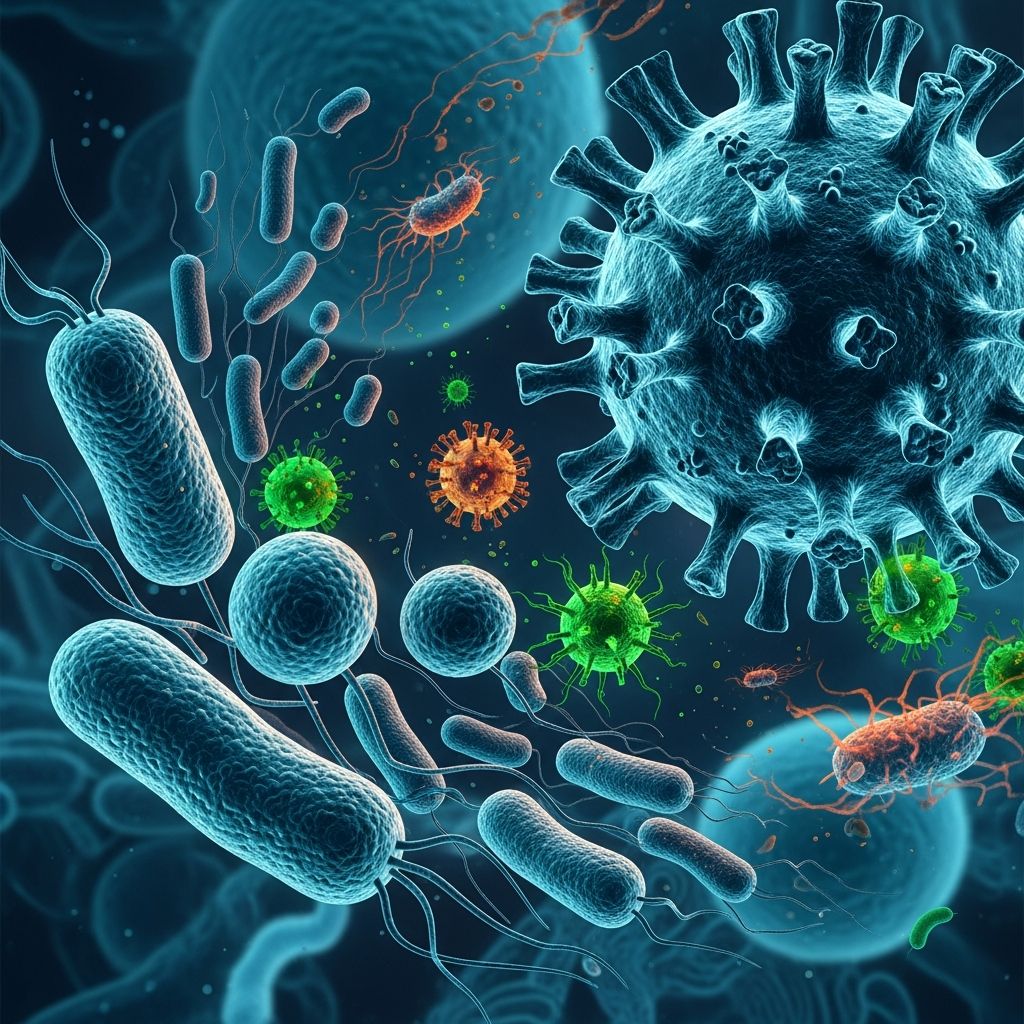
Infectious diseases are illnesses caused by harmful organisms known as pathogens or germs that invade your body from the outside. These microscopic invaders can lead to a wide range of health conditions, from mild illnesses that resolve on their own to severe, life-threatening complications. Understanding the nature of infectious diseases, how they spread, and the available treatment options is essential for maintaining your health and preventing transmission to others.
What Are Infectious Diseases?
Infectious diseases are conditions that develop when pathogenic organisms enter your body and begin to multiply or release toxins. These harmful organisms are found everywhere in our environment, and in many cases, humans coexist with them without any adverse effects. However, when these pathogens multiply unchecked or trigger an immune response, they can cause various illnesses ranging from common colds to serious, potentially fatal conditions.
The primary causes of infectious diseases include viruses, bacteria, fungi, parasites, and in rare cases, prions. Each type of pathogen has distinct characteristics that influence how it spreads, what symptoms it causes, and how healthcare providers treat it.
Types of Pathogens and Infectious Agents
Viral Infections
Viruses are small germs that reproduce by using your cells as hosts. Viral infections are among the most common infectious diseases, affecting millions of people worldwide. Common viral illnesses include the common cold, influenza (flu), COVID-19, norovirus (often called “stomach flu”), human papillomavirus (HPV) which causes warts, and herpes simplex virus which causes cold sores. Many viral infections resolve on their own as your immune system fights off the virus, but some can develop into serious or chronic conditions requiring medical intervention.
Bacterial Infections
Bacterial infections result from single-celled organisms that multiply in your body or release harmful toxins. These infections can affect virtually any part of your body, including your skin, lungs, brain, blood, and other vital organs. Common bacterial infections include urinary tract infections (UTIs), food poisoning, sexually transmitted infections (STIs), and certain skin, sinus, and ear infections. While many bacterial infections are treatable with antibiotics, some can become severe if left untreated or if antibiotic resistance develops.
Fungal Infections
Fungal pathogens can cause infections ranging from superficial skin conditions to serious systemic diseases. Fungal infections can affect various parts of your body and may be particularly dangerous for individuals with compromised immune systems.
Parasitic Infections
Parasites are organisms that live in or on a host organism and benefit at the host’s expense. Parasitic infections can cause various health problems depending on the type of parasite and which parts of your body are affected.
Prion Diseases
Prions are misfolded proteins that cause rare but serious neurodegenerative diseases. These are among the most challenging infectious agents to treat, and currently, no effective treatments exist for prion diseases.
How Infectious Diseases Spread
Understanding transmission routes is crucial for prevention and control of infectious diseases. These illnesses spread through various mechanisms:
Person-to-Person Transmission
Many infectious diseases spread directly from one person to another through respiratory droplets, direct contact, or bodily fluids. This is the most common transmission route for viral respiratory infections and many bacterial infections.
Related Stories



Contaminated Food and Water
Foodborne and waterborne pathogens cause serious infections, particularly in areas with inadequate sanitation or food safety practices. These infections can affect your digestive system and lead to gastrointestinal complications.
Bug Bites and Vectors
Insects such as mosquitoes, ticks, and flies can transmit various infectious agents, including parasites and viruses. Vector-borne diseases can cause significant health problems and may require specialized treatment.
Symptoms and Diagnosis of Infectious Diseases
Common Symptoms
Infectious diseases present with varied symptoms depending on the type of pathogen and the affected body system. General symptoms may include fever, fatigue, body aches, cough, sore throat, nausea, and diarrhea. However, symptoms vary significantly based on the specific infection.
Respiratory Infections
Respiratory infections affect your nose, throat, airways, and lungs. Many respiratory viruses can cause bronchitis, sinusitis, ear infections, or pneumonia. These conditions typically present with cough, congestion, sore throat, and difficulty breathing.
Digestive System Infections
Viral infections in your digestive system can affect your stomach and intestines (gastrointestinal tract) or your liver. These infections usually cause nausea, vomiting, diarrhea, and abdominal pain.
Diagnostic Methods
Healthcare providers diagnose infectious diseases through multiple approaches:
– Lab tests including blood cultures to detect harmful bacteria- Microbiological data such as swab culture results- Imaging scans to visualize affected areas- Physical examination and thorough medical history- Review of previous medical records and antibiotic history
Risk Factors and Vulnerable Populations
Certain groups face higher risks of contracting infectious diseases or experiencing severe complications. Children under age five are at particularly high risk because their immune systems aren’t fully developed yet. Other vulnerable populations include elderly individuals, people with weakened immune systems, and those with chronic health conditions. Understanding these risk factors helps guide prevention strategies and early intervention.
Serious Complications of Infectious Diseases
While many infectious diseases resolve without serious consequences, some can lead to potentially life-threatening complications. Understanding these risks emphasizes the importance of prompt medical care:
Sepsis
Sepsis represents one of the most serious complications, occurring when an infection triggers a life-threatening systemic response that causes organ damage. Sepsis can be fatal without immediate medical intervention.
Long-Term Health Effects
Some infectious diseases can cause complications years after the initial infection. Certain viruses can lead to specific types of cancers, including liver cancer and cervical cancer. These long-term effects underscore the importance of prevention and early treatment.
Organ-Specific Complications
Deep infections affecting vital organs such as the heart, lungs, brain, or blood can cause severe complications. Infections in internal organs or bloodstream are particularly dangerous and often life-threatening.
Treatment Approaches for Infectious Diseases
Antibiotic Therapy
Antibiotics are the primary treatment for bacterial infections. These medications work by killing bacteria or inhibiting their growth. However, it’s important to note that antibiotics cannot treat or cure illnesses caused by viruses. Your healthcare provider will only prescribe antibiotics if they believe you have a bacterial infection.
Antiviral Medications
For certain life-threatening viral infections, antiviral medications can prevent illness after exposure. These treatments must be administered before symptoms develop to be most effective. Antiviral therapy is available for specific infections and is often combined with immunoglobulin (antibody) treatment for post-exposure prophylaxis.
Supportive Care
For many infectious diseases, particularly less serious infections like the common cold or skin infections, healthcare providers may recommend monitoring symptoms rather than aggressive pharmaceutical intervention. Supportive care includes rest, hydration, and over-the-counter medications to manage symptoms.
Infection Prevention Measures
Treatment plans often include guidance on preventing transmission to others and avoiding reinfection through proper hygiene, isolation protocols, and other preventive strategies.
Duration and Recovery of Infectious Diseases
The timeline for viral infections varies significantly depending on the specific pathogen. Some infections resolve within days, while others may persist for weeks or months. Recovery depends on your immune system’s ability to fight off the infection, the virulence of the pathogen, and any complications that develop.
Less serious bacterial infections are typically treatable with medication at home and may resolve within one to two weeks with appropriate antibiotic therapy. However, more serious infections may require hospitalization and can cause lasting damage to organs or tissues.
Specialized Infectious Disease Care at Cleveland Clinic
Cleveland Clinic provides comprehensive infectious disease care for all types of infections, including those affecting bones, joints, heart, lungs, and brain. The clinic’s infectious disease specialists use evidence-based medicine and nationally published guidelines to diagnose and treat complex infections. Services include preventive care and post-travel assessments for frequent travelers.
Outpatient Services
The infectious disease outpatient clinic schedules appointments for new patient referrals and established follow-up patients. Each specialty sees patients in both hospital and outpatient settings. The clinic also offers same-day and next-day appointment requests through the Officer of the Day service for urgent infectious disease needs.
Multidisciplinary Approach
Infectious disease specialists work alongside other physicians and healthcare providers to ensure accurate diagnosis and appropriate treatment. This collaborative approach is particularly important for complex infections affecting multiple organ systems.
Frequently Asked Questions
Q: Can antibiotics treat viral infections?
A: No, antibiotics cannot treat or cure illnesses caused by viruses. Your provider will only prescribe antibiotics if they suspect you have a bacterial infection. Viral infections typically require supportive care and time for your immune system to fight off the virus.
Q: How long do infectious diseases typically last?
A: The duration varies significantly depending on the specific infection. Some viral infections resolve within days, while others may persist for weeks or months. Bacterial infections treated with antibiotics typically improve within one to two weeks, though recovery timelines vary based on infection severity.
Q: Who is most at risk for serious infectious diseases?
A: Children under five years old, elderly individuals, people with weakened immune systems, and those with chronic health conditions are at higher risk for serious infections. Additionally, anyone with deep infections affecting vital organs faces greater danger.
Q: What should I do if I think I have an infectious disease?
A: Contact your primary care physician for evaluation. Your provider can perform appropriate tests to diagnose the infection and recommend treatment options. If you have severe symptoms or signs of serious infection, seek immediate medical attention at an urgent care facility or emergency room.
Q: Can infectious diseases cause long-term health problems?
A: Yes, some infectious diseases can cause complications years after the initial infection. Certain viruses can increase the risk of developing specific cancers, such as liver cancer or cervical cancer. This emphasizes the importance of prevention strategies and prompt treatment when infection occurs.
Q: How are infectious diseases diagnosed?
A: Healthcare providers diagnose infectious diseases through physical examination, patient history, lab tests including blood cultures and microbiological analysis, and sometimes imaging scans. Your provider may also review previous medical records and antibiotic history to guide diagnosis and treatment decisions.
Q: What is post-exposure prophylaxis?
A: Post-exposure prophylaxis involves preventive treatments administered after potential exposure to a serious infection but before symptoms develop. These treatments may include antiviral medications and immunoglobulin therapy for certain life-threatening infections.
References
- Infectious Diseases: Types, Causes & Treatments — Cleveland Clinic. 2025-05-16. https://my.clevelandclinic.org/health/diseases/17724-infectious-diseases
- Viral Infection: Causes, Symptoms, Tests & Treatment — Cleveland Clinic. 2022-11-23. https://my.clevelandclinic.org/health/diseases/24473-viral-infection
- Bacterial Infection: Causes, Symptoms, Treatment & Prevention — Cleveland Clinic. 2022-09-22. https://my.clevelandclinic.org/health/diseases/24189-bacterial-infection
- Infectious Disease Doctor: What They Do & What To Expect — Cleveland Clinic. https://my.clevelandclinic.org/health/articles/25022-infectious-disease-doctor
- Infectious Disease Care Services — Cleveland Clinic. https://my.clevelandclinic.org/services/infectious-disease-care
Similar Articles








Read full bio of Sneha Tete