Infectious Diseases: A Comprehensive Guide For 2025
Understand the causes, spread, prevention, and management of infectious diseases to protect yourself and your community effectively.
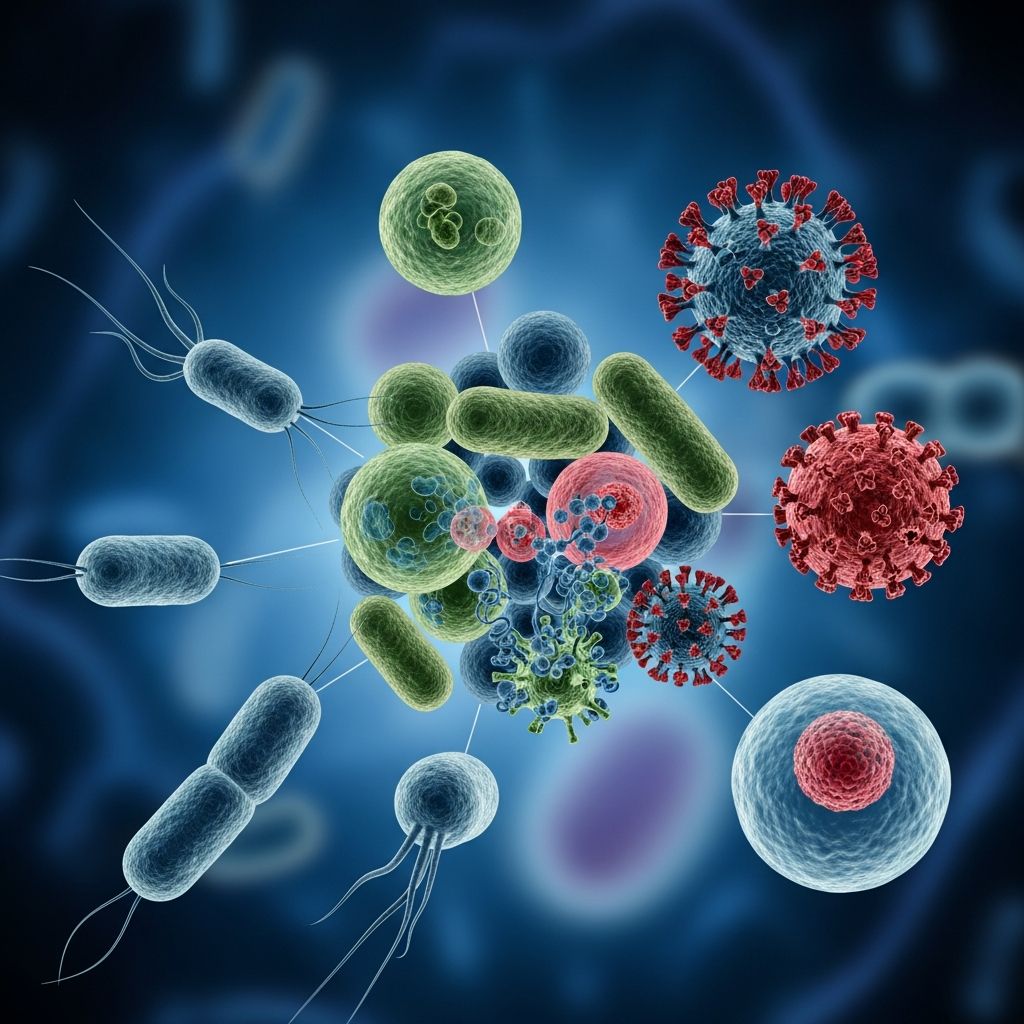
Infectious diseases remain one of the most significant threats to global health, caused by microscopic pathogens that can spread rapidly among populations. These illnesses, ranging from mild colds to deadly pandemics, affect millions annually and underscore the importance of vigilance, hygiene, and medical advancements.
What Defines an Infectious Disease?
An
infectious disease
occurs when harmful microorganisms invade the body, multiply, and disrupt normal functions. Pathogens such as bacteria, viruses, fungi, and parasites are the culprits, entering through various routes and triggering immune responses that manifest as symptoms. Unlike chronic conditions, these diseases can transmit from person to person, animal to human, or via environmental vectors, making containment challenging.Historically, epidemics like the 1918 influenza pandemic killed around 40 million people, highlighting their potential scale. Today, diseases like HIV/AIDS, malaria, and tuberculosis persist, while emerging threats such as novel coronaviruses demand ongoing research and preparedness.
Major Types of Pathogens
Pathogens vary in structure and behavior, influencing how diseases spread and are treated. Here’s a breakdown:
- Bacteria: Single-celled organisms like Streptococcus causing strep throat or Vibrio cholerae behind cholera. Many respond to antibiotics, but resistance is rising.
- Viruses: Smaller entities needing host cells to replicate, responsible for flu, COVID-19, and HIV. Antivirals target them, but vaccines are primary defenses.
- Fungi: Yeasts and molds causing infections like candidiasis or aspergillosis, often in immunocompromised individuals.
- Parasites: Complex organisms like protozoa (malaria’s Plasmodium) or worms, thriving in tropical regions.
Over 60% of human infectious diseases are zoonotic, jumping from animals to humans, such as rabies or Ebola.
Pathways of Transmission
Understanding how pathogens spread is crucial for interruption. Common modes include:
| Transmission Type | Examples | Prevention Measures |
|---|---|---|
| Direct Contact | Skin-to-skin (e.g., MRSA), sexual (STDs like gonorrhea) | Handwashing, safe sex practices |
| Droplet | Coughing/sneezing (flu, whooping cough) | Masks, distancing |
| Airborne | Long-distance aerosols (TB, measles) | Ventilation, N95 masks |
| Vector-Borne | Mosquito bites (malaria, dengue) | Insect repellents, nets |
| Food/Water | Contaminated sources (salmonella, E. coli) | Cooking, clean water |
Vector-borne diseases account for over 17% of infections, causing more than 1 million deaths yearly, primarily in vulnerable populations.
From Exposure to Illness: The Disease Timeline
Not every exposure leads to disease. Key phases include:
- Incubation Period: Time from entry to symptoms (e.g., 2-14 days for COVID-19).
- Prodromal Stage: Mild, vague symptoms like fatigue.
- Acute Phase: Peak symptoms such as fever or rash.
- Convalescence: Recovery, where individuals may still be contagious.
Factors like age, immunity, and pathogen load determine severity. Immunocompromised people, such as those with HIV or on chemotherapy, face higher risks.
Recognizing Symptoms and Seeking Diagnosis
Symptoms vary widely: fever, cough, diarrhea, rashes, or fatigue signal potential infection. Diagnostic tools include:
- Blood tests for antibodies or pathogens.
- Cultures from swabs or fluids.
- Imaging like X-rays for pneumonia.
- PCR tests for viral detection.
Clinicians use guides compliant with CDC and WHO standards, covering assessment findings, complications, and tests for over 160 diseases. Prompt diagnosis prevents complications like sepsis or organ failure.
Treatment Approaches
Treatment targets the pathogen:
- Antibiotics: For bacteria, but overuse fuels resistance (e.g., MRSA).
- Antivirals: For influenza or herpes.
- Antifungals/Antiparasitics: Specific to agents like malaria drugs.
- Supportive Care: Hydration, rest, oxygen.
Related Stories



Guidelines emphasize appropriate antibiotic use amid resistance, alongside newer agents and immunizations. Pediatric therapies, like those in Nelson’s guide, tailor doses for children.
Prevention: The First Line of Defense
Prevention outperforms cure:
- Vaccinations: Eradicated smallpox; control measles, polio.
- Hygiene: Handwashing reduces respiratory infections by 20-30%.
- Isolation: Quarantine for contagious cases.
- Vector Control: Bed nets, fumigation.
- Safe Practices: Food handling, water treatment.
Evidence-based strategies prevent healthcare-associated infections, using icons for safety alerts in clinical settings.
Global and Emerging Challenges
Infectious diseases transcend borders via travel and trade. Neglected tropical diseases like leishmaniasis affect the poorest, while climate change expands vector ranges. Re-emerging threats (e.g., antibiotic-resistant TB) and bioterrorism risks require vigilance.
Regions face unique burdens: tropical areas grapple with malaria, while urban centers see STD surges. Geopolitical factors, like migration, amplify spread.
Special Considerations for At-Risk Groups
Children: Vulnerable to rotavirus, pneumococcal disease; vaccines are key.
Elderly/Immunocompromised: Higher pneumonia, fungal risks.
Pregnant Individuals: Zika, rubella threats to fetus.
Hospital settings demand strict protocols to curb nosocomial infections.
Your Role in Controlling Spread
Everyday actions matter: stay home when sick, cover coughs, get vaccinated. Public health relies on community compliance.
Frequently Asked Questions (FAQs)
What is the difference between bacteria and viruses?
Bacteria are living cells treatable with antibiotics; viruses hijack cells and require antivirals or vaccines.
How can I prevent foodborne illnesses?
Cook thoroughly, refrigerate promptly, wash produce, avoid cross-contamination.
Are antibiotics effective against all infections?
No, only bacterial; viral infections need different approaches to avoid resistance.
What are emerging infectious diseases?
New or rapidly increasing threats, like COVID-19, often zoonotic.
Why are vaccines important?
They build herd immunity, preventing outbreaks of diseases like measles.
Key Takeaways
- Prioritize hygiene and vaccinations.
- Recognize symptoms early.
- Follow evidence-based treatments.
- Stay informed on global threats.
References
- Lippincott’s Guide to Infectious Diseases — Wolters Kluwer. 2023. https://www.wolterskluwer.com/en/solutions/ovid/lippincotts-guide-to-infectious-diseases-8850
- INFECTIOUS DISEASES: The Clinician’s Guide — Teton Data Systems. 2024. https://www.tetondata.com/titles/65
- Comprehensive Review of Infectious Diseases — Elsevier. 2024. https://www.us.elsevierhealth.com/comprehensive-review-of-infectious-diseases-9780323881852.html
- Routledge Handbook of Infectious Diseases — Routledge. 2024. https://www.routledge.com/Routledge-Handbook-of-Infectious-Diseases-A-Geographical-Guide/Petersen-Chen-Schlagenhauf/p/book/9781032856612
- The Infectious Diseases Manual — Wiley. 2023. https://onlinelibrary.wiley.com/doi/book/10.1002/9780470757253
- Infectious Diseases: A Beginner’s Guide — YouTube (Let’s Learn Public Health). 2017-02-26. https://www.youtube.com/watch?v=9axOFtPqS0c
Similar Articles








Read full bio of Sneha Tete