Infectious Mononucleosis: Causes, Symptoms, and Treatment
Complete guide to understanding mono: transmission, symptoms, diagnosis, and recovery strategies.
Understanding Infectious Mononucleosis
Infectious mononucleosis, commonly known as mono or the kissing disease, is a contagious viral infection that primarily affects teenagers and young adults, though it can occur at any age. This condition is most commonly caused by the Epstein-Barr virus (EBV), which infects approximately 95% of the population at some point in their lives. However, not all EBV infections result in mononucleosis. The development of mono depends on various factors including age at exposure, immune system status, and individual susceptibility. Understanding this condition is essential for recognizing symptoms early and seeking appropriate medical care.
The virus spreads through saliva, respiratory secretions, and close contact, which explains why it earned the nickname the kissing disease. College students and individuals in close-quarters environments experience higher transmission rates, with health centers reporting dozens of cases each semester. The infection typically develops four to six weeks after exposure to the virus, though symptoms may appear more rapidly in young children.
How Mono Spreads
Infectious mononucleosis spreads primarily through saliva and close personal contact. Understanding the transmission routes helps individuals take appropriate precautions to reduce infection risk.
Primary transmission methods include:
– Kissing an infected person
– Sharing utensils, cups, or drinking glasses
– Sexual contact with an infected individual
– Respiratory droplets from coughing or sneezing
– Sharing personal items like toothbrushes or food
An important consideration is the extended contagious period. People can transmit the virus for up to 18 months following initial symptom onset. This prolonged contagiousness means that even individuals who feel recovered may still spread the infection to others. Because most people will encounter the viruses causing mono at some point in their lives, complete prevention is nearly impossible. However, maintaining good hygiene practices such as frequent handwashing, covering your mouth when coughing or sneezing, and avoiding sharing personal items can help reduce transmission of mono and other infectious illnesses.
Recognizing Symptoms
The symptoms of infectious mononucleosis develop gradually and may not appear simultaneously. Most people begin experiencing symptoms four to six weeks after infection, though this timeline can vary. Recognizing these symptoms is crucial for obtaining timely diagnosis and appropriate care.
Common symptoms include:
– Extreme fatigue and weakness
– Fever (typically 100.4°F or higher)
– Severe sore throat
– Swollen lymph nodes in the neck and armpits
– Headaches and body aches
– Chills and sweats (day or night)
– Nausea
– Cough
– Difficulty swallowing
– Decreased appetite
Less common symptoms may include:
– Swollen liver or spleen
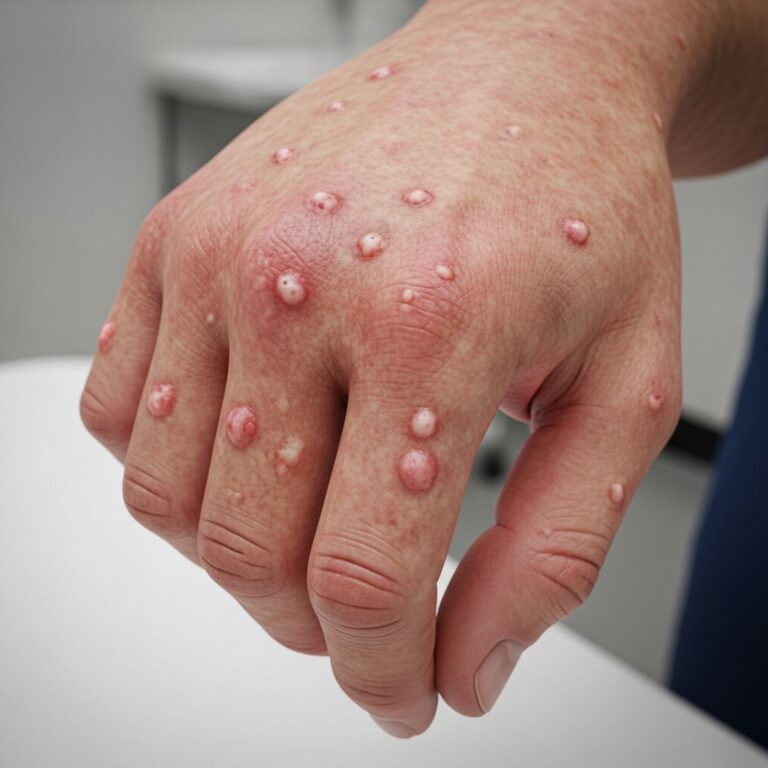
– Skin rash
– Puffy eyes
– Sensitivity to light
– Chest pain
Many patients initially believe they have strep throat due to symptom overlap. However, mono typically causes a sore throat that does not improve with antibiotic treatment, whereas strep throat responds well to antibiotics. This distinction is important for proper diagnosis and avoiding unnecessary antibiotic use. Young children often experience milder symptoms such as slight fever, tiredness, and poor appetite, while teenagers and adults tend to develop more severe manifestations of the disease.
Diagnosis and Testing
Accurate diagnosis of infectious mononucleosis requires careful evaluation by a healthcare provider. Your doctor may diagnose mono based on symptoms and physical examination alone, particularly if classic signs are present. However, laboratory testing confirms the diagnosis definitively.
Diagnostic methods include:
– Clinical evaluation based on symptoms and physical examination
– Blood tests to detect elevated monocyte counts
– Antibody tests to identify EBV infection
– Throat culture if strep throat is suspected concurrently
Blood tests revealing elevated monocyte counts combined with typical mono symptoms confirm the diagnosis. The presence of heterophile antibodies or EBV-specific antibodies further confirms active infection. Because symptoms can resemble other contagious illnesses including strep throat, flu, and COVID-19, professional medical evaluation ensures accurate diagnosis and appropriate treatment recommendations.
Related Stories



Treatment and Management
Since infectious mononucleosis is caused by a virus, antibiotics do not provide treatment benefit. Unlike bacterial infections, antiviral medications are not available for mono. Instead, treatment focuses on managing symptoms and supporting the body’s natural recovery process through rest and hydration.
First-line treatment approaches:
– Get plenty of rest and increase sleep duration
– Stay well-hydrated by drinking fluids, especially water
– Take over-the-counter pain relievers for fever and discomfort
– Eat nutritious foods to support recovery
– Avoid strenuous activity and contact sports for four weeks
Over-the-counter medications such as acetaminophen (Tylenol) or ibuprofen (Motrin, Advil) effectively relieve pain, sore throat, and fever. For maximum symptom relief, some healthcare providers recommend alternating between acetaminophen and ibuprofen every three hours. For example, take acetaminophen at 9 a.m., ibuprofen at noon, acetaminophen at 3 p.m., and so on. This approach can provide more consistent relief during the acute illness phase.
Important medication considerations:
Do not give aspirin to children or teenagers recovering from mono-like symptoms, as aspirin has been associated with Reye syndrome, a rare but potentially serious condition affecting the brain and liver. Similarly, avoid penicillin-based antibiotics such as ampicillin or amoxicillin, which can cause rash in people with mono even though these antibiotics do not treat the viral infection itself.
In cases of severe swelling and inflammation, a healthcare provider may prescribe corticosteroids for five to seven days to help reduce symptoms and facilitate recovery. However, corticosteroids are not routinely recommended due to immunosuppression concerns and are typically reserved for significant complications. If airway obstruction occurs, corticosteroids may be indicated along with appropriate medical management.
Alcohol, Exercise, and Activity Restrictions
Mono affects both the liver and spleen, requiring specific precautions during recovery. Healthcare providers strongly recommend avoiding alcohol consumption for four weeks following symptom onset, as alcohol can further stress the liver during the recovery period. Additionally, because mono can cause splenic enlargement, contact sports and strenuous physical activity should be avoided for approximately four weeks to prevent splenic rupture.
During the acute phase of illness, most people feel too fatigued to exercise anyway. Rather than fighting the fatigue, patients should embrace rest and allow their bodies time to heal. Light activities such as gentle walking or short outdoor time may be acceptable as symptoms improve, but high-impact exercise should wait until full recovery.
Recovery Timeline and Expectations
Most people recover from infectious mononucleosis within two to four weeks. However, recovery times vary significantly between individuals. Some people feel substantially better after one to two weeks, while others may need three to four weeks for complete recovery. Fatigue often lingers longer than other symptoms, and some individuals experience residual fatigue even after other symptoms resolve.
During recovery, patience and gentleness with yourself is essential. Avoid pushing yourself too hard too quickly, as premature return to full activity can prolong illness. Some people experience persistent enlargement of the liver or spleen even after fatigue resolves, requiring continued caution with strenuous activity.
When to Seek Medical Attention
Contact a healthcare provider if you experience:
– Severe sore throat that prevents swallowing liquids
– High fever that does not respond to over-the-counter medications
– Persistent severe headache
– Chest pain or difficulty breathing
– Severe abdominal pain (suggesting enlarged spleen)
– Symptoms lasting more than four weeks
– Yellowing of skin or eyes (jaundice)
– Extreme weakness or difficulty staying hydrated
Additionally, if you suspect you have mono, seeking professional evaluation ensures accurate diagnosis and rules out other serious conditions requiring different treatment approaches.
Frequently Asked Questions
Q: Is mono contagious?
Yes, infectious mononucleosis is highly contagious and spreads through saliva and close personal contact. People can transmit the virus for up to 18 months after initial symptom onset. However, practicing good hygiene such as handwashing, avoiding sharing personal items, and covering your mouth when coughing or sneezing reduces transmission risk.
Q: Can antibiotics treat mono?
No, antibiotics do not treat mononucleosis because it is a viral infection, not a bacterial infection. Antibiotics only work against bacterial infections. However, if you develop a secondary bacterial infection such as strep throat alongside mono, antibiotics may be prescribed for that specific infection. Avoid penicillin-based antibiotics, which can cause rash in people with mono.
Q: How long does mono last?
Most people recover within two to four weeks, though recovery times vary individually. Some symptoms, particularly fatigue, may persist longer than others. In rare cases, symptoms can last up to four weeks or longer. Complete rest and hydration support faster recovery.
Q: What should I eat and drink while recovering from mono?
Prioritize hydration by drinking plenty of water rather than juice, coffee, or soda. Eat nutritious foods that support immune function and healing. If swallowing is difficult due to severe sore throat, consider soft foods, smoothies, or soup. Avoid alcohol for at least four weeks, as it stresses the liver which is affected by mono.
Q: Can I get mono more than once?
After recovering from mono, you typically develop immunity to the Epstein-Barr virus and do not get infectious mononucleosis again. However, the virus remains dormant in your body and can reactivate under certain circumstances, particularly if your immune system becomes severely compromised.
Prevention Strategies
While complete prevention of mono is difficult because most people encounter EBV at some point, certain measures reduce transmission risk:
– Wash hands frequently with soap and warm water
– Do not share drinks, utensils, or personal items
– Cover your mouth when coughing or sneezing
– Avoid close contact with individuals who have mono symptoms
– Maintain good overall health to support immune function
Interestingly, some healthcare providers note that getting infected with EBV earlier in life may be preferable to contracting it later when it typically causes more severe symptoms. Young children often experience milder illness compared to teenagers and adults.
References
- The Kissing Disease: How Contagious is Mono, What Are the Treatments and Other Common Questions — University of Nebraska–Lincoln Health Center. 2025. https://health.unl.edu/kissing-disease-how-contagious-mono-what-are-treatments-and-other-common-questions/
- Infectious Mononucleosis | Mono | Mono Symptoms — MedlinePlus, U.S. National Library of Medicine. Updated 2024. https://medlineplus.gov/infectiousmononucleosis.html
- About Infectious Mononucleosis (Mono) | EBV and Mono — Centers for Disease Control and Prevention. Updated 2024. https://www.cdc.gov/epstein-barr/about/mononucleosis.html
- Mononucleosis — StatPearls, National Center for Biotechnology Information. Updated 2024. https://www.ncbi.nlm.nih.gov/books/NBK470387/
- Mononucleosis – Diagnosis & Treatment — Mayo Clinic. Updated 2024. https://www.mayoclinic.org/diseases-conditions/mononucleosis/diagnosis-treatment/drc-20350333
Similar Articles








Read full bio of Sneha Tete