Infectious Mononucleosis: Understanding Viral Infection
Comprehensive guide to recognizing, managing, and recovering from glandular fever
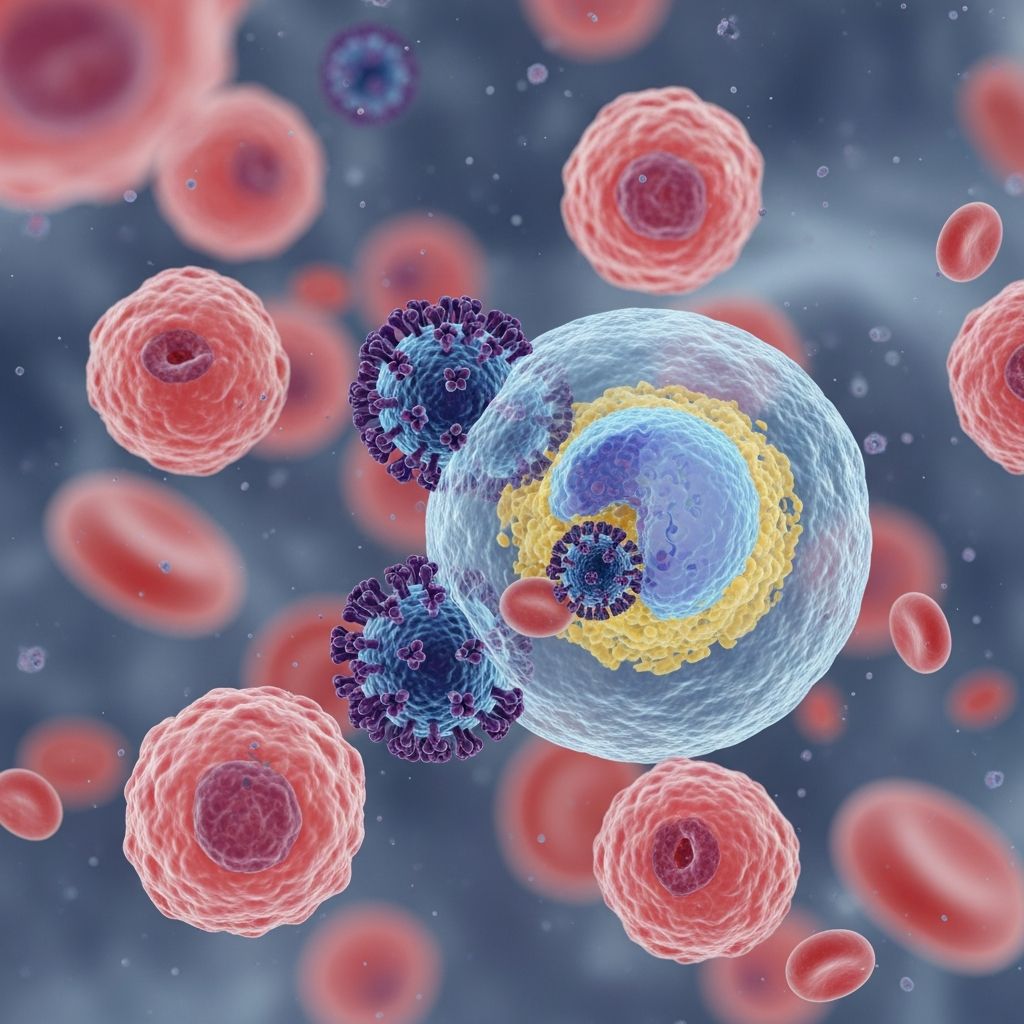
Infectious mononucleosis, commonly known as glandular fever or mono, is a viral infection caused by the Epstein-Barr virus (EBV) that predominantly impacts teenagers and young adults. This condition typically resolves on its own within two to four weeks, though symptoms can be severe enough to disrupt daily activities. While no cure exists, understanding the infection’s characteristics and implementing proper self-care strategies can significantly ease the recovery process.
What Triggers Infectious Mononucleosis: Understanding the Viral Culprit
The Epstein-Barr virus stands as the primary causative agent of infectious mononucleosis, though other pathogens can occasionally produce similar clinical presentations. The EBV belongs to the herpesvirus family and spreads predominantly through saliva contact, which explains why the infection earned the colloquial nickname “kissing disease.” This highly contagious virus transmits readily between individuals through respiratory droplets, direct saliva exchange, and contaminated surfaces.
While EBV infection occurs most dramatically in teenagers and young adults—particularly those aged 15 to 24 years—the virus actually infects the majority of the global population at some point during childhood or adolescence. When infection occurs during early childhood, the immune system typically generates antibodies without producing noticeable symptoms. The virus then remains dormant within throat and blood cells for life, conferring lasting immunity that prevents reinfection. However, individuals who encounter the infection during their teenage years or young adulthood face significantly higher probability of developing the characteristic clinical syndrome.
Beyond EBV, cytomegalovirus and rubella can occasionally trigger infectious mononucleosis-like illness. Additionally, parasitic infections such as toxoplasmosis may produce similar symptomatology, highlighting the importance of proper diagnostic evaluation.
Recognizing Infectious Mononucleosis: Key Clinical Manifestations
The presentation of infectious mononucleosis varies considerably among affected individuals, with symptom severity ranging from mild to debilitating. Most people experience a constellation of flu-like symptoms that develop over several days, mimicking other common infections.
Primary and Secondary Symptoms
The characteristic triad of infectious mononucleosis includes:
- Elevated body temperature, typically reaching 38°C (100.4°F) or higher
- Pronounced throat inflammation accompanied by pain during swallowing
- Extreme fatigue and profound weakness affecting physical function
Beyond this primary trio, individuals frequently experience additional manifestations that contribute to overall illness burden:
- Enlarged lymph nodes in the neck, armpits, elbows, or groin regions
- Myalgia and arthralgia (muscle and joint discomfort)
- Headache and general malaise
- Loss of appetite and nausea
- Periorbital edema (swelling and puffiness around the eyes)
- Non-pruritic rash that may be harder to detect on darker skin tones
Organ System Involvement
The immune system’s response to EBV infection triggers notable enlargement of lymph nodes and spleen. The spleen, positioned beneath the ribs on the abdomen’s left side, frequently swells as the body combats the infection, potentially causing discomfort in the upper left abdominal region. Approximately half of infected individuals experience splenomegaly (spleen enlargement). Some people develop jaundice, characterized by yellowing of skin and sclera, though this complication affects only about four percent of cases and typically resolves during recovery.
Related Stories



The throat inflammation in infectious mononucleosis often includes exudate—a fluid deposit surrounding the tonsils and pharynx—which can be mistaken for bacterial strep throat infection. This distinction proves crucial, as antibiotics commonly prescribed for strep infection prove ineffective against viral infectious mononucleosis.
Diagnostic Approaches: Confirming Infectious Mononucleosis
Since infectious mononucleosis presents with symptoms overlapping with other conditions like strep throat and viral tonsillitis, clinical confirmation becomes important for appropriate management. Healthcare providers typically order blood tests to detect Epstein-Barr virus antibodies, confirming the diagnosis. An important diagnostic consideration involves timing: tests may produce false-negative results during the very early stages of illness, before sufficient antibodies develop. Therefore, if initial testing proves negative but clinical suspicion remains high, repeat testing may be warranted.
Complete blood cell counts may reveal characteristic lymphocytosis (elevated white blood cell counts), supporting the diagnosis. Liver function tests can assess hepatic involvement if jaundice appears.
Managing Infectious Mononucleosis: Self-Care and Symptom Relief
A fundamental principle underlying infectious mononucleosis management involves accepting that no specific antiviral cure exists, and the body’s immune system ultimately conquers the infection. This means treatment focuses entirely on symptom management and supporting the body’s natural healing processes. Most individuals experience substantial symptom improvement within two to four weeks, though complete recovery and restoration of normal energy levels may require additional weeks.
Essential Recovery Strategies
Rest and Activity Modification: Complete rest remains paramount, particularly during the initial illness phase when symptoms peak. The extreme fatigue characteristic of infectious mononucleosis reflects the body’s intensive immune response and indicates the need for reduced activity demands. As recovery progresses and energy improves, light exercise may gradually help rebuild muscle strength and cardiovascular conditioning.
Hydration Management: Adequate fluid intake prevents dehydration, especially when fever elevates temperature or sore throat pain complicates swallowing. Consuming frequent small sips rather than large volumes facilitates hydration when throat discomfort makes drinking difficult. Water, electrolyte solutions, and non-acidic beverages prove most tolerable.
Symptom-Specific Comfort Measures: Over-the-counter analgesics like paracetamol and ibuprofen reduce fever and discomfort when taken as directed. Importantly, aspirin should never be administered to children under 16 years old due to the risk of Reye syndrome. For throat discomfort, gargling with warm salt water and consuming sugar-free lozenges provide localized relief.
Why Antibiotics Fail Against Infectious Mononucleosis
A critical misconception involves antibiotic efficacy in infectious mononucleosis treatment. Antibiotics target bacterial pathogens through mechanisms that do not affect viruses. Since EBV infection is fundamentally viral, antibiotic administration provides no benefit and potentially contributes to antimicrobial resistance development. However, if secondary bacterial infection develops—a rare complication occurring primarily in immunocompromised individuals—appropriate antibiotics may become necessary.
Potential Complications: When to Seek Medical Attention
Although most individuals recover without serious complications, infectious mononucleosis can occasionally trigger secondary conditions requiring medical intervention. Potential complications include:
- Anemia resulting from reduced blood cell production
- Secondary infections such as pneumonia
- Neurological conditions including Guillain-Barré syndrome or Bell’s palsy
- Hepatic inflammation causing jaundice that typically resolves independently
Immediate emergency evaluation is necessary if individuals develop difficulty swallowing, breathing difficulty, or severe abdominal pain. These symptoms may indicate airway compromise or splenic rupture, both requiring urgent medical assessment.
Preventing Transmission: Protecting Others During Infection
Although infectious mononucleosis confers no requirement for isolation from the broader community, basic hygiene practices minimize viral transmission. Regular hand disinfection, avoiding direct saliva contact (particularly kissing), and cleaning frequently touched surfaces reduce infection risk for close contacts. The virus spreads most readily during the acute illness phase when viral shedding peaks, though infected individuals may transmit the infection even after symptom resolution.
Long-Term Immunity and Reinfection Prospects
One positive aspect of infectious mononucleosis involves the robust immunity developed after primary infection. The immune system produces specific antibodies that provide lifelong protection against reinfection with the same EBV strain. Reinfection with infectious mononucleosis remains exceptionally rare in immunocompetent individuals. However, individuals with weakened immune systems face potential viral reactivation, resulting in symptom recurrence. No vaccine currently exists to prevent initial EBV infection, though research continues toward vaccine development.
Post-Illness Activity Progression: Returning to Normal Function
The fatigue associated with infectious mononucleosis often persists longer than other acute symptoms, sometimes lasting up to six months in some cases. Due to the potential for spleen enlargement and associated inflammation, individuals should restrict strenuous physical activity and competitive sports for at least one month following symptom onset. Gradual activity progression, as tolerated, facilitates safe return to normal function without triggering relapse.
Frequently Asked Questions About Infectious Mononucleosis
Can infectious mononucleosis recur after initial infection?
Reinfection with infectious mononucleosis is exceptionally uncommon in individuals with normal immune function, as the antibodies produced during initial infection provide lasting immunity. Only those with significantly compromised immune systems face potential viral reactivation.
How long does infectious mononucleosis typically last?
Most acute symptoms improve within two to four weeks. However, fatigue may persist for weeks or months beyond acute symptom resolution, requiring patience and gradual activity progression.
Is infectious mononucleosis contagious after symptoms disappear?
Yes, viral shedding continues even after symptom improvement, meaning transmission remains possible. Practicing good hygiene practices helps protect close contacts throughout recovery and convalescence.
Why does treatment focus only on symptom management?
The viral nature of infectious mononucleosis means the immune system must eliminate the pathogen—no antiviral medication directly cures EBV infection. Treatment therefore addresses patient comfort while allowing natural immune resolution.
Conclusion: Moving Forward After Diagnosis
Infectious mononucleosis represents a common but usually self-limited viral infection predominantly affecting young adults. While the illness can cause significant temporary disability through fever, throat pain, and incapacitating fatigue, understanding that recovery occurs naturally without pharmacologic intervention provides reassurance. Implementing consistent rest, maintaining hydration, and using over-the-counter symptom management strategies facilitates comfortable recovery. Recognition of warning signs that warrant emergency evaluation ensures appropriate intervention if complications arise. By following evidence-based self-care recommendations and respecting the body’s healing timeline, most individuals achieve full recovery and return to their normal activities.
References
- Glandular fever: symptoms, causes, diagnosis and treatments — Health Service Executive (HSE). 2024. https://www2.hse.ie/conditions/glandular-fever/
- Glandular fever: Symptoms, treatment, causes, and diagnosis — Medical News Today. 2024. https://www.medicalnewstoday.com/articles/167390
- Glandular fever — Better Health Channel. 2024. https://www.betterhealth.vic.gov.au/health/conditionsandtreatments/glandular-fever
- Glandular fever — National Health Service (NHS). 2024. https://www.nhs.uk/conditions/glandular-fever/
- About Epstein-Barr Virus (EBV) — Centers for Disease Control and Prevention (CDC). 2024. https://www.cdc.gov/epstein-barr/about/index.html
Similar Articles








Read full bio of medha deb