Inflamed Sinuses: Why Watching and Waiting Works Best
Learn why the watch-and-wait approach is often the best treatment for inflamed sinuses and sinus infections.
Understanding Inflamed Sinuses and the Watch-and-Wait Approach
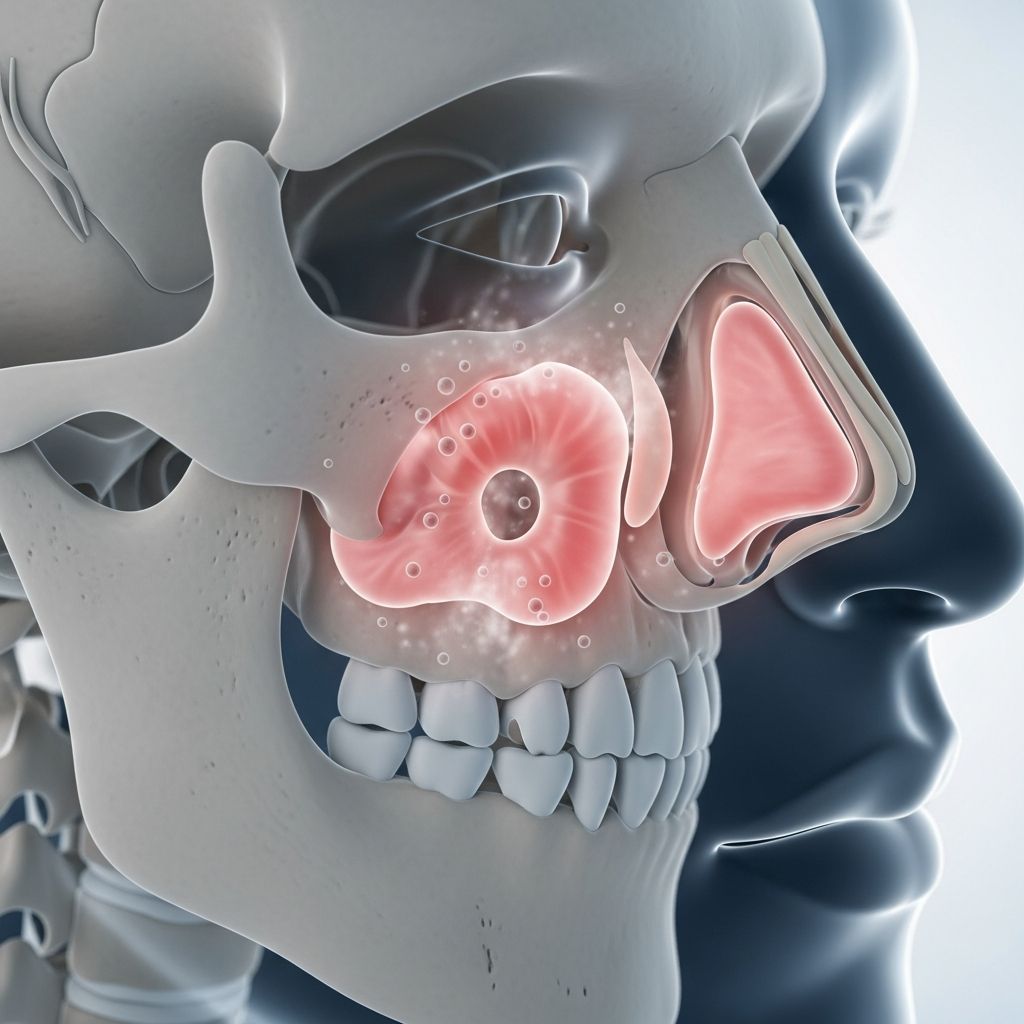
Inflamed sinuses, commonly referred to as sinusitis, affect millions of people each year and represent one of the most frequently encountered conditions in primary care settings. When your sinuses become inflamed, they produce symptoms ranging from facial pressure and nasal congestion to headaches and persistent cough. For decades, the standard response to these symptoms was to prescribe antibiotics immediately. However, modern medical evidence has shifted this approach dramatically. Today’s clinical guidelines emphasize a more conservative strategy known as the “watch-and-wait” or “watchful waiting” approach, which involves monitoring symptoms before resorting to antibiotics.
The watch-and-wait strategy is now the preferred initial approach for most cases of acute sinus infections because research demonstrates that the vast majority of these infections resolve on their own without antibiotic intervention. Understanding this shift in medical practice can help you make informed decisions about your health and work more effectively with your healthcare provider.
Why Most Sinus Infections Resolve on Their Own
One of the most important facts about sinus infections is that up to 80 percent of acute sinusitis cases resolve spontaneously within two weeks without any antibiotic treatment. This statistic forms the cornerstone of the watch-and-wait philosophy. The majority of sinus infections are caused by viruses, not bacteria, and viral infections do not respond to antibiotics regardless of how severe the symptoms appear. Even when bacteria cause the infection, the body’s immune system often successfully clears the infection on its own.
This natural resolution occurs because the sinuses have built-in mechanisms to drain and clear themselves. Healthy sinuses are lined with ciliated epithelial cells that continuously move mucus toward the nose and throat, helping to eliminate both virus particles and bacterial organisms. When inflammation temporarily disrupts this natural drainage process, symptoms may worsen temporarily before improving as the inflammation subsides and normal drainage resumes.
The Dangers of Unnecessary Antibiotic Use
While antibiotics might seem like a harmless solution, unnecessary use carries real risks. The overuse and misuse of antibiotics has contributed significantly to the development of antibiotic-resistant bacteria—microorganisms that can no longer be effectively treated with standard medications. This growing resistance means that when antibiotics are genuinely needed for a serious infection, they may not work as effectively as they once did.
Additionally, antibiotics carry potential side effects including gastrointestinal disturbances, allergic reactions, and in some cases, serious complications like Clostridioides difficile infections that can develop after antibiotic use. By reserving antibiotics for cases where they are truly necessary, you reduce your risk of experiencing these adverse effects while also protecting public health by slowing the development of antibiotic resistance.
When Antibiotics Are Actually Needed
While the watch-and-wait approach is appropriate for most cases, certain situations do warrant antibiotic treatment. Healthcare providers typically consider prescribing antibiotics when symptoms are severe, progressively worsening, or persist beyond the initial period of observation. Specifically, antibiotics may be recommended if you experience:
Related Stories



– Severe symptoms that significantly interfere with daily activities and do not improve with supportive care- Symptoms that worsen after an initial period of improvement- Symptoms lasting more than 10 days without showing signs of improvement- High fever or signs suggesting a serious bacterial infection- Immunocompromised status or critical illness- Complications such as orbital cellulitis or meningitis
For patients who do require antibiotic treatment, amoxicillin remains the first-line choice, typically prescribed as a 5 to 10-day course at 500 mg three times daily. Penicillins and cephalosporins appear equally effective for treating bacterial sinusitis. If a patient cannot tolerate penicillin-based antibiotics or the infection does not respond to initial treatment, alternative options may be considered under medical supervision.
Evidence-Based Symptomatic Treatment Options
Rather than jumping to antibiotics, the watch-and-wait approach emphasizes proven symptomatic treatments that can provide relief while your body fights off the infection naturally. These evidence-based strategies address the underlying inflammation and help restore normal sinus drainage and comfort.
Nasal Saline Irrigation and Sprays
One of the most effective and safest treatments for sinus inflammation is nasal saline irrigation. Using a specially designed squeeze bottle, neti pot, or saline rinse kit allows you to flush the nasal passages with sterile salt water. This simple technique helps clear mucus, reduce inflammation, rinse away irritants, and restore normal drainage patterns. Many patients find nasal saline irrigation provides significant relief and can be performed multiple times daily as needed.
Intranasal Corticosteroid Sprays
Nasal corticosteroid sprays work by reducing inflammation within the nasal passages and sinuses, helping to promote drainage and relieve congestion without the systemic effects of oral steroids. Common options include fluticasone (Flonase), budesonide (Rhinocort), mometasone, and beclomethasone (Beconase AQ, Qnasl). These medications are available without prescription and can be used as directed to help manage symptoms during the watch-and-wait period.
Humidity and Moisture
Keeping the nasal passages and sinuses moist is critical for supporting the body’s natural defense mechanisms and reducing discomfort. You can achieve this by breathing steam from a hot shower, bowl of hot water, or humidifier. Breathing in warm, moist air helps ease pain, promotes mucus drainage, and supports the ciliary action that clears the sinuses. Many patients find this simple, cost-free intervention provides substantial relief.
Warm Compresses and Pain Relief
Applying a warm compress over the nose and forehead can help reduce sinus pressure and relieve facial pain associated with inflammation. Over-the-counter pain relievers such as acetaminophen (Tylenol) or ibuprofen (Advil, Motrin) can address headache and facial pressure discomfort. These nonsteroidal anti-inflammatory drugs also help reduce the underlying inflammation contributing to symptoms.
Hydration and Rest
Adequate fluid intake and rest are fundamental to supporting your immune system’s natural infection-fighting capacity. Drinking plenty of water, herbal tea, and other fluids helps thin mucus secretions and support normal drainage. Getting sufficient rest allows your body to direct energy toward fighting the infection rather than other activities.
Medications and Treatments to Avoid or Use Cautiously
While certain treatments help manage sinusitis symptoms, others may provide minimal benefit or carry unnecessary risks. Antihistamines, for example, are not recommended for acute sinusitis because they can thicken mucus secretions and worsen congestion. Decongestants should only be used temporarily—for no more than 3 to 5 days—because extended use can lead to rebound congestion, a condition where nasal passages become even more congested after the medication wears off.
Mucolytic agents like guaifenesin (found in many over-the-counter cough medications) may offer some symptom relief, but scientific evidence does not demonstrate clear effectiveness specifically for acute sinusitis, despite their common use. While herbal remedies containing substances like cowslip, gentian root, elderflower, verbena, and sorrel may provide some assistance, no alternative therapies have been conclusively proven to ease acute sinusitis symptoms. Always consult your healthcare provider before taking herbal or dietary supplements to ensure they are safe and will not interact with other medications you take.
The Timeline for Watchful Waiting
Current clinical guidelines recommend that healthcare providers generally wait 7 to 14 days before prescribing antibiotics for uncomplicated acute sinusitis, even when bacterial infection is suspected. This observation period allows time for the natural resolution that occurs in most cases while still providing an opportunity to intervene if symptoms worsen or persist beyond initial expectations. During this waiting period, focus on the evidence-based symptomatic treatments outlined above to maximize comfort and support your body’s healing process.
When Surgical Intervention May Be Necessary
In the vast majority of acute sinusitis cases, surgical intervention is not required. However, certain situations may necessitate more aggressive treatment. Acute frontal sinusitis that does not respond to conservative therapy, including intravenous antibiotics for 3 to 5 days, may eventually require surgical drainage. Immunocompromised or critically ill patients with acute maxillary sinusitis, as well as patients with isolated acute sphenoid sinusitis who show no improvement with intravenous antibiotics within 24 hours, may also need surgical evaluation. Fortunately, these scenarios represent a small minority of acute sinusitis cases.
Differentiating Acute from Chronic Sinusitis
It is important to recognize that acute sinusitis—occurring suddenly and typically lasting less than four weeks—differs significantly from chronic sinusitis, which persists for 12 weeks or longer. Chronic sinusitis typically does not result from bacterial infection and therefore does not respond well to antibiotic therapy. Instead, chronic sinusitis management focuses on long-term control of inflammation through intranasal corticosteroids, proper hygiene, and identification and management of underlying allergies or other contributing factors. If you experience recurrent or persistent sinus symptoms, discuss with your healthcare provider whether you might have chronic rather than acute sinusitis, as the treatment approaches differ substantially.
Patient Education and Shared Decision-Making
Modern clinical practice guidelines emphasize the importance of patient education and shared decision-making between patients and healthcare providers. Rather than automatically prescribing antibiotics, effective healthcare providers discuss the watch-and-wait approach, explain why most sinus infections resolve without antibiotics, review appropriate symptomatic treatments, and establish clear criteria for when antibiotic treatment would become appropriate if symptoms worsen or persist. This collaborative approach empowers patients to participate actively in their care decisions and contributes to more appropriate antibiotic use throughout the population.
Frequently Asked Questions
How long should I wait before seeking antibiotics for sinusitis?
Most healthcare providers recommend waiting 7 to 14 days while using symptomatic treatments before prescribing antibiotics for uncomplicated acute sinusitis. However, if symptoms are severe, progressively worsening, or you have risk factors for complicated infection, antibiotics may be appropriate sooner. Always discuss your individual situation with your healthcare provider.
Will watching and waiting make my infection worse?
No. Research consistently shows that the watch-and-wait approach with supportive care does not lead to worse outcomes for most patients with acute sinusitis. In fact, since most infections resolve naturally, this approach avoids unnecessary antibiotic exposure while still providing effective symptom management.
Is saline irrigation safe to use daily?
Yes, nasal saline irrigation is very safe and can be used multiple times daily as needed. It has no systemic side effects and is one of the most effective symptomatic treatments available. Always use sterile saline solution and clean equipment according to manufacturer instructions.
Can I use decongestants for extended sinus congestion relief?
Decongestant nasal sprays should only be used for 3 to 5 days maximum. Extended use leads to rebound congestion, where nasal passages become even more congested when the medication wears off, potentially worsening your symptoms. Oral decongestants carry different risks and should be used cautiously. Ask your healthcare provider for guidance on decongestant use.
What should I do if my symptoms don’t improve after 10 days?
If symptoms persist or worsen after 10 days of watchful waiting with supportive care, contact your healthcare provider. This may indicate a need for antibiotics or evaluation for complications or alternative diagnoses. Do not self-treat with antibiotics; always involve your healthcare provider in this decision.
Are antibiotics ever prescribed immediately for sinusitis?
Yes. If you have severe symptoms that significantly impair function, signs of serious infection, immunocompromised status, or concerning complications, your healthcare provider may prescribe antibiotics immediately without a waiting period. Severe cases require prompt evaluation and appropriate treatment decisions based on your individual circumstances.
References
- Acute Sinusitis — National Center for Biotechnology Information (NCBI), StatPearls. 2024. https://www.ncbi.nlm.nih.gov/books/NBK547701/
- Acute Sinusitis: Diagnosis and Treatment — Mayo Clinic. 2024. https://www.mayoclinic.org/diseases-conditions/acute-sinusitis/diagnosis-treatment/drc-20351677
- Sinusitis Referral Guidelines — Walter Reed National Military Medical Center, TRICARE. 2024. https://walterreed.tricare.mil/Health-Services/Hospital-Care-Surgery/Otolaryngology-Head-Neck-Surgery/Sinusitis-Referral-Guidelines
- Clinical Practice Guideline Update on Adult Sinusitis — American Academy of Otolaryngology-Head and Neck Surgery. 2024. https://www.entnet.org/resource/the-clinical-practice-guideline-update-on-adult-sinusitis-emphasizes-patient-education-shared-decision-making-and-evidence-based-treatment-options/
- Sinusitis: Symptoms, Diagnosis, Treatment & Management — American Academy of Allergy, Asthma & Immunology (AAAAI). 2024. https://www.aaaai.org/conditions-treatments/allergies/sinusitis
- Sinus Infection Basics — Centers for Disease Control and Prevention (CDC). 2024. https://www.cdc.gov/sinus-infection/about/index.html
- Adult Sinusitis: Clinical Practice Guideline — American Academy of Family Physicians (AAFP). 2024. https://www.aafp.org/family-physician/patient-care/clinical-recommendations/all-clinical-recommendations/adult-sinusitis.html
Similar Articles








Read full bio of Sneha Tete