Inflammation And High Blood Pressure: A Practical Guide
Discover the hidden link between chronic inflammation and hypertension, and learn evidence-based strategies to manage both for better heart health.
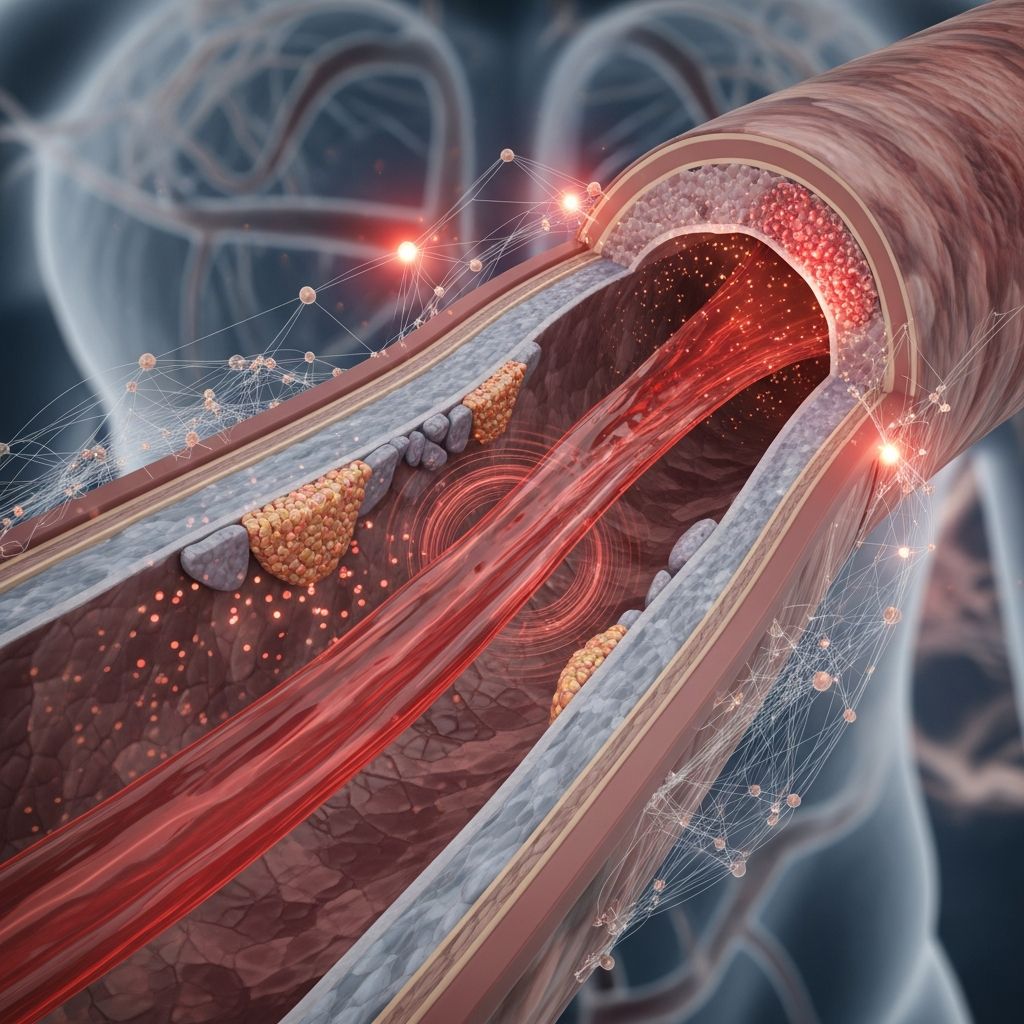
Chronic inflammation plays a pivotal role in the development and maintenance of high blood pressure, often called the “silent killer” due to its lack of symptoms until severe complications like heart disease or stroke arise.
Arterial hypertension affects millions worldwide, with inflammation exacerbating vascular damage, endothelial dysfunction, and arterial stiffness. Recent research highlights specific molecules and immune pathways linking low-grade inflammation to elevated blood pressure, offering new avenues for prevention through diet and lifestyle.
What Is Inflammation?
Inflammation is the body’s natural defense mechanism against injury or infection, involving immune cells releasing cytokines and other mediators to fight threats. Acute inflammation resolves quickly, but chronic inflammation persists, driven by ongoing stressors like poor diet, obesity, or oxidative stress.
In the context of hypertension, chronic inflammation promotes endothelial damage—the lining of blood vessels becomes impaired, leading to stiffer arteries and higher pressure. This low-grade inflammatory state is implicated in nearly half of strokes and cardiovascular events globally.
How Inflammation Causes High Blood Pressure
Inflammation contributes to hypertension through multiple pathways: oxidative stress from reactive oxygen species (ROS) in immune cells like dendritic cells activates T-cells, infiltrating kidneys and vessels to cause dysfunction. Sodium excess alters the gut microbiome, producing isolevuglandins that trigger immune activation.
- Endothelial Dysfunction: Inflammatory molecules damage vessel linings, reducing nitric oxide and increasing resistance to blood flow.
- Vascular Stiffness: Chronic exposure leads to arterial remodeling and fibrosis.
- Renal Injury: T-cells and cytokines impair sodium excretion, perpetuating hypertension.
- Inflammasome Activation: Multiprotein complexes in monocytes/macrophages cleave IL-1β and IL-18, amplifying inflammation and end-organ damage.
Studies show depleting monocytes or inhibiting inflammasomes reduces blood pressure in animal models, underscoring immune involvement.
Key Inflammatory Markers in Hypertension
Several molecules sustain the inflammatory milieu in high blood pressure patients.
Methylglyoxal (MGO)
MGO, a byproduct of high sugar intake, promotes oxidative stress and damages endothelial cells, stiffening arteries and activating pro-inflammatory cytokines. It links excessive glucose not just to diabetes but also hypertension by fostering a damaging inflammatory environment.
B-Cell Activating Factor (BAFF)
BAFF, secreted by adipose tissue, acts as an adipokine in obesity-related inflammation. It stimulates systemic responses, worsening endothelial damage, arterial stiffness, and insulin resistance, creating a vicious cycle with hypertension.
Platelet Activating Factor (PAF)
PAF, a lipid mediator, activates platelets and increases vessel permeability in hypertensive individuals, intensifying vascular inflammation. It attracts immune cells, synergizing with BAFF to heighten cardiovascular risks.
| Marker | Role in Hypertension | Sources |
|---|---|---|
| MGO | Oxidative stress, endothelial damage | Sugar-rich diets |
| BAFF | Adipose-driven inflammation, stiffness | Obesity |
| PAF | Platelet activation, permeability | Immune response |
The Role of the Immune System
Innate and adaptive immunity drive hypertension. Dendritic cells (DCs) produce ROS and present isolevuglandin-modified proteins to T-cells, promoting proliferation. T-cells infiltrate kidneys and vessels, releasing IFN-γ and causing sodium retention.
- Dendritic Cells: Initiate T-cell activation via antigens.
- T-Cells: Pro-inflammatory subsets elevate BP; regulatory T-cells (Tregs) protect.
- Myeloid-Derived Suppressor Cells (MDSCs): Dampen inflammation, limiting damage.
- Monocytes/Macrophages: Activate inflammasomes (e.g., NLRP3), releasing cytokines.
Related Stories



The spleen coordinates these interactions, highlighting immune cell crosstalk. Novel subsets like MDSCs offer therapeutic potential.
Lifestyle Factors Promoting Inflammation and Hypertension
Obesity, high-sodium diets, sedentary behavior, and chronic pain fuel inflammation. Aging exacerbates both via oxidative stress. Environmental factors like pollution add free radicals.
- High saturated fats increase PAF and cytokines.
- Excess salt disrupts microbiome, activating immunity.
- Pain induces temporary BP spikes, chronic cases sustain inflammation.
How to Reduce Inflammation and Lower Blood Pressure
Targeted interventions can break the inflammation-hypertension cycle beyond medications.
Dietary Strategies
- Reduce sugars to lower MGO; prioritize whole foods.
- Increase omega-3s from fish, nuts, olive oil to curb PAF and vascular inflammation.
- Adopt anti-inflammatory diets like Mediterranean: fruits, vegetables, whole grains.
Exercise
Daily 20-30 minute brisk walks lower BAFF, improve insulin sensitivity, and reduce cytokines. Aerobic activity dampens immune activation.
Other Tips
- Maintain healthy weight to cut adipose BAFF.
- Manage stress and pain to prevent flares.
- Limit sodium; monitor BP regularly.
| Intervention | Target | Benefits |
|---|---|---|
| Low-sugar diet | MGO | Less oxidative stress |
| Omega-3 rich foods | PAF | Reduced vessel permeability |
| Brisk walking | BAFF, cytokines | Improved endothelial function |
Frequently Asked Questions (FAQs)
Can inflammation cause high blood pressure?
Yes, chronic inflammation damages blood vessels and activates immune pathways, contributing to hypertension development.
What foods reduce inflammation for better blood pressure?
Foods rich in omega-3s (fish, nuts), antioxidants (berries, greens), and olive oil lower markers like PAF and MGO.
Does exercise help with inflammation-related hypertension?
Regular activity like walking reduces pro-inflammatory cytokines and improves vascular health.
Is the inflammasome involved in high blood pressure?
Yes, NLRP3 inflammasome in immune cells releases IL-1β/IL-18, promoting kidney and vessel damage.
Can weight loss break the inflammation-BP cycle?
Yes, reducing adipose tissue lowers BAFF and systemic inflammation.
Conclusion
Addressing chronic inflammation through diet, exercise, and lifestyle offers powerful tools to manage high blood pressure and prevent complications. Understanding markers like MGO, BAFF, PAF, and immune roles empowers proactive heart health.
References
- High blood pressure and chronic inflammation – GEK Lab — GEK Lab. 2023. https://www.geklab.com/en/high-blood-pressure-and-chronic-inflammation-how-they-interact-and-how-to-intervene/
- The role of inflammation in hypertension: novel concepts — PMC (PubMed Central). 2020-10-15. https://pmc.ncbi.nlm.nih.gov/articles/PMC7552986/
- Can Pain and Inflammation Cause High Blood Pressure? — Everlywell. 2023. https://www.everlywell.com/blog/inflammation/can-pain-and-inflammation-cause-high-blood-pressure/
- Chronic pain may increase the risk of high blood pressure in adults — American Heart Association Newsroom. 2023. https://newsroom.heart.org/news/chronic-pain-may-increase-the-risk-of-high-blood-pressure-in-adults
- What is inflammation? — British Heart Foundation. 2023. https://www.bhf.org.uk/informationsupport/heart-matters-magazine/research/what-is-inflammation
Similar Articles








Read full bio of medha deb