Inflammation And The Immune System: 4 Natural Tips To Reduce It
Understand how chronic inflammation drives arthritis and learn ways to support your immune system for better health.
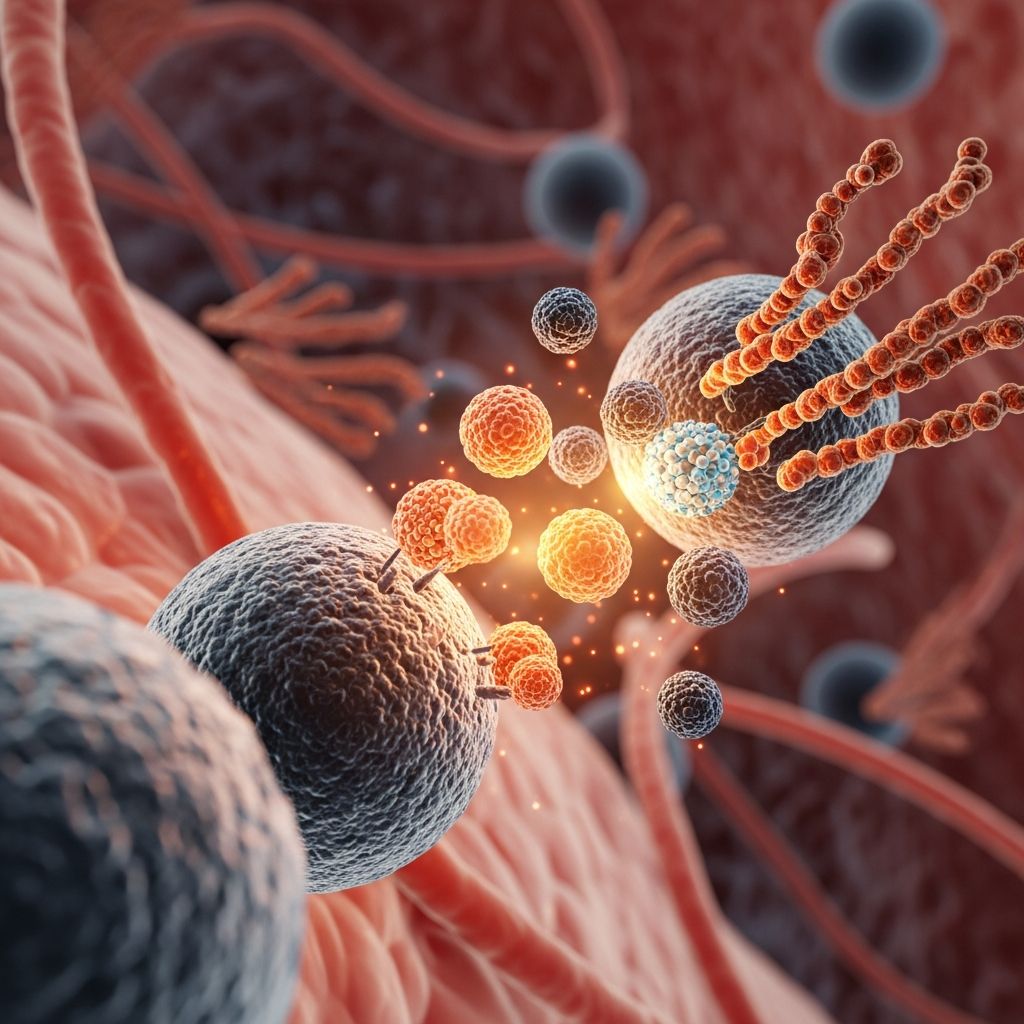
Body-wide inflammation lies at the heart of most chronic diseases, including various forms of arthritis, yet individuals often have more influence over it than they realize.
What Is Inflammation?
Inflammation represents the body’s natural defense mechanism, orchestrated by the immune system to combat infections, heal injuries, and eliminate cellular debris. A healthy immune system activates this response precisely when needed and deactivates it once the threat is neutralized.
Acute inflammation, the short-term variety, manifests as pain, redness, swelling, and warmth—familiar after twisting an ankle or battling a sinus infection. Here, immune cells release chemicals to isolate the injury, fight pathogens, and promote repair. In an ideal scenario, this “torrent” of activity slows to a trickle as healing progresses.
However, chronic inflammation emerges when this process malfunctions. Factors like aging, obesity, and diets high in processed foods disrupt immune cell communication and interactions with the microbiome. Without the signal to stop, white blood cells—the body’s first responders—continue flooding tissues, leading to persistent damage.
Acute vs. Chronic Inflammation
- Acute Inflammation: Short-lived (hours to days), protective, resolves naturally. Examples: cuts, infections.
- Chronic Inflammation: Long-term (months to years), damaging, linked to diseases like rheumatoid arthritis (RA), psoriatic arthritis (PsA), and gout. It erodes joints, organs, and overall health.
In inflammatory arthritis, the immune system turns rogue, attacking healthy joint tissues instead of invaders. This overactivity releases inflammatory chemicals that swell joints, thicken synovial linings, and erode cartilage and bone.
The Immune System’s Role in Arthritis
The immune system comprises innate and adaptive components. The innate arm provides immediate, broad defense—think rapid swelling from a cut. The adaptive arm learns over time, deploying targeted antibodies.
In autoimmune arthritis like RA, the adaptive immune system errs, mistaking joint cells for threats. Antibodies bind to self-tissues, triggering attacks on the synovium—the joint-lining membrane that lubricates movement. This causes pain, stiffness, and deformity if unchecked.
Autoinflammatory types, such as systemic juvenile idiopathic arthritis (SJIA), stem from innate immune glitches. Unprovoked flares produce high fevers, rashes, and widespread inflammation without specific antibodies.
| Type | Immune Component | Examples | Key Features |
|---|---|---|---|
| Autoimmune | Adaptive | RA, PsA | Antibodies attack joints; chronic progression. |
| Autoinflammatory | Innate | SJIA | Sudden flares, fevers, no antibodies. |
| Mixed | Both | Some JIA subtypes | Genetic + environmental triggers. |
Genetics play a role, with over a dozen JIA-linked genes identified, but environmental triggers like viruses activate them in susceptible individuals.
The Microbiome: Your Immune System’s Teacher
Trillions of microbes—bacteria, viruses, fungi—form the microbiome, primarily in the gut but also on skin and elsewhere. These “friendly” organisms train the immune system to distinguish friend from foe, regulate inflammation, and digest food.
Related Stories



A balanced microbiome fosters diversity, suppresses pathogens, and signals immune cells via T cells—some pro-inflammatory, others suppressive. Disruptions, termed dysbiosis, allow inflammatory microbes to dominate.
Studies reveal reduced microbial diversity in RA, PsA, gout, and ankylosing spondylitis patients. Loss of protective bacteria impairs regulation, letting inflammatory chemicals leak from the gut into the bloodstream, attacking distant joints and organs.
Gut barrier breakdown, or “leaky gut,” exacerbates this: large molecules escape, provoking systemic responses. Aging, antibiotics, poor diet, and stress tip this balance.
How Chronic Inflammation Develops
Several pathways converge to perpetuate chronic inflammation:
- Microbiome Imbalance: Pro-inflammatory microbes overgrow, skewing T-cell activity.
- Immune Miscommunication: White cells fail to deactivate, flooding tissues.
- Leaky Gut: Toxins enter blood, triggering widespread attacks.
- Lifestyle Factors: Obesity amplifies cytokines; Western diets lack anti-inflammatory nutrients.
In RA, this assaults the synovium, causing tenderness, swelling, and immobility. Untreated, it spreads to heart, lungs, and eyes.[10]
Health Impacts Beyond Joints
Chronic inflammation fuels not just arthritis but heart disease, diabetes, and cancer. In inflammatory arthritis, elevated infection risk arises from immune dysregulation and treatments.
Joints suffer swelling and erosion, but systemic effects include fatigue, fever, and organ damage. RA, for instance, heightens cardiovascular risks via vessel inflammation.[10]
Managing Inflammation and Supporting Immunity
You can influence this process through lifestyle:
- Diet: Emphasize anti-inflammatory foods—berries, fatty fish, greens, nuts. Antioxidants bolster immunity; avoid sugars and trans fats.
- Exercise: Moderate activity reduces cytokines; aim for 150 minutes weekly.
- Sleep & Stress: Poor sleep disrupts microbiome; mindfulness aids regulation.
- Probiotics: Emerging research supports targeted strains for gut health in arthritis.
Medications like DMARDs and biologics target immune overactivity, but lifestyle forms the foundation.
Frequently Asked Questions (FAQs)
What is the difference between acute and chronic inflammation?
Acute is short-term and healing-focused; chronic is prolonged, tissue-damaging, and disease-linked.
How does the gut microbiome affect arthritis?
It trains immunity; dysbiosis promotes inflammation that can trigger or worsen RA, PsA, and gout.
Can diet reduce inflammation?
Yes, antioxidant-rich foods support immunity and combat chronic inflammation.
Is arthritis always autoimmune?
No, some forms like SJIA are autoinflammatory, driven by innate immunity errors.
What lifestyle changes help manage immune-driven inflammation?
Balanced diet, exercise, stress reduction, and gut-friendly habits restore microbiome balance.
References
- Inflammation and the Immune System — Arthritis Foundation. 2023. https://www.arthritis.org/health-wellness/about-arthritis/related-conditions/physical-effects/inflammation-and-the-immune-system
- Inflammatory Arthritis and Gut Health — Arthritis Foundation. 2023. https://www.arthritis.org/health-wellness/about-arthritis/related-conditions/physical-effects/inflammatory-arthritis-and-gut-health
- What Is the Role of the Immune System in JIA? — Arthritis Foundation. 2023. https://www.arthritis.org/health-wellness/about-arthritis/understanding-arthritis/jia-causes-and-the-role-of-the-immune-system
- What Is Arthritis? — Arthritis Foundation. 2023. https://www.arthritis.org/health-wellness/about-arthritis/understanding-arthritis/what-is-arthritis
- Rheumatoid Arthritis — Arthritis Foundation. 2023. https://www.arthritis.org/diseases/rheumatoid-arthritis
Similar Articles








Read full bio of Sneha Tete