Inflammation And Weight Gain: Evidence-Based Ways To Reverse
Explore the scientific link between chronic inflammation and weight gain.
Does Inflammation Cause Weight Gain?
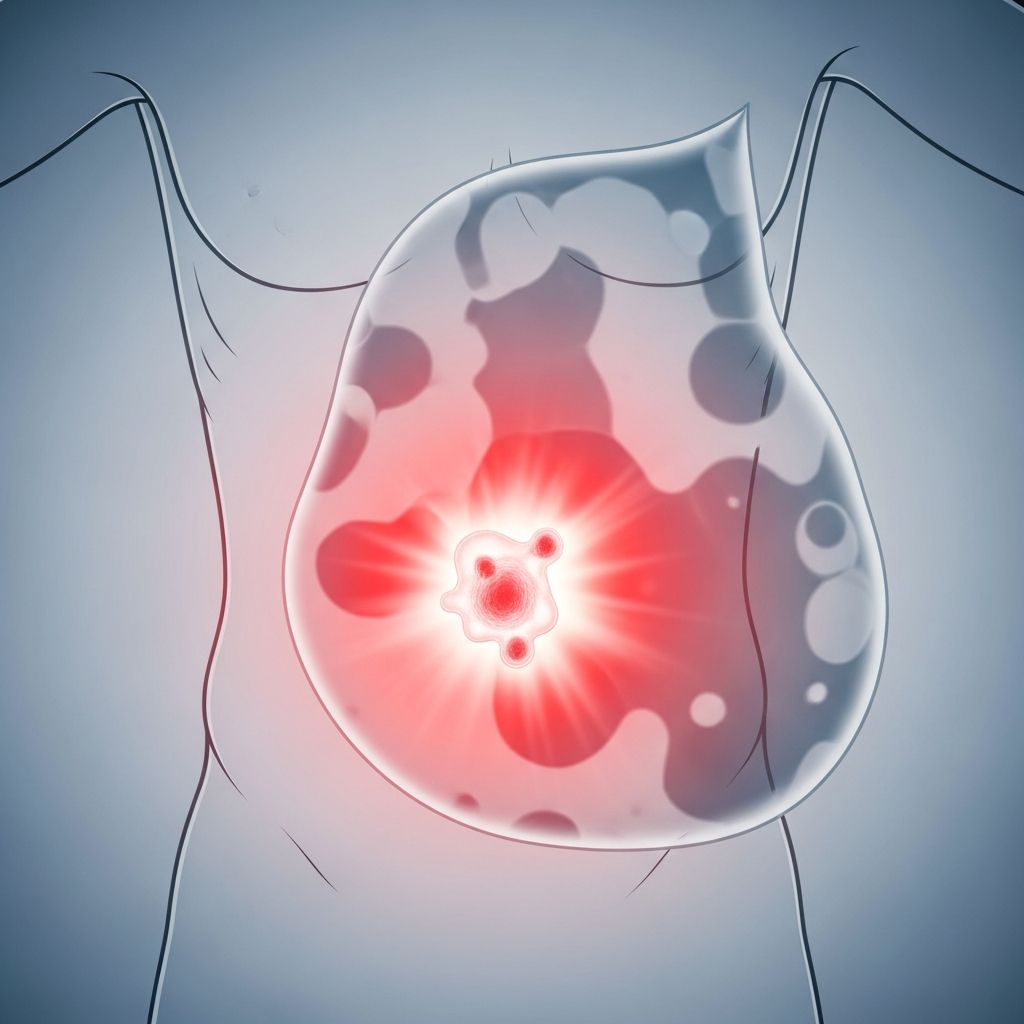
The relationship between inflammation and weight gain has become increasingly evident through scientific research. Yes, chronic inflammation can cause weight gain by disrupting your metabolism, interfering with hormones that regulate hunger and fullness, and promoting fat storage throughout the body. Understanding this connection is crucial for anyone struggling with weight management and seeking long-term health improvements.
Understanding Inflammation: The Good and the Bad
Inflammation is a natural biological process that serves an important purpose in the body. Acute inflammation is essential for healing injuries, fighting off infections, and protecting tissues from damage. When you cut yourself or catch a cold, acute inflammation helps your immune system respond appropriately and restore health.
However, the story changes dramatically when inflammation becomes persistent. Chronic inflammation, also called low-grade systemic inflammation, occurs when the inflammatory response continues over weeks, months, or even years without resolution. Unlike acute inflammation, which is protective and temporary, chronic inflammation damages tissues, disrupts metabolic processes, and creates a cascade of harmful effects throughout the body.
The Science Behind Inflammation and Weight Gain
The mechanism linking chronic inflammation to weight gain involves several interconnected biological processes:
Insulin Disruption and Fat Storage
One of the primary ways inflammation causes weight gain is through its interference with insulin function. Inflammatory molecules circulating in the bloodstream disrupt how insulin works, making it harder for cells to respond appropriately to this crucial hormone. When insulin sensitivity decreases, the body becomes less efficient at managing blood sugar levels. In response, the body stores more glucose as fat, particularly in the abdominal region. This visceral fat accumulation around organs is especially problematic because it further perpetuates inflammation, creating a vicious cycle.
Hormonal Disruption
Chronic inflammation disrupts multiple hormones that regulate appetite and metabolism. Hormones like leptin (which signals fullness) and ghrelin (which signals hunger) become dysregulated when inflammation is present. This means your brain doesn’t receive accurate signals about when you’re full, leading to overeating and increased caloric intake. Additionally, inflammation impairs metabolic rate, meaning your body burns fewer calories at rest.
The Visceral Fat Cycle
A particularly problematic aspect of inflammation-related weight gain involves visceral fat—the fat that accumulates around vital organs. Visceral fat is metabolically active and releases inflammatory chemicals that keep the body in a state of persistent low-grade inflammation. This creates a self-perpetuating cycle: inflammation promotes fat storage, stored fat releases more inflammatory chemicals, and this increased inflammation makes weight loss increasingly difficult. Breaking this cycle requires addressing inflammation at its source.
Gut Health and Inflammation
An often-overlooked factor in the inflammation-weight gain connection is gut health. Your digestive tract is home to trillions of microorganisms essential for digestion, nutrient absorption, and immune regulation. When this delicate microbial balance becomes disrupted—through poor diet, chronic stress, excessive antibiotic use, or illness—gut inflammation develops.
Related Stories



Gut inflammation can increase intestinal permeability, sometimes called "leaky gut," which allows toxins and undigested food particles to enter the bloodstream. This triggers a more robust immune response and systemic inflammation throughout the body. Consequently, gut inflammation and weight gain are closely linked. Improving gut health through dietary modifications and lifestyle changes is fundamental to addressing the inflammation-weight gain connection.
The Inflammatory Cycle: Why Weight Loss Becomes Difficult
One of the most frustrating aspects of inflammation-related weight gain is that inflammation makes weight loss substantially more challenging. Here’s why: when you attempt to lose weight through diet and exercise, you’re working against a body that’s metabolically compromised by inflammation. Your hormones are dysregulated, your insulin sensitivity is impaired, and your body is actively promoting fat storage rather than fat loss.
This isn’t a failure of willpower—it’s a biological reality. To effectively lose weight when dealing with chronic inflammation, you must address the inflammation itself, not just focus on calorie restriction or exercise alone. This requires a multifaceted approach targeting the root causes of inflammation.
Foods That Fuel Inflammation and Weight Gain
Dietary choices play a crucial role in either perpetuating or reducing inflammation. Certain foods consistently trigger inflammatory responses and contribute to weight gain:
- Sugary drinks and refined carbohydrates: These spike blood sugar rapidly, triggering insulin surges and inflammatory responses.
- Processed meats: High in sodium, saturated fats, and inflammatory additives, these foods promote systemic inflammation.
- Trans fats: Artificial trans fats are among the most inflammatory substances you can consume.
- Excessive alcohol: Alcohol consumption, especially in large quantities, promotes gut inflammation and metabolic dysfunction.
- Ultra-processed foods: These products contain inflammatory seed oils, preservatives, and other harmful additives.
Eliminating or substantially reducing these foods is essential for breaking the inflammation-weight gain cycle.
Anti-Inflammatory Foods for Weight Management
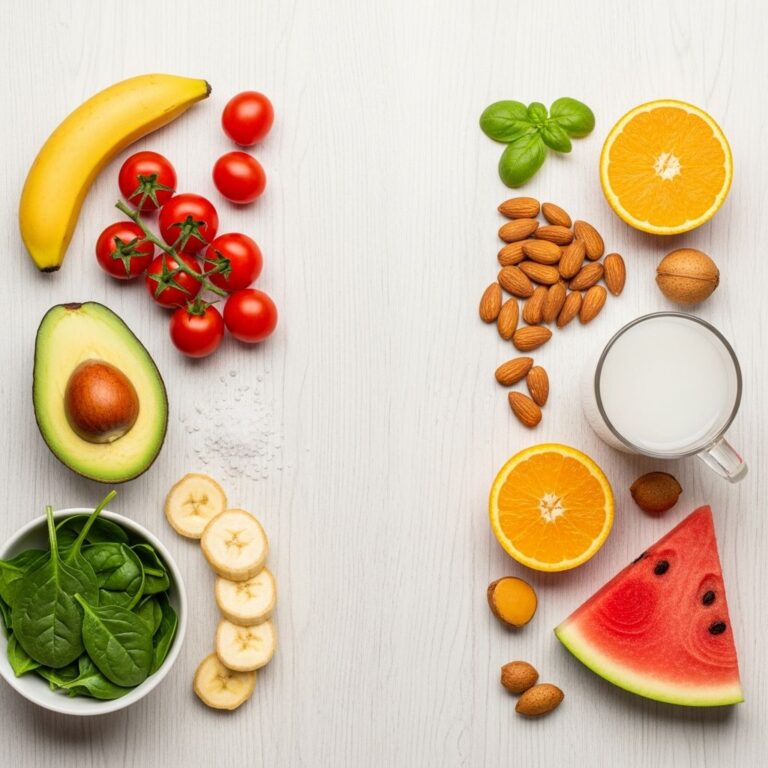
Conversely, specific foods actively reduce inflammation and support healthy weight management:
- Fatty fish: Salmon, mackerel, and sardines are rich in omega-3 fatty acids, powerful anti-inflammatory compounds.
- Berries: Blueberries, strawberries, and raspberries contain antioxidants that combat inflammation.
- Leafy greens: Spinach, kale, and other dark leafy vegetables are nutrient-dense and anti-inflammatory.
- Nuts and seeds: These provide healthy fats and fiber that support metabolic health.
- Olive oil: Extra virgin olive oil contains polyphenols with potent anti-inflammatory properties.
- Turmeric and ginger: These spices contain curcumin and gingerol, compounds with well-documented anti-inflammatory effects.
- Green tea: Rich in catechins, green tea supports both inflammation reduction and weight management.
The Mediterranean Diet: A Proven Anti-Inflammatory Approach
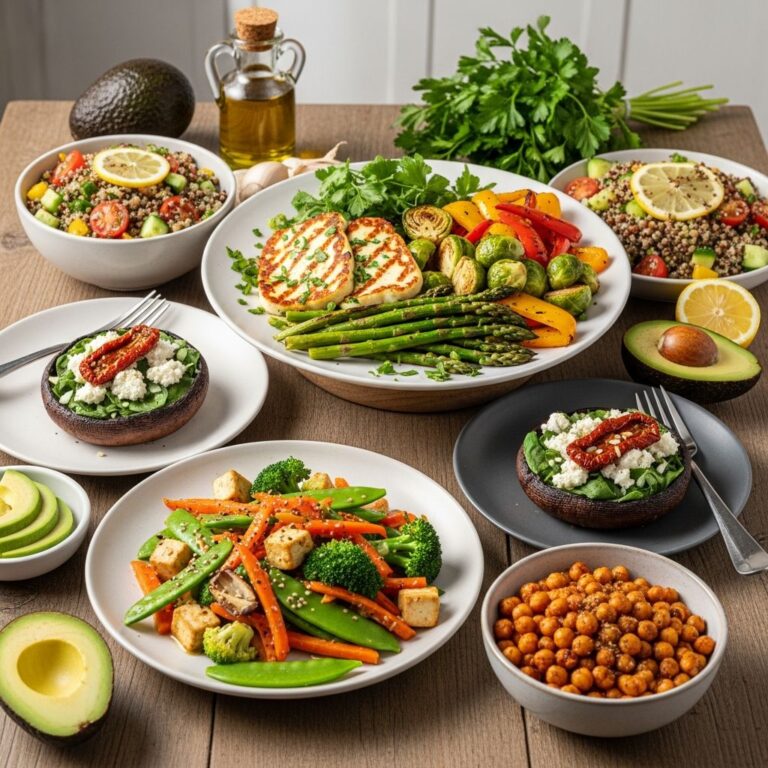
Among dietary patterns, the Mediterranean diet stands out as particularly effective for combating both inflammation and weight gain. This eating pattern emphasizes vegetables, fruits, whole grains, nuts, seeds, fish, and olive oil—essentially everything that reduces inflammation while supporting sustainable weight loss.
The Mediterranean diet isn’t restrictive or unsustainable. Instead, it focuses on whole, minimally processed foods that nourish your body while naturally reducing inflammatory markers. Research consistently demonstrates that people following Mediterranean dietary principles experience improvements in metabolic markers, reduced inflammation, and healthier weight management.
Lifestyle Strategies Beyond Diet
While diet is foundational, addressing inflammation and weight gain requires a comprehensive lifestyle approach:
Physical Activity
Both aerobic exercise and resistance training effectively reduce inflammation and support weight loss. You don’t need intense workouts to see benefits—even moderate activity such as brisk walking, yoga, or swimming, performed regularly, significantly reduces inflammatory markers and improves metabolic health. Aim for at least 150 minutes of moderate activity weekly, combined with resistance training twice weekly.
Sleep Quality
Sleep deprivation increases inflammatory markers and disrupts hormones that regulate appetite and metabolism. Prioritizing 7-9 hours of quality sleep nightly is essential for reducing inflammation and supporting weight management. Poor sleep increases cortisol levels, promoting abdominal fat storage and perpetuating the inflammation cycle.
Stress Management
Chronic psychological stress elevates inflammatory markers and impairs metabolic function. Implementing stress-reduction techniques such as mindfulness meditation, deep breathing exercises, progressive muscle relaxation, or yoga helps regulate inflammation at a biological level. Even 10-15 minutes daily of stress management practice can meaningfully reduce inflammatory markers.
Supporting Gut Health for Systemic Inflammation Reduction
Because gut inflammation plays such a central role in systemic inflammation and weight gain, specific strategies support gut health:
- Prebiotic fibers: Onions, garlic, leeks, asparagus, and oats contain fibers that fuel beneficial bacteria.
- Probiotic-rich foods: Fermented foods like yogurt, kefir, sauerkraut, and kimchi support healthy gut microbiota.
- Stress management: The gut-brain axis means psychological stress directly impacts gut health.
- Judicious antibiotic use: While sometimes medically necessary, unnecessary antibiotics destroy beneficial gut bacteria.
- Adequate hydration: Water supports digestive function and helps flush toxins.
Frequently Asked Questions About Inflammation and Weight Gain
Q: Does inflammation cause weight gain in everyone?
A: Not everyone is affected equally by inflammation. However, persistent chronic inflammation significantly increases the risk of metabolic dysfunction and excess fat storage in most individuals. Genetic factors, baseline metabolic rate, and individual inflammatory responses create variation in how inflammation impacts weight.
Q: Can you reverse weight gain caused by inflammation?
A: Yes, absolutely. Addressing the underlying causes of inflammation through improved diet, enhanced gut health, regular physical activity, and stress management can reverse inflammation-related weight gain. This approach is more sustainable than traditional calorie-restriction methods because it addresses root causes rather than symptoms.
Q: How long does it take to see results from reducing inflammation?
A: Most people notice improvements in energy, digestion, and mood within 2-4 weeks of implementing anti-inflammatory strategies. Weight loss and metabolic improvements typically become noticeable within 4-8 weeks of consistent practice.
Q: Which is more important for reducing inflammation: diet or exercise?
A: Both are essential and work synergistically. Diet provides the building blocks for reducing inflammation, while exercise amplifies anti-inflammatory effects and supports metabolic health. Combining both produces superior results compared to either approach alone.
Q: Are there supplements that help reduce inflammation?
A: Certain supplements like omega-3 fatty acids, curcumin (from turmeric), and probiotics show promise in reducing inflammation. However, food sources are typically more effective and complete. Consult healthcare providers before starting supplementation.
Key Takeaways
The evidence clearly demonstrates that chronic inflammation significantly contributes to weight gain through multiple biological mechanisms. The good news is that this cycle can be interrupted and reversed through deliberate dietary and lifestyle changes. By focusing on anti-inflammatory foods, regular physical activity, quality sleep, stress management, and gut health optimization, you can reduce inflammation, restore metabolic balance, and achieve sustainable weight management. This comprehensive approach addresses root causes rather than merely treating symptoms, offering lasting health improvements beyond weight loss alone.
References
- The Relationship Between Inflammation and Weight Gain — Pain and Spine Specialists. Accessed 2026-01-13. https://painandspinespecialists.com/the-relationship-between-inflammation-and-weight-gain/
- Inflammation Markers & Weight Gain/Obesity in Adults — National Center for Biotechnology Information (NCBI). 2020. https://pmc.ncbi.nlm.nih.gov/articles/PMC7424817/
- Inflammation’s Role in Excess Body Weight — National Psoriasis Foundation. Accessed 2026-01-13. https://www.psoriasis.org/advance/its-all-about-the-inflammation/
Similar Articles








Read full bio of Sneha Tete