Inflammation and Constipation: Understanding the Connection
Learn how inflammation affects bowel function and discover proven strategies to relieve constipation.
Understanding the Inflammation-Constipation Connection
Constipation is one of the most common digestive complaints, affecting millions of people worldwide. While most people assume constipation results from insufficient fiber or hydration, the underlying cause may be inflammation in your digestive tract. Chronic inflammation can significantly impair bowel function, leading to persistent constipation that doesn’t respond to typical over-the-counter remedies.
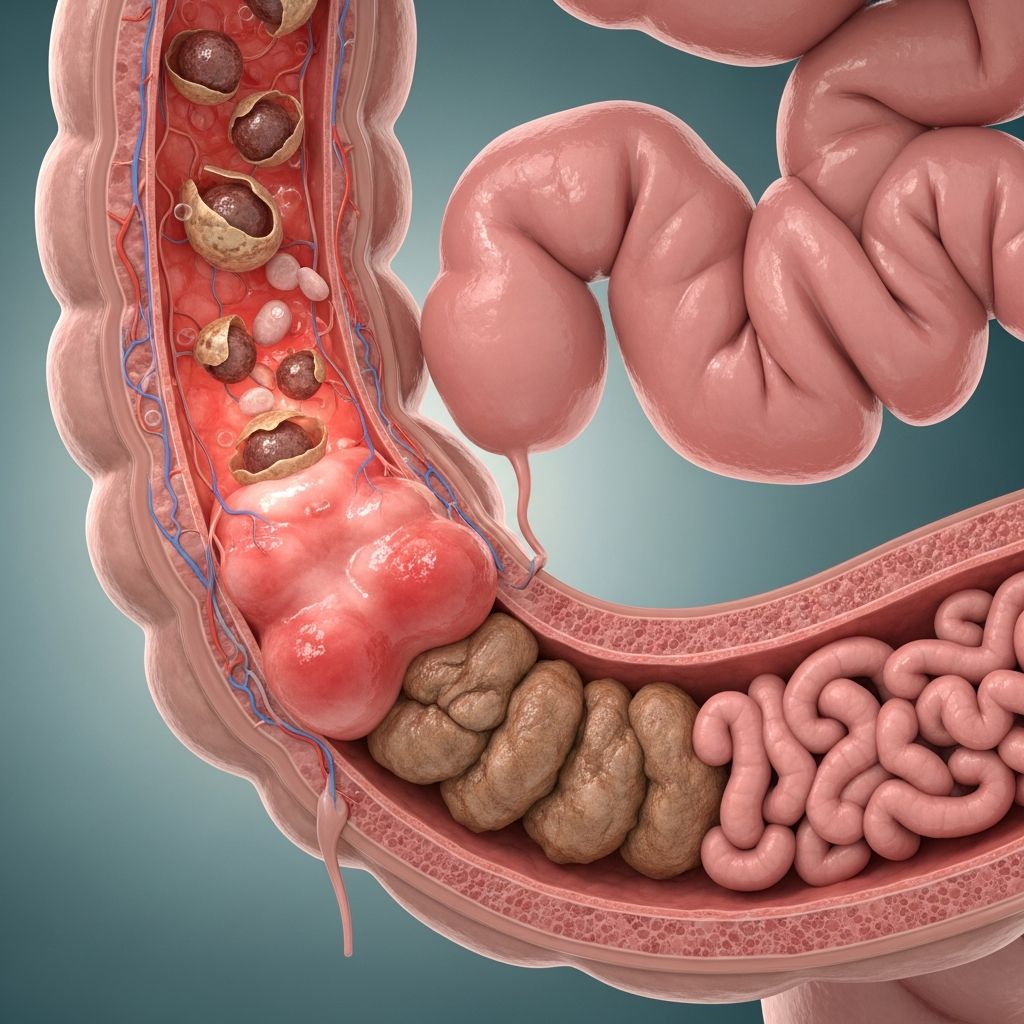
When your digestive system experiences prolonged inflammation—whether from inflammatory bowel disease (IBD), food sensitivities, or other conditions—it disrupts the normal mechanisms that move stool through your colon. This inflammatory response can damage nerve cells, alter muscle function, and change how your body processes waste, ultimately resulting in constipation that persists even after other symptoms resolve.
How Inflammation Damages Your Digestive System
The relationship between inflammation and constipation is complex and multifaceted. Understanding this connection is essential for identifying the root cause of your symptoms and pursuing appropriate treatment.
Nerve Damage and Electrical Signaling
Your colon relies on a sophisticated system of nerve cells to generate electrical signals that coordinate muscle contractions, moving stool toward the rectum. Chronic inflammation can damage these specialized nerve cells, disrupting the electrical signals necessary for normal bowel movements. This damage to nerve function can persist even after you receive treatment for the underlying inflammatory condition, which is why some individuals continue experiencing constipation long after their other digestive symptoms improve.
Stool Accumulation and Drying
Inflammation affects how stool moves through different sections of your colon. While stool passes quickly through inflamed areas, research indicates that it actually moves more slowly through the unaffected portions of the colon that precede areas of inflammation. This creates a bottleneck effect, causing stool to accumulate—particularly in the right side of the colon. As stool remains in the colon longer, it loses moisture content and becomes harder and more difficult to pass, contributing to constipation.
Progressive Colon Damage
Uncontrolled inflammation doesn’t remain static; it worsens over time. If left untreated, inflammatory damage accumulates in the colon lining, affecting not just the surface tissue but also the underlying structures responsible for normal bowel function. This progressive damage explains why early treatment is crucial—delaying intervention increases your risk of developing long-term constipation that may persist even after achieving remission of the primary inflammatory condition.
Conditions Associated with Inflammation-Related Constipation
Several medical conditions can cause chronic inflammation leading to constipation. The most notable include:
- Ulcerative Colitis: An inflammatory bowel disease affecting the colon and rectum, commonly causing bloody diarrhea but also triggering constipation in many patients
- Crohn’s Disease: An IBD that can affect any part of the digestive tract, often causing narrowing and inflammation
- Diverticulitis: Inflammation of small pouches in the colon that can lead to scarring and narrowing
- Food Sensitivities: Chronic inflammatory responses to specific foods that damage the intestinal lining
- Irritable Bowel Syndrome (IBS): A functional disorder involving inflammation and altered muscle function
Related Stories



Strategies for Managing Inflammation-Related Constipation
Get Treatment for the Underlying Inflammation
Addressing the inflammatory condition is the most important first step. Getting appropriate treatment for ulcerative colitis, Crohn’s disease, or other inflammatory bowel conditions can lower your chances of developing long-term constipation. Treatment helps you avoid flares and achieve remission, keeping your digestive system healthy and reducing constipation risk. However, it’s essential to start treatment early—people who experience more frequent flares face higher risks for developing long-term colon damage that increases constipation even after flares resolve.
Work with a Registered Dietitian
A registered dietitian is an invaluable member of your healthcare team, particularly if you have inflammatory bowel disease. Your dietitian can:
- Create a personalized nutrition plan that supports your specific condition
- Ensure you’re consuming adequate fluid and fiber to promote bowel regularity
- Identify trigger foods that worsen inflammation
- Adjust your diet during flares to prevent symptom escalation
- Recommend foods that reduce inflammation in your gut
Working collaboratively with a dietitian ensures your nutritional approach aligns with your medical treatment and supports long-term digestive health.
Increase Fiber and Hydration Gradually
While fiber and water are essential for managing constipation, they must be introduced carefully when inflammation is present. Increasing fiber too rapidly can exacerbate symptoms during flares. Work with your healthcare team to determine the appropriate level of fiber intake for your situation. Generally, adequate hydration and gradual fiber increases from whole grains, fruits, and vegetables help soften stool and promote regular bowel movements.
Try Over-the-Counter Medications
Over-the-counter laxatives and stool softeners can provide relief when constipation occurs. However, always consult your gastroenterologist before using any OTC constipation medication. Your doctor can verify these products won’t interact with your other treatments and can recommend prescription-strength alternatives if necessary based on your specific situation.
Consider Prescription Medications
If over-the-counter options prove insufficient, several prescription medications can help manage inflammation-related constipation:
- Lubiprostone: A medication that increases intestinal fluid and accelerates bowel transit, FDA-approved for chronic idiopathic constipation
- Linaclotide: A guanylate cyclase-C agonist that increases intestinal fluid and bowel movement frequency
- Plecanatide: Another guanylate cyclase-C agonist offering similar benefits for chronic constipation
- Anti-inflammatory medications: Treating the underlying inflammation may resolve constipation without additional laxative therapy
Implement Lifestyle Modifications
Beyond dietary and medication interventions, several lifestyle changes support better bowel function:
- Regular Exercise: Physical activity stimulates bowel movements and improves overall digestive health
- Scheduled Bathroom Time: Establishing a routine bathroom schedule, particularly after meals, can promote regular bowel movements
- Stress Management: Chronic stress exacerbates inflammation and constipation; meditation, yoga, or other relaxation techniques can help
- Adequate Sleep: Poor sleep impairs digestive function and increases inflammation
- Avoid Triggers: Identify and eliminate foods or activities that worsen your symptoms
When to Seek Medical Care
Talk with your IBD team if you’ve been experiencing constipation, whether it’s a new symptom or something you’ve struggled with for a while. Your healthcare team can help identify the underlying cause and develop an appropriate treatment plan.
However, seek immediate medical care if you experience constipation during an ulcerative colitis flare accompanied by:
- Fever
- Severe abdominal pain
- Heavy rectal bleeding
- Large amounts of bloody stool
- Dizziness or fainting
- Rapid heart rate
- Inability to eat or drink
The Role of Medical Treatment in Inflammatory Conditions
Treating inflammatory bowel disease effectively is paramount for preventing constipation complications. Anti-inflammatory medications form the foundation of IBD treatment, working to reduce chronic inflammation in your digestive tract. Additional treatment options may include antibiotics, immune system suppressors, pain-relieving drugs, and nutritional supplements.
In severe cases where medications prove insufficient, your doctor may recommend surgery to remove damaged portions of your colon. To address malnutrition and dehydration—common complications of IBD—your healthcare team may recommend IV nutrition or feeding tubes, which also allow your intestines to rest and heal.
Frequently Asked Questions
Q: Can constipation from ulcerative colitis be permanent?
A: Constipation can persist even after ulcerative colitis symptoms resolve due to nerve damage from chronic inflammation. However, early treatment and proper management can minimize long-term damage and improve symptoms significantly.
Q: What foods reduce inflammation in the gut?
A: Foods rich in omega-3 fatty acids, antioxidants, and fiber—such as fatty fish, berries, leafy greens, and whole grains—help reduce inflammation. Work with a dietitian to identify foods that work best for your specific condition, as individual triggers vary.
Q: How quickly does IBD treatment relieve constipation?
A: Timeline varies by individual and treatment type. Some people experience improvement within weeks, while others require several months. Consistent treatment adherence and lifestyle modifications are essential for optimal results.
Q: Are there natural remedies for inflammation-related constipation?
A: While dietary changes and lifestyle modifications support digestive health, they should complement—not replace—medical treatment for inflammatory conditions. Always consult your healthcare provider before trying supplements or natural remedies.
Q: Can stress worsen inflammation-related constipation?
A: Yes, stress significantly exacerbates both inflammation and constipation. Stress management techniques, including meditation, yoga, and counseling, can help improve symptoms alongside medical treatment.
The Bottom Line
Constipation that doesn’t respond to typical remedies may indicate underlying inflammation in your digestive system. Whether caused by inflammatory bowel disease, food sensitivities, or other conditions, addressing the inflammatory cause is essential for long-term relief. Work closely with your gastroenterologist and registered dietitian to develop a comprehensive treatment plan that includes medical management, dietary modifications, and lifestyle changes. With proper treatment started early, you can minimize complications and achieve better digestive health and quality of life.
References
- Ulcerative Colitis and Constipation: Causes and Treatment — GoodRx. 2024. https://www.goodrx.com/conditions/ulcerative-colitis/ulcerative-colitis-and-constipation
- Inflammatory Bowel Disease (IBD) — Aurora Health Care. 2024. https://www.aurorahealthcare.org/services/gastroenterology-colorectal-surgery/inflammatory-bowel-disease
- Constipation — StatPearls, National Center for Biotechnology Information (NCBI). 2024. https://www.ncbi.nlm.nih.gov/books/NBK513291/
- Constipation: Symptoms & Causes — Cleveland Clinic. 2024. https://my.clevelandclinic.org/health/diseases/4059-constipation
- Constipation — Symptoms and Causes — Mayo Clinic. 2024. https://www.mayoclinic.org/diseases-conditions/constipation/symptoms-causes/syc-20354253
Similar Articles








Read full bio of Sneha Tete