Inflammation Fatigue: Here’s What to Do About It
Discover how chronic inflammation causes debilitating fatigue and learn evidence-based dietary and lifestyle strategies to reduce symptoms effectively.

Chronic
inflammation
silently fuelsfatigue
, leaving millions feeling drained despite rest. This comprehensive guide explores the science linking inflammation to exhaustion, identifies key symptoms, and delivers actionable strategies rooted in clinical evidence to reclaim your energy.What Is Inflammation Fatigue?
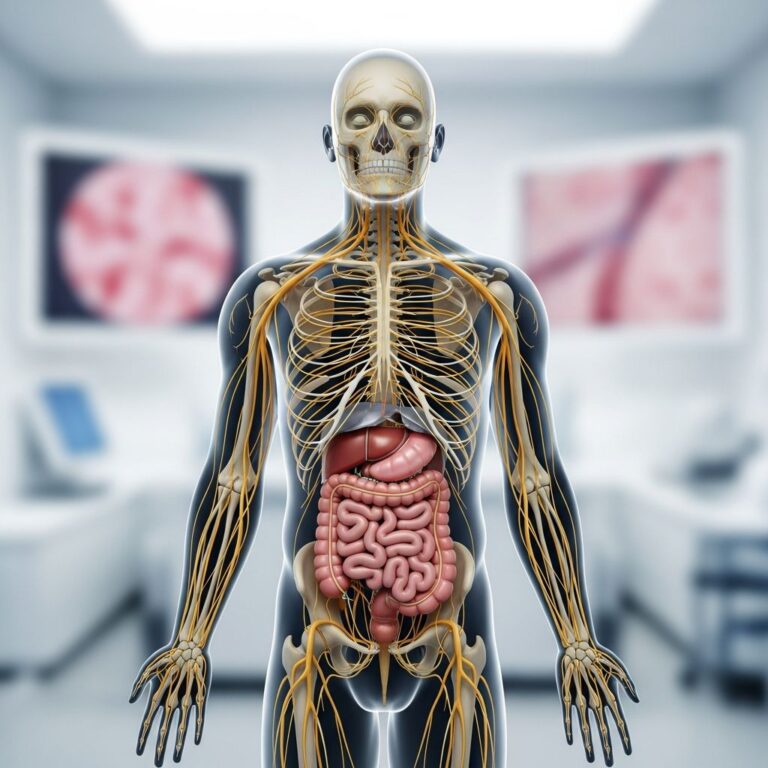
Inflammation fatigue refers to persistent tiredness driven by the body’s inflammatory response. Unlike normal fatigue from exertion or poor sleep, this stems from chronic low-grade inflammation disrupting energy production, immune function, and brain signaling.
Research shows pro-inflammatory cytokines—signaling molecules released during immune activation—act on the central nervous system (CNS), inducing behavioral changes including rapid-onset fatigue. In patient populations like cancer survivors and those with multiple sclerosis (MS), inflammation correlates strongly with physical and cognitive fatigue dimensions.
Accumulating evidence links this pro-inflammatory state to chronic disease-related fatigue across conditions like cancer, MS, and idiopathic chronic fatigue syndrome (CFS). Anti-inflammatory interventions targeting these pathways show promise in reducing symptoms.
Symptoms of Inflammation-Driven Fatigue
Recognizing inflammation fatigue involves noting patterns beyond everyday tiredness:
- Persistent exhaustion unrelieved by sleep or rest
- Physical weakness and muscle fatigue during routine activities
- Cognitive fog: difficulty concentrating, memory lapses
- Motivational deficits: reduced drive for rewarding activities
- Sleep disturbances: unrefreshing sleep despite adequate hours
- Associated pain: joint aches, headaches without clear injury
In immunotherapy patients, fatigue emerges within hours of cytokine elevation, affecting up to 80% and highlighting inflammation’s direct role. Physical fatigue predominates in cancer contexts, while MS patients experience both physical and cognitive impacts.
How Inflammation Causes Fatigue: The Science
Acute inflammation protects against pathogens, but chronic inflammation—triggered by poor diet, stress, gut dysbiosis, or illness—becomes pathological. Cytokines like TNF-α and IL-6 cross the blood-brain barrier, altering:
- Dopamine pathways in the basal ganglia, reducing motivation via ventral striatum hypoactivity
- Mitochondrial function, impairing cellular energy (ATP) production
- Glucose metabolism in brain regions like the putamen, linked to physical exhaustion
Human trials confirm elevated CRP, TNF-α, and interferon gamma in fatigued patients. Anti-inflammatory diets lower these markers, correlating with fatigue reduction. Low-grade inflammation in healthy aging similarly disrupts dopamine, fostering fatigue.
Top Anti-Inflammatory Diets for Fatigue Relief
Clinical studies favor whole-diet approaches over isolated nutrients. Balanced anti-inflammatory eating patterns reduce inflammatory markers (TNF-α, CRP) and fatigue scores significantly.
Mediterranean Diet
Rich in omega-3s, polyphenols, and fiber, this diet lowers inflammation while balancing gut microbiota. Trials show improvements in CFS symptoms via reduced TNF-α and enhanced energy metabolism.
- Emphasize: Fatty fish, olive oil, nuts, vegetables, fruits, whole grains
- Avoid: Processed meats, sugars, refined carbs
Leaky Gut Diet
Targets intestinal permeability—a driver of LPS-induced inflammation. Composed by experts, it includes probiotics, prebiotics, and anti-inflammatory fats. In trials, 63.5% of patients achieved good responses with normalized IgA/IgM to LPS and fatigue score drops (p=0.0002).
Related Stories



High-Fiber, Polyphenol-Rich Plans
Whole grains, berries, and greens synergistically combat inflammation better than single foods.
| Diet Type | Key Components | Fatigue Benefits (Evidence) |
|---|---|---|
| Mediterranean | Omega-3 fish, olive oil, veggies | Lowers TNF-α, improves CFS energy |
| Leaky Gut | Probiotics, glutamine, omega-3s | 63.5% response rate, IgM reduction |
| Plant-Based Anti-Inflam. | Berries, turmeric, greens | CRP drop, sustained energy |
Best Anti-Inflammatory Foods to Fight Fatigue
Incorporate these evidence-backed foods daily:
- Fatty Fish (Salmon, Mackerel): Omega-3s (EPA/DHA) inhibit leukotriene B4, rivaling fish oil efficacy
- Turmeric (Curcumin): Reduces CRP and TNF-α in trials
- Berries & Leafy Greens: Polyphenols combat oxidative stress
- Nuts & Seeds: High in anti-inflammatory fats and vitamin E
- Whole Grains (Oats, Quinoa): Fiber lowers gut-derived inflammation
- Ginger & Garlic: Modulate cytokines
Human trials show omega-3-rich diets outperform omega-6 in some cases, unexpectedly reducing TNF-α despite prior pro-inflammatory assumptions.
Lifestyle Changes to Reduce Inflammation and Boost Energy
Diet alone isn’t enough; multimodal strategies yield highest success.
- Exercise: Moderate activity lowers cytokines; start with 30-min walks
- Sleep Hygiene: 7-9 hours regulates immune response
- Stress Management: Meditation reduces IL-6
- Hydration & Gut Support: Probiotics enhance tight junctions
Combining diet, exercise, and psychological support optimizes fatigue management.
Sample 7-Day Anti-Inflammatory Meal Plan
This plan delivers balanced macros, emphasizing fatigue-fighting foods (approx. 1800-2000 calories).
| Day | Breakfast | Lunch | Dinner | Snacks |
|---|---|---|---|---|
| Mon | Oatmeal w/ berries, walnuts | Grilled salmon salad | Turmeric chicken stir-fry w/ quinoa | Almonds, apple |
| Tue | Greek yogurt w/ chia, spinach smoothie | Lentil soup, greens | Baked mackerel, sweet potato | Yogurt, berries |
| Wed | Avocado toast, eggs | Quinoa bowl w/ veggies | Turmeric salmon, broccoli | Nuts, carrot sticks |
| Thu | Berry smoothie bowl | Tuna salad wrap | Stir-fried tofu, brown rice | Apple, peanut butter |
| Fri | Oats w/ flaxseeds | Chickpea salad | Grilled fish, asparagus | Cottage cheese, fruit |
| Sat | Eggs w/ spinach | Veggie soup, whole grain bread | Shrimp stir-fry | Trail mix |
| Sun | Yogurt parfait | Salmon poke bowl | Herb chicken, veggies | Hummus w/ veggies |
Frequently Asked Questions (FAQs)
What is the fastest way to reduce inflammation fatigue?
Adopt a Mediterranean-style diet rich in omega-3s and polyphenols, combined with daily walks. Trials show rapid cytokine reductions.
Can anti-inflammatory diets cure chronic fatigue syndrome?
Not a cure, but significant improvements in 60%+ of cases via lowered inflammatory markers and gut repair.
How long until I feel less fatigued on an anti-inflammatory diet?
Many notice changes in 2-4 weeks; full benefits in 8-12 weeks per clinical data.
Are supplements better than food for inflammation?
Whole foods outperform isolates due to synergies; high-dose vitamins show inconsistent results.
Does stress worsen inflammation fatigue?
Yes, stress elevates cytokines; mindfulness reduces symptoms.
Key Takeaways
- Inflammation drives fatigue via cytokines, dopamine disruption, and mitochondrial impairment
- Anti-inflammatory diets (Mediterranean, leaky gut) reduce markers and symptoms effectively
- Combine diet with exercise and stress reduction for optimal results
- Focus on whole foods: fish, berries, turmeric, greens
References
- Anti-Inflammatory Diets and Fatigue — PMC – PubMed Central. 2019-10-11. https://pmc.ncbi.nlm.nih.gov/articles/PMC6835556/
- Role of Inflammation in Human Fatigue — Frontiers in Immunology. 2017-02-09. https://www.frontiersin.org/journals/immunology/articles/10.3389/fimmu.2017.00021/full
Similar Articles








Read full bio of Sneha Tete