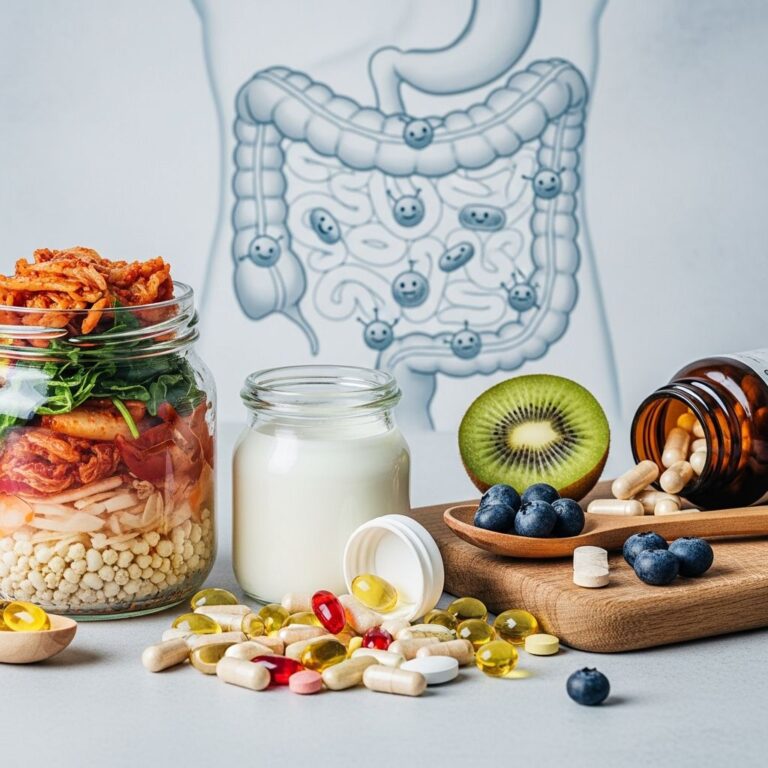
Inflammation: Symptoms, Causes, and Treatments
Understand chronic and acute inflammation: symptoms, triggers, health risks, and proven strategies to reduce it effectively.
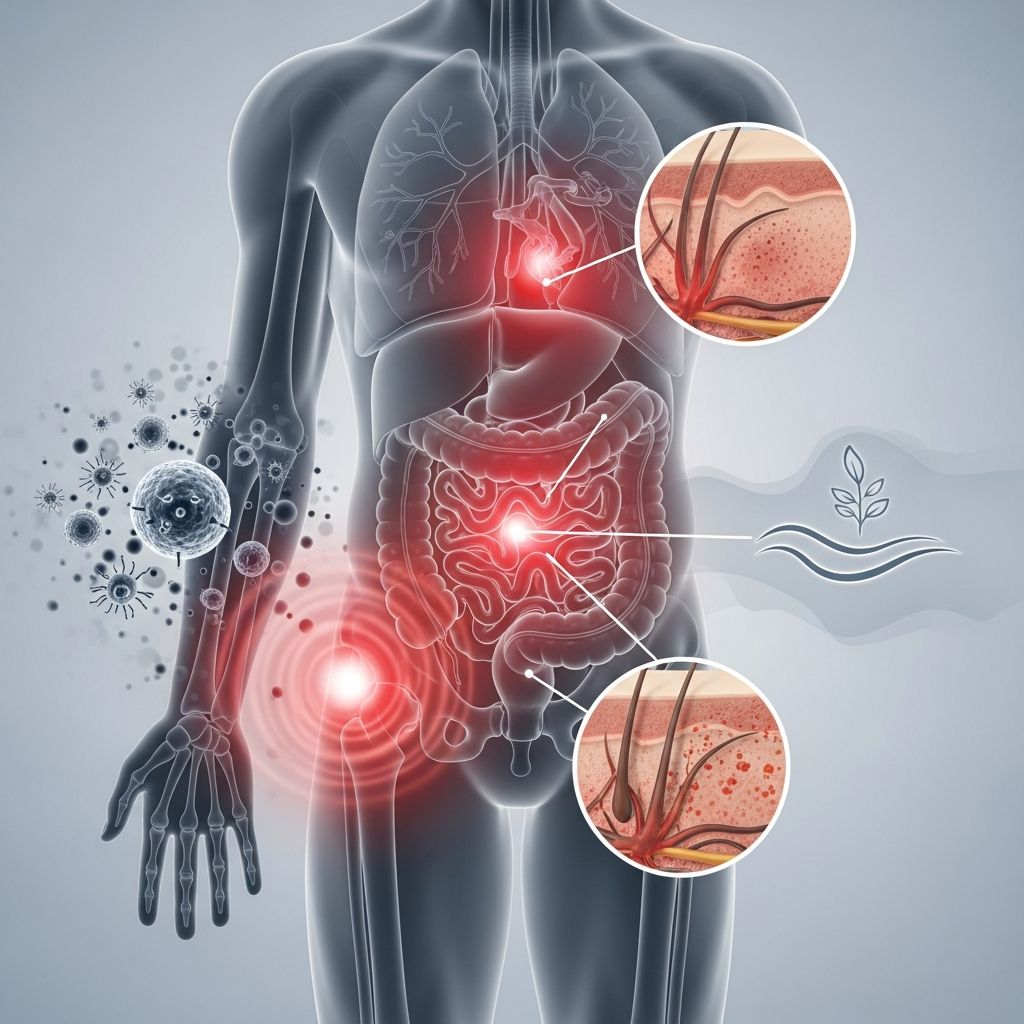
Inflammation is your body’s natural defense mechanism against injury, infection, or harmful stimuli. While acute inflammation is a short-term response that helps heal wounds and fight pathogens, chronic inflammation can persist for months or years, contributing to serious diseases like heart disease, diabetes, and cancer. Understanding inflammation’s role, recognizing its symptoms, and knowing how to manage it is crucial for long-term health.
According to the Centers for Disease Control and Prevention (CDC), chronic inflammation underlies many leading causes of death in the U.S., affecting over 60% of adults. This article breaks down what inflammation is, its signs, triggers, health consequences, and science-backed ways to reduce it.
What Is Inflammation?
Inflammation is the body’s immune response to protect against harm. It involves immune cells, blood vessels, and molecular mediators that work together to eliminate the initial cause of injury and initiate tissue repair.
There are two primary types:
- Acute inflammation: Rapid onset, lasts a few days to weeks. Examples include swelling from a sprained ankle or fever during a cold. It’s characterized by the classic “redness, heat, swelling, pain, and loss of function.”
- Chronic inflammation: Low-grade, persistent process lasting months or years. It often lacks obvious symptoms but silently damages tissues, leading to diseases.
The process begins when damaged cells release chemicals like histamines and cytokines, signaling white blood cells to the site. In acute cases, this resolves once the threat is neutralized; in chronic cases, ongoing triggers prevent resolution.
Symptoms of Inflammation
Symptoms vary by type and location. Acute inflammation is obvious, while chronic is subtler.
Acute Inflammation Symptoms
- Redness: Increased blood flow causes skin to redden.
- Heat: Warmth from dilated blood vessels.
- Swelling: Fluid buildup (edema).
- Pain: Nerve stimulation and pressure from swelling.
- Loss of function: Reduced mobility in affected areas.
Chronic Inflammation Symptoms
These are systemic and insidious:
- Fatigue and low energy
- Persistent joint or muscle pain
- Skin rashes or acne
- Frequent infections
- Weight gain or difficulty losing weight
- Digestive issues like bloating or diarrhea
- Mood disorders such as anxiety or depression
High-sensitivity C-reactive protein (hs-CRP) blood tests measure inflammation levels, with results above 3 mg/L indicating elevated risk.
Causes of Inflammation
Multiple factors trigger inflammation. Identifying personal triggers is key to management.
Acute Causes
- Infections (bacterial, viral, fungal)
- Physical trauma or injury
- Toxins or chemicals
- Allergens
Chronic Causes
Modern lifestyle factors drive most chronic inflammation:
- Poor diet: High intake of processed foods, sugar, trans fats, and refined carbs promotes pro-inflammatory cytokines.
- Sedentary lifestyle: Lack of exercise impairs immune regulation.
- Chronic stress: Elevates cortisol, disrupting immune balance.
- Obesity: Fat tissue, especially visceral fat, secretes inflammatory compounds.
- Environmental toxins: Pollution, smoking, and chemicals.
- Sleep deprivation: Disrupts cytokine production.
- Gut dysbiosis: Imbalanced microbiome from antibiotics or poor diet.
Autoimmune diseases like rheumatoid arthritis cause the body to attack itself, perpetuating inflammation.
Related Stories



Health Risks of Chronic Inflammation
Unchecked chronic inflammation damages arteries, organs, and DNA, raising disease risk:
| Condition | How Inflammation Contributes |
|---|---|
| Heart Disease | Damages artery walls, leading to plaque buildup and atherosclerosis. |
| Type 2 Diabetes | Impairs insulin signaling in cells. |
| Cancer | Promotes DNA mutations and tumor growth. |
| Alzheimer’s Disease | Triggers brain plaque formation. |
| Autoimmune Disorders | Like lupus or multiple sclerosis. |
| Depression | Cytokines affect brain chemistry. |
The World Health Organization notes inflammation-related conditions account for 60% of global deaths.
How to Reduce Inflammation
Lifestyle changes are first-line defense, often more effective than medication.
1. Adopt an Anti-Inflammatory Diet
Focus on whole foods rich in antioxidants and omega-3s:
- Include: Fatty fish (salmon), berries, leafy greens, nuts, olive oil, turmeric, ginger.
- Avoid: Sugary drinks, fried foods, processed meats, refined grains.
The Mediterranean diet reduces inflammatory markers by 20%, per Harvard research.
2. Exercise Regularly
150 minutes of moderate activity weekly lowers cytokines. Combine cardio, strength training, and yoga.
3. Prioritize Sleep
Aim for 7-9 hours. Poor sleep increases CRP by 25%.
4. Manage Stress
Meditation, deep breathing, or therapy reduces cortisol.
5. Maintain Healthy Weight
Losing 5-10% body weight dramatically cuts inflammation.
6. Supplements (with Doctor Approval)
- Omega-3 fish oil: 1-2g daily
- Curcumin (turmeric): 500mg with black pepper
- Vitamin D: If deficient
Medical Treatments for Inflammation
For severe cases:
- NSAIDs: Ibuprofen for acute pain (short-term use).
- Corticosteroids: Prednisone for autoimmune flares.
- Biologics: TNF inhibitors like Humira for rheumatoid arthritis.
- Statins: Reduce CRP in heart patients.
Always consult a doctor; long-term meds have side effects.
Diagnostic Tests
- hs-CRP: General inflammation marker
- ESR: Measures sedimentation rate
- Cytokine panels: IL-6, TNF-alpha
- Imaging: MRI for joint inflammation
Frequently Asked Questions (FAQs)
What is the fastest way to reduce inflammation in the body?
A cold compress for acute cases; for chronic, combine anti-inflammatory diet, hydration, and rest. Results appear in 1-2 weeks.
Does coffee cause inflammation?
Moderate coffee (2-3 cups) is anti-inflammatory due to antioxidants; excess may increase cortisol.
Can stress cause inflammation?
Yes, chronic stress elevates pro-inflammatory cytokines via the HPA axis, per NIH studies.
Is inflammation the root of all diseases?
Not all, but it contributes to most chronic diseases, as noted by the Cleveland Clinic.
How long does acute inflammation last?
Typically 2-6 weeks, depending on cause and treatment.
Last updated: January 2026. Consult a healthcare professional for personalized advice.
References
- Chronic Inflammation — National Center for Biotechnology Information (NCBI). 2023-05-15. https://www.ncbi.nlm.nih.gov/books/NBK493173/
- Inflammation and Heart Disease — Centers for Disease Control and Prevention (CDC). 2024-08-20. https://www.cdc.gov/heartdisease/inflammation.htm
- C-Reactive Protein and Cardiovascular Disease — American Heart Association. 2023-11-10. https://www.ahajournals.org/doi/10.1161/CIRCULATIONAHA.123.065123
- Anti-Inflammatory Diet — Harvard T.H. Chan School of Public Health. 2025-01-05. https://www.hsph.harvard.edu/nutritionsource/anti-inflammatory-diet/
- Global Burden of Inflammatory Diseases — World Health Organization (WHO). 2024-03-12. https://www.who.int/news-room/fact-sheets/detail/chronic-inflammatory-diseases
- Exercise and Inflammation — National Institutes of Health (NIH). 2023-07-22. https://pubmed.ncbi.nlm.nih.gov/37481792/
Similar Articles








Read full bio of Sneha Tete