Inflammation: Types, Causes & Treatment Guide
Understanding inflammation: Learn about acute vs. chronic types, causes, symptoms, and effective treatment options.
What Is Inflammation?
Inflammation is your body’s natural response to injury, illness, or the presence of harmful invaders such as germs or toxic chemicals. It’s a fundamental and important biological process that allows your body to heal itself and fight off potential threats. For example, fever is a sign that your body’s inflammatory system is working correctly when you’re fighting an infection. In many cases, inflammation promotes healing and helps you feel better by mobilizing your immune system’s resources to address the problem.
However, inflammation can become problematic when it occurs in healthy tissues or persists for extended periods. Chronic inflammation that happens without a clear injury or invader can harm healthy parts of your body and lead to a range of serious chronic diseases. Understanding the difference between beneficial and harmful inflammation is crucial for maintaining overall health and preventing long-term complications.
How Does Inflammation Work?
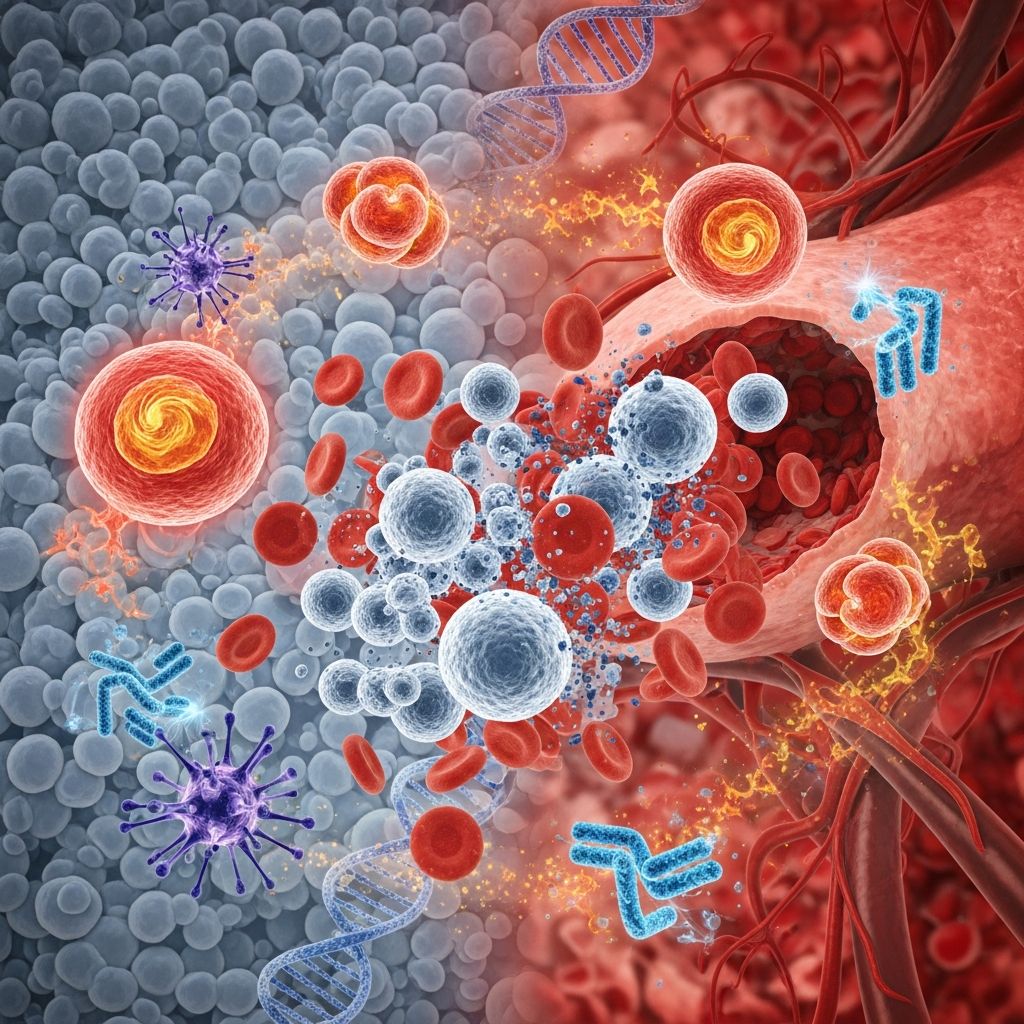
When your body detects a threat—such as a virus trying to enter your system or an injury occurs—your immune system springs into action by sending inflammatory cells and cytokines (substances that stimulate additional inflammatory cells) to the affected area. These first responders begin an inflammatory response designed to trap germs or toxins and initiate the healing process of injured tissue.
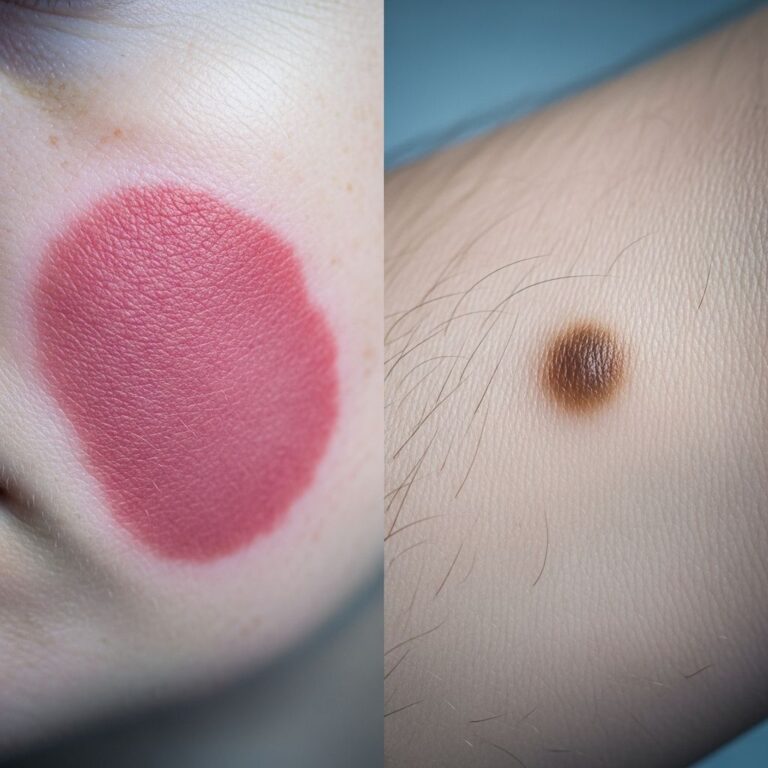
During this process, inflammation can cause visible signs including pain, swelling, redness, and heat in the affected area. These symptoms indicate that your body is actively healing itself. Normally, this inflammatory response should be mild, and while some discomfort is expected, severe pain should prompt medical evaluation. Additionally, inflammation can affect parts of your body that aren’t visible, with inflammatory responses occurring behind the scenes to support healing and immune function.
Types of Inflammation
Understanding the two main types of inflammation—acute and chronic—is essential for recognizing when intervention may be necessary.
Acute Inflammation
Acute inflammation is your immune system’s rapid response to a sudden injury or illness. During acute inflammation, inflammatory cells travel to the site of injury (such as a cut on your finger) or infection and begin the healing process immediately. This type of inflammation typically lasts for a few hours to a few days, depending on the severity and nature of your condition.
Common causes of acute inflammation include:
– Infections in various body parts (bacterial infections like strep throat, viral infections like the flu)- Physical injuries and trauma- Burn injuries- Chemical exposure- Surgical procedures
Chronic Inflammation
Chronic inflammation occurs when your body continues sending inflammatory cells even when there’s no actual danger present. This persistent inflammatory state can last for months or years, with periods of improvement alternating with times when symptoms worsen. In chronic inflammation, processes that normally protect your body end up harming it instead.
For example, in rheumatoid arthritis, inflammatory cells and substances attack joint tissues, leading to inflammation that comes and goes and can cause severe, permanent damage to your joints. Chronic inflammation is involved in the disease process of many conditions, and researchers have linked it to a wide range of chronic diseases that collectively account for more than half of all deaths globally.
Related Stories



Symptoms of Inflammation
Acute Inflammation Symptoms
Acute inflammation typically produces visible and easily recognizable symptoms at the site of injury or infection:
– Flushed or red skin- Pain or tenderness- Swelling- Heat at the affected area- Temporary loss of function
Chronic Inflammation Symptoms
Chronic inflammation symptoms may be harder to spot than acute inflammation symptoms and can vary widely depending on which parts of your body are affected. Common signs include:
– Persistent fatigue- Fever- Mouth sores- Chest pain- Abdominal pain- Rashes- Joint pain or stiffness- Weight changes
Causes of Inflammation
Causes of Acute Inflammation
Injuries and infections typically cause acute inflammation. When your body experiences physical trauma or is exposed to infectious agents, the inflammatory response activates quickly to contain the threat and initiate healing.
Causes of Chronic Inflammation
Environmental factors, including aspects of your daily life and exposures to toxins, are the culprits behind most cases of chronic inflammation. Common causes include:
– Poor diet and nutritional imbalances- Chronic stress- Sedentary lifestyle- Environmental toxin exposure- Smoking and tobacco use- Excessive alcohol consumption- Sleep deprivation- Obesity- Autoimmune disorders
Inflammatory Diseases and Conditions
Chronic inflammation is involved in the disease process of many conditions. Some of the most common inflammatory diseases include:
| Disease | Type | Description ||———|——|————-|| Rheumatoid Arthritis | Autoimmune | Inflammatory cells attack joint tissues || Lupus | Autoimmune | Affects skin, joints, blood, and organs || Crohn’s Disease | Inflammatory Bowel Disease | Chronic inflammation of the digestive tract || Psoriasis | Autoimmune | Chronic skin inflammation || Asthma | Immune-mediated | Airway inflammation || Heart Disease | Inflammatory | Inflammation affects cardiovascular system || Type 2 Diabetes | Metabolic | Associated with chronic inflammation |
Treatment and Management
Treating Acute Inflammation
Inflammation doesn’t always need treatment. For acute inflammation, you can usually relieve discomfort in a few days by:
– Resting the affected area- Applying ice to reduce swelling- Elevating the injured area- Using over-the-counter pain relievers- Compression with bandages or wraps
Managing Chronic Inflammation
If you have chronic inflammation, your provider may recommend various treatment approaches tailored to your specific condition and needs. These may include:
– Lifestyle modifications (diet changes, exercise, stress management)- Anti-inflammatory medications- Corticosteroids like prednisone (used to treat conditions including rheumatoid arthritis, lupus, and vasculitis)- Immunosuppressive therapies- Disease-modifying treatments- Regular medical monitoring
The Role of Corticosteroids
Prednisone is a type of corticosteroid that healthcare providers commonly prescribe to treat many conditions that cause inflammation. It’s particularly effective for managing rheumatoid arthritis, lupus, vasculitis, and other inflammatory conditions. These medications work by suppressing the immune system’s inflammatory response, though they require careful medical supervision due to potential side effects with long-term use.
Prevention and Lifestyle Changes
Learning how inflammation can affect your body gives you the chance to make meaningful changes in your daily life to feel better and stay as healthy as possible. Consider these preventive measures:
Dietary Modifications
Adopting an anti-inflammatory diet can help reduce chronic inflammation. Focus on:
– Omega-3 rich foods (fatty fish, flaxseeds, walnuts)- Colorful fruits and vegetables- Whole grains- Legumes and beans- Olive oil- Limiting processed foods and added sugars
Physical Activity
Regular exercise helps reduce inflammation and improves overall health. Aim for at least 150 minutes of moderate-intensity activity weekly.
Stress Management
Chronic stress contributes to inflammatory responses. Practice stress-reduction techniques such as meditation, yoga, or deep breathing exercises.
Quality Sleep
Adequate sleep supports immune function and helps regulate inflammatory processes. Aim for 7-9 hours nightly.
Frequently Asked Questions
Q: Is all inflammation bad?
A: No. Acute inflammation in response to injury or infection is a normal and beneficial process that helps your body heal. The problem arises when inflammation becomes chronic or occurs without a clear threat to your body.
Q: How long does acute inflammation typically last?
A: Acute inflammation may last for a few hours to a few days, depending on your condition and the severity of the injury or infection.
Q: Can chronic inflammation be cured?
A: While chronic inflammation can’t always be completely cured, it can be effectively managed through lifestyle modifications, medications, and medical treatment tailored to the underlying condition causing the inflammation.
Q: What should I do if I suspect I have chronic inflammation?
A: Talk to your healthcare provider about your risk for chronic inflammation and how to manage any existing conditions. They can perform appropriate testing and recommend personalized treatment strategies.
Q: Are there natural ways to reduce inflammation?
A: Yes. Anti-inflammatory diets, regular exercise, stress management, quality sleep, maintaining a healthy weight, and avoiding smoking and excessive alcohol can all help reduce inflammation naturally.
Q: What’s the difference between acute and chronic inflammation?
A: Acute inflammation is sudden and temporary, typically lasting days, while chronic inflammation persists for months or years and occurs even when there’s no clear threat to your body.
References
- What Is Inflammation? Types, Causes & Treatment — Cleveland Clinic. 2024. https://my.clevelandclinic.org/health/symptoms/21660-inflammation
Similar Articles








Read full bio of Sneha Tete