Inflammatory Acne: Causes, Types, and Treatment Options
Understanding inflammatory acne: pathophysiology, treatment approaches, and management strategies.
Understanding Inflammatory Acne: A Complete Guide
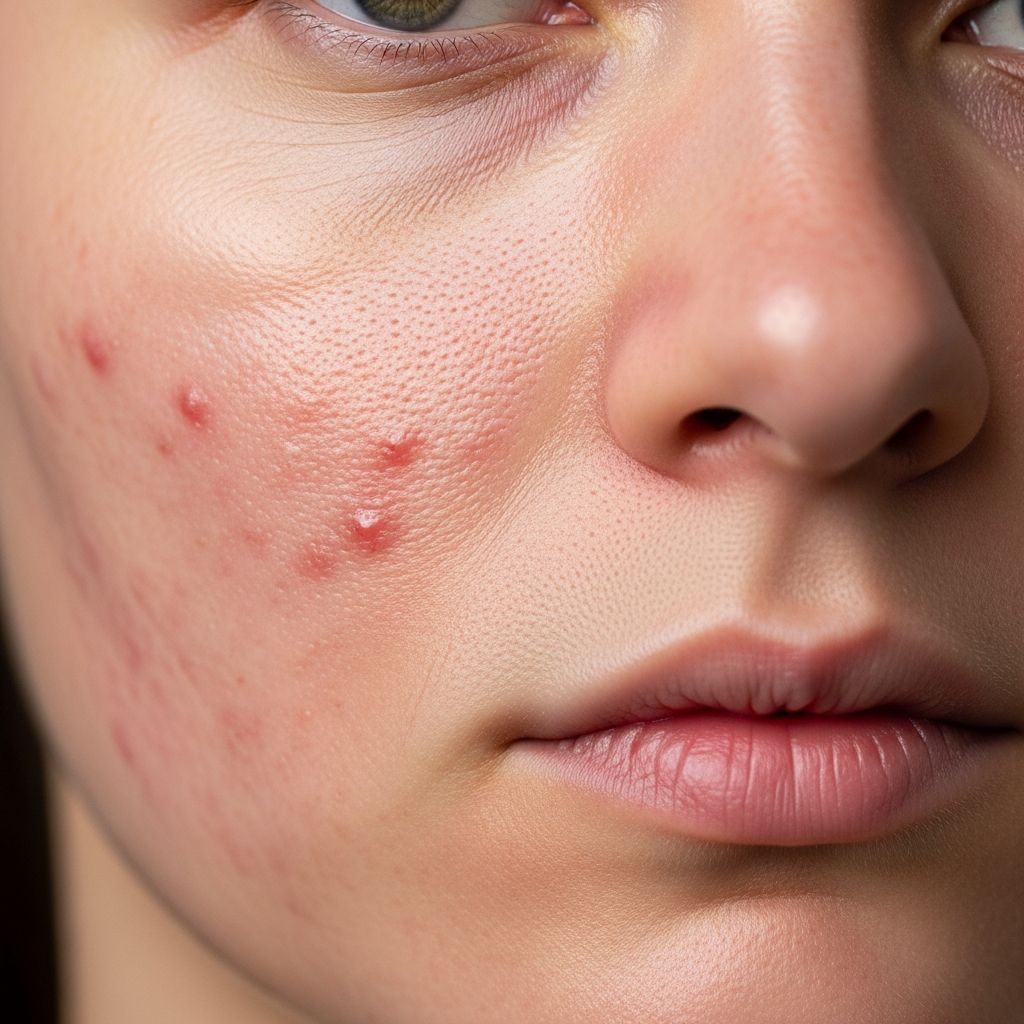
Inflammatory acne is a skin condition that occurs when hair follicles become plugged with oil and dead skin cells, triggering an immune response that causes redness, swelling, and discomfort. Unlike non-inflammatory acne such as blackheads and whiteheads, inflammatory acne involves immune system activation and can result in visible lesions, post-inflammatory erythema, and potential scarring if left untreated.
Understanding the underlying causes and available treatments is essential for managing this common skin condition effectively. Recent advances in dermatological research have revealed that inflammatory acne involves complex interactions between four main pathophysiological factors: excess oil production, follicular hyperkeratinization, bacterial colonization, and immune-mediated inflammation.
The Four Pillars of Acne Pathophysiology
Modern dermatological research has identified four interconnected mechanisms that drive acne development. These pillars explain why acne is multifactorial and why treatment often requires a combination approach.
- Excess Sebum Production: Oil glands (sebaceous glands) produce sebum, an oily substance that lubricates hair and skin. During puberty and certain hormonal cycles, sebum production increases, clogging hair follicles and creating an environment for bacterial growth.
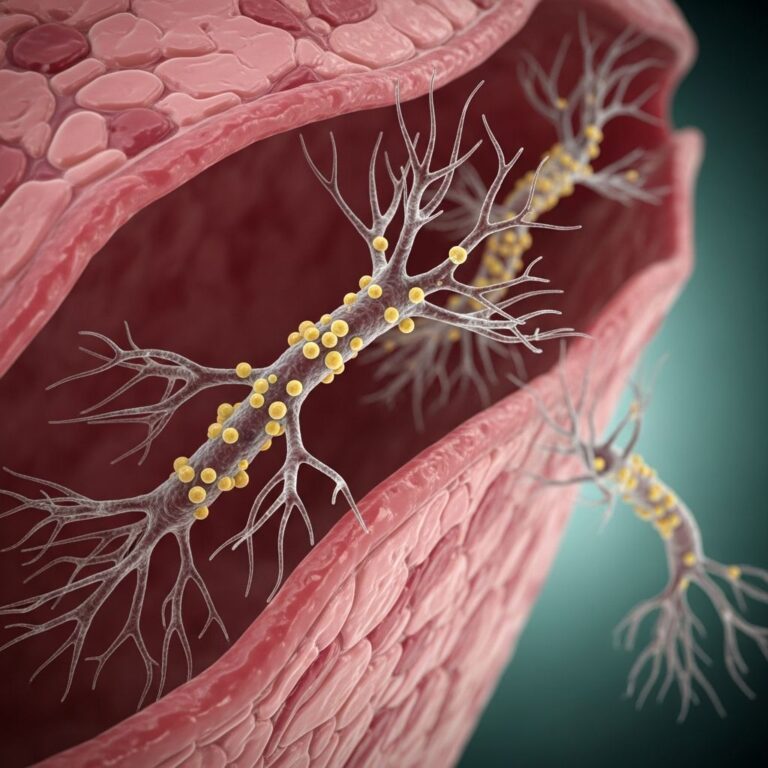
- Hyperkeratinization: Abnormal shedding of dead skin cells within hair follicles prevents natural drainage and traps oil and bacteria inside the follicle. This process is triggered when Cutibacterium acnes activates inflammatory pathways.
- Bacterial Colonization: Cutibacterium acnes (formerly known as Propionibacterium acnes) is a bacterium that naturally exists on skin but proliferates in clogged follicles. This bacterium can form biofilms that promote inflammation and resist antibiotic treatment.
- Immune-Mediated Inflammation: The body’s innate and adaptive immune systems respond to C. acnes, releasing pro-inflammatory cytokines that cause the redness, swelling, and discomfort characteristic of inflammatory acne.
Types of Inflammatory Acne Lesions
Inflammatory acne manifests in several distinct forms, ranging from mild to severe. Healthcare providers classify acne severity to determine appropriate treatment approaches.
- Papules: Small red, tender bumps that lack a white center, typically less than 5mm in diameter.
- Pustules (Pimples): Red bumps with white or yellow centers containing pus, resulting from bacteria-triggered inflammation within the follicle.
- Nodules: Large, solid, painful lumps deep under the skin that may persist for weeks and often result in scarring.
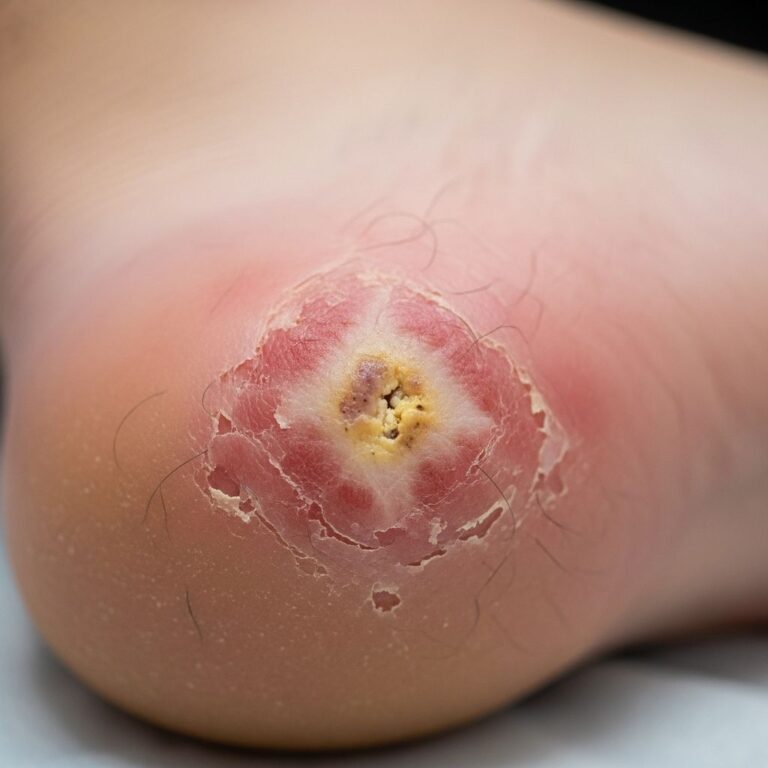
- Cystic Acne: The most severe form, where oil and dead skin cells build up deep within hair follicles, causing painful, pus-filled lumps beneath the skin surface. Cystic acne represents a boil-like inflammation and requires aggressive treatment.
Immune System Involvement in Inflammatory Acne
Recent research has significantly advanced our understanding of how the immune system contributes to acne inflammation, opening new therapeutic possibilities.
Innate Immunity Response
Cutibacterium acnes activates the innate immune system through toll-like receptors (TLRs), particularly TLR-2 and TLR-4, found on skin cells (sebocytes and keratinocytes). This activation triggers the release of pro-inflammatory cytokines including interleukin (IL)-6, IL-8, and IL-12 from immune cells called monocytes.
Additionally, C. acnes activates the NLRP3 inflammasome in monocytic cells, leading to increased release of IL-1β, a potent inflammatory mediator. These pro-inflammatory cytokines and receptors are expressed at significantly higher levels in acne lesions, perpetuating the inflammatory cycle.
Related Stories



Adaptive Immunity Response
Beyond innate immunity, the adaptive immune system also plays a crucial role in inflammatory acne. Early acne lesions contain large amounts of CD4+ T-helper cells, and C. acnes induces proliferation of T-cells specifically targeted to fight this bacterium.
These specialized T-cells secrete interferon-gamma (IFN-γ) and IL-17A, creating a Th1/Th17 host response that amplifies inflammation. This adaptive immune response explains why some individuals experience persistent acne despite antibiotic use, as the immune system continues responding even after bacterial load is reduced.
Common Locations for Inflammatory Acne
Inflammatory acne typically appears in specific body regions where oil glands are most concentrated. These areas include:
- Face (particularly the T-zone: forehead, nose, and chin)
- Forehead and hairline
- Chest and upper back
- Shoulders
These locations have the highest concentration of sebaceous glands connected to hair follicles, making them particularly susceptible to clogging and bacterial colonization.
Current Treatment Approaches for Inflammatory Acne
Treatment strategies for inflammatory acne vary based on severity, patient age, and skin type. A comprehensive approach often combines multiple modalities to address the four pillars of acne pathophysiology.
Topical Treatments
Benzoyl Peroxide (BP): This first-line topical agent works by releasing free radicals that break down keratin and cause peroxidation of C. acnes without promoting antimicrobial resistance. Common first-line combination therapies pair benzoyl peroxide with clindamycin or erythromycin, with clindamycin preferred due to lower antibiotic resistance rates in C. acnes.
Retinoids: Topical and oral retinoids reduce hyperkeratinization and have anti-inflammatory properties. Isotretinoin (Accutane) is the only FDA-approved oral retinoid for severe, nodulocystic, and recalcitrant acne, particularly in patients at risk for scarring. Notably, isotretinoin is the only acne medication targeting all four major pathophysiological pillars: sebum production, hyperkeratinization, C. acnes concentration, and inflammation.
Oral Medications
Antibiotics: Oral antibiotics including minocycline, doxycycline, and erythromycin reduce bacterial load and decrease inflammation. However, these medications should not be used long-term for acne treatment and are best combined with benzoyl peroxide to prevent antimicrobial resistance.
Hormonal Medications: For individuals with hormone-driven acne, particularly women, hormonal contraceptives and anti-androgenic medications can reduce sebum production and suppress acne development.
Procedural Therapies
Intense Pulsed Light (IPL): IPL effectively improves inflammatory acne by killing C. acnes, downregulating tumor necrosis factor-alpha (TNF-α), and upregulating transforming growth factor-beta (TGF-β). IPL also reduces the size and number of sebaceous glands, addressing multiple acne pathophysiological factors.
Combined Approaches: Research demonstrates synergistic benefits when combining systemic and procedural treatments. For example, oral minocycline (100 mg daily) combined with 3-monthly IPL treatments produced significantly greater reduction in inflammatory lesions and post-inflammatory erythema compared to minocycline monotherapy.
Healing Timeline for Inflammatory Acne
The duration required for acne improvement varies significantly based on severity and treatment approach.
- Mild inflammatory acne: One to two weeks for pimples to clear with medicated treatment and proper skincare.
- Moderate to severe acne: Several weeks or months may be required even with aggressive treatment approaches.
- Cystic acne: Often requires extended treatment periods, particularly when using systemic medications like isotretinoin.
Acne Scarring: Prevention and Management
Inflammatory acne can cause permanent scarring when inflammation penetrates the top layer of skin and damages deeper skin structures. Inflammation causes acne pores to swell and follicle walls to break down, resulting in skin damage that extends below the epidermis.
Prevention through early and aggressive treatment of inflammatory acne is essential. Treating severe inflammatory lesions promptly—particularly nodules and cystic lesions—significantly reduces scarring risk. For existing acne scars, various treatment options including chemical peels, microdermabrasion, laser therapy, and dermal fillers are available.
When to Consult a Dermatologist
While general healthcare providers can diagnose and treat acne, consulting a dermatologist is recommended in several situations:
- Acne that does not improve with over-the-counter treatments within 6-8 weeks
- Severe acne with nodules or cystic lesions
- Acne causing emotional distress or anxiety
- Concerns about potential scarring
- Need for procedural treatments or specialized interventions
- Hormonal acne requiring specialized assessment
Future Directions in Inflammatory Acne Treatment
Emerging research continues to reveal new therapeutic targets for treating inflammatory acne. Future treatments increasingly focus on reducing inflammation by targeting specific cytokine pathways known to be upregulated in acne, while novel energy-based devices are being developed to specifically target sebaceous glands. As understanding of acne pathogenesis deepens, treatment options will become more personalized and effective, potentially offering cures rather than just management strategies.
Frequently Asked Questions
Q: What is the difference between inflammatory and non-inflammatory acne?
A: Non-inflammatory acne includes blackheads and whiteheads caused by clogged pores without immune system activation. Inflammatory acne involves immune response, causing red, swollen, painful lesions (papules, pustules, nodules, and cysts) with potential for scarring.
Q: Can inflammatory acne be cured permanently?
A: While inflammatory acne cannot always be permanently cured, it can be effectively managed and controlled with appropriate treatment. Isotretinoin (Accutane) offers the highest remission rates, particularly for severe cases. Most cases respond well to combination therapy addressing the four pathophysiological pillars.
Q: Is inflammatory acne contagious?
A: No, inflammatory acne is not contagious. While Cutibacterium acnes bacteria naturally exist on all skin, acne development depends on individual factors including genetics, hormone levels, immune response, and skincare practices.
Q: How long does it take for acne medications to work?
A: Most topical treatments require 4-6 weeks of consistent use to show improvement, while oral medications may take 2-3 months. Some treatments, like isotretinoin, require longer durations but offer more dramatic results.
Q: Can diet affect inflammatory acne?
A: While the relationship between diet and acne remains complex, some research suggests that high-glycemic foods and dairy products may exacerbate acne in susceptible individuals. However, the primary factors driving inflammatory acne are the four pathophysiological pillars rather than diet alone.
Q: Is it safe to combine multiple acne treatments?
A: Combining treatments can be effective when done appropriately, as research shows synergistic benefits from combining systemic and procedural approaches. However, combinations should always be directed by a dermatologist to prevent skin irritation or adverse interactions.
References
- Targeting Inflammation in Acne: Current Treatments and Future Perspectives — National Center for Biotechnology Information (NIH). 2023. https://pmc.ncbi.nlm.nih.gov/articles/PMC10460329/
- Acne: Types, Causes, Treatment & Prevention — Cleveland Clinic. https://my.clevelandclinic.org/health/diseases/12233-acne
- Acne — Symptoms and Causes — Mayo Clinic. https://www.mayoclinic.org/diseases-conditions/acne/symptoms-causes/syc-20368047
Similar Articles








Read full bio of Sneha Tete