Inflammatory Acne: Symptoms, Types, Causes & Treatment
Complete guide to understanding and treating inflammatory acne with expert medical advice.
Understanding Inflammatory Acne
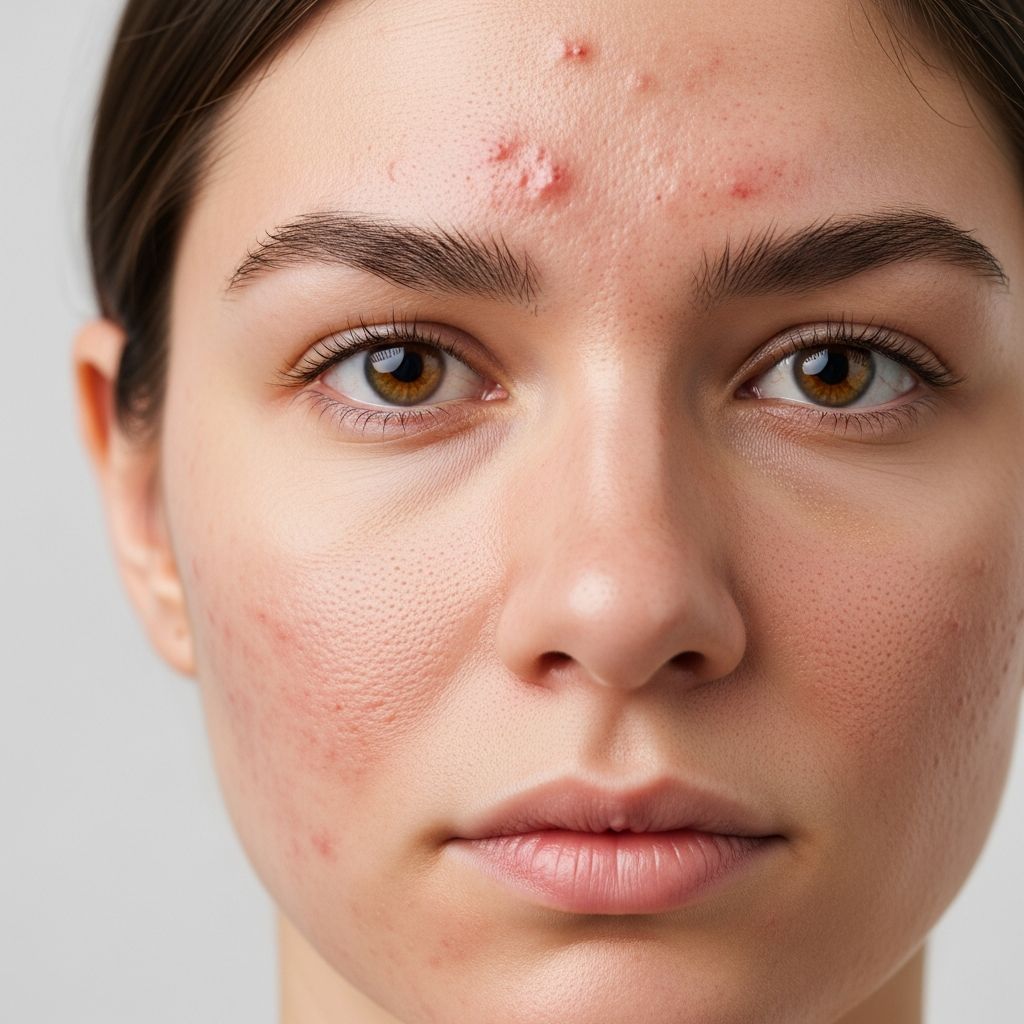
Inflammatory acne is a common skin condition characterized by red, swollen, and sore bumps that often cause discomfort and self-consciousness. Unlike non-inflammatory acne such as blackheads and whiteheads, inflammatory acne presents with pustules, nodules, and cysts that contain bacteria, pus, dead skin cells, and excess oil. This type of acne typically appears on the face, back, chest, and shoulders, affecting both teenagers and adults. The condition can range from mild to severe, and without proper treatment, it may lead to permanent scarring and emotional distress.
What Causes Inflammatory Acne
Inflammatory acne develops through a complex process involving multiple factors within the skin. The condition stems from four primary stages of acne development: excess sebum production, hyperkeratinization and obstruction of the pilosebaceous follicle, bacterial colonization, and inflammatory response. When hair follicles become clogged with dead skin cells and sebum, bacteria multiply within the follicle, triggering an inflammatory response from the immune system. This inflammation creates the characteristic red, swollen appearance of pustules and nodules.
Several factors contribute to the development of inflammatory acne:
- Hormonal fluctuations, particularly increases in androgens that stimulate sebum production
- Bacterial growth, specifically Cutibacterium acnes (formerly Propionibacterium acnes)
- Excess oil production overwhelming the skin’s natural balance
- Dead skin cell accumulation blocking pores
- Genetic predisposition to acne
- Environmental factors and lifestyle habits
Symptoms and Signs of Inflammatory Acne
Inflammatory acne manifests differently than non-inflammatory types and can be easily identified by its distinctive characteristics. The primary symptoms include:
- Red, inflamed bumps on the skin surface
- Pustules filled with pus and dead skin cells
- Painful nodules beneath the skin surface
- Tender cysts that may feel hard to the touch
- Swelling and warmth around affected areas
- Potential for permanent scarring if left untreated
These lesions often feel tender or painful when touched and can cause significant physical discomfort. Inflammatory acne is more likely to leave scars compared to comedonal acne because the inflammation extends deeper into the skin layers, damaging the supporting structures of the skin.
Diagnosis of Inflammatory Acne
Healthcare providers can diagnose inflammatory acne through visual examination of the skin. No laboratory tests or specialized procedures are required for diagnosis. You can visit your primary care physician or a dermatologist (skin specialist) for an accurate diagnosis. During the consultation, your healthcare provider will assess the type and severity of lesions to determine the most appropriate treatment plan. They will also evaluate whether the acne is resistant to previous treatments and discuss any underlying factors that may be contributing to the condition.
Topical Treatment Options
Topical treatments are typically the first line of defense for inflammatory acne and are applied directly to affected areas. These medications come in various formulations including gels, lotions, and creams, each designed to address different aspects of acne formation.
Benzoyl Peroxide
Benzoyl peroxide is a bactericidal agent that kills acne-causing bacteria on the skin surface. It is most effective when used in conjunction with antibiotics to reduce antibiotic-resistant bacteria. This treatment reduces inflammation and helps prevent new breakouts from forming. It typically comes in strengths ranging from 2.5% to 10%, with lower concentrations being less irritating for sensitive skin.
Related Stories



Topical Antibiotics
Prescription topical antibiotics such as clindamycin and erythromycin target bacterial growth and reduce inflammation. These are often combined with benzoyl peroxide or retinoids for enhanced effectiveness. Topical antibiotics should be applied to the entire affected area rather than individual spots to achieve optimal results.
Topical Retinoids
Retinoids including tretinoin, adapalene, and tazarotene work by normalizing skin cell turnover and reducing follicular keratinization. Adapalene, available as a gel or cream, acts on different retinoid receptor subtypes and appears to be the least irritating option. It is important to note that acne may worsen during the first 3 to 4 weeks of retinoid therapy before improving. Patients with sensitive skin should start by applying retinoids on alternate nights and gradually increase frequency as tolerance develops.
Other Topical Treatments
Additional topical options include azelaic acid, which helps reduce inflammation and has antimicrobial properties, and sulfur-based products that can be effective for inflammatory lesions. The choice of formulation—gel, lotion, or cream—depends on your skin type, with gels being most appropriate for oily skin due to their drying properties.
Oral Medications for Inflammatory Acne
Oral medications are indicated for moderate-to-severe inflammatory acne or for mild acne that is resistant to topical treatments. These systemic treatments work throughout the body to reduce the factors contributing to acne development.
Oral Antibiotics
Oral antibiotics are commonly prescribed to reduce bacteria and fight inflammation in moderate-to-severe cases. Typical prescriptions include:
- Tetracycline: 500 mg twice daily
- Doxycycline: 50–100 mg daily or twice daily
- Minocycline: 50–100 mg daily or twice daily
- Erythromycin: 333–500 mg three or four times daily
Oral antibiotics are often combined with topical treatments for better efficacy. However, it is crucial to use antibiotics only when necessary and to limit the length of therapy to prevent the development of antibiotic-resistant bacteria.
Hormonal Treatments
For women, certain oral contraceptive pills may help regulate hormones that cause acne. These medications reduce androgen activity, thereby decreasing sebum production. Spironolactone, an anti-androgen agent, can also be prescribed to reduce the androgen hormones that increase oil production and contribute to inflammatory acne development.
Isotretinoin
Isotretinoin is a powerful systemic retinoid reserved for severe cystic acne or cases resistant to conventional treatments. This medication targets all four factors in acne development: follicular keratinization, Cutibacterium acnes, sebaceous gland activity, and inflammation. Approximately 40 to 60% of patients remain clear of acne after a single course of isotretinoin. However, acne may worsen during the first several weeks of therapy before improving significantly.
Isotretinoin is approved for severe cystic acne but may also be used under specific circumstances:
- Less than 50% improvement after 6 months of aggressive conventional oral antibiotic and topical combination therapy
- Acne that leaves permanent scars
- Acne associated with significant psychological distress
- Acne that significantly relapses during or soon after conventional therapy
Due to potential adverse effects including peeling of lips, headaches, muscle pain, depression, and dry eyes, isotretinoin requires careful monitoring and should only be prescribed after consultation with a dermatologist.
Professional Treatment Procedures
Several professional procedures can help remove inflammatory acne blemishes and improve skin appearance. These should be performed by healthcare professionals to avoid damaging pores and causing additional acne.
- Extractions: Manual removal of comedones and pustules performed by a professional
- Chemical peels: Application of chemical solutions to exfoliate and improve skin texture
- Laser therapy: Uses light energy to reduce bacterial growth and inflammation
- Intralesional steroid injections: Direct injection of triamcinolone acetonide into painful nodules or cysts for rapid inflammation reduction
What Not to Do with Inflammatory Acne
Improper handling of inflammatory acne can worsen the condition and lead to complications. It is critically important to avoid:
- Picking, squeezing, or popping inflammatory blemishes, which can cause infection, increased inflammation, and permanent scarring
- Overusing harsh skincare products that can irritate sensitive, inflamed skin
- Touching your face frequently, which transfers bacteria and oils
- Using heavy makeup that can clog pores
- Exposing inflammatory acne to excessive sun without protection
Preventing Scars from Inflammatory Acne
Preventing permanent scarring should be a primary focus when managing inflammatory acne. Key prevention strategies include:
- Treating acne promptly when it begins to prevent progression to more severe forms
- Avoiding manipulation of lesions to prevent deeper skin damage
- Following prescribed treatment plans consistently
- Consulting a dermatologist for resistant or severe acne
- Considering professional treatments early for nodules and cysts that are prone to scarring
Early intervention is essential because untreated moderate-to-severe acne can leave permanent scars where lesions formed. Professional treatments and consistent skincare can significantly reduce scarring risk.
Long-term Management and Prevention
Inflammatory acne is often a chronic condition that can return during or after treatment. Even after your skin improves significantly, you should continue a consistent skincare regimen to prevent or minimize future blemishes. Many people achieve clearer skin with several months of dedicated skin care and professional treatment, though individual results vary.
A proper skincare routine should include:
- Gentle cleansing twice daily with a mild cleanser
- Regular application of prescribed topical treatments
- Consistent use of non-comedogenic moisturizers
- Daily broad-spectrum sunscreen application
- Avoiding irritating or heavily fragranced products
When to See a Dermatologist
Referral to a dermatologist is recommended in several situations:
- Acne that is resistant to conventional over-the-counter and standard topical treatments
- Consideration of isotretinoin therapy for severe or resistant cases
- Need for intralesional steroid injections for painful nodules or cysts
- Acne causing significant psychological or emotional distress
- Concern about permanent scarring or other complications
A dermatologist can provide specialized treatment options and develop a comprehensive management plan tailored to your specific needs.
Frequently Asked Questions
Q: Can over-the-counter products treat inflammatory acne?
A: Some over-the-counter cleansers and creams containing benzoyl peroxide, salicylic acid, or other active ingredients can help reduce mild inflammatory acne. However, many people with moderate-to-severe inflammatory acne need prescription treatments from a healthcare provider for effective results.
Q: How long does inflammatory acne treatment take?
A: Most treatments require several weeks to months to show significant improvement. Many people achieve clearer skin within 2-3 months of consistent treatment, though individual results vary depending on severity and treatment type.
Q: Will inflammatory acne leave scars?
A: Inflammatory acne can leave permanent scars, especially if nodules and cysts are present or if the acne is left untreated. Early treatment and avoiding manipulation of lesions significantly reduce scarring risk.
Q: Can I use multiple acne treatments together?
A: Yes, combination therapy using topical treatments, oral medications, and professional procedures is often more effective than single treatments. However, you should consult with a healthcare provider to ensure compatibility and prevent irritation.
Q: Is inflammatory acne contagious?
A: No, inflammatory acne is not contagious. While bacteria plays a role in its development, acne cannot be transmitted from person to person through contact.
References
- Classification and Initial Treatment of Acne Vulgaris — Cleveland Clinic Journal of Medicine. 2003. https://www.ccjm.org/content/ccjom/70/8/670.full.pdf
- Inflammatory Acne: Symptoms, Types, Causes, Treatment — Cleveland Clinic. Updated 2025. https://my.clevelandclinic.org/health/diseases/22765-inflammatory-acne
- Acne Treatment: Topical and Oral Medications — Cleveland Clinic Health Information. 2024. https://my.clevelandclinic.org/health/diseases/12233-acne
Similar Articles








Read full bio of medha deb