Inflammatory Arthritis And Gut Health: What You Need To Know
Discover the vital link between gut microbiome health and inflammatory arthritis, and learn strategies to support joint health through gut care.
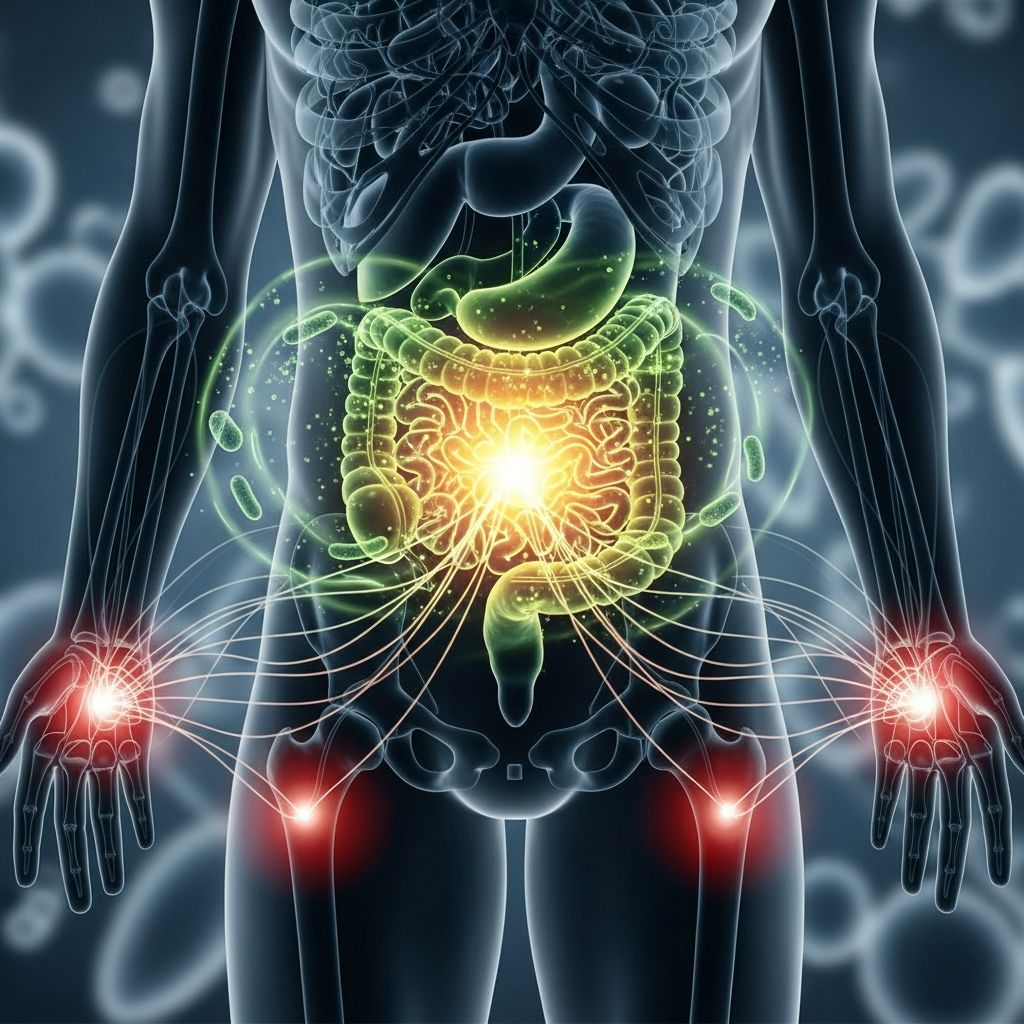
The gut microbiome plays a pivotal role in regulating immune responses that can either protect against or exacerbate inflammatory arthritis conditions like rheumatoid arthritis (RA), psoriatic arthritis (PsA), and ankylosing spondylitis (AS). Disruptions in this microbial community may trigger systemic inflammation affecting joints and beyond.
The Gut-Joint Axis: How It Works
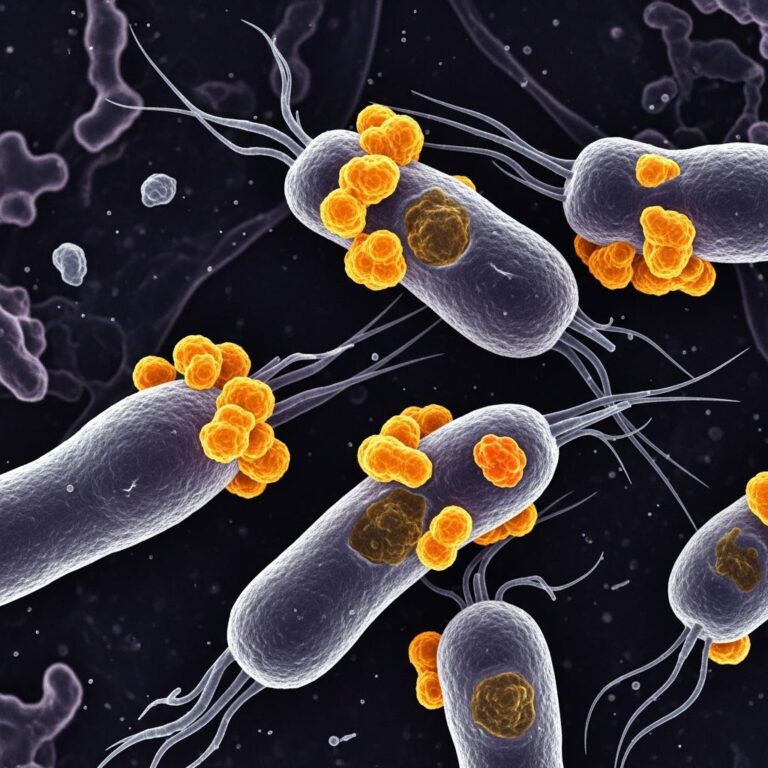
Your gut houses trillions of microorganisms forming the microbiome, which maintains barrier integrity, modulates immunity, and prevents harmful substances from entering the bloodstream. In healthy individuals, this balance supports immune tolerance. However, dysbiosis—an imbalance in gut bacteria—can impair the gut barrier, allowing bacterial products like lipopolysaccharides to leak into circulation, provoking widespread inflammation that targets joints.
Research shows that people with new-onset RA have about 75% prevalence of Prevotella copri in their guts, compared to just 12% in those with treated, long-standing RA or healthy controls. This bacterium correlates with reduced beneficial Bacteroides species and heightened Th17 immune responses that drive joint damage. Similarly, PsA patients exhibit lower levels of protective bacteria, while AS links to reduced Faecalibacterium prausnitzii, which sustains barrier function and curbs inflammation.
Leaky Gut and Inflammatory Arthritis
Intestinal permeability, often termed “leaky gut,” is impaired in RA patients, enabling microbial translocation into tissues and blood. This activates innate immunity, promotes autoreactive T-cell migration to joints, and amplifies cytokines like TNF-α, IL-6, and IL-1, eroding cartilage and bone. Studies confirm bacterial peptidoglycan in RA synovial fluid, directly fueling local inflammation.
Beyond RA, leaky gut associates with juvenile idiopathic arthritis (JIA), gout, and lupus flares. Loss of protective mucus layers and tight junctions allows inflammatory cells to escape the gut, attacking distant sites like joints and organs.
Beyond the Gut: Systemic Effects
Gut disruptions don’t stay localized. Factors like antibiotics, smoking, stress, and pro-inflammatory diets erode microbial diversity, unleashing inflammatory chemicals body-wide. Dr. Jose Scher notes that diminished protective bacteria impairs immune regulation, permitting inflammation to assail joints and viscera.
In obesity-linked osteoarthritis, gut changes accelerate knee cartilage loss post-injury, with obese mice showing near-total degradation in 12 weeks versus slower progression in lean counterparts. Mayo Clinic research identifies specific bacteria triggering pre-clinical autoimmunity in RA, even before symptoms manifest.
Disrupting Factors: What Throws Off Gut Balance
- Antibiotics: Broad-spectrum use wipes out beneficial bacteria, fostering pathogens like P. copri overgrowth.
- Smoking: Alters microbiome composition, heightening RA risk and severity.
- Stress: Chronic stress disrupts microbial diversity via HPA axis dysregulation.
- Diet: High-salt, processed foods, red meat, and sugar promote dysbiosis and barrier breakdown.
High-salt diets, for instance, induce micro-inflammation and Th17 dominance, mimicking RA pathology.
Supporting Gut Health for Arthritis Management
Dietary interventions can restore balance. Anti-inflammatory Mediterranean-style eating—rich in fiber, omega-3s, fruits, vegetables—bolsters microbiome diversity and reduces disease activity.
| Foods to Embrace | Benefits |
|---|---|
| Fiber-rich plants (e.g., oats, beans, berries) | Feed beneficial bacteria, produce short-chain fatty acids (SCFAs) like butyrate for barrier repair. |
| Fermented foods (yogurt, kefir, sauerkraut) | Supply probiotics to compete with pathogens. |
| Omega-3 sources (fish, flaxseeds) | Lower inflammation, support microbial equilibrium. |
| Polyphenol-rich (green tea, dark chocolate) | Promote anti-inflammatory bacteria growth. |
Related Stories



| Foods to Limit | Risks |
|---|---|
| Processed sugars/carbs | Feed inflammatory bacteria, worsen dysbiosis. |
| Red/processed meats | Increase gout risk, elevate cytokines. |
| Excess alcohol | Disrupts barrier, heightens RA/gout odds. |
| High salt | Impairs microbiome, promotes autoimmunity. |
Probiotics and Prebiotics: Emerging Evidence
Probiotics like Lactobacillus casei and L. acidophilus reduce arthritis scores in animal models by curbing dysbiosis, inflammation, and bone loss. Human trials show mixed but promising results for symptom relief and activity increase. Prebiotics (e.g., inulin) nourish good bacteria, while fecal transplants show potential in restoring diversity.
Clinical trials affirm dietary shifts alleviate RA severity, with probiotics aiding gut integrity.
Future Directions in Research and Therapy
Ongoing studies probe microbiome signatures for early RA detection and personalized therapies. Targeting P. copri or boosting F. prausnitzii could prevent progression. Integrating gut-focused interventions with DMARDs may optimize outcomes.
Frequently Asked Questions (FAQs)
What is the gut-joint axis?
The gut-joint axis describes how microbiome imbalances trigger immune dysregulation, leaky gut, and systemic inflammation targeting joints in arthritis.
Can diet improve my arthritis symptoms?
Yes, anti-inflammatory diets rich in fiber and probiotics reduce inflammation and support microbiome health, potentially easing RA and PsA symptoms.
Should I take probiotics for arthritis?
Some strains like Lactobacillus show benefits in studies, but consult a doctor; results vary.
Does leaky gut cause arthritis?
Leaky gut contributes by allowing bacterial leakage that activates joint-attacking immunity, especially in RA.
How do antibiotics affect arthritis risk?
They disrupt microbiome balance, promoting pro-inflammatory bacteria linked to higher RA incidence.
References
- Gut Health and Rheumatoid Arthritis (RA) — WebMD. 2023. https://www.webmd.com/rheumatoid-arthritis/gut-health-rheumatoid-arthritis
- Gut microbiota and rheumatoid arthritis: From pathogenesis to novel therapeutic approaches — PMC (NCBI). 2022-09-27. https://pmc.ncbi.nlm.nih.gov/articles/PMC9499173/
- Inflammatory Arthritis and Gut Health — Arthritis Foundation. 2023. https://www.arthritis.org/health-wellness/about-arthritis/related-conditions/physical-effects/inflammatory-arthritis-and-gut-health
- How Your Gut Health Can Affect Your Arthritis — Arthritis Australia. 2023. https://www.arthritis.org.au/arthritis/arthritis-insights/nutrition-for-joint-health/how-your-gut-health-can-affect-your-arthritis/
- Mayo Clinic researchers identify link between gut bacteria and pre-clinical autoimmunity and aging in rheumatoid arthritis — Mayo Clinic. 2023-09-18. https://individualizedmedicineblog.mayoclinic.org/2023/09/18/mayo-clinic-researchers-identify-link-between-gut-bacteria-and-pre-clinical-autoimmunity-and-aging-in-rheumatoid-arthritis/
- The role of diet and gut health in arthritis management — New Victoria Hospital. 2023. https://www.newvictoria.co.uk/about-us/news-and-articles/role-diet-and-gut-health-arthritis-management
Similar Articles








Read full bio of Sneha Tete