Inflammatory Arthritis: Challenges and Solutions
Overcome inflammatory arthritis hurdles with expert strategies for symptom management, complication prevention and optimal care.
Inflammatory arthritis encompasses conditions like
rheumatoid arthritis (RA)
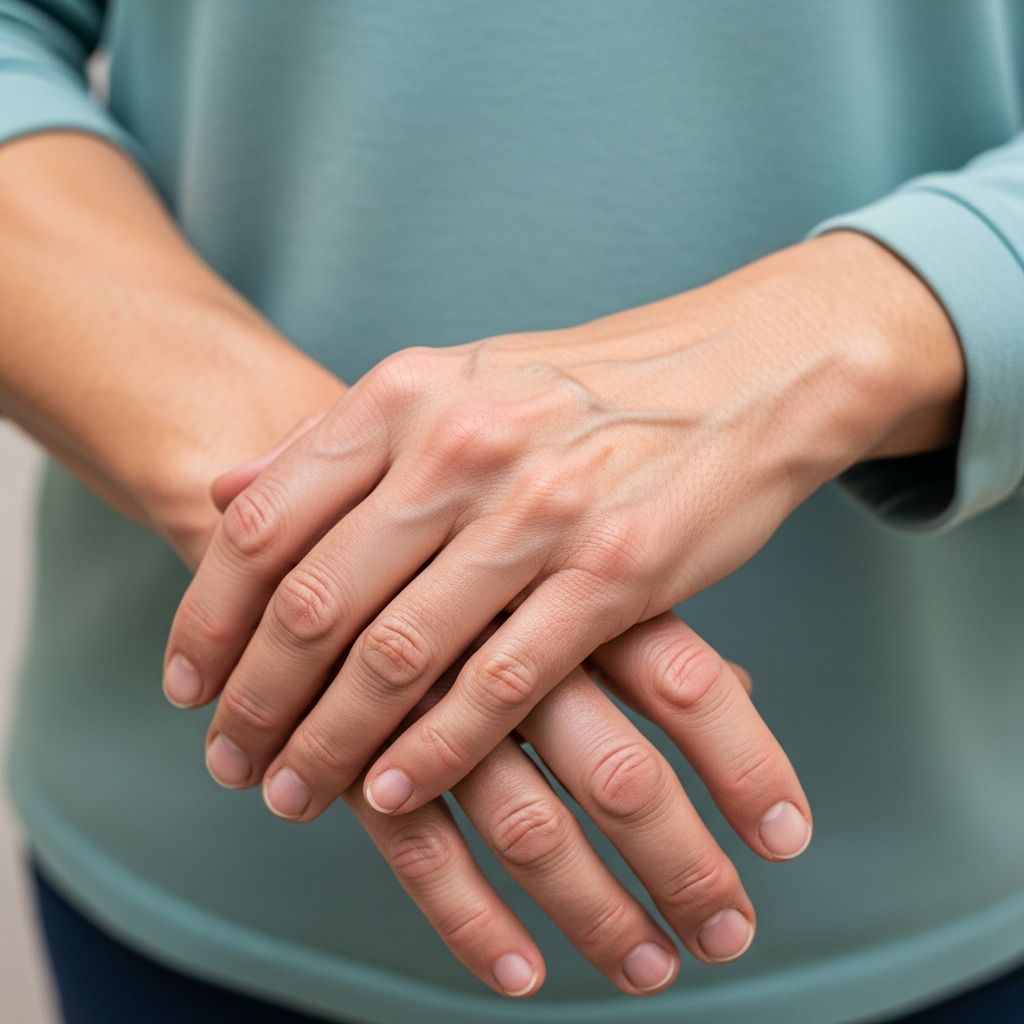
, where the immune system attacks joint linings, causing pain, swelling and potential damage. This article addresses common challenges and evidence-based solutions to help manage symptoms and prevent complications.What Is Inflammatory Arthritis?
Inflammatory arthritis refers to a group of autoimmune diseases, primarily
rheumatoid arthritis
, that cause chronic inflammation in the joints. Unlike osteoarthritis, which results from wear and tear, inflammatory types involve the body’s immune response targeting synovial tissues, leading to pain, stiffness and progressive damage.Symptoms often include joint tenderness, swelling, morning stiffness lasting over 30 minutes, fatigue and low-grade fever. If untreated, it can affect organs like the heart, lungs and eyes, highlighting the need for early intervention.
Common Challenges
People with inflammatory arthritis face multifaceted hurdles that impact daily life and long-term health.
Pain and Stiffness
Persistent joint pain and stiffness, especially in the morning or after inactivity, limit mobility and activities. Flares exacerbate this, with sudden increases in inflammation causing severe discomfort.
Fatigue and Weakness
Overwhelming fatigue unrelated to activity is common, stemming from chronic inflammation and poor sleep. This reduces productivity and quality of life.
Joint Damage and Deformity
Unchecked inflammation erodes cartilage and bone, leading to deformities, reduced function and disability.
Systemic Complications
- Cardiovascular risks: Increased chance of heart disease due to inflammation.
- Lung involvement: Scarring or nodules in lungs.
- Gut health issues: Links between inflammatory arthritis and microbiome imbalances.
- Mental health: Anxiety and depression from chronic pain.
Access to Care Barriers
Delayed diagnosis, especially in underserved populations, worsens outcomes. Communication gaps with providers add challenges.
Treatment Goals
The primary aims are to achieve remission, relieve symptoms, prevent damage and enhance well-being. Strategies include:
- Early aggressive therapy to halt inflammation.
- Treat-to-target approach aiming for minimal disease activity.
- Tight control monitoring.
Solutions and Management Strategies
Medications
Medications form the cornerstone of treatment.
| Medication Type | Examples | Purpose |
|---|---|---|
| NSAIDs | Ibuprofen, Naproxen | Pain relief, mild inflammation control. |
| DMARDs | Methotrexate | Slow disease progression. |
| Biologics | TNF inhibitors (e.g., Etanercept) | Target specific immune pathways. |
| Corticosteroids | Prednisone | Quick inflammation reduction. |
| Analgesics | Acetaminophen | Pain without anti-inflammatory effect. |
Doctors tailor regimens, often starting with methotrexate and adding biologics if needed.
Physical Therapy and Exercise
Regular activity preserves joint function and combats fatigue. Physical therapists design programs focusing on strength, flexibility and low-impact aerobics like swimming or cycling.
- Avoid high-impact activities.
- Incorporate daily range-of-motion exercises.
- Pace activities to prevent flares.
Diet and Gut Health
No cure-all diet exists, but anti-inflammatory eating supports management. Emphasize Mediterranean-style: fruits, vegetables, fish, olive oil.
Promote gut health with prebiotics (garlic, onions), probiotics (yogurt) and habits like exercise and stress reduction.
Pain Relief Techniques
Non-drug methods complement meds.
- Heat/Cold Therapy: Heat for stiffness, cold for swelling (15 mins, 2-4x/day).
- Topical Products: Capsaicin or NSAID creams.
- Massage/Acupuncture: Reduce pain and stress.
- Relaxation: Meditation, deep breathing.
Related Stories



Lifestyle Adjustments
- Pacing: Balance activity/rest.
- Ergonomics: Proper posture, assistive devices.
- Sleep hygiene: Consistent schedule, dark room.
- Quit smoking: Worsens inflammation.
Surgery
For severe damage, joint replacements (hips/knees) restore function.
Finding the Right Doctor
A rheumatologist is essential for diagnosis and management. Look for board-certified specialists experienced in inflammatory arthritis. Prepare for visits by tracking symptoms and questions.
Preventing Flares
Monitor early signs like increased stiffness. Stick to treatment, manage stress and infections.
Frequently Asked Questions (FAQs)
What causes inflammatory arthritis flares?
Flares result from infection, stress, overexertion or medication lapses, spiking inflammation.
Can diet help inflammatory arthritis?
Anti-inflammatory diets like Mediterranean may reduce symptoms by supporting gut health, though not a cure.
How early should treatment start?
Immediately upon diagnosis for best outcomes in preventing damage.
Is exercise safe during flares?
Gentle range-of-motion yes; vigorous no. Pace yourself.
What if medications don’t work?
Consult your rheumatologist for adjustments, biologics or combination therapy.
Conclusion
Managing inflammatory arthritis requires a comprehensive approach. With medications, lifestyle changes and specialist care, many achieve remission and fulfilling lives.
References
- Rheumatoid Arthritis: Causes, Symptoms, Treatments and More — Arthritis Foundation. 2023. https://www.arthritis.org/diseases/rheumatoid-arthritis
- Treatments for Rheumatoid Arthritis — Arthritis Foundation. 2022-06-12. https://www.arthritis.org/health-wellness/treatment/treatment-plan/disease-management/treatments-for-rheumatoid-arthritis
- Tackling Arthritis Challenges for Patients of Color Podcast Ep. 56 — Arthritis Foundation. 2023. https://www.arthritis.org/liveyes/podcast/new-podcast/tackling-arthritis-challenges
- Tips for Managing an Arthritis Flare — Arthritis Foundation. 2023. https://www.arthritis.org/health-wellness/healthy-living/managing-pain/pain-relief-solutions/tips-for-managing-an-arthritis-flare
- Inflammatory Arthritis and Gut Health — Arthritis Foundation. 2023. https://www.arthritis.org/health-wellness/about-arthritis/related-conditions/physical-effects/inflammatory-arthritis-and-gut-health
Similar Articles








Read full bio of medha deb