Inflammatory Bowel Disease: Overview and Management
Understanding IBD: Causes, symptoms, diagnosis, and modern treatment options.
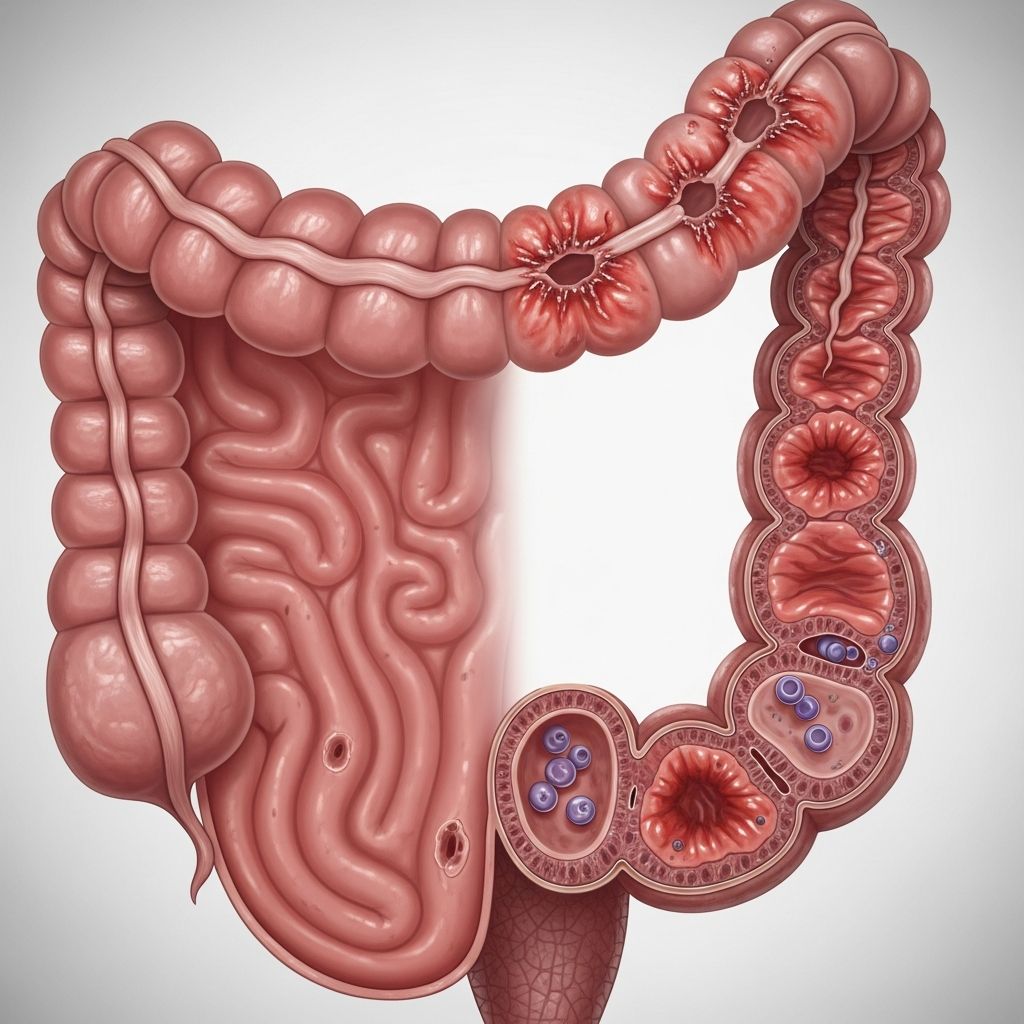
Inflammatory Bowel Disease: Understanding IBD and Its Impact
Inflammatory bowel disease (IBD) is a chronic disorder affecting the digestive tract that impacts roughly three million people in the United States, according to the U.S. Centers for Disease Control and Prevention. IBD is a category of diseases that includes two primary conditions: Crohn’s disease and ulcerative colitis. These autoimmune disorders are characterized by chronic inflammation of the gastrointestinal tract, leading to significant physical and emotional challenges that affect virtually every aspect of a person’s daily life.
IBD is often misunderstood by the general public, and many people may confuse it with other digestive conditions such as irritable bowel syndrome (IBS). However, IBD involves active inflammation of the gut that can be visualized during colonoscopy as redness, edema, ulcers, and bleeding. The inflammation varies in degree and location, causing different symptoms depending on where in the digestive tract the disease occurs.
Types of Inflammatory Bowel Disease
Ulcerative Colitis
Ulcerative colitis is an inflammatory condition that exclusively affects the colon and rectum. The inflammation occurs in the innermost lining of the colon, causing ulcers and sores that lead to symptoms such as abdominal pain, bloody diarrhea, and urgency. This type of IBD is limited to the large intestine, distinguishing it from Crohn’s disease in terms of both location and extent of disease.
Crohn’s Disease
Crohn’s disease is a more complex form of IBD because inflammation can occur anywhere along the digestive tract, from the mouth to the rectum. However, the most common sites of inflammation are the colon and the terminal ileum, which is the last part of the small bowel that connects to the colon. Because Crohn’s disease can affect multiple areas of the digestive system, it often causes more varied and complex symptoms compared to ulcerative colitis.
Causes and Risk Factors
The exact cause of IBD remains not fully understood, but research indicates that the development of inflammatory bowel disease involves a complex combination of factors rather than a single cause. IBD is not considered a pure autoimmune disease; instead, it results from an interaction between genetic predisposition, immune system dysfunction, and environmental factors.
Genetic Component
Genetics play a significant role in IBD development. Studies show that if a family member has IBD, the risk of developing the condition is higher than in the general population, though it is not as high as 50 to 80 percent. This indicates that while genetics contribute to disease susceptibility, they do not determine whether a person will definitely develop IBD. The genetic component is particularly prominent in individuals diagnosed at a younger age.
Immune System Dysfunction
The immune system in the gut of people with IBD functions abnormally. The gut immune system may fail to defend adequately against certain environmental exposures, or it may overreact to normal bacterial flora or food components, causing excessive inflammation that perpetuates itself. This hyperinflammatory response is a hallmark of IBD.
Environmental Factors
Environmental factors contribute significantly to IBD development, particularly through their effects on the gut microbiome. Key environmental factors include:
- Antibiotic overuse, which can disrupt the balance of beneficial gut bacteria
- Dietary choices and food exposures
- Stress and lifestyle factors
- Infections and pathogenic organisms
The gut microbiome contains trillions of bacteria, fungi, and viruses that play a crucial role in intestinal health. An imbalance in these microbial communities, known as dysbiosis, can create conditions favoring inflammation-promoting bacteria while reducing beneficial, anti-inflammatory bacterial populations. This microbial imbalance contributes to the development and progression of IBD.
Related Stories



Symptoms and Clinical Presentation
The symptoms of IBD vary depending on the severity of inflammation and its location in the digestive tract. Common symptoms include:
- Abdominal pain and cramping
- Chronic diarrhea
- Rectal bleeding and blood in the stool
- Weight loss
- Urgency and incontinence of stool
- Fatigue and weakness
Beyond gastrointestinal symptoms, IBD can cause systemic manifestations outside the digestive tract, including joint pain, eye inflammation, and skin problems. These extraintestinal manifestations occur in a significant portion of IBD patients and may develop before, during, or after gastrointestinal symptoms appear.
One important distinction to understand is that many individuals with IBD who achieve disease control may also experience irritable bowel syndrome-like symptoms, characterized by cramping and diarrhea without active inflammation. This occurs because the previously inflamed gut may become irritable during the healing process.
Diagnosis of Inflammatory Bowel Disease
Diagnosing IBD requires a comprehensive evaluation including clinical history, physical examination, and diagnostic testing. The diagnostic process typically involves:
Laboratory Tests
Blood tests may reveal anemia, elevated inflammatory markers, and other abnormalities. Stool tests help rule out infectious causes of diarrhea and may show signs of inflammation.
Endoscopic Procedures
Colonoscopy is the gold standard for diagnosing IBD, allowing physicians to visualize the colon and obtain tissue biopsies. Upper endoscopy may be performed if Crohn’s disease involving the upper digestive tract is suspected. These procedures enable direct visualization of inflammation, ulceration, and other characteristic features of IBD.
Imaging Studies
Computed tomography (CT) or magnetic resonance imaging (MRI) may be used to assess the extent of disease, particularly in Crohn’s disease, which can affect areas not easily accessible by colonoscopy.
Treatment Options and Management Strategies
Medical Management
Current treatment approaches for IBD focus on reducing inflammation and managing symptoms. The primary categories of medications include:
- Anti-inflammatory drugs: Mesalamine compounds are often used as first-line therapy to reduce inflammation in the colon
- Corticosteroids: Medications such as prednisone are used for moderate to severe flares to suppress inflammation and immune response
- Immunosuppressive agents: Medications like azathioprine and 6-mercaptopurine help control the abnormal immune response
- Biologic therapies: These newer medications target specific inflammatory pathways and have revolutionized IBD treatment
Research continues to advance treatment options. Recent developments include experimental drugs targeting specific gut enzymes. For example, studies show that an experimental drug designed to inhibit gastrointestinal glutamate carboxypeptidase II (GCPII), an enzyme that is overproduced in IBD patients, can substantially reduce symptoms in preclinical models. This gut-restricted drug, designed to remain in the digestive tract with minimal systemic exposure, demonstrated effectiveness in reducing colon inflammation and improving stool consistency in animal models of colitis.
Dietary and Lifestyle Modifications
Dietary management plays an important role in IBD treatment. Patients often work with nutritionists to identify trigger foods and optimize nutrition. Common dietary strategies include:
- Following a low-residue or low-fiber diet during flares
- Avoiding high-fat foods, spicy foods, and dairy if they exacerbate symptoms
- Staying well-hydrated
- Considering nutritional supplementation for deficiencies
Lifestyle modifications including stress management, adequate sleep, and regular exercise when tolerated also contribute to disease management.
Surgical Intervention
When medical management fails or complications develop, surgical intervention may be necessary. In ulcerative colitis, total colectomy (removal of the colon) is curative. In Crohn’s disease, surgery may involve removing or bypassing diseased intestinal segments, though disease may recur in other areas of the digestive tract.
Complications of Inflammatory Bowel Disease
Inadequate treatment of IBD can lead to serious complications affecting both the gastrointestinal tract and systemic health. Key complications include:
- Anemia: Chronic bleeding and inflammation can lead to iron deficiency anemia
- Osteoporosis: Chronic inflammation, malabsorption, and corticosteroid use increase fracture risk
- Nutritional deficiencies: Malabsorption of vitamins and minerals occurs with active disease
- Bowel obstruction: Strictures and fibrosis can narrow the intestinal lumen
- Toxic megacolon: Severe colitis can cause dangerous colonic dilation
- Increased colorectal cancer risk: Chronic inflammation increases the risk of developing colon cancer
Disease Management and Remission
The goals of IBD treatment extend beyond symptom relief. Comprehensive management aims to:
- Eliminate symptoms and restore quality of life
- Heal the bowel to prevent future flares
- Prevent disease progression and complications
- Reduce the risk of colorectal cancer
- Maintain remission with appropriate maintenance therapy
Maintaining remission often requires continued medication use even when patients feel well. Discontinuing medications significantly increases the risk of disease flares and progression. Therefore, patient education about the importance of compliance with maintenance therapy is crucial for long-term success.
The Role of Specialized IBD Centers
Comprehensive IBD care is best provided by multidisciplinary teams at specialized centers. These centers bring together gastroenterologists, colorectal surgeons, nutritionists, psychologists, and other specialists to provide coordinated care. Physician-scientists at these centers conduct research that directly translates to improved patient care, exploring new treatments and management strategies tailored to individual patient profiles, including genetic markers and disease characteristics.
When to Seek Medical Attention
Individuals experiencing persistent or recurrent abdominal pain, diarrhea lasting more than a few weeks, blood in the stool, unexplained weight loss, anemia, joint pain, eye inflammation, or other systemic inflammatory symptoms should consult a healthcare provider for evaluation. While a single episode of abdominal pain and diarrhea does not necessarily indicate IBD, persistent symptoms warrant professional assessment.
Living with Inflammatory Bowel Disease
IBD significantly impacts quality of life, affecting work, social activities, relationships, and mental health. Patients commonly experience anxiety and depression related to their condition. Comprehensive management should address psychological well-being alongside physical health through counseling, support groups, and stress management techniques.
Frequently Asked Questions
What is the difference between IBD and IBS?
Inflammatory bowel disease involves active inflammation of the digestive tract visible during colonoscopy, whereas irritable bowel syndrome (IBS) is a functional disorder without visible inflammation. IBD is an autoimmune condition requiring medical treatment, while IBS is managed primarily through dietary and lifestyle modifications. However, some IBD patients may also experience IBS-like symptoms after their inflammation is controlled.
Is IBD hereditary?
While IBD has a genetic component and runs in families, it is not purely hereditary. Having a family member with IBD increases your risk compared to the general population, but genetics alone do not determine whether you will develop the disease. Environmental factors and immune system function also play critical roles.
Can IBD be cured?
Currently, there is no cure for IBD, though total colectomy in ulcerative colitis essentially removes the diseased tissue. However, medical and surgical treatments can effectively manage symptoms and achieve remission. Ongoing research, including studies on novel therapies targeting specific pathways, continues to improve treatment outcomes.
How often should IBD patients see their doctor?
The frequency of medical visits depends on disease activity and individual patient needs. During remission, patients typically require periodic follow-up appointments and maintenance medication adherence. During flares, more frequent visits and potential hospitalization may be necessary.
What dietary changes help manage IBD?
Dietary management varies by individual and disease activity. During flares, low-residue, low-fiber diets are often recommended. Common trigger foods include high-fat items, spicy foods, and dairy products, though triggers differ among patients. Working with a registered dietitian helps develop personalized dietary strategies.
References
- Johns Hopkins Researchers Develop Gut-Restricted Drug to Treat IBD — Johns Hopkins Medicine. August 9, 2024. https://ventures.jhu.edu/news/johns-hopkins-researchers-develop-gut-restricted-drug-to-treat-ibd/
- Irritable Bowel Disorder (IBD) — Johns Hopkins Medicine. https://www.youtube.com/watch?v=fLkC77L7m58
- Johns Hopkins Meyerhoff Inflammatory Bowel Disease Center — Johns Hopkins Medicine. October 28, 2019. https://www.youtube.com/watch?v=rduQXkqYA_Q
- Inflammatory Bowel Disease: Improving Quality of Life — Johns Hopkins Medicine. https://www.youtube.com/watch?v=Me9H1-EyFQk
- Inflammatory Bowel Diseases — Oxford Academic. 2024. https://academic.oup.com/ibdjournal/article/29/Supplement_1/S34/7005563
Similar Articles








Read full bio of medha deb