Inflammatory Skin Conditions: Eczema, Seborrheic Dermatitis, and Psoriasis
Understanding inflammatory skin diseases: causes, symptoms, and effective treatment options.
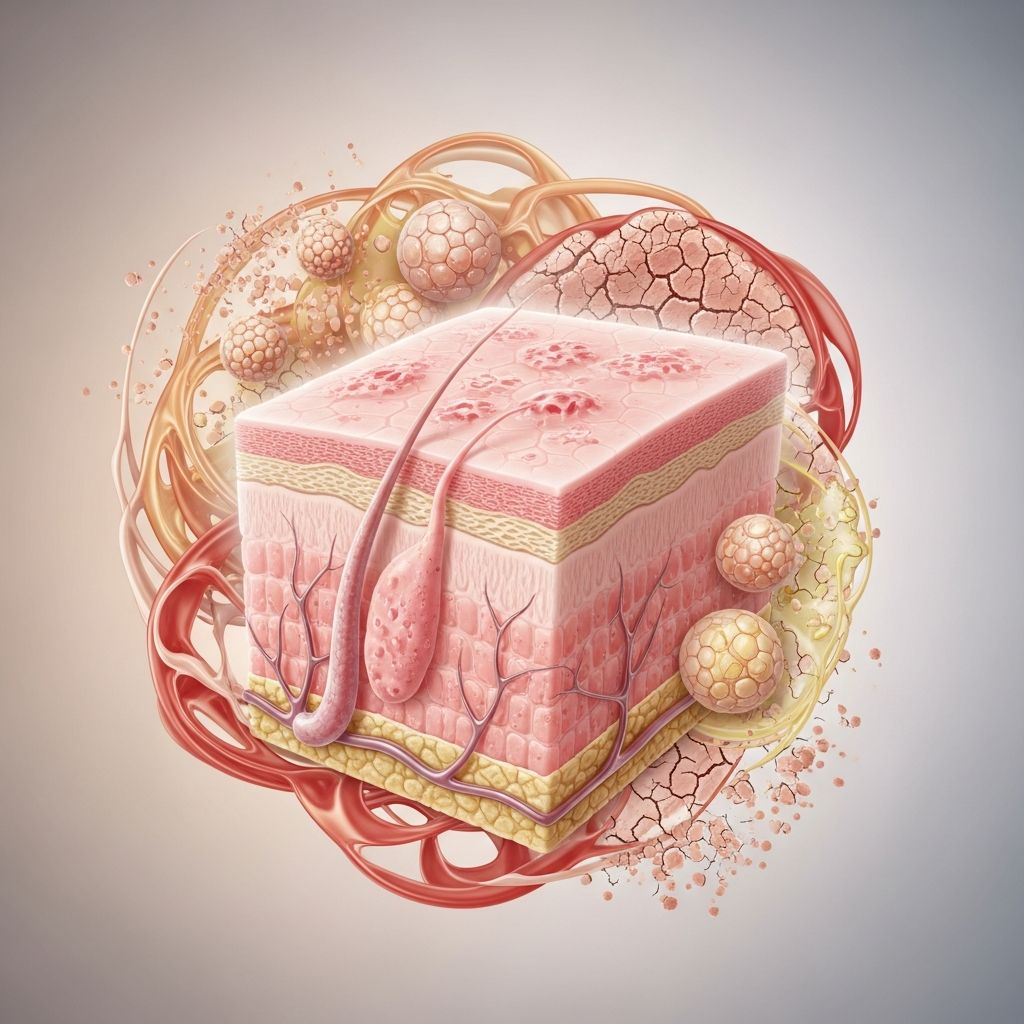
Inflammatory skin conditions affect millions of people worldwide and can significantly impact quality of life. Three of the most common inflammatory skin diseases are atopic dermatitis (eczema), seborrheic dermatitis, and psoriasis. While these conditions share some similarities, they have distinct characteristics, causes, and treatment approaches. Understanding the differences between these conditions is essential for proper diagnosis and effective management.
Overview of Inflammatory Skin Diseases
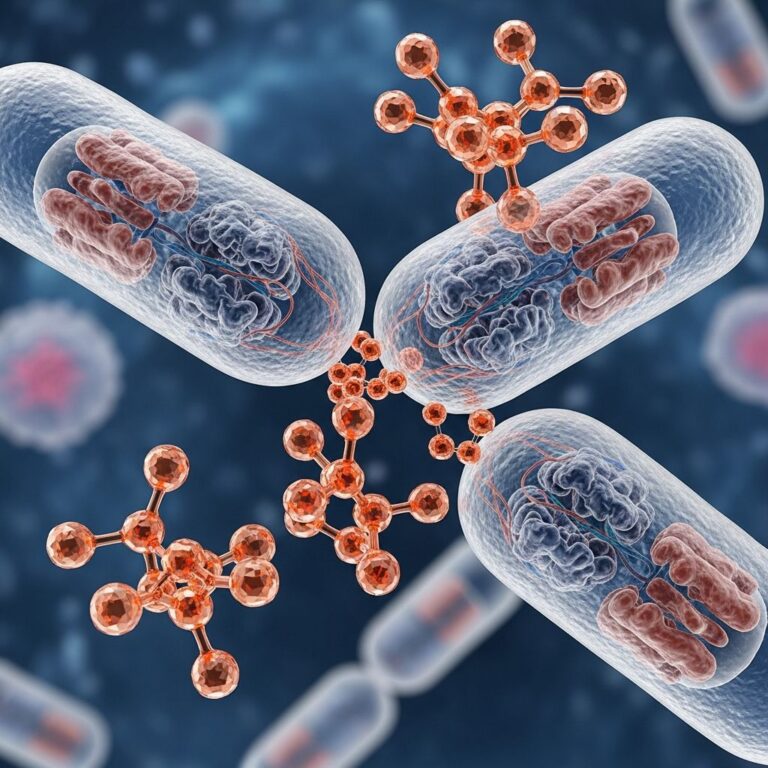
Inflammatory skin diseases represent a diverse group of dermatological conditions characterized by immune system dysfunction and abnormal skin inflammation. These conditions can be triggered by genetic factors, environmental influences, microbiome imbalances, and immune dysregulation. The prevalence of these diseases has increased in recent decades, affecting people of all ages and ethnicities. Recent research has revealed that the gut microbiome plays a critical role in the development and progression of inflammatory skin diseases, opening new avenues for treatment and prevention.
Atopic Dermatitis (Eczema)
What is Atopic Dermatitis?
Atopic dermatitis, commonly known as eczema, is a chronic inflammatory skin condition that typically begins in childhood, though it can develop at any age. The condition is characterized by intense itching, dry skin, and a pruritic rash that often appears on the face, hands, feet, and skin folds. Eczema is often associated with a personal or family history of atopy, which includes conditions such as asthma, hay fever, and food allergies.
Causes and Risk Factors
The development of atopic dermatitis involves a complex interplay of genetic predisposition and environmental factors. Individuals with a family history of eczema, asthma, or allergies have a significantly higher risk of developing the condition. Recent research has identified specific bacteria in the gut microbiome that may increase susceptibility to eczema. Studies have shown that the presence of Escherichia coli in the gut increases the risk of developing eczema, while Clostridioides difficile has been associated with increased risk of all atopic outcomes. Additionally, researchers at Harvard Medical School have discovered that Staphylococcus aureus, a bacterium commonly found on the skin of people with atopic dermatitis, directly causes itch by activating nerve cells, revealing an entirely novel mechanism behind the persistent itching associated with this condition.
Symptoms and Clinical Presentation
The symptoms of atopic dermatitis vary widely among individuals and can range from mild to severe. Common symptoms include intense itching that often worsens at night, dry and sensitive skin, red or brownish patches, small raised bumps that may leak fluid when scratched, and cracked or swollen skin. The chronic itching associated with eczema often leads to a vicious cycle of scratching, which damages the skin barrier and perpetuates inflammation. The repeated scratching and skin damage can cause secondary infections and further compromise the skin’s protective function.
Treatment Approaches
Management of atopic dermatitis typically involves a multi-faceted approach combining skincare, topical treatments, and systemic therapies. Regular moisturization with fragrance-free creams or ointments is fundamental to managing eczema, as it helps restore the skin barrier function. Topical corticosteroids and calcineurin inhibitors are commonly prescribed to reduce inflammation and itching. For moderate to severe cases, systemic treatments such as oral medications or biologic therapies may be necessary. Innovative treatments targeting the bacterial mechanisms of itch, such as PAR1-blocking therapies, represent promising new approaches to interrupt the itch-scratch cycle and provide relief.
Related Stories



Seborrheic Dermatitis
Understanding Seborrheic Dermatitis
Seborrheic dermatitis is a common, chronic inflammatory skin condition that primarily affects areas of the skin rich in oil glands, such as the scalp, face, and upper chest. Unlike atopic dermatitis, seborrheic dermatitis is not associated with allergies and typically does not result in intense itching in most cases, though some individuals may experience mild itching or burning sensations. The condition is characterized by yellowish, greasy scales and redness on affected areas.
Causes and Contributing Factors
The exact cause of seborrheic dermatitis remains incompletely understood, but research suggests that the yeast Malassezia plays a significant role in its pathogenesis. This naturally occurring microorganism inhabits the skin of most individuals, but overgrowth or abnormal immune response to this yeast can trigger seborrheic dermatitis. Additional factors that may contribute to the development or exacerbation of seborrheic dermatitis include stress, hormonal fluctuations, neurological conditions such as Parkinson’s disease, and immunosuppression.
Symptoms and Distribution
Seborrheic dermatitis most commonly affects the scalp, where it manifests as dandruff-like flaking and mild inflammation. However, the condition can also occur on the eyebrows, eyelids, ears, nasolabial folds, and chest. In infants, seborrheic dermatitis may present as cradle cap, a condition characterized by a thick, crusty, yellowish scale on the scalp. The affected areas typically appear red or inflamed, with a characteristic greasy or waxy appearance.
Management and Treatment
Treatment of seborrheic dermatitis typically begins with gentle cleansing and the use of medicated shampoos or topical treatments. Antifungal shampoos containing ingredients such as zinc pyrithione, selenium sulfide, or ketoconazole are effective in reducing Malassezia overgrowth and controlling symptoms. Topical corticosteroids may be prescribed for more severe inflammation, particularly on non-scalp areas. Since seborrheic dermatitis is a chronic condition that tends to recur, maintenance therapy with medicated shampoos is often necessary for long-term management.
Psoriasis
What is Psoriasis?
Psoriasis is a common, chronic inflammatory skin disease with an overall prevalence of 2-3% of the world population. The condition typically manifests as erythematous, thick, scaly plaques on the skin that may be accompanied by systemic symptoms such as joint pain and fatigue. Psoriasis is an autoimmune condition in which the immune system becomes dysregulated, leading to accelerated skin cell turnover and excessive inflammation. Unlike eczema and seborrheic dermatitis, psoriasis often appears on extensor surfaces such as elbows, knees, and the lower back, though it can occur anywhere on the body.
Genetic and Immunological Basis
Psoriasis has a strong genetic component, with at least 19 gene loci implicated in its development. One particularly important region lies on a 210-kb stretch of DNA on the short arm of chromosome 6, termed PSORS1, which includes genes coding for HLA-Cw6 and corneodesmosin. These genes are involved in both immunological function and epidermal structure, suggesting that both immune dysregulation and skin barrier dysfunction contribute to psoriasis pathogenesis. The role of the gut microbiome in psoriasis has become increasingly recognized through recent research, with studies demonstrating altered microbial composition in psoriasis patients compared to healthy controls.
Symptoms and Clinical Manifestations
The hallmark symptoms of psoriasis include thick, silvery scales overlying red or inflamed patches of skin, dry skin that may crack or bleed, itching or burning sensations, and in severe cases, joint pain and swelling (psoriatic arthritis). The severity and extent of psoriasis vary widely among individuals, ranging from small localized patches to widespread disease covering large portions of the body. Stress, infections, and certain medications can exacerbate psoriasis symptoms.
Microbiome Alterations in Psoriasis
Recent research has revealed significant alterations in the gut microbiome composition of psoriasis patients. Studies have demonstrated that Actinobacteria and Firmicutes are increased in the gut of psoriasis patients compared to healthy controls, and these microbial alterations are associated with increased lipopolysaccharides function and bacterial translocation into peripheral blood, a condition that perpetuates systemic inflammation. Animal models have demonstrated that the gut microbiome plays a critical role in psoriasis development, with germ-free mice showing significantly reduced severity of psoriasis-like dermatitis compared to mice with normal microbiota.
Treatment Options
Treatment of psoriasis depends on the severity, extent, and location of the disease. Mild cases may respond to topical treatments such as corticosteroids, retinoids, or vitamin D analogs. Phototherapy, including UV-B light therapy and PUVA (psoralen plus UVA) therapy, is effective for moderate to severe disease. Systemic treatments for severe psoriasis include oral immunosuppressive medications and biologic therapies that target specific immune pathways involved in psoriasis pathogenesis. Emerging therapeutic approaches targeting the gut microbiome may offer new opportunities for managing psoriasis and reducing disease severity.
The Gut Microbiome Connection
Microbiome-Skin Axis Communication
The relationship between the gut microbiome and inflammatory skin diseases has emerged as a significant area of dermatological research. The gut microbiota influences immune system development and function, and alterations in microbial composition and diversity can trigger inflammatory responses that manifest in the skin. Short-chain fatty acids such as butyrate, produced by certain bacterial species, play an important role in regulating immune function and maintaining intestinal barrier integrity. A decrease in butyrate-producing bacteria has been associated with increased pro-inflammatory status and age-related inflammation.
Bacterial Involvement in Skin Disease
In addition to gut microbiome alterations, the skin microbiome itself plays a crucial role in inflammatory skin diseases. Staphylococcus aureus, a bacterium commonly found on the skin, is present in nearly all patients with atopic dermatitis. Recent discoveries have shown that this bacterium releases a chemical called protease V8 that activates a protein called PAR1 on nerve fibers, directly triggering itch through a novel molecular mechanism that is independent of traditional inflammatory pathways. This finding has significant implications for treatment, as PAR1-blocking therapies have shown promise in interrupting the itch-scratch cycle and providing rapid symptom relief.
Comparison of Key Features
| Feature | Atopic Dermatitis | Seborrheic Dermatitis | Psoriasis |
|---|---|---|---|
| Primary Sites | Face, hands, feet, skin folds | Scalp, face, upper chest | Elbows, knees, lower back |
| Primary Symptom | Intense itching | Flaking and mild irritation | Scaling and plaque formation |
| Genetic Component | Associated with atopy | Less clear genetic link | Strong genetic component |
| Key Microbe | Staphylococcus aureus | Malassezia yeast | Altered gut microbiota |
| First-Line Treatment | Moisturizers, topical corticosteroids | Antifungal shampoos | Topical treatments, phototherapy |
Lifestyle and Environmental Management
General Skincare Principles
Regardless of the specific inflammatory skin condition, proper skincare is fundamental to disease management. Individuals with inflammatory skin diseases should use gentle, fragrance-free cleansers and avoid harsh soaps that can strip the skin of natural oils. Regular moisturization immediately after bathing helps maintain skin hydration and barrier function. Avoiding hot water, which can exacerbate irritation, and using lukewarm water for bathing is recommended.
Triggers and Aggravating Factors
Common triggers for inflammatory skin diseases include stress, certain fabrics such as wool, excessive humidity or dryness, infections, and specific foods. Identifying and avoiding individual triggers is an important component of disease management. For psoriasis, stress reduction techniques, adequate sleep, and regular exercise may help minimize flare-ups. Environmental modifications such as using humidifiers in dry climates or maintaining appropriate humidity levels can help prevent disease exacerbation.
Frequently Asked Questions
Q: Are inflammatory skin conditions contagious?
A: No, atopic dermatitis, seborrheic dermatitis, and psoriasis are not contagious. They are caused by genetic factors, immune system dysfunction, and environmental influences rather than infectious agents. However, if a secondary bacterial or fungal infection develops due to scratching or improper treatment, those infections could potentially be contagious.
Q: Can inflammatory skin diseases be cured?
A: These conditions are chronic and typically cannot be permanently cured, but symptoms can be effectively managed and controlled with appropriate treatment. Many individuals experience periods of remission with minimal symptoms followed by flare-ups, and proper management strategies can significantly reduce the frequency and severity of flare-ups.
Q: Is there a connection between diet and inflammatory skin diseases?
A: Growing research suggests that the gut microbiome, which is influenced by diet, plays a role in inflammatory skin diseases. Diets rich in fiber, fermented foods, and foods with anti-inflammatory properties may help promote a healthy microbiome and potentially reduce disease severity. However, individual responses to dietary modifications vary, and consultation with a healthcare provider is recommended.
Q: Can stress worsen these skin conditions?
A: Yes, stress is a well-recognized trigger for inflammatory skin diseases, particularly psoriasis and atopic dermatitis. Stress can trigger immune system activation and exacerbate inflammation. Stress management techniques such as meditation, yoga, and regular exercise may help reduce flare-ups.
Q: When should I see a dermatologist?
A: You should see a dermatologist if you have persistent skin symptoms that do not respond to over-the-counter treatments, if symptoms interfere with daily activities or quality of life, if there are signs of infection such as increased warmth or pus, or if you need help determining whether your condition is atopic dermatitis, seborrheic dermatitis, or psoriasis.
Conclusion
Atopic dermatitis, seborrheic dermatitis, and psoriasis are distinct inflammatory skin conditions with different underlying causes, clinical presentations, and treatment approaches. While eczema is primarily driven by Staphylococcus aureus and involves intense itching, seborrheic dermatitis is associated with Malassezia yeast overgrowth and primarily affects oil-rich areas of the skin. Psoriasis, with its strong genetic component and immune dysregulation, typically presents with thick plaques and is increasingly recognized as being influenced by gut microbiome alterations. Emerging research into the microbiome-skin axis offers promising new therapeutic targets for managing these chronic conditions. A comprehensive approach combining appropriate medical treatment, proper skincare, lifestyle modifications, and stress management can help individuals with these conditions achieve significant symptom improvement and maintain better quality of life.
References
- The Gut Microbiome: Human Health and Inflammatory Skin Diseases — National Center for Biotechnology Information (NCBI), National Institutes of Health. 2021-03-15. https://pmc.ncbi.nlm.nih.gov/articles/PMC7992658/
- Staphylococcus aureus Directly Causes Itch Through Protease V8 Activation of PAR1 — Harvard Medical School. 2024. https://pmc.ncbi.nlm.nih.gov/articles/PMC8001432/
- Inflammatory Skin Diseases (Chapter 24) — Cambridge University Press. https://www.cambridge.org/core/books/fundamentals-of-inflammation/inflammatory-skin-diseases/E349CBE3FC4365EA4AAE8FF06B958D5E
Similar Articles








Read full bio of Sneha Tete