Infliximab: Comprehensive Guide To Uses, Dosing, And Risks
Explore the uses, benefits, administration, and safety of infliximab for managing chronic inflammatory diseases effectively.

Infliximab represents a cornerstone in modern treatment for autoimmune and inflammatory disorders. As a chimeric monoclonal antibody, it specifically targets tumor necrosis factor-alpha (TNF-α), a cytokine central to inflammation processes. Approved by the FDA in 1998, this medication has transformed patient outcomes in conditions previously resistant to conventional therapies.
Understanding the Science Behind Infliximab
TNF-α plays a pivotal role in driving chronic inflammation by binding to receptors on cell surfaces, triggering cascades that amplify immune responses. In diseases like rheumatoid arthritis and Crohn’s disease, excessive TNF-α leads to tissue damage and symptom persistence. Infliximab binds with high affinity to both soluble and membrane-bound TNF-α, neutralizing its activity without affecting related cytokines like TNF-β.
This binding not only prevents receptor interaction but also induces lysis of TNF-producing cells, such as macrophages and lymphocytes. Studies in transgenic mouse models demonstrate reduced joint erosions and synovitis, mirroring clinical benefits in humans. By downregulating adhesion molecules (e.g., ICAM-1, VCAM-1) and chemokines (e.g., IL-8), infliximab limits inflammatory cell infiltration and tissue degradation.
Approved Medical Applications
Infliximab addresses a spectrum of inflammatory conditions where first-line treatments fail. Key indications include:
- Rheumatoid Arthritis (RA): Combined with methotrexate, it reduces joint damage progression and improves function in moderate-to-severe cases unresponsive to DMARDs.
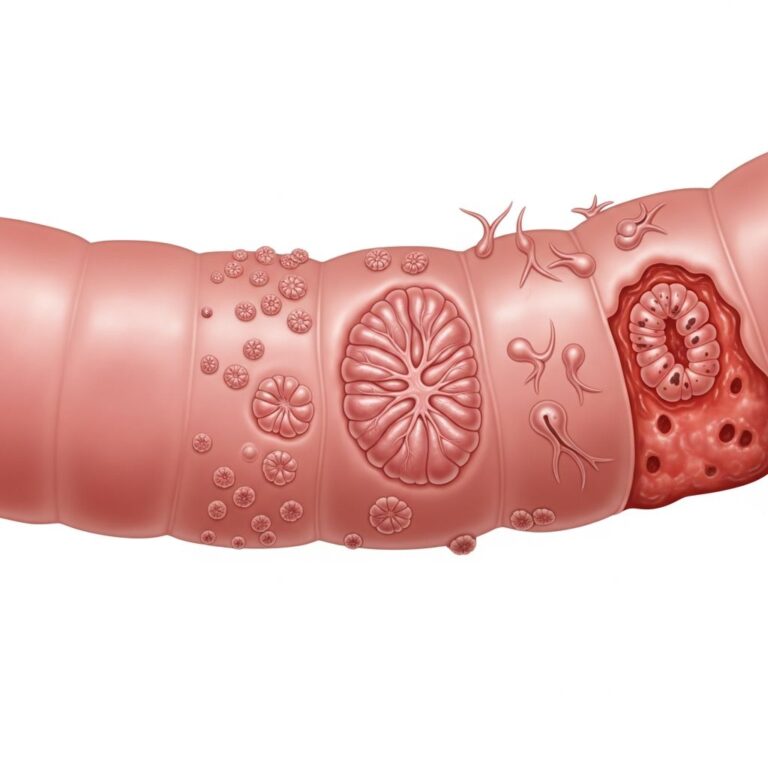
- Crohn’s Disease: Induces and maintains remission in adult and pediatric patients with moderate-to-severe activity despite conventional therapies like corticosteroids or immunomodulators.
- Ulcerative Colitis (UC): Promotes mucosal healing, remission, and corticosteroid reduction in refractory cases; subcutaneous forms serve as maintenance post-IV induction.
- Ankylosing Spondylitis (AS): Alleviates spinal inflammation and mobility restrictions.
- Psoriatic Arthritis (PsA) and Plaque Psoriasis: Targets joint and skin manifestations unresponsive to other agents.
Clinical trials like ACCENT-1 showed 39-45% remission maintenance at 30 weeks versus 21% with placebo in Crohn’s disease. Similar efficacy holds across indications.
Dosing and Administration Protocols
Infliximab is primarily administered intravenously in clinical settings, with newer subcutaneous options for maintenance. Standard protocols follow weight-based dosing:
| Indication | Induction Dose | Maintenance Dose | Frequency |
|---|---|---|---|
| Rheumatoid Arthritis | 3 mg/kg IV | 3 mg/kg IV | Weeks 0, 2, 6, then every 8 weeks |
| Crohn’s Disease / UC | 5 mg/kg IV | 5 mg/kg IV | Weeks 0, 2, 6, then every 8 weeks |
| Ankylosing Spondylitis / PsA / Psoriasis | 5 mg/kg IV | 5 mg/kg IV | Weeks 0, 2, 6, then every 6-8 weeks |
Infusions last 2 hours under medical supervision. Premedication with antihistamines or acetaminophen mitigates reactions. Subcutaneous infliximab (e.g., for UC maintenance) offers home administration convenience post-induction. Doses may escalate to 10 mg/kg based on response.
Potential Risks and Side Effects
While effective, infliximab suppresses immunity, raising infection risks. Common adverse events include:
- Infusion reactions (fever, chills, hypotension) in 20% of patients, often manageable with slowing infusion.
- Upper respiratory infections, sinusitis, and headaches.
- Serious infections: tuberculosis reactivation, sepsis, fungal infections—screening for latent TB is mandatory pre-treatment.
Rare but severe risks encompass hepatosplenic T-cell lymphoma (especially in young males with IBD), heart failure worsening, and demyelinating disorders. Monitor for lupus-like symptoms or hypersensitivity. Live vaccines are contraindicated during therapy.
Monitoring and Patient Management
Regular assessments ensure safety and efficacy:
- Baseline Tests: TB skin test/Quantiferon, hepatitis serology, CBC, liver enzymes.
- Ongoing: Infection vigilance, annual TB re-testing, antibody levels if loss of response.
- Efficacy Measures: DAS28 for RA, CDAI for Crohn’s, PASI for psoriasis.
Related Stories



Therapeutic drug monitoring guides dosing adjustments. Discontinue if serious infections or malignancies arise.
Drug Interactions and Contraindications
Infliximab interacts with other biologics (increased infection risk) and live vaccines. Use caution with immunosuppressants like methotrexate, which enhance efficacy but amplify toxicity. Contraindicated in moderate-severe heart failure (NYHA III/IV), active infections, or hypersensitivity. Avoid in demyelinating disease history.
Lifestyle and Supportive Care Tips
Patients on infliximab should prioritize infection prevention: hand hygiene, avoiding sick contacts, prompt fever reporting (>100.4°F). Maintain vaccinations (non-live) pre-therapy. Balanced diet, exercise, and smoking cessation complement treatment. Support groups aid coping with chronic illness.
Recent Advances and Future Directions
Biosimilars (Avsola, Inflectra, Renflexis) expand access with comparable efficacy/safety. Subcutaneous formulations improve adherence. Ongoing research explores combinations for refractory disease and new indications like Behçet’s.
Frequently Asked Questions (FAQs)
What conditions does infliximab treat?
It targets RA, Crohn’s, UC, AS, PsA, and plaque psoriasis.
How is infliximab given?
Via IV infusion initially, with subcutaneous maintenance options.
Are there risks of cancer with infliximab?
Hepatosplenic T-cell lymphoma risk exists, particularly in IBD youth; overall malignancy risk is monitored.
Can I get vaccinated while on infliximab?
Avoid live vaccines; inactivated ones are safe.
How long until infliximab works?
Many respond within 2-6 weeks; full effects may take months.
References
- Infliximab: Uses, Interactions, Mechanism of Action — DrugBank. 2023-10-15. https://go.drugbank.com/drugs/DB00065
- Infliximab – StatPearls — NCBI Bookshelf. 2023-07-17. https://www.ncbi.nlm.nih.gov/books/NBK500021/
- Infliximab – CAM 50115 — South Carolina Blues. 2024-01-01. https://www.southcarolinablues.com/web/public/brands/medicalpolicy/external-policies/infliximab/
- Infliximab — Wikipedia (informed by primary trials). 2024-02-20. https://en.wikipedia.org/wiki/Infliximab
- Infliximab Injection: Uses & Side Effects — Cleveland Clinic. 2023-05-10. https://my.clevelandclinic.org/health/drugs/18359-infliximab-injection-vial
Similar Articles








Read full bio of Sneha Tete