Influenza A: Understanding Symptoms, Transmission, and Prevention
Complete guide to influenza A: Learn how the virus spreads, recognize symptoms, and protect yourself with vaccination.
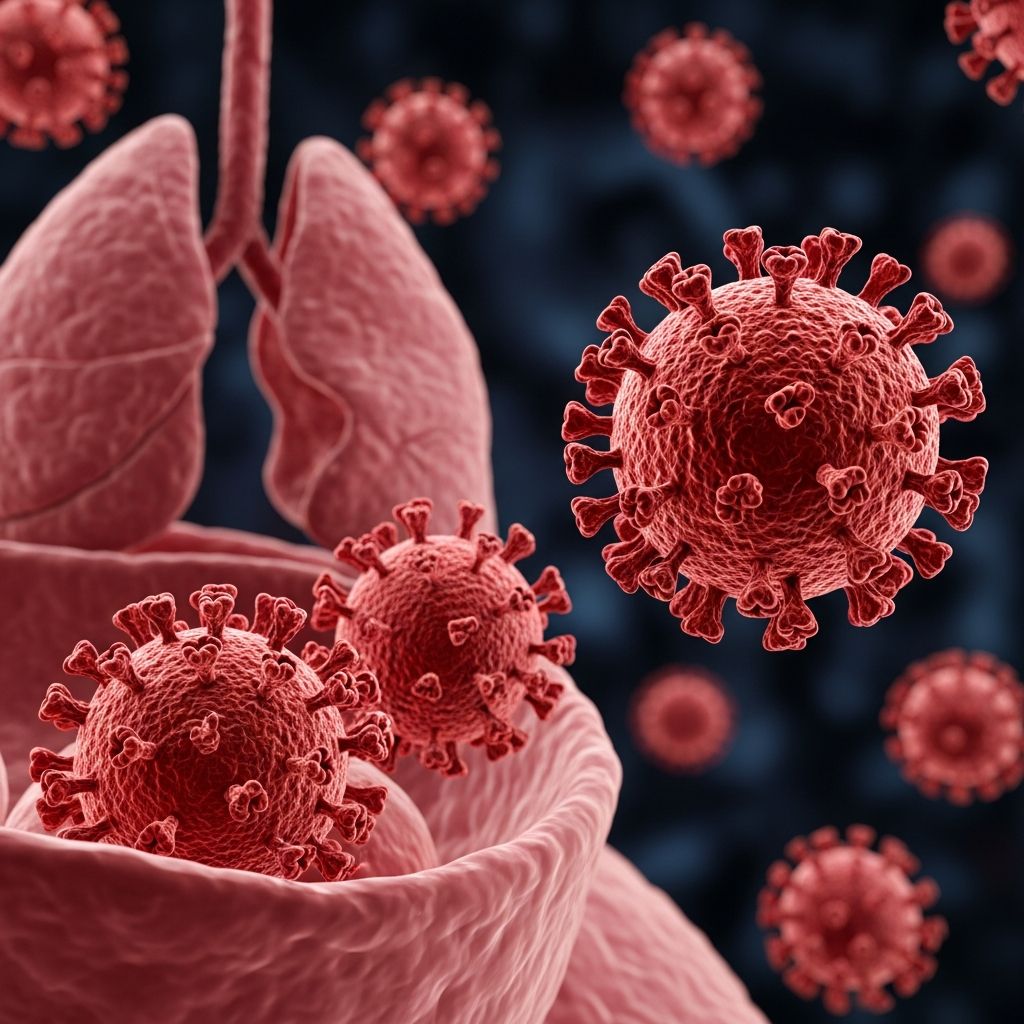
What Is Influenza A?
Influenza A, commonly known as the flu, is a contagious respiratory infection caused by influenza viruses that primarily infect the nose, throat, and sometimes the lungs. This acute viral disease affects the upper and lower respiratory passages, causing inflammation of the respiratory tract and trachea. Unlike the common cold, influenza is a serious illness that can range from mild to severe, and in some cases, can lead to death, particularly in vulnerable populations.
Influenza is endemic worldwide and affects millions of people each year. The disease is self-limited in most healthy individuals, with acute symptoms typically persisting for seven to ten days. However, high-risk groups including those with chronic lung diseases, cardiac conditions, and pregnant women are significantly more prone to developing severe complications such as primary viral pneumonia, secondary bacterial pneumonia, and hemorrhagic bronchitis, which can develop in as little as 48 hours from symptom onset.
Types of Influenza Viruses
There are four distinct types of influenza viruses: A, B, C, and D. Influenza A and B are the types that circulate and cause seasonal epidemics of disease in humans. Influenza A viruses are further subdivided into subtypes based on the combinations of proteins on the virus surface, particularly hemagglutinin (H) and neuraminidase (N).
Currently, the most prevalent influenza A subtypes circulating in humans include:
- A(H1N1)pdm09 — This subtype caused the 2009 pandemic and replaced the previous A(H1N1) virus that had circulated prior to 2009.
- A(H3N2) — Another major subtype responsible for seasonal epidemics.
An important characteristic of influenza A is its genetic instability. The virus has a high rate of mutations, resulting in major changes in antigenic and functional proteins. This genetic variability is why a new flu vaccine must be developed and administered each year to match the strains most likely to circulate during the upcoming season.
How Influenza Spreads
Influenza spreads easily between people through respiratory droplets. According to the CDC, most experts believe that flu viruses spread mainly through tiny droplets made when people with flu cough, sneeze, or talk. The WHO further confirms that influenza spreads easily between people when they cough or sneeze.
An infected person can transmit the virus to others from approximately one day before symptoms appear until about five to seven days after symptoms start—a period referred to as being contagious. Children and people with weakened immune systems may remain contagious for a slightly longer time.
The virus begins replicating in the upper and lower respiratory passages from the moment of inoculation, peaking after approximately 48 hours on average. This rapid viral replication is why early symptoms develop so quickly after exposure.
Recognizing Influenza Symptoms
Influenza symptoms typically begin around two days after infection by someone who has the virus. The clinical presentation varies from mild to severe depending on age, comorbidities, vaccination status, and natural immunity to the specific virus strain.
Related Stories



Common symptoms of influenza include:
- Sudden onset of fever
- Cough (usually dry)
- Sore throat
- Body aches and muscle pain
- Severe malaise (feeling unwell)
- Headache
- Runny nose and nasal congestion
- Fatigue
In mild cases, patients may experience a cough, fever, sore throat, myalgia, headache, runny nose, and congested eyes. The immune reaction to the viral infection and the interferon response are responsible for the viral syndrome, which includes high fever, coryza (nasal discharge), and body aches.
It is important to note that those who received the seasonal vaccine typically present with milder symptoms and are less likely to develop complications.
Risk Factors and Vulnerable Populations
While influenza can affect anyone, certain populations face significantly higher risks of severe complications:
- Elderly individuals (65 years and older) — Have weakened immune responses and higher hospitalization rates
- Young children (6 months to 5 years) — Have developing immune systems
- Pregnant women — Experience physiological changes that increase susceptibility
- People with chronic lung diseases — Including asthma and chronic obstructive pulmonary disease (COPD)
- People with cardiac disease — Face increased risk of serious complications
- People with diabetes — Have compromised immune function
- Immunocompromised individuals — Those with weakened immune systems from illness or treatment
- Healthcare workers — Have increased occupational exposure to the virus and risk of spreading it to vulnerable patients
For these high-risk groups, complications can develop rapidly. Primary viral pneumonia, secondary bacterial pneumonia, and hemorrhagic bronchitis are serious complications that can emerge within 48 hours of symptom onset.
Potential Complications
While most people recover from influenza within one to two weeks, some individuals develop serious complications. The most common complications include:
- Primary viral pneumonia
- Secondary bacterial pneumonia
- Hemorrhagic bronchitis
- Respiratory failure
- Hospitalization requirements
- Death (in severe cases, particularly among vulnerable populations)
High-risk individuals are particularly susceptible to these severe outcomes, making early medical intervention crucial. Approximately 3 to 11 percent of the U.S. population gets infected and develops flu symptoms each year, with severity varying by season and predominant strain.
Prevention Through Vaccination
Vaccination is the best way to prevent influenza. The CDC identifies the flu vaccine as the first and most important step in preventing the flu, with demonstrated effectiveness in reducing flu-related illnesses and the risk of serious complications that can result in hospitalization or death.
Key vaccination recommendations include:
- All individuals aged 6 months and older should be vaccinated annually.
- Vaccination is highly recommended at the start of the winter season, with the vaccine available in November each year.
- The injected flu vaccine is preferred over the nasal spray, which has not been very effective in previous years.
- The flu vaccine can be safely administered to pregnant women.
- Individuals with egg allergies who only develop hives can receive the vaccine.
- For individuals 65 and older, high-dose vaccine formulations should be used, as conventional vaccines are often less effective in this age group.
- After vaccination, patients should be observed for 10 to 15 minutes in a setting where resuscitation equipment is available.
While the flu vaccine is not 100% effective, it can lower the intensity and duration of symptoms in most people. Vaccinated individuals who do contract influenza typically experience milder illness and are less likely to be hospitalized.
A person’s first flu infection provides some long-term protection against similar strains, but because influenza viruses constantly change and new strains emerge regularly, annual vaccination is necessary. Each year’s vaccine is formulated to match the flu virus strains most likely to circulate during that season, and the protection these vaccines provide typically lasts for several months.
Other Prevention Strategies
In addition to vaccination, the CDC recommends several everyday preventive actions to reduce the spread of influenza:
- Hand hygiene — Frequent and thorough handwashing with soap and water
- Respiratory etiquette — Covering coughs and sneezes with a tissue or elbow
- Social distancing — Staying away from people who are sick
- Surface cleaning — Regular disinfection of frequently touched surfaces
- Air quality — Taking steps to improve air circulation and cleanliness
- Rest and hydration — Getting adequate sleep and drinking plenty of fluids to support immune function
These measures help slow the spread of germs that cause respiratory illnesses like influenza and complement the protection offered by vaccination.
Treatment and Recovery
Most people with influenza recover without treatment within approximately one week. Treatment should focus on symptom relief, with recommendations including adequate rest and drinking plenty of liquids. However, medical care may be needed in severe cases and for people with risk factors for serious complications.
The duration and intensity of illness can be significantly reduced in vaccinated individuals compared to those who are unvaccinated.
Burden on Healthcare and Society
Influenza has substantial economic and social impacts. Each year, the flu affects millions of people and leads to significant time off work and school. Epidemics can result in high levels of worker and school absenteeism, leading to considerable productivity losses. Clinics and hospitals can be overwhelmed during peak illness periods, straining healthcare resources and staff.
Healthcare workers are at particularly high risk of acquiring and spreading influenza due to increased exposure to infected patients. Vaccinating health workers protects not only the workers themselves but also vulnerable individuals with whom they come into contact.
The Role of Public Health Surveillance
In most communities, epidemiologists run surveillance programs to detect any emerging influenza epidemics or pandemics. These monitoring systems are essential for early detection and response to outbreaks, helping to minimize the spread and impact of influenza on the population.
Frequently Asked Questions About Influenza A
Q: How long does the flu last?
A: Most people recover from influenza within one to two weeks. Acute symptoms typically persist for seven to ten days in otherwise healthy individuals. However, some people may experience lingering fatigue and cough for several weeks after initial recovery.
Q: Can the flu vaccine give me the flu?
A: No. The injectable flu vaccine contains inactivated (dead) virus and cannot cause influenza. The nasal spray vaccine contains live attenuated virus but is not very effective and is not the preferred form. Some people may experience mild side effects like soreness at the injection site, but these are not influenza.
Q: When should I get vaccinated?
A: Vaccination is highly recommended at the start of the winter season, with vaccines typically available in November each year. It is best to get vaccinated before influenza begins circulating in your community.
Q: Who should not receive the flu vaccine?
A: The flu vaccine is recommended for all individuals aged 6 months and older. However, people with severe allergies to vaccine ingredients (other than egg allergy that only causes hives) should consult their healthcare provider. Individuals with acute severe illness should wait until they recover before vaccination.
Q: How effective is the flu vaccine?
A: While the flu vaccine is not 100% effective, it can lower the intensity and duration of symptoms significantly. Even when someone vaccinated gets the flu, they typically experience milder illness and are much less likely to be hospitalized or develop serious complications.
Q: Can I spread the flu to others if I’m vaccinated?
A: If you become infected despite vaccination, you can still spread the virus to others from about one day before symptoms appear until five to seven days after they begin. However, your symptoms will likely be milder, potentially reducing transmission risk.
References
- CDC – About Influenza — Centers for Disease Control and Prevention. 2024. https://www.cdc.gov/flu/about/index.html
- Influenza (seasonal) – World Health Organization — World Health Organization. 2024. https://www.who.int/news-room/fact-sheets/detail/influenza-(seasonal)
- Influenza – StatPearls — National Center for Biotechnology Information (NCBI), U.S. National Library of Medicine. 2024. https://www.ncbi.nlm.nih.gov/books/NBK459363/
- Influenza (flu) – Symptoms and causes — Mayo Clinic. 2024. https://www.mayoclinic.org/diseases-conditions/flu/symptoms-causes/syc-20351719
Similar Articles








Read full bio of Sneha Tete