Influenza And Flu-Like Illness: What You Need To Know
Comprehensive guide to flu symptoms, causes, prevention, treatment, and when to seek medical help for influenza and similar illnesses.
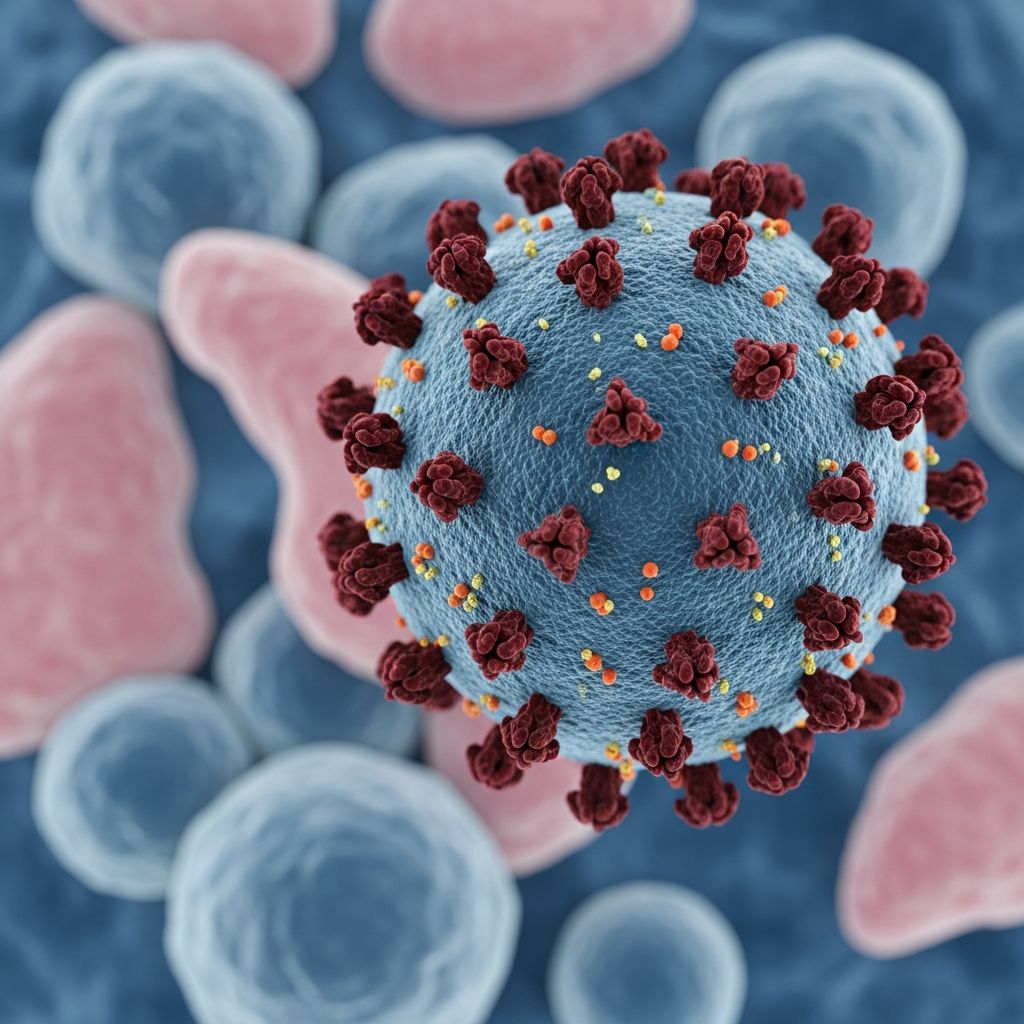
Influenza, commonly known as
flu
, is a highly contagious viral respiratory infection caused by influenza viruses. Flu-like illnesses refer to similar symptom clusters from other viruses. It spreads easily via droplets from coughs, sneezes, or contaminated surfaces, peaking in winter. Most recover within a week, but it can lead to serious complications in vulnerable groups.What is Influenza?
**Influenza** is an acute respiratory illness caused by influenza A or B viruses, distinct from the common cold. There are four types: A, B, C, and D, but A and B cause seasonal epidemics. Influenza C causes mild illness, while D affects cattle primarily. Flu viruses mutate yearly, leading to new strains and the need for annual vaccines.
Flu-like illnesses mimic flu but stem from other viruses like rhinovirus, coronavirus (non-COVID), RSV, or adenovirus. These share symptoms but are less severe and don’t respond to flu antivirals.
Symptoms of Flu and Flu-like Illness
Flu symptoms onset suddenly and are more intense than a cold. Common signs include:
- **High fever** (often 38–40°C/100–104°F), chills, sweats.
- Severe
headache
, muscle and joint aches. - Extreme
fatigue
lasting 2–3 weeks. - Dry, persistent
cough
. - Sore throat, runny/stuffy nose.
In children, watch for irritability, ear pain, vomiting, diarrhea. Older adults may lack fever but have worsening chronic conditions. Flu-like illnesses have gradual onset, milder fever, prominent nasal symptoms, less myalgia.
| Symptom | Flu | Flu-like Illness | Cold |
|---|---|---|---|
| Onset | Sudden | Gradual | Gradual |
| Fever | High, sudden | Mild/low-grade | Rare |
| Aches | Severe | Mild | Slight |
| Fatigue | Extreme | Mild-moderate | Mild |
| Cough | Dry, severe | Mild | Mild-moderate |
How Common is Flu?
Seasonal flu affects 5–20% of populations annually, causing millions of cases, hospitalizations, and deaths worldwide. In the US, CDC estimates 9–45 million illnesses yearly. High-risk groups face greater burden: children under 5, adults 65+, pregnant women, chronic conditions (asthma, diabetes, heart disease). Flu-like illnesses are even more common due to multiple viruses.
Causes of Flu and Flu-like Illness
Flu results from
influenza viruses
entering respiratory tract via airborne droplets or touch. Types A (epidemic/pandemic potential) and B (seasonal) dominate humans. Antigenic drift/shift enables evasion of immunity. Flu-like illnesses arise from parainfluenza, RSV, human metapneumovirus, adenoviruses, non-influenza coronaviruses.Risk factors: close contact (schools, nursing homes), winter (indoor crowding, low humidity), weakened immunity, unvaccinated status.
Contagiousness and Transmission
Flu is highly contagious: infectious 1 day before to 5–7 days after symptoms (longer in children/compromised). Shed virus even asymptomatically. Spreads by respiratory droplets (cough/sneeze up to 2m), fomites (survives surfaces 24–48 hours), rarely aerosols. Incubation: 1–4 days.
Flu-like illnesses transmit similarly but vary by virus (e.g., RSV highly contagious in kids).
High-risk Groups
Certain individuals face severe outcomes:
- Adults
65+
. - Children
<2 years
, especially infants. - **Pregnant** women/early postpartum.
- Chronic conditions: lung/heart disease, diabetes, immunosuppression, obesity, neurological disorders.
- Healthcare workers, caregivers.
These groups risk pneumonia, hospitalization, death. Prompt antivirals recommended.
Related Stories



Complications of Flu
Most uncomplicated flu resolves in 1 week, but complications include:
- **Primary viral pneumonia** or secondary bacterial (Streptococcus pneumoniae, Staphylococcus aureus).
- Worsening chronic diseases (COPD exacerbation, heart failure).
- Myocarditis, pericarditis, encephalitis.
- Rhabdomyolysis, Guillain-Barré syndrome (rare).
- In children: otitis media, croup, febrile seizures.
Antivirals reduce pneumonia risk.
Diagnosis
Usually clinical based on symptoms during flu season. Rapid influenza diagnostic tests (RIDT) from nasal swabs detect antigens (sensitivity 50–70%). RT-PCR (gold standard, higher sensitivity). Chest X-ray, blood tests for complications. Differentiate from COVID-19, RSV via multiplex PCR.
Treatment of Flu
Supportive care for most: rest, hydration, paracetamol/ibuprofen for fever/aches. Avoid aspirin in children (Reye’s syndrome risk). Stay home 5–7 days.
Antiviral Drugs: CDC recommends 4 FDA-approved:
oseltamivir
(oral, all ages/pregnant),zanamivir
(inhaled, >7 years),peramivir
(IV, hospitalized),baloxavir
(single oral dose, >5 years). Start within48 hours
of symptoms for best effect: shortens illness by ~1 day, reduces complications. Beneficial later in high-risk/severe cases.- Oseltamivir: 75mg BID x5 days adults; adjust for kids/renal impairment.
- Zanamivir: Not for asthma/COPD (bronchospasm risk).
- Consult doctor for suitability.
Antibiotics only for bacterial superinfections. No role in uncomplicated viral flu.
Prevention of Flu
Flu Vaccination
Annual
inactivated influenza vaccine
(IIV) or live attenuated (LAIV, nasal for healthy 2–49 years) is cornerstone. Effectiveness 40–60% against illness. Recommended for everyone >6 months, especially high-risk. Get early each season (Sept–Oct). Safe in pregnancy, reduces maternal/infant flu.Non-vaccine Measures
- Hand hygiene: soap/water or alcohol sanitizer.
- Cough/sneeze into elbow/tissue, dispose properly.
- Avoid touching face.
- Stay home when sick.
- High-risk: masks in crowds, antivirals for post-exposure prophylaxis.
Flu-like Illness Management
Treat symptomatically like flu. No flu-specific antivirals. Hydration, rest, OTC meds (decongestants, antihistamines). Antibiotics if bacterial complication (e.g., sinusitis).
When to Seek Medical Help
Contact doctor if high-risk or symptoms: high/persistent fever, shortness of breath, chest pain, confusion, dehydration, worsening after 7 days. Children: fast breathing, blue lips, not drinking, lethargy. Urgent for infants <3 months with fever.
Frequently Asked Questions (FAQs)
Q: How long is flu contagious?
A: 1 day before symptoms to 5–7 days after; longer in young children or immunocompromised.
Q: Can I go to work with flu?
A: No, stay home at least 5–7 days or until fever-free 24 hours without meds to avoid spreading.
Q: Is flu vaccine 100% effective?
A: No, 40–60% effective; still reduces severity/hospitalization.
Q: What if antivirals aren’t started early?
A: Still beneficial in high-risk/severe cases up to 5 days.
Q: Difference between flu and COVID-19?
A: Similar symptoms; test to differentiate. Vaccines/antivirals specific.
References
- Influenza (Flu) Treatment — National Foundation for Infectious Diseases (NFID). 2024. https://www.nfid.org/resource/influenza-flu-treatment/
- Diagnosing and Treating Flu — American Lung Association. 2024. https://www.lung.org/lung-health-diseases/lung-disease-lookup/influenza/diagnosing-and-treating-influenza
- Influenza (Types, Symptoms and Treatments) — Patient.info. 2024-10-01. https://patient.info/doctor/infectious-disease/influenza
- Treatment of Flu — Centers for Disease Control and Prevention (CDC). 2024-12-01. https://www.cdc.gov/flu/treatment/index.html
- Facts About the Flu — UCSF Health. 2024. https://www.ucsfhealth.org/education/facts-about-the-flu
- Flu (Influenza): Causes, Symptoms, Types & Treatment — Cleveland Clinic. 2024. https://my.clevelandclinic.org/health/diseases/4335-influenza-flu
- Influenza (flu) – Symptoms and causes — Mayo Clinic. 2024. https://www.mayoclinic.org/diseases-conditions/flu/symptoms-causes/syc-20351719
Similar Articles








Read full bio of medha deb