Ingredients To Avoid In Protein Bars: 7 Hidden Red Flags
Discover the hidden harmful ingredients in protein bars that can sabotage your health, gut, and fitness goals.
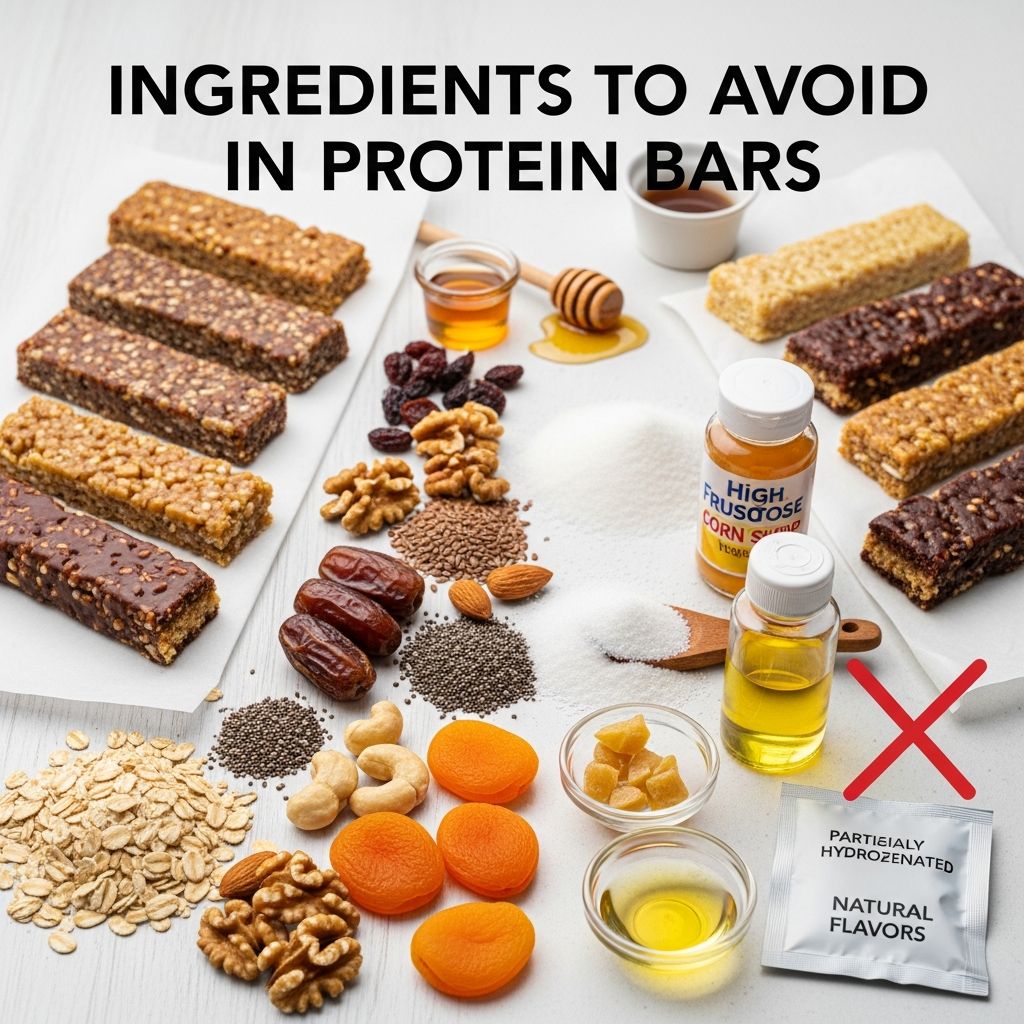
Protein bars are marketed as convenient, healthy snacks for busy people seeking to boost protein intake, support muscle recovery, or manage weight. However, many contain problematic ingredients that can lead to digestive discomfort, inflammation, disrupted gut health, and unwanted cravings. Nutrition experts warn that ultra-processed bars often prioritize shelf life and taste over genuine nutrition, turning what seems like a smart choice into a hidden health risk.
This guide breaks down the worst offenders based on insights from registered nutritionists, sports scientists, and health research. By understanding these ingredients, you can make informed choices and opt for bars made with whole foods like nuts, seeds, and quality proteins.
1. Sugar Alcohols (Erythritol, Maltitol, Sorbitol)
**Sugar alcohols** are popular low-calorie sweeteners in ‘sugar-free’ protein bars, but they frequently cause bloating, gas, diarrhea, and abdominal cramps, especially in sensitive individuals. These sugar substitutes are not fully digested, fermenting in the gut and drawing water into the intestines, which disrupts digestion.
- Maltitol: Common in chocolate-coated bars; studies link excessive intake to gastrointestinal distress.
- Erythritol: Marketed as gut-friendlier, but large amounts can still trigger laxative effects.
- Sorbitol: Often combined with other alcohols, amplifying side effects.
Nutritionist Jenna Hope notes that overconsumption leads to discomfort, advising limits under 10g per serving. For those with IBS or sensitive guts, even small amounts spell trouble.
2. Artificial Sweeteners (Sucralose, Aspartame)
**Artificial sweeteners** like sucralose and aspartame provide zero calories but may alter the gut microbiome, increase sugar cravings, and contribute to metabolic issues. Research indicates they confuse hunger signals, leading to overeating later.
These synthetic compounds are not recognized by the body, potentially disrupting beneficial bacteria and promoting inflammation. Dr. Sinead Roberts highlights how they fill calorie gaps without nutritional value. Avoid bars listing them high in the ingredients.
- Sucralose (Splenda): Linked to gut lining changes and cravings.
- Aspartame: Questioned for neurological effects in high doses, though FDA-approved in moderation.
Opt for natural sweeteners like dates or stevia in minimal amounts.
3. High Added Sugars and Syrups
Many bars exceed
10g added sugar
per serving, rivaling candy bars and spiking insulin, which promotes fat storage and cravings. Harvard-linked research associates high sugar with weight gain and metabolic disease. Look beyond ‘low sugar’ claims—total sugars matter.Hidden sources include high-fructose corn syrup, brown rice syrup, and tapioca syrup, which offer empty calories without satiety. Paul Garrod recommends bars with protein-to-calorie ratios above 10g per 200kcal and under 10g total sugar.
- Red flag: Sugar listed in the top three ingredients.
- Ideal: Under 8-10g total sugar, prioritizing fiber for blood sugar stability.
4. Seed Oils and Hydrogenated Oils
**Seed oils** such as soybean, canola, sunflower, and safflower oils are inflammatory due to high omega-6 content and oxidation during processing. The Journal of Nutrition links them to poor cardiovascular health and inflammation.
These cheap fillers boost calories (often over 250 per bar, meal-replacement territory) without benefits. Hydrogenated oils introduce trans fats, banned in many foods but lingering in some bars. Paul Garrod flags excessive saturated fats as a concern.
Related Stories



Choose bars with nut butters or coconut oil for healthy fats.
5. Excessive or Low-Quality Protein Sources
Not all protein is equal. Bars with
over 30g protein
strain kidneys unnecessarily, as the body utilizes only 25-30g per sitting. Collagen, while trendy, lacks essential amino acids for muscle repair.Whey, pea, or soy isolates are common but check for isolates over concentrates—processed forms lose nutrients. Ensure protein is the first ingredient, not fillers.
6. Emulsifiers, Stabilizers, and Additives (Soy Lecithin, Polydextrose)
Long ingredient lists signal heavy processing.
Emulsifiers
like soy lecithin may harm gut lining integrity. Polydextrose acts as a fake fiber, causing bloating without benefits.Preservatives extend shelf life but offer no nutrition. Strive Health warns of phosphorus additives (words with ‘phos’) and baking powder high in phosphorus/potassium, risky for kidney health.
7. Other Red Flags: High Calories, Low Fiber, Misleading Labels
Avoid bars over 250 calories unless meal-replacing. Low fiber (<3g) fails satiety. ‘High protein’ claims are loosely regulated—FDA allows wiggle room; always check nutrition facts.
Terms like ‘made with real fruit’ require minimal amounts, hiding junk.
How to Choose a Healthy Protein Bar
Select bars with:
- 15-20g quality protein (whey, egg, nut-based).
- <10g sugar, 3-5g fiber.
- Short list of whole ingredients: nuts, seeds, oats, real fruit.
- <250 calories, no artificial additives.
Examples: Bars from whole-food brands emphasizing minimal processing. Homemade options control quality.
| Bad Bar Traits | Good Bar Traits |
|---|---|
| >10g sugar, sugar alcohols first | <8g sugar, fiber >3g |
| Seed oils, artificial sweeteners | Nut butters, natural flavors |
| Long ingredient list, >30g protein | 5-10 real ingredients, 15-25g protein |
| >250 cal, low protein ratio | <250 cal, high protein:calorie |
Frequently Asked Questions (FAQs)
Are protein bars healthy?
Some are, if balanced with 15-20g protein, minimal sugar, and whole ingredients. Many are ultra-processed desserts in disguise—check labels.
Can sugar alcohols cause digestive issues?
Yes, maltitol and erythritol often lead to bloating and diarrhea, especially over 10g.
Is too much protein in a bar bad?
Excess over 25-30g strains kidneys; focus on usable amounts.
What oils should I avoid?
Seed oils like canola and soybean promote inflammation.
How do I spot phosphorus additives?
Look for ‘phos’ in ingredients or baking powder—avoid for kidney health.
Protein bars can fit a healthy diet when chosen wisely, supporting energy without gut woes or inflammation. Prioritize whole-food options for optimal results.
References
- Protein Bar Ingredients to Avoid (and What To Eat Instead) — Advanced Health Med. 2023. https://advancedhealthmed.com/blogs/all-blog-posts/protein-bar-ingredients-to-avoid-and-what-i-eat-instead
- Are Protein Bars Healthy: 3 Nutritionists Reveal the Ingredients — Men’s Health UK. 2024-10-15. https://www.menshealth.com/uk/nutrition/a69469701/protein-bars-nutritionists-advice/
- Protein & Granola Bars — Strive Health. 2025-07. https://strivehealth.com/wp-content/uploads/2025/07/Protein-Granola-Bars.pdf
- Don’t Fall for ‘High Protein’ Labels — Here’s What They’re Hiding — YouTube (Nutrition Journal referenced). 2024. https://www.youtube.com/watch?v=cwr3M09UyIA
- What to Look for in Protein Bars — Orgain. 2023. https://orgain.com/blogs/news/what-to-look-for-in-protein-bars
Similar Articles








Read full bio of Sneha Tete