Ingrown Eyelash Fixes: An Expert Relief And Prevention Guide
Discover effective ways to manage and eliminate ingrown eyelashes for lasting eye comfort and health.
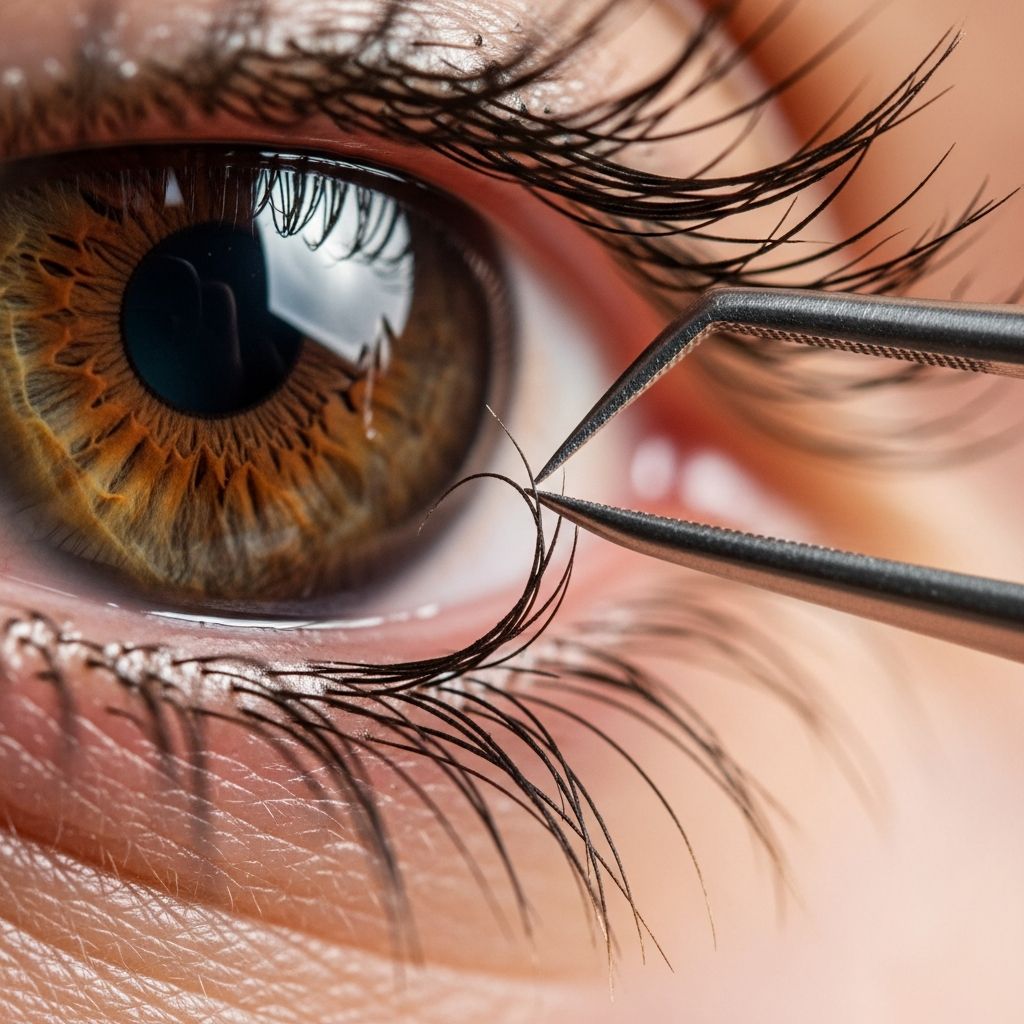
Ingrown eyelashes, medically termed trichiasis, occur when lashes grow inward toward the eye, causing significant discomfort and potential harm. This condition affects people of all ages but is more prevalent in adults, impacting either the upper or lower eyelids. Prompt recognition and intervention are crucial to avoid complications like corneal abrasions or infections.
Understanding the Mechanics of Inward-Growing Lashes
Normally, eyelashes curve outward to shield the eye from debris. In trichiasis, they redirect inward, rubbing against the cornea or conjunctiva. This misdirection can stem from various triggers, leading to a cycle of irritation if unaddressed.
- Key Triggers: Eyelid inflammation disrupts normal growth patterns.
- Physical injuries alter lash follicle orientation.
- Structural eyelid anomalies force lashes inward.
Unlike typical ingrown hairs trapped beneath skin, trichiasis lashes emerge but point wrongly, exacerbating eye exposure.
Recognizing Warning Signs Early
Early detection hinges on spotting subtle changes. Common indicators include a persistent foreign body sensation, as if grit lingers in the eye. Affected areas often redden, with swelling around the lid margins.
| Symptom | Description | Severity Level |
|---|---|---|
| Redness and Soreness | Inflamed lids with tenderness | Mild to Moderate |
| Excessive Tearing | Watery eyes as reflexive response | Mild |
| Light Sensitivity | Photophobia intensifies discomfort | Moderate |
| Blurred Vision | Temporary haze from irritation | Moderate to Severe |
| Itchiness or Pain | Constant urge to rub, sharp stabs | Severe if untreated |
These manifestations mimic other issues like styes or allergies, underscoring the need for professional evaluation. Prolonged exposure risks corneal ulcers, potentially impairing vision permanently.
Initial Home-Based Relief Strategies
While awaiting medical consultation, several non-invasive methods alleviate symptoms. Artificial tears lubricate the surface, flushing irritants and reducing friction. Over-the-counter options mimic natural tears effectively.
- Prepare a clean cloth soaked in warm (not hot) water.
- Apply gently to the closed eye for 5-10 minutes, repeating 3-4 times daily.
- This softens debris and soothes inflamed tissues.
Avoid rubbing or pulling lashes manually, as this invites infection or further misalignment. Ointment lubricants at night prevent overnight drying, but select preservative-free variants for sensitive eyes.
Professional Diagnostic Approaches
Ophthalmologists employ precise tools for confirmation. Slit-lamp exams magnify lash positions, revealing misdirected growths invisible to the naked eye. Fluorescein dye highlights corneal scratches under blue light.
Underlying contributors like blepharitis—inflammation of lid edges—or entropion, where lids invert, require targeted assessment. Distichiasis, an extra lash row nearer the cornea, demands differentiation.
Targeted Interventions for Lash Correction
Treatment escalates based on severity. Isolated ingrown lashes respond to epilation—professional plucking with forceps under local anesthesia. This offers immediate relief, though regrowth occurs in 50-60% of cases.
- Electrolysis: Electric current targets follicles, preventing regrowth. Sessions vary; success rates hover at 49% initially, improving with repeats.
- Laser Ablation: Precise beams destroy roots with 81% first-session efficacy, minimizing regrowth.
Related Stories



Cryotherapy freezes follicles, effective yet riskier with potential swelling or pigmentation loss.
Surgical Solutions for Chronic Cases
Recurrent or widespread trichiasis necessitates surgery. Eyelid repositioning corrects entropion, realigning lashes outward. Ablative procedures use radiofrequency to excise problematic follicles permanently.
For infection-linked cases like trachoma, addressing the root prevents relapse. Post-procedure care includes antibiotic drops and shields to protect healing tissues.
Preventive Measures to Safeguard Eye Health
Proactive habits curb recurrence. Maintain lid hygiene with daily gentle cleansing using baby shampoo dilutions. Manage blepharitis through consistent routines to avert inflammation.
- Steer clear of eye trauma via protective eyewear.
- Monitor chronic conditions like autoimmune disorders.
- Schedule routine eye exams for early intervention.
Nutritional support bolsters lash health; omega-3s reduce inflammation.
Potential Complications and When to Escalate Care
Untreated trichiasis invites bacterial entry, fostering infections. Corneal scarring from repeated abrasions threatens acuity. Seek urgent care for worsening pain, discharge, or vision dips.
Children merit swift attention, as developing eyes suffer amplified damage.
FAQs on Ingrown Eyelash Management
Can I remove an ingrown eyelash at home?
No—self-plucking risks infection and improper regrowth. Consult a specialist.
How long do symptoms persist after treatment?
Most resolve in days with compresses; surgical recovery spans weeks.
Is trichiasis contagious?
No, but infection-related forms like trachoma are.
Does makeup worsen ingrown lashes?
Yes, if not removed properly; opt for hypoallergenic products.
Are there natural remedies?
Warm compresses help symptoms, but not cures.
Long-Term Outlook and Lifestyle Adjustments
With appropriate intervention, most achieve full resolution. Permanent fixes like electrolysis suit frequent sufferers. Integrate hygiene protocols to sustain gains.
Regular monitoring ensures anomalies don’t recur, preserving ocular integrity. Educating oneself empowers timely action against this disruptive yet manageable affliction.
References
- What Causes an Ingrown Eyelash and How Do You Treat It? — Healthline. 2020-09-18. https://www.healthline.com/health/ingrown-eyelash
- Ingrown eyelash: Causes, identification, and treatment — Medical News Today. N/A. https://www.medicalnewstoday.com/articles/321570
- Ingrowing eyelashes (Trichiasis) — Leicestershire Hospitals NHS Trust. N/A. https://yourhealth.leicestershospitals.nhs.uk/library/musculoskeletal-specialist-surgery-mss/ophthalmology/821-ingrowing-eyelashes-trichiasis/file
- Trichiasis: Inverted Eyelashes — BC Eye. N/A. https://bceye.com/eye-diseases/trichiasis-inverted-eyelashes/
- Ingrown Eyelash (Trichiasis) Treatment — My Eye Physicians. N/A. https://www.myeyephysicians.com/eye-care/ingrown-eyelash-trichiasis/
Similar Articles








Read full bio of medha deb