Ingrown Fingernail Treatment: Symptoms, Causes & Prevention
Learn causes, symptoms, home remedies, medical treatments, and prevention for painful ingrown fingernails.
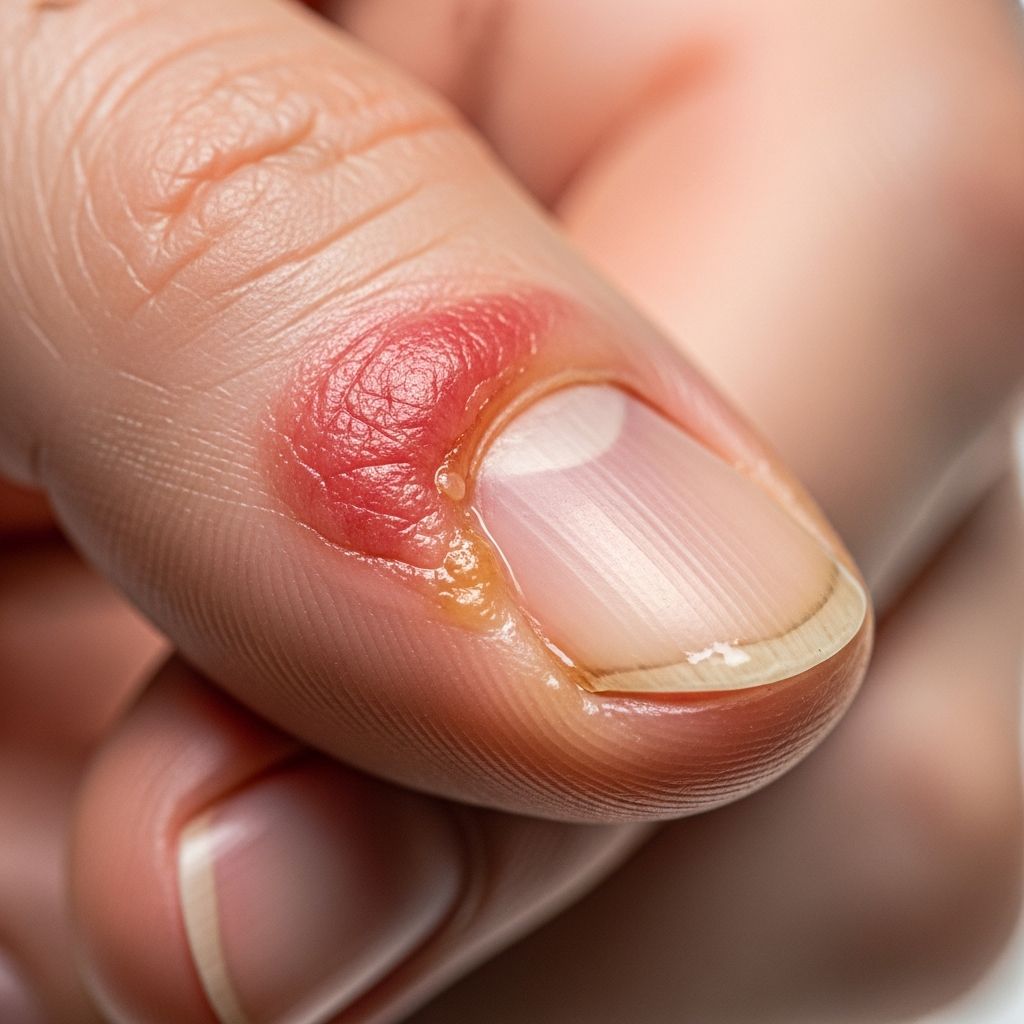
An
ingrown fingernail
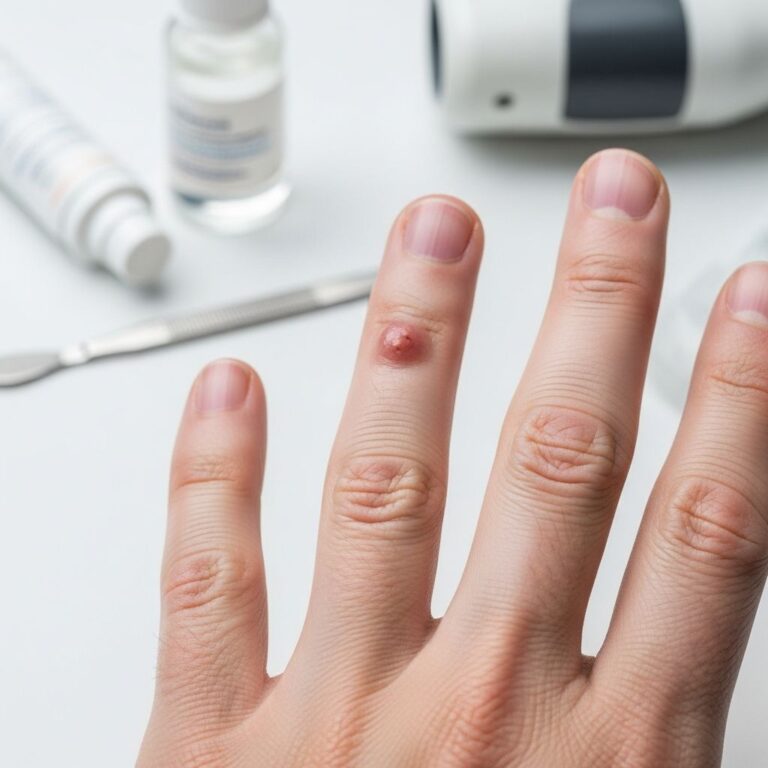
occurs when the edge of the fingernail grows into the surrounding skin, leading to pain, swelling, redness, and potential infection. This common condition often affects the fingers used in repetitive tasks and can be managed at home for mild cases or treated medically for severe ones.What Is an Ingrown Fingernail?
An ingrown fingernail develops when the nail’s side edge presses into or pierces the soft skin beside it, causing irritation and inflammation. Unlike the more common ingrown toenails, fingernail cases are less frequent but can be equally painful, especially during daily activities like typing, writing, or gripping tools. The pressure creates a pathway for bacteria, potentially leading to
paronychia
, an infection of the nail fold.Early detection is key, as mild tenderness can progress to pus-filled abscesses if ignored. Most cases resolve with prompt care, but recurrent issues may signal underlying factors like nail shape or occupational habits.
Symptoms of an Ingrown Fingernail
Recognizing symptoms early prevents complications. Common signs include:
- Pain and tenderness along the nail edge, worsening with pressure or touch.
- Redness and swelling of the skin next to the nail.
- Warmth in the affected area, indicating inflammation.
- Clear fluid or pus drainage, signaling infection.
- Red streaks extending from the finger, a sign of spreading infection requiring immediate care.
Symptoms often start subtly but intensify over days. Fingers like the middle or ring finger are more prone due to their curved nails and frequent use in tasks such as typing or sewing.
Causes of an Ingrown Fingernail
Several factors contribute to ingrown fingernails. Understanding them helps in prevention:
- Improper nail trimming: Cutting nails too short or rounding corners sharply causes the nail to curve into the skin.
- Trauma or injury: Jamming a finger or repetitive pressure from tools, tight gloves, or activities like vegetable cutting alters nail growth.
- Nail shape genetics: Naturally curved or thick nails increase susceptibility.
- Infections or skin conditions: Fungal infections or hyperkeratosis soften and distort the nail bed.
- Occupational habits: Professions involving fine motor skills, such as stitching or typing, apply constant pressure to nail edges.
These causes often overlap, with trauma being a primary trigger in active individuals.
Ingrown Fingernail vs. Paronychia
Paronychia is inflammation of the nail fold, often resulting from an ingrown nail. While an ingrown nail is mechanical, paronychia adds bacterial or fungal invasion. Differentiate them:
| Feature | Ingrown Fingernail | Paronychia |
|---|---|---|
| Pain Location | Nail edge pressing skin | Entire nail fold |
| Primary Cause | Mechanical growth | Infection from break in skin |
| Appearance | Localized redness, swelling | Pus, broader swelling |
| Treatment | Soaking, lifting | Antibiotics, drainage |
Many paronychia cases stem from overlooked ingrown nails, especially on distal lateral ends.
Home Remedies and First Aid
Mild cases respond well to conservative care. Follow these steps:
Related Stories



- Soak the finger: Use warm water with Epsom salt or mild soap for 15-20 minutes, 3-4 times daily to soften skin and reduce swelling.
- Lift the nail: After soaking, gently place sterile cotton, dental floss, or gauze under the ingrown edge to separate it from skin.
- Apply ointment: Use over-the-counter antibiotic cream (e.g., bacitracin) and cover with a bandage.
- Elevate and rest: Keep the hand raised and avoid pressure-causing activities.
- Pain relief: Take ibuprofen for discomfort and inflammation.
Improvement should occur within 48-72 hours. If not, seek professional help.
When to See a Doctor
Consult a healthcare provider if:
- Pain persists after 3 days of home care.
- Infection signs worsen: increased pus, fever, or red streaks.
- You have diabetes, poor circulation, or weakened immunity.
- The nail recurs frequently.
Dermatologists or podiatrists handle most cases efficiently.
Medical Treatments for Ingrown Fingernail
For moderate to severe cases, doctors offer targeted interventions.
Noninvasive Options
- Taping: Tape pulls skin away from the nail, relieving pressure.
- Gutter splint: A cut IV tube acts as a splint to guide nail growth.
- Abscess drainage: Incision removes pus under local anesthesia.
- Topical or oral antibiotics: For bacterial infections.
Surgical Treatments
Rare for fingernails but used for recalcitrant cases:
- Partial nail avulsion: Removal of the ingrown portion.
- Matrixectomy: Chemical (phenol) or surgical destruction of nail matrix to prevent regrowth.
Procedures are outpatient with quick recovery; follow wound care instructions.
Prevention Tips for Ingrown Fingernails
Avoid recurrence with these habits:
- Trim nails straight across, leaving a 1mm edge at corners. Use clean clippers.
- Wear fitted gloves for manual work.
- Treat fungal infections early.
- Modify habits: Alternate fingers in repetitive tasks.
- Moisturize cuticles to prevent cracking.
Consistent care reduces risk significantly.
Frequently Asked Questions (FAQs)
Can an ingrown fingernail heal on its own?
Yes, mild cases often resolve with soaking and care, but monitor for infection.
How long does it take to heal?
Home treatment: 3-7 days. Post-procedure: Pain eases in days; full regrowth takes months.
Is surgery common for fingernails?
No, reserved for recurrent or infected cases; noninvasive methods suffice usually.
Can I use a needle at home?
No, it risks worsening infection. Use sterile cotton or floss instead.
Are children prone to this?
Less common, but trauma from play can cause it. Teach proper trimming.
References
- Ingrown Fingernail: Causes, Symptoms & Treatments — AI DiagMe. 2023. https://aidiagme.com/pathologies-and-diseases/ingrown-fingernail-causes-symptoms-treatments/
- How to Treat an Ingrown Fingernail — Healthline. 2023-10-01. https://www.healthline.com/health/how-to-treat-an-ingrown-fingernail
- Ingrown Finger Nail—A Lesser Known Entity — PMC – NIH (PMID: 37554686). 2023-08-01. https://pmc.ncbi.nlm.nih.gov/articles/PMC10405550/
- How to fix an ingrown fingernail — Medical News Today. 2023. https://www.medicalnewstoday.com/articles/ingrown-fingernail-treatment
- Ingrown Nails: Causes and Treatment — GoodRx. 2024. https://www.goodrx.com/health-topic/dermatology/ingrown-nail-causes-symptoms-treatment-removal
Similar Articles








Read full bio of Sneha Tete