Ingrown Hair: Causes, Symptoms, Treatment & Prevention
Complete guide to understanding, treating, and preventing ingrown hairs effectively.
Understanding Ingrown Hair: A Complete Guide
Ingrown hair is a common condition that occurs when a hair strand grows back into your skin instead of outward through the surface. This happens most frequently after hair removal methods like shaving, waxing, or tweezing. While ingrown hairs are typically harmless and often resolve on their own, they can cause discomfort, irritation, and in some cases, lead to more serious complications if infected. Understanding the causes, symptoms, and treatment options can help you manage this bothersome condition effectively.
What Is an Ingrown Hair?
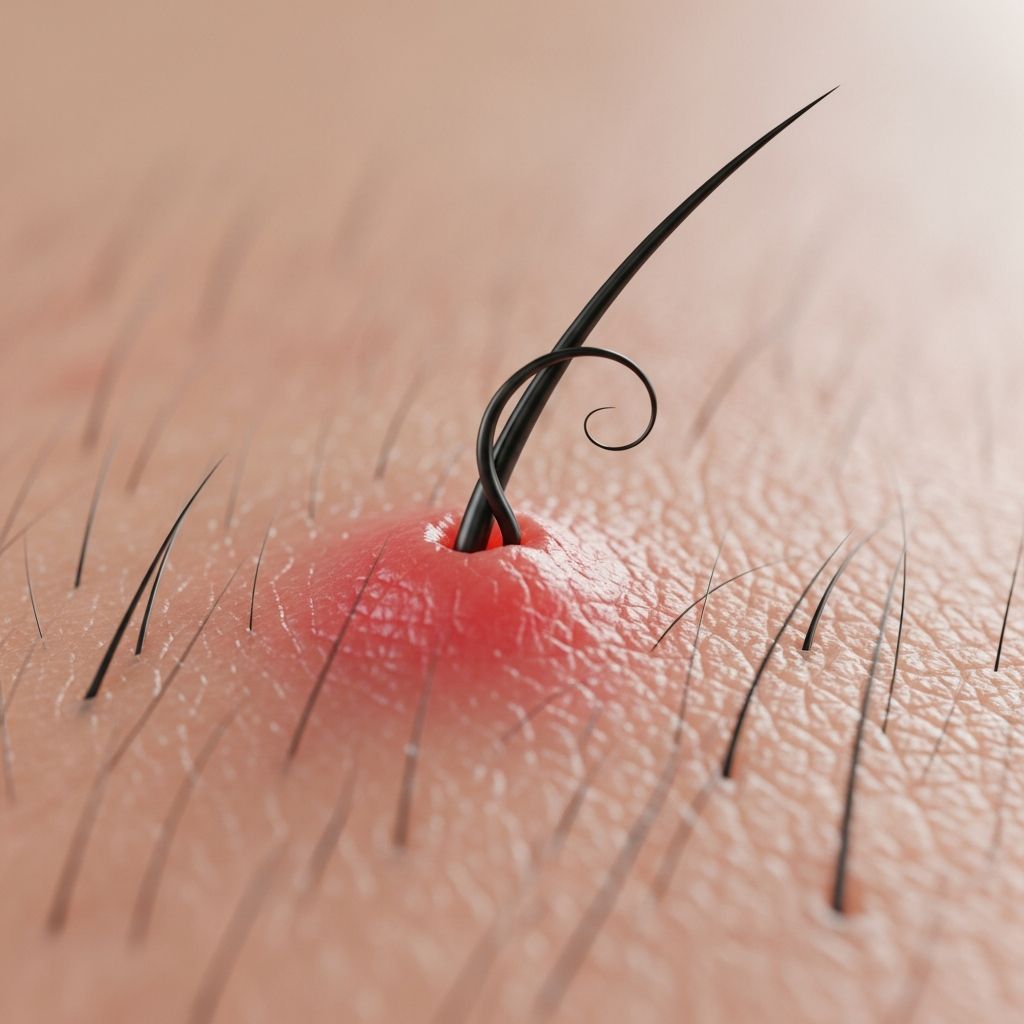
An ingrown hair forms when a hair strand curls back or grows sideways into the skin after being removed. Hair naturally grows out of tiny tubes in your skin called hair follicles. When you shave, wax, or tweeze, you remove the hair but leave the follicle intact. As the hair regrows, it can sometimes follow an abnormal growth pattern and become trapped beneath the skin surface. This creates a visible bump that may be red, swollen, and tender to the touch.
The condition is particularly common in areas where hair is frequently removed, such as the legs, underarms, bikini line, and beard area. While anyone can develop ingrown hair, certain individuals are at higher risk, particularly those with thick or curly hair whose growth patterns are less predictable.
Causes of Ingrown Hair
Several factors contribute to the development of ingrown hairs. Understanding these causes can help you take preventive measures.
Hair Removal Methods
The primary cause of ingrown hair is hair removal itself. Shaving, waxing, and tweezing all create conditions that can lead to ingrown hairs by:
– Cutting hair too close to the skin surface, creating a sharp edge- Removing hair in a way that disrupts the natural growth pattern- Leaving the hair follicle intact while removing the hair shaft- Creating inflammation in the follicle that can affect regrowth direction
Hair Texture and Type
Your natural hair characteristics play a significant role in ingrown hair development. People with thick or curly hair are more susceptible because their hair growth direction is less predictable and more likely to curl back into the skin. Coarse hair is also more prone to becoming ingrown since it has a greater tendency to bend back upon itself.
Tight Clothing
Wearing tight clothing immediately after hair removal can trap hairs close to the skin surface and prevent them from growing outward properly. This is particularly problematic in areas like the bikini line and thighs where tight pants or underwear may create constant friction.
Poor Hair Removal Techniques
Improper shaving, waxing, or tweezing techniques significantly increase your risk. Shaving against the grain, pulling skin too taut during waxing, or removing hair too frequently can all contribute to ingrown hair formation.
Symptoms and Signs of Ingrown Hair
Recognizing the symptoms of ingrown hair helps you identify the condition early and seek appropriate treatment. Common signs include:
Related Stories



– Small, raised bumps on the skin that may appear red or dark- Itching or stinging sensations around the affected area- Tenderness or soreness when touched- Visible hair trapped beneath the skin- Mild swelling or inflammation- Pustules or small pimple-like formations- In some cases, a darker discoloration around the bump
In most cases, ingrown hairs cause only minor discomfort. However, if the area becomes infected, you may experience increased pain, warmth, swelling, and drainage. Infected ingrown hairs require medical attention to prevent serious complications.
When to See a Healthcare Provider
While most ingrown hairs resolve independently, certain situations warrant professional evaluation:
– The bump persists beyond two weeks without improvement- Signs of infection appear, including increased redness, warmth, pus, or drainage- You experience fever or body aches accompanying the ingrown hair- The area becomes increasingly painful or swollen- The ingrown hair prevents normal daily activities- You have repeatedly tried home treatment without success
A dermatologist or primary care provider can properly diagnose ingrown hair and recommend appropriate treatment based on severity and infection status.
Treatment Options
Treatment approaches vary depending on the severity of the ingrown hair and whether infection has developed.
Home Care Remedies
For mild cases of ingrown hair without infection, several home remedies can help:
Warm Compresses: Apply warm compresses to the affected area for 10-15 minutes several times daily. This reduces inflammation, promotes blood circulation, and may help the hair work its way out naturally.Gentle Exfoliation: Use mild exfoliants or salicylic acid pads (0.5% concentration) 2-3 times weekly to remove dead skin cells and reduce keratin buildup that may trap the hair. However, avoid aggressive scrubbing that could irritate the skin further.Avoid Hair Removal: Cease all hair removal in the affected area until the ingrown hair has completely healed. This prevents further irritation and allows the hair to grow out naturally.Moisturizing Lotions: Apply fragrance-free moisturizers to keep the area hydrated and reduce inflammation.Avoid Irritation: Resist the urge to pick, squeeze, or pop the bump, as this can lead to infection, scarring, and permanent skin damage.
Medical Treatments
When home remedies prove insufficient, healthcare providers may recommend:
Topical Antibiotics: If a bacterial infection develops, prescription antibiotic creams like clindamycin or mupirocin ointment applied twice daily can reduce bacterial load and promote healing.Oral Antibiotics: For more serious infections, oral antibiotics may be necessary to treat the infection systemically.Topical Corticosteroids: Low-potency corticosteroid creams applied for 3-5 days can reduce inflammation and itching while other treatments work.Surgical Removal and Drainage: For persistent cysts or severely infected ingrown hairs, a healthcare provider may surgically remove and drain the cyst, followed by antibiotic treatment to prevent recurrent infection.Laser Hair Removal: For individuals who repeatedly experience ingrown hairs despite proper technique, laser hair removal offers a semi-permanent solution. This treatment targets the hair follicle and typically prevents regrowth, eliminating the ingrown hair problem at its source.
Healing Timeline
The healing duration for ingrown hair varies significantly depending on several factors. Most ingrown hairs without infection resolve within 1-2 weeks with proper home care. However, the exact timeline depends on:
– Cyst size and depth- Whether infection is present- Treatment methods employed- Individual healing response- Continued irritation from tight clothing or hair removal
Infected ingrown hairs may take longer to heal, sometimes extending several weeks. Following your healthcare provider’s guidance and completing full courses of prescribed antibiotics as directed is essential for optimal healing.
Complications of Ingrown Hair
While rare, ingrown hairs can develop complications, particularly when manipulated or infected:
– Bacterial infection leading to folliculitis or abscess formation- Permanent scarring or skin discoloration- Keloid formation, particularly in prone individuals- Cyst formation filled with fluid or skin cells- Post-inflammatory hyperpigmentation
These complications typically develop after scratching, irritating, or attempting to pop the cyst without proper sterilization.
Prevention Strategies
Preventing ingrown hair is significantly easier than treating it. Implement these strategies to reduce your risk:
Hair Removal Techniques
– Use a single-blade safety razor or electric trimmer that cuts hair at skin level, reducing the sharp edge that promotes re-entry- Shave in the direction of hair growth, never against the grain- Avoid shaving too close to the skin- Use shaving gel or cream to lubricate the skin- Replace razor blades frequently—dull blades increase ingrown hair risk- Limit shaving frequency to allow adequate healing time
Waxing and Tweezing
– If you wax, ensure the skin is properly exfoliated beforehand- Avoid tweezing if possible, as it can create very sharp hair edges- Wait at least 24 hours after waxing before exposing the area to heat or sweat- Apply moisturizer after waxing to reduce inflammation
Post-Hair Removal Care
– Avoid tight clothing immediately after hair removal- Wear loose, breathable fabrics for at least 24 hours post-removal- Apply fragrance-free moisturizer to hydrated skin- Avoid swimming or hot baths for 24 hours after hair removal- Keep the area clean and dry
Regular Exfoliation
– Use salicylic acid pads or gentle chemical exfoliants 2-3 times weekly- Avoid physical scrubs that may cause micro-tears- Exfoliate regularly between hair removal sessions
Alternative Hair Removal Methods
– Consider laser hair removal for permanent or semi-permanent results- Try depilatory creams (though test for skin sensitivity first)- Explore electrolysis for permanent hair removal- If ingrown hairs persist despite proper technique, consult a dermatologist about alternative options
Ingrown Hair vs. Other Skin Conditions
Ingrown hair can sometimes be confused with other skin conditions. It’s important to differentiate:
Ingrown Hair vs. Cystic Acne: Ingrown hair bumps typically appear only where hair has been removed and often contain a visible hair. Cystic acne develops from clogged pores and can appear anywhere on the body.Ingrown Hair vs. Folliculitis: While folliculitis is an infection of the hair follicle root that can result from ingrown hairs, it can also develop independently from other causes like friction or bacterial contamination.Ingrown Hair vs. Genital Herpes: When ingrown hairs appear near the genitals, they may resemble herpes lesions. However, herpes typically causes painful fluid-filled blisters, systemic symptoms, and follows a different progression pattern. A healthcare provider can properly differentiate between these conditions.
Frequently Asked Questions
Q: Can I squeeze or pop an ingrown hair bump?
A: No, you should not squeeze, pop, or attempt to drain an ingrown hair cyst yourself. This can introduce bacteria, cause infection, lead to permanent scarring, and delay healing. Instead, use warm compresses and allow your body to naturally resolve the issue or seek professional help if concerned.
Q: How long does it take for an ingrown hair to go away?
A: Most ingrown hairs resolve within 1-2 weeks with proper home care. However, if infected or particularly stubborn, healing may take several weeks. If a bump persists beyond two weeks, consult a healthcare provider.
Q: Can ingrown hairs cause permanent scarring?
A: Yes, attempting to extract an ingrown hair prematurely or aggressively can cause permanent scarring and skin discoloration. Treat ingrown hairs gently and avoid manipulation to minimize scarring risk.
Q: Is laser hair removal effective for preventing ingrown hairs?
A: Yes, laser hair removal is highly effective for preventing ingrown hairs because it targets the hair follicle and typically prevents regrowth. It’s considered safe and effective on all skin types when performed by an experienced dermatologist.
Q: What should I do if my ingrown hair shows signs of infection?
A: If you notice increased redness, warmth, pus, drainage, fever, or body aches, seek medical attention promptly. Your healthcare provider may prescribe antibiotics—either topical or oral—to prevent the infection from spreading.
Q: Are certain people more prone to ingrown hairs?
A: Yes, people with thick or curly hair are at higher risk because their hair growth patterns are less predictable. Additionally, individuals who frequently remove hair or use improper techniques are more susceptible to developing ingrown hairs.
References
- Ingrown Hair Cyst: Treatment, Causes, Preventing Infection — Cleveland Clinic. 2024. https://my.clevelandclinic.org/health/diseases/ingrown-hair-cyst
- How To Get an Ingrown Hair Out at Home — Cleveland Clinic Health. 2024. https://health.clevelandclinic.org/home-remedies-for-ingrown-hair
- Why Do I Keep Getting Ingrown Hairs and How Can I Stop Them? — Eureka Health. 2025. https://www.eurekahealth.com/resources/why-do-i-get-ingrown-hairs-en
- Ingrown Pubic Hair: Symptoms, Causes, Treatment & Prevention — Cleveland Clinic. 2024. https://my.clevelandclinic.org/health/diseases/ingrown-pubic-hair
- Razor Burn: Causes & Treatment — Cleveland Clinic. 2024. https://my.clevelandclinic.org/health/diseases/23583-razor-burn
Similar Articles








Read full bio of medha deb