Ingrown Hair Cyst: 10 Treatment Options, Causes, Prevention
Understand ingrown hair cysts: causes, symptoms, treatments, and prevention strategies for smooth, healthy skin.
An
ingrown hair cyst
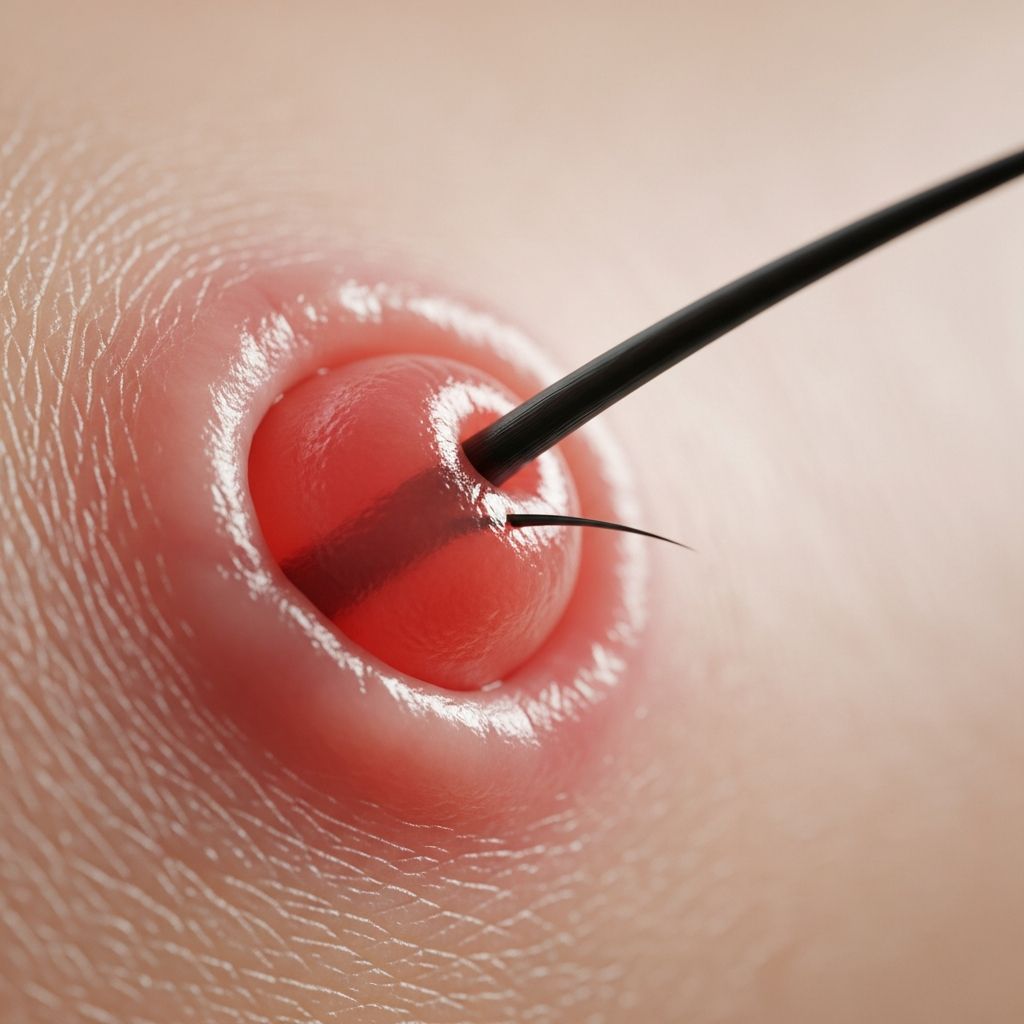
forms when a hair curls back into the skin after hair removal, creating a fluid-filled sac or lump that can become painful or infected. These cysts often arise from shaving, waxing, or tweezing, particularly in people with curly or coarse hair, and can be managed at home or with medical intervention.What Is an Ingrown Hair Cyst?
An ingrown hair cyst develops when a hair grows sideways or backward into the skin instead of outward from the follicle, trapping it beneath the surface and forming a cyst—a sac filled with fluid, pus, skin cells, or keratin. This reaction occurs as the body’s immune system sends fluid to the inflamed follicle, which gets trapped, leading to swelling and a noticeable bump.
Unlike simple ingrown hairs, cysts extend deeper into the skin and may resemble pimples or hard lumps. They are a type of folliculitis, where the hair follicle becomes inflamed, or pseudofolliculitis, which occurs without infection. Common in areas prone to hair removal, these cysts are benign but can lead to complications if untreated.
Symptoms of an Ingrown Hair Cyst
Symptoms typically appear days after hair removal or spontaneously, presenting as:
- A
hard bump
or pimple-like lesion with trapped hair visible under the skin. - Pain, tenderness, itching, or stinging around the bump.
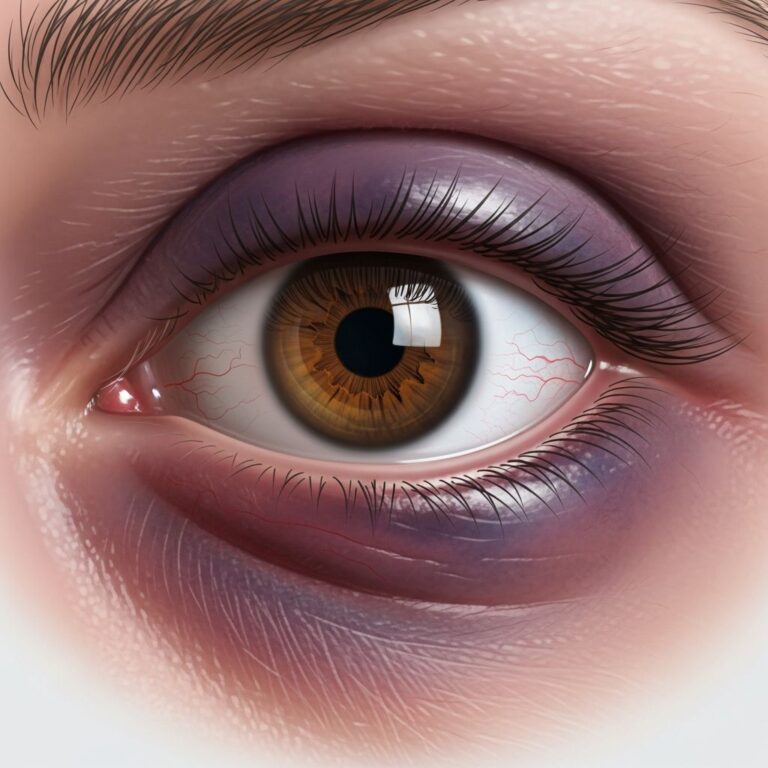
- Skin discoloration, such as redness, purplish hues, or hyperpigmentation.
If infected, additional signs include pus drainage, increased swelling, warmth, rash, or feverish skin. Severe cases may cause keloid scarring, abscesses, spreading infection, or hair loss. Early recognition prevents progression; monitor for persistence beyond a week.
What Causes Ingrown Hair Cysts?
The primary cause is
folliculitis
from hair removal methods that leave sharp, short hair tips prone to curling back into the skin. Shaving cuts hair at an angle, promoting re-entry, while waxing or plucking weakens follicles, increasing risk.Individuals with
curly, coarse, or multidirectional hair
are more susceptible, as growth patterns favor ingrowth. Other factors include skin folds, scar tissue, excessive sebum, debris blocking pores, or genetic conditions like steatocystoma from KRT17 mutations. Friction from tight clothing or pressure exacerbates this, especially in pilonidal cysts near the buttocks.Where Do Ingrown Hair Cysts Occur?
These cysts can form anywhere hair grows but are most common in hair removal sites:
- **Face and neck** (beard area, especially pseudofolliculitis barbae).
- **Armpits and pubic region** due to coarse hair and friction.
- **Legs, chest, back** from shaving.
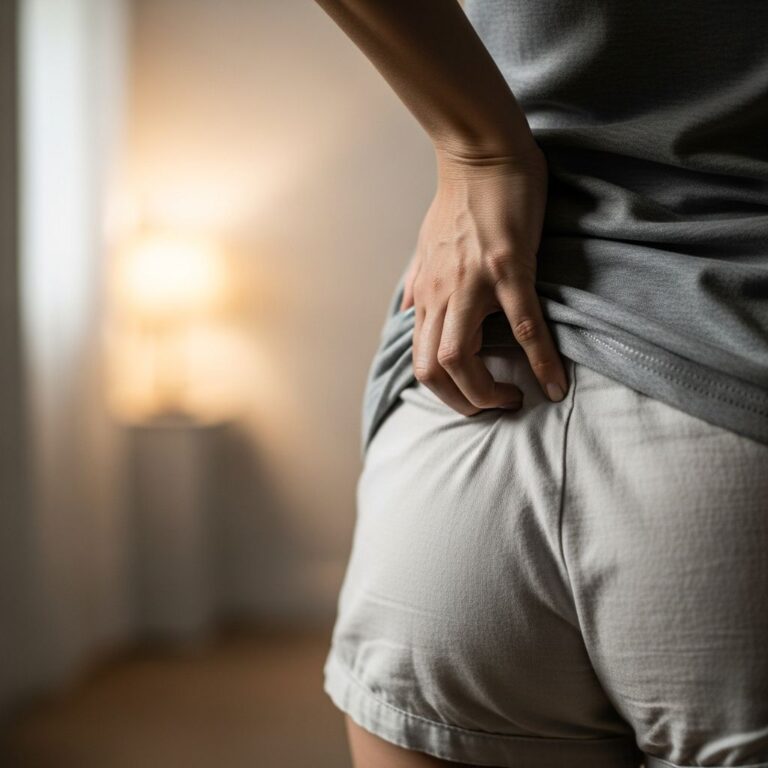
- **Buttocks** (pilonidal cysts from pressure).
Skin folds or scarred areas heighten risk, affecting all genders but more frequently those who groom.
Risk Factors for Ingrown Hair Cysts
Certain groups face higher risks:
- People with
thick, curly, or coiled hair
(e.g., African or coarse-textured hair). - Frequent hair removers using razors, tweezers, or wax.
- Those with oily skin, diabetes, or weakened immunity prone to infection.
- Genetic predispositions like epidermoid cysts or Gardner’s syndrome.
Related Stories



Understanding these helps tailor prevention.
Types of Ingrown Hair Cysts
Variations include:
| Type | Description | Common Locations | Appearance |
|---|---|---|---|
| Epidermoid Cysts | Grow from epidermis, keratin buildup; may trap hair; linked to Gardner’s syndrome | Head, neck, trunk, genitals | Skin-colored, 0.5–several cm |
| Pilonidal Cyst/Sinus | Hair trapped in follicle from pressure | Top of buttocks | Small, white/yellow |
| Steatocystoma | From sebaceous duct; genetic (KRT17); traps hair | Trunk, arms, groin | Yellowish, smooth; darker on pigmented skin |
These differ from basic folliculitis cysts.
How Are Ingrown Hair Cysts Diagnosed?
Diagnosis is visual: providers examine the bump for trapped hair, inflammation, or pus. No tests are usually needed, but severe cases may involve swab cultures for infection or biopsy to rule out cysts like epidermoid. Consult a dermatologist if recurrent.
Treatment Options for Ingrown Hair Cysts
Most resolve without intervention, but persistent cysts require action.
Home Remedies
- **Warm compresses**: Apply 10–15 minutes, 3–4 times daily to soften skin and release hair.
- **Gentle exfoliation**: Use salicylic acid or glycolic acid products post-shower; avoid scrubbing.
- **Topical treatments**: Hydrocortisone cream for inflammation, antibiotic ointments like bacitracin for infection.
- Sterilize tweezers/needle to gently free hair; never squeeze.
Stop hair removal until healed.
Medical Treatments
- **Topical prescriptions**: Retinoids, benzoyl peroxide, or steroids to exfoliate and reduce inflammation.
- **Oral antibiotics**: For bacterial infections like severe folliculitis.
- **Sterile needle extraction**: Dermatologist removes hair safely.
- **Depilatory creams**: Chemical hair removal, patch-test first.
- **Laser hair removal**: Destroys follicles for long-term prevention.
- **Incision/drainage**: For large abscesses.
Treatments vary by severity.
Complications of Untreated Ingrown Hair Cysts
Without care:
- **Infection spread** (cellulitis, abscess).
- **Scarring**: Keloids or hyperpigmentation.
- **Permanent hair loss** or chronic folliculitis.
- Recurrent cysts if underlying issues persist.
Seek prompt care for worsening.
Prevention Tips for Ingrown Hair Cysts
Minimize risk by:
- Using
electric trimmers
over razors; shave with grain, less frequently. - **Prepping skin**: Exfoliate gently, moisturize, use sharp single-blade razors.
- Allowing hair to grow or opting for
laser/electrolysis
for permanence. - Avoiding tight clothes post-removal.
- Daily moisturizing and salicylic acid for prone areas.
Complete avoidance requires no hair removal, but alternatives reduce incidence.
When to See a Doctor
Contact a provider if:
- Cyst persists >2 weeks, grows, or spreads.
- Signs of infection: fever, pus, severe pain.
- Recurrent bumps despite prevention.
- Underlying conditions suspected.
Dermatologists offer specialized care.
Frequently Asked Questions (FAQs)
Can ingrown hair cysts go away on their own?
Yes, most small cysts resolve within 1–2 weeks with home care like warm compresses.
Are ingrown hair cysts contagious?
No, they result from mechanical hair growth, not pathogens, though secondary infections need hygiene.
Is laser hair removal effective for prevention?
Yes, it targets follicles, reducing regrowth and cysts long-term.
Do ingrown hair cysts only affect certain skin types?
No, but more common in curly/coarse hair; all types can develop them.
Can popping an ingrown hair cyst help?
No, it risks infection and scarring; use sterile tools or professional help.
References
- Ingrown Hair Cyst: What It Is and How to Treat It — Healthgrades. 2023. https://resources.healthgrades.com/right-care/skin-hair-and-nails/ingrown-hair-cyst-what-it-is-and-how-to-treat-it
- Ingrown Hair Cyst: Treatment, Causes, Preventing Infection — Cleveland Clinic. 2024-01-15. https://my.clevelandclinic.org/health/diseases/ingrown-hair-cyst
- Ingrown Hair Cyst: Symptoms, Treatment, Prevention, and More — Healthline. 2023-05-20. https://www.healthline.com/health/beauty-skin-care/ingrown-hair-cyst
Similar Articles








Read full bio of medha deb