Ingrown Toenails: Causes, Treatment, And 3 Stages
Understand causes, symptoms, home remedies, and surgical options for painful ingrown toenails to regain foot comfort quickly.
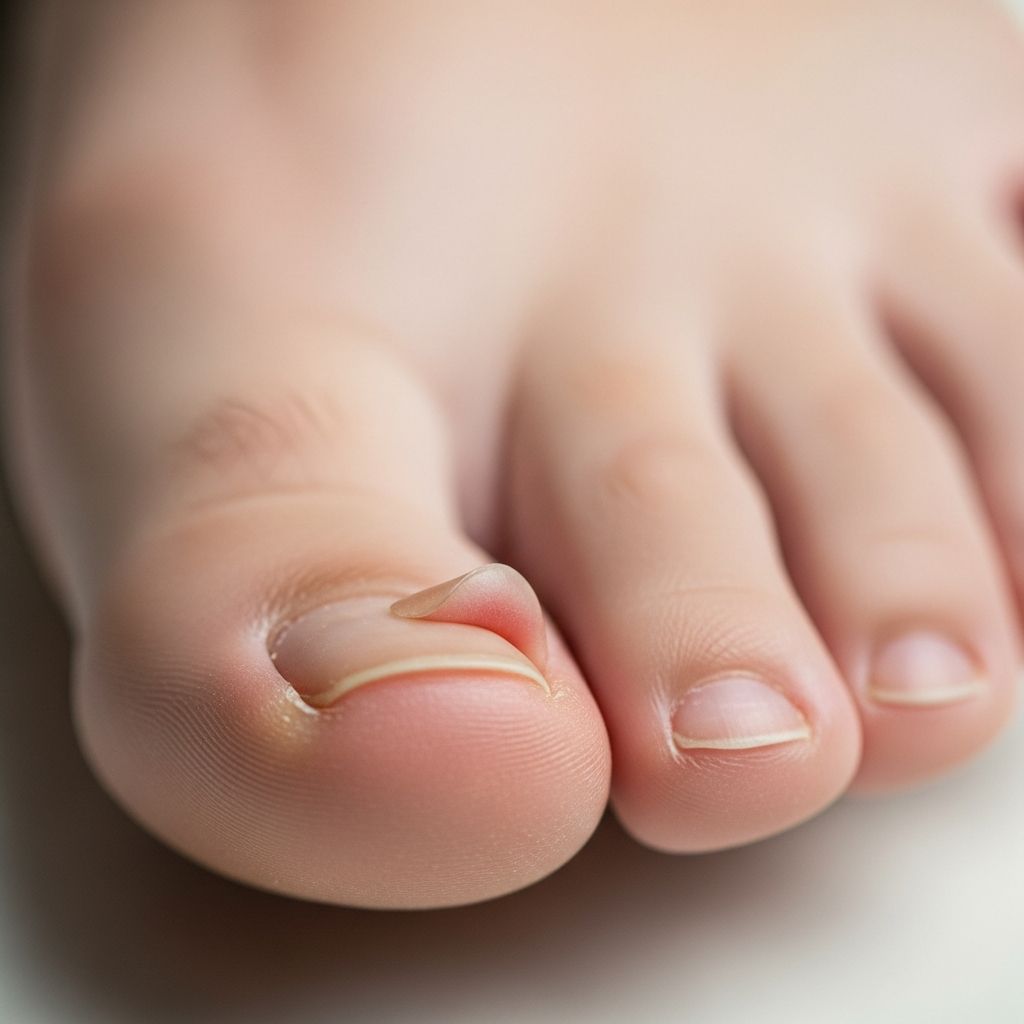
Ingrown toenails develop when the edge of a toenail grows into the surrounding skin, leading to pain, inflammation, and potential infection. This condition most frequently affects the big toe but can occur on any toe, disrupting daily activities due to discomfort from walking or wearing shoes.
Why Ingrown Toenails Happen: Key Causes
Several factors contribute to the development of ingrown toenails. Improper trimming, where nails are cut too short or curved, allows sharp edges to pierce the skin. Tight or narrow footwear exerts pressure on the toes, forcing the nail into the flesh.
Other contributors include excessive sweating, poor foot hygiene, trauma from stubbing or injury, and certain medications like epidermal growth factor receptor inhibitors. Genetic predisposition, such as naturally curved nails, obesity, or high-impact activities like running, can increase risk by altering foot pressure dynamics.
- Footwear pressure: Shoes that squeeze toes push nails inward.
- Trimming errors: Rounding corners instead of straight cuts.
- Hygiene issues: Moisture and bacteria buildup.
- Trauma: Injuries that damage nail growth.
Recognizing the Signs: Symptoms to Watch For
Early detection prevents worsening. Initial symptoms include tenderness and hardness along the nail edge, progressing to redness, swelling, and sharp pain when touched or during movement.
As the condition advances, pus drainage, warmth, and throbbing indicate infection. In chronic cases, overgrown tissue forms, exacerbating pressure and discharge. Severe infections may spread, causing fever or mobility issues.
| Stage | Symptoms | Action Needed |
|---|---|---|
| Early | Tenderness, slight swelling | Home care |
| Infected | Redness, pus, severe pain | Medical evaluation |
| Chronic | Granulation tissue, discharge | Surgical options |
Pathophysiology: How the Condition Progresses
The nail plate invades the lateral nail fold, triggering inflammation and granulation tissue formation. Pressure from shoes or activity worsens penetration, leading to ulceration and infection stages. Excess skin or reactive forces from weight-bearing amplify the issue, creating a cycle of swelling and tissue damage.
Home Management Strategies: First-Line Relief
Most cases respond to conservative care. Soak the affected foot in warm, soapy water or Epsom salts for 15-20 minutes, 3-4 times daily to soften skin and reduce swelling.
After soaking, gently lift the nail edge with clean cotton or dental floss, massaging skin away from the nail. Apply antibiotic ointment like bacitracin, cover loosely, and wear open-toed shoes.
- Soak duration: 20 minutes, twice daily minimum.
- Massage technique: Gently push skin back.
- Pain relief: Ibuprofen or acetaminophen as needed.
- Footwear: Sandals or wide shoes to avoid pressure.
Improvement typically occurs within 48 hours for pus drainage and 1-2 weeks for healing. Maintain dry feet between soaks to prevent bacterial growth.
Advanced Treatments: When Home Care Isn’t Enough
If symptoms persist beyond 3-7 days, infection spreads, or diabetes/poor circulation complicates matters, consult a healthcare provider immediately.
Related Stories



Providers may prescribe oral antibiotics for infection, perform nail avulsion (partial or full removal under local anesthesia), or use chemical ablation to prevent regrowth. For recurrent cases, matrixectomy destroys the nail root permanently.
Prevention Tips: Keeping Toenails Healthy Long-Term
Proactive habits reduce recurrence. Trim nails straight across, not rounded, leaving edges slightly longer than skin level. Choose breathable, properly fitted shoes with toe room.
- Weekly trims: Use clean clippers, file edges smooth.
- Daily hygiene: Wash and dry feet thoroughly.
- Moisture control: Use powders for sweaty feet.
- Activity adjustment: Gradual increase in sports to avoid trauma.
Special Considerations for At-Risk Groups
Individuals with diabetes, peripheral artery disease, or immunosuppression face higher risks of complications like osteomyelitis. They should avoid self-treatment and seek prompt professional care.
Children and teens may experience severe pain from tight sneakers; encourage open footwear during healing.
Potential Complications and Long-Term Outlook
Untreated ingrown toenails can lead to cellulitis, abscesses, or bone infections. Surgical interventions boast high success rates, with low recurrence post-ablation.
Most patients resume normal activities within days of treatment, with full nail regrowth in months if not permanently removed.
Frequently Asked Questions (FAQs)
Can I cut out an ingrown toenail myself?
No, self-cutting risks deeper infection. Professional removal is safer.
How long do soaks take to work?
Pus clears in 2 days, pain in 1 week with consistent care.
Will the nail grow back normally after surgery?
Partial removal allows regrowth; full ablation prevents it.
Are ingrown toenails contagious?
No, but infections need hygiene to avoid spreading bacteria.
When should I see a podiatrist?
If no improvement in 3 days, pus persists, or fever develops.
Daily Nail Care Routine Table
| Step | Frequency | Details |
|---|---|---|
| Soak | 3-4x/day | Warm water + soap, 20 min |
| Ointment | After each soak | Antibiotic cream, cover |
| Trim | Weekly | Straight across, no rounding |
| Shoes | Daily | Wide toe box, breathable |
References
- Ingrown Toenails — StatPearls, NCBI Bookshelf. 2023. https://www.ncbi.nlm.nih.gov/books/NBK546697/
- Treating an Ingrown Toenail — St. Louis Children’s Hospital. 2024. https://www.stlouischildrens.org/health-resources/symptom-checker/toenail-ingrown
- Ingrown Toenails: Signs, Causes, Treatment & Prevention — Cleveland Clinic. 2024. https://my.clevelandclinic.org/health/diseases/17664-ingrown-toenails
- Ingrown toenails – treatment, symptoms, causes — healthdirect.gov.au. 2024. https://www.healthdirect.gov.au/ingrown-toenails
- Ingrown toenail: MedlinePlus Medical Encyclopedia — MedlinePlus, NIH. 2024. https://medlineplus.gov/ency/article/001237.htm
- Ingrown Toenail — OrthoInfo – AAOS. 2023. https://orthoinfo.aaos.org/en/diseases–conditions/ingrown-toenail/
- Ingrown Toenails — American Academy of Family Physicians (AAFP). 2019-08-01. https://www.aafp.org/pubs/afp/issues/2019/0801/p158-s1.html
Similar Articles








Read full bio of medha deb