Inguinal Lymph Nodes: Anatomy, Function & Health
Complete guide to inguinal lymph nodes: location, function, swelling causes, and when to seek care.
Understanding Inguinal Lymph Nodes
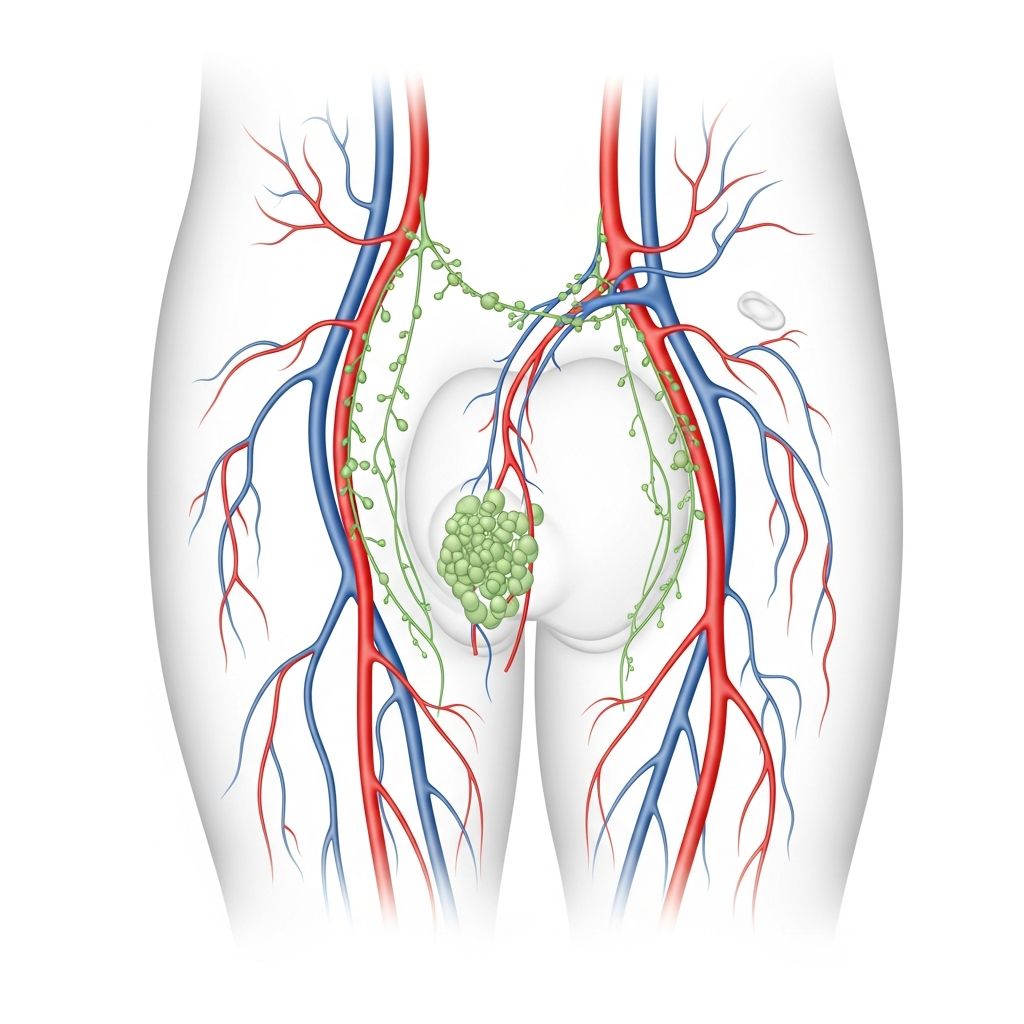
Inguinal lymph nodes are small, bean-shaped structures located in your groin area where your legs meet your lower abdomen. These vital components of your lymphatic system play a crucial role in your body’s immune response and overall health. Understanding their anatomy, function, and potential health concerns can help you recognize when something might be wrong and when to seek medical attention.
What Are Inguinal Lymph Nodes?
Lymph nodes are small, oval-shaped structures that produce disease-fighting cells and are found throughout your body in networks connected by thin tubes called the lymphatic system. These tubes filter and return fluid from your body to your bloodstream. Inguinal lymph nodes specifically are concentrated in your groin region and serve as important checkpoint stations in your immune system’s defense against infection and disease.
The inguinal lymph node network is organized in a specific anatomical pattern that enables efficient drainage and immune response. A chain of approximately 10 superficial inguinal lymph nodes sits close to the surface of your skin in your upper inner thigh. These nodes drain into three to five deep inguinal lymph nodes located in the connective tissue of your upper thigh. From there, lymph fluid drains into other lymph nodes in your pelvis and continues throughout the rest of your body.
Location and Anatomy
The inguinal lymph nodes are strategically positioned in the groin region, making them relatively accessible for physical examination by healthcare providers. The superficial nodes are easier to feel and assess, while the deep nodes sit deeper within the tissues of the upper thigh and require more sophisticated imaging to evaluate properly.
Key anatomical characteristics include:
– Located in the upper inner thigh region- Part of a larger lymphatic network extending throughout the body- Connected by lymphatic vessels that drain fluid from surrounding tissues- Organized in chains with both superficial and deep nodes- Serve as regional drainage points for lower extremities and lower torso
Function of the Lymphatic System
The lymphatic system functions as your body’s fluid management and immune defense network. Lymph fluid continuously circulates through your body, collecting cellular waste, bacteria, viruses, and other harmful substances. This fluid flows through lymph vessels to lymph nodes, where specialized immune cells filter out pathogens and abnormal cells.
Inguinal lymph nodes specifically drain lymphatic fluid from your:
– Lower extremities and legs- Lower abdomen- Pelvic region- External genitalia- Lower back and buttocks- Skin of the lower torso and legs
When your body detects an infection or other threat in these areas, the inguinal lymph nodes become active, producing additional immune cells and often becoming visibly or palpably enlarged as they work to fight the infection.
Related Stories



When Inguinal Lymph Nodes Swell
Lymph node swelling, known as lymphadenopathy, occurs when lymph nodes enlarge in response to infection, inflammation, or other stimuli. Swollen inguinal lymph nodes are generally benign and resolve on their own as the underlying infection or condition clears. However, understanding common causes helps you determine when professional evaluation is necessary.
Common Causes of Swelling
Infections represent the most frequent cause of inguinal lymph node enlargement. These include:
– Urinary tract infections- Yeast infections- Sexually transmitted infections such as herpes simplex virus or chlamydia- Skin infections in the lower extremities or groin area- Fungal infections like ringworm or athlete’s foot- Bacterial infections from minor cuts or wounds
Other common causes of inguinal lymph node swelling include:
– Recent vaccinations- Inflammatory conditions affecting the lower body- Cat scratch disease- Lymphatic system disorders- Certain medications that trigger immune responses- Autoimmune conditions- Injury or trauma to the lower extremities
When Swelling May Indicate Serious Conditions
While most cases of inguinal lymph node swelling resolve without intervention, certain characteristics warrant medical evaluation. Lymph nodes that persist for more than three to four weeks, continue to enlarge, or demonstrate other concerning features should be assessed by a healthcare provider.
Conditions that may cause concerning lymph node swelling include:
– Lymphoma and other blood cancers- Metastatic cancer spreading from nearby tissues- Persistent viral infections such as HIV or mononucleosis- Tuberculosis- Systemic autoimmune disorders- Severe or recurrent infections
Symptoms and Warning Signs
Most people with mildly swollen inguinal lymph nodes experience minimal symptoms beyond noticing a small lump or fullness in the groin area. However, more significant swelling or underlying serious conditions may produce additional symptoms requiring attention.
Common Symptoms
When inguinal lymph nodes swell from routine infections, you may experience:
– Palpable lumps or fullness in the groin- Mild tenderness or sensitivity to touch- Discomfort when walking or with certain movements- No systemic symptoms in many cases
Symptoms Requiring Medical Evaluation
Seek healthcare attention if you experience:
– Lymph node swelling persisting longer than three to four weeks- Rapid enlargement or increasing size- Nodes that become hard, fixed, or immovable- Accompanying fever, chills, or night sweats- Unexplained weight loss- Fatigue or general malaise- Swelling in multiple lymph node regions simultaneously- Redness, warmth, or drainage around the nodes- Painful lymph nodes- Loss of appetite
Diagnosis and Evaluation
Healthcare providers use various methods to evaluate inguinal lymph nodes and determine the underlying cause of swelling. The diagnostic approach depends on the clinical presentation, duration of symptoms, and associated findings.
Physical Examination
Your healthcare provider will typically begin with a careful physical examination, palpating the inguinal region to assess lymph node size, consistency, mobility, and tenderness. They will also examine your skin for signs of infection, wounds, or rashes that might explain the swelling.
Imaging Studies
If lymph node swelling persists or raises concerns, imaging studies may be recommended:
– Ultrasound provides detailed visualization of lymph node characteristics and is often the first imaging choice- CT scanning offers comprehensive assessment of inguinal and pelvic lymph nodes- MRI imaging helps evaluate lymph node characteristics when ultrasound findings are inconclusive
Laboratory Tests
Blood tests and other laboratory studies may be performed to identify underlying infections or systemic conditions. Your healthcare provider might order tests for sexually transmitted infections, complete blood counts, or other specific evaluations based on your symptoms and clinical context.
Biopsy
If imaging and laboratory findings suggest a serious underlying condition, your healthcare provider may recommend a lymph node biopsy, where a small tissue sample is collected and examined under a microscope to identify abnormal cells or confirm a diagnosis.
Treatment and Management
Most cases of inguinal lymph node swelling resolve without specific treatment as the underlying infection or inflammation resolves. However, management approaches depend on the underlying cause and severity of symptoms.
Self-Care Measures
For mild swelling from routine infections, supportive care often suffices:
– Rest and elevation of the affected leg- Over-the-counter pain relievers for discomfort- Warm compresses to the affected area- Adequate hydration and nutrition- Waiting for the underlying infection to resolve
Medical Treatment
Depending on the underlying cause, your healthcare provider may recommend:
– Antibiotics if bacterial infection is identified- Antiviral medications for viral infections- Antifungal treatment for fungal infections- Treatment of underlying sexually transmitted infections- Management of autoimmune or inflammatory conditions- Specialty referral for more serious underlying conditions
When to Contact Your Healthcare Provider
Schedule an appointment with your healthcare provider if you notice inguinal lymph node swelling that persists beyond a few weeks, continues to enlarge, or is accompanied by other concerning symptoms. Seek immediate care if you experience severe pain, fever, spreading redness, or signs of systemic illness.
Your healthcare provider can perform appropriate evaluation and testing to determine whether your lymph node swelling represents a benign, self-limited condition or requires specific medical intervention. Early evaluation of persistent or concerning lymph node swelling helps ensure proper diagnosis and treatment.
Frequently Asked Questions
Q: What is the normal size of inguinal lymph nodes?
A: Healthy lymph nodes are typically less than one centimeter in diameter, though some variation exists. Nodes larger than one to one-point-five centimeters may be considered enlarged and warrant evaluation if they persist.
Q: Can I feel my own inguinal lymph nodes?
A: Healthy lymph nodes are often not readily palpable. If you feel distinct lumps in your groin that persist, this warrants evaluation by a healthcare provider to determine the cause.
Q: How long does inguinal lymph node swelling typically last?
A: Swelling from routine infections often resolves within two to four weeks as the infection clears. Persistent swelling beyond this timeframe should be evaluated medically.
Q: Does inguinal lymph node swelling always indicate cancer?
A: No. The vast majority of inguinal lymph node swelling results from benign infections or inflammation. Cancer represents a much less common cause, though persistent swelling requires proper evaluation to exclude serious conditions.
Q: Can I treat inguinal lymph node swelling at home?
A: Mild swelling from routine infections often improves with rest, elevation, and over-the-counter pain relievers. However, persistent swelling requires professional medical evaluation to determine the underlying cause and appropriate treatment.
Q: What is the difference between swollen lymph nodes and lymphedema?
A: Swollen lymph nodes are enlarged individual lymph node structures, while lymphedema represents fluid accumulation in tissues due to impaired lymphatic drainage, typically affecting larger body areas.
References
- Inguinal Lymph Node Dissection: Procedure & Recovery — Cleveland Clinic. 2024. https://my.clevelandclinic.org/health/diagnostics/16463-inguinal-lymph-node-dissection
- Swollen Lymph Nodes In Groin: What Are They, Causes & Symptoms — Cleveland Clinic. 2024. https://my.clevelandclinic.org/health/diseases/21695-swollen-lymph-nodes-in-the-groin
- Complications and Adverse Events in Lymphadenectomy of the Inguinal Area (CALI) — National Center for Biotechnology Information. 2024. https://pmc.ncbi.nlm.nih.gov/articles/PMC11236483/
- The Future of Inguinal Lymph Node Dissection Is Robotic — Cleveland Clinic Consult QD. 2024. https://consultqd.clevelandclinic.org/the-future-of-inguinal-lymph-node-dissection-is-robotic
- Swollen Lymph Nodes — Cleveland Clinic. 2024. https://my.clevelandclinic.org/health/symptoms/15219-swollen-lymph-nodes
Similar Articles








Read full bio of Sneha Tete