Inhalers: Types, Usage & Treatment Guide
Complete guide to inhalers: types, medications, proper usage techniques, and respiratory condition management.
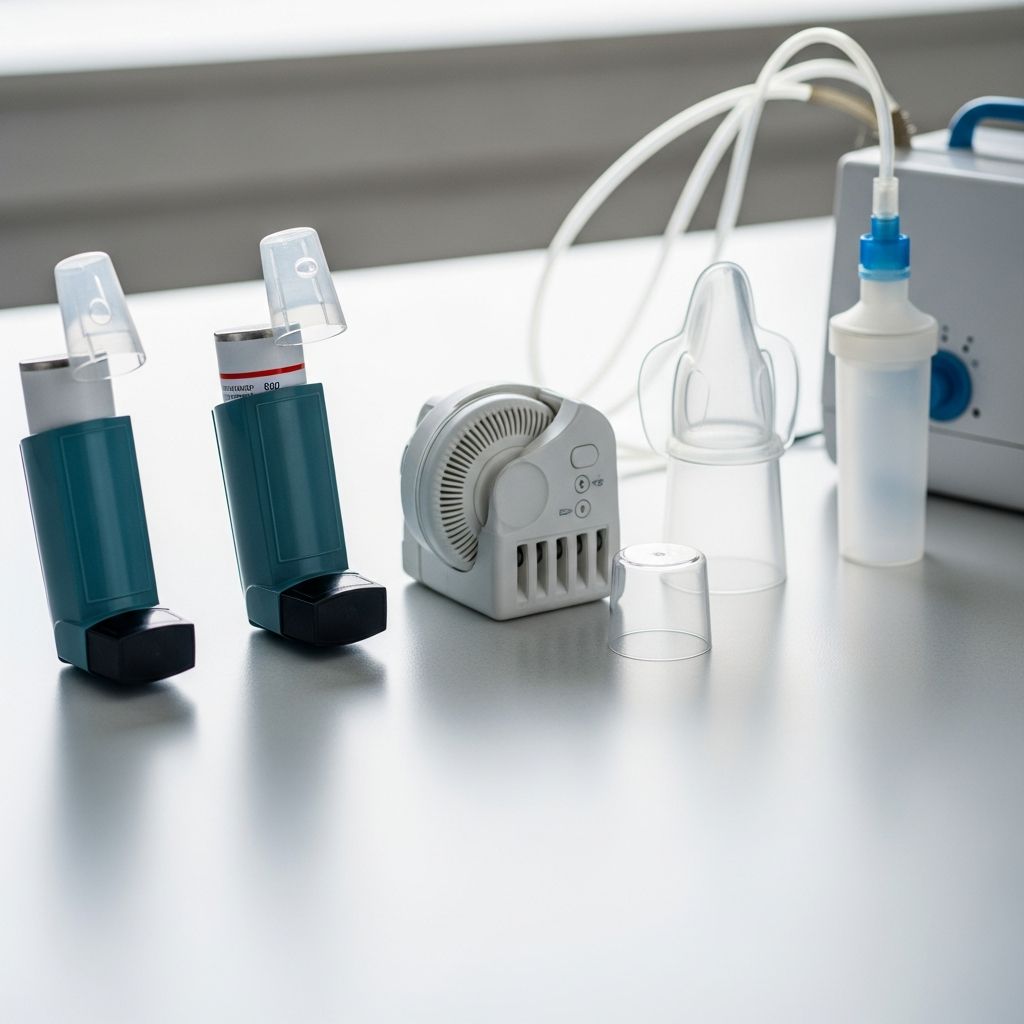
Understanding Inhalers: A Complete Treatment Guide
Inhalers are one of the most common and effective delivery methods for treating respiratory conditions. These portable devices allow medications to be delivered directly to your lungs, providing rapid relief and long-term management of symptoms. Whether you have asthma, chronic obstructive pulmonary disease (COPD), or other respiratory conditions, understanding how inhalers work and how to use them properly is essential for effective treatment and better health outcomes.
What Are Inhalers and How Do They Work?
An inhaler is a medical device that delivers medication directly into your airways and lungs through inhalation. This direct delivery method allows the medication to work quickly and effectively while minimizing systemic side effects. Inhalers are primarily used to treat asthma and COPD, but healthcare providers may also prescribe them for other respiratory conditions, including bronchitis and other lung-related issues. The medication in an inhaler works by either reducing inflammation in the airways, opening constricted airways, or both, depending on the type of medication contained within.
Types of Inhaler Devices
There are three main types of inhaler devices, each with distinct characteristics and usage methods:
Pressurized Metered-Dose Inhalers (pMDIs)
Pressurized metered-dose inhalers, commonly called MDIs, are the most frequently prescribed inhaler devices. These portable devices release a measured dose of medication with each actuation. MDIs use a pressurized canister to propel the medication into your lungs. They are convenient, portable, and easy to carry, making them ideal for quick relief. However, they require proper coordination between pressing the device and inhaling to ensure the medication reaches your lungs effectively. Many patients benefit from using a spacer or chamber with their MDI to improve medication delivery and reduce the need for precise timing.
Dry Powder Inhalers (DPIs)
Dry powder inhalers require you to breathe in quickly and deeply to pull the powdered medication from the device into your lungs. Unlike MDIs, DPIs do not use pressurization, so they depend entirely on your breathing technique. DPIs are typically used for maintenance medications rather than rescue inhalers. They come in various designs, including single-dose and multi-dose devices. The advantage of DPIs is that they eliminate the need for coordination between pressing and inhaling. However, they do require adequate lung capacity and the ability to generate sufficient inspiratory flow. Some people, particularly children or those with severe airflow obstruction, may find DPIs challenging to use.
Soft Mist Inhalers
Soft mist inhalers deliver medication as a slow-moving mist, which provides more time for coordination compared to traditional MDIs. This design can be particularly helpful for patients who have difficulty with the timing required for MDIs. The mist lasts longer in the air, giving you a better chance of inhaling the full dose. These devices are commonly used for maintenance medications and may contain long-acting bronchodilators.
Types of Inhaler Medications
Inhaler medications fall into two main categories: quick-relief medications for acute symptoms and long-term control medications for preventing symptoms and managing chronic conditions.
Quick-Relief Medications
Quick-relief inhalers, also known as rescue inhalers, contain short-acting bronchodilators that work rapidly to open constricted airways during an asthma attack or COPD exacerbation. These medications include short-acting beta-agonists (SABAs) and short-acting muscarinic antagonists (SAMAs or anticholinergics). SABAs work within 15 to 20 minutes and last for four to six hours, making them ideal for emergency relief. Common SABA medications include albuterol and levalbuterol. If you need to use your rescue inhaler more than twice per week, it may indicate that you need additional long-term control medication.
Related Stories



Long-Term Control Medications
Long-term control medications are designed to be used daily to prevent symptoms and reduce the frequency of attacks. These include inhaled corticosteroids (ICS), long-acting bronchodilators, and combination medications. Inhaled corticosteroids reduce inflammation in your airways and are typically used daily to prevent asthma attacks. Common ICS medications include fluticasone, beclomethasone, and mometasone. Long-acting bronchodilators, including long-acting beta-agonists (LABAs) and long-acting muscarinic antagonists (LAMAs), last 12 to 24 hours depending on the specific medication. These are typically taken twice daily to maintain open airways and prevent symptoms throughout the day.
Combination Medications
Many patients benefit from combination inhalers that contain multiple medications in a single device. Common combinations include ICS with LABAs, LABAs with LAMAs, or triple combinations containing ICS, LABAs, and LAMAs. These combination inhalers simplify treatment regimens and improve patient compliance by reducing the number of devices needed.
Conditions Treated with Inhalers
While inhalers are most commonly used to treat asthma and COPD, healthcare providers prescribe them for various other respiratory and non-respiratory conditions. In addition to asthma and COPD management, inhalers may be prescribed for respiratory infections like acute bronchitis, to prevent exercise-induced asthma symptoms, and for other lung conditions. Some specialized dry powder inhalers contain medications for conditions beyond traditional respiratory diseases, expanding the therapeutic applications of inhalation therapy.
How to Use Your Inhaler Properly
Proper inhaler technique is crucial for ensuring you receive the full benefit of your medication. While specific instructions vary depending on your device type, general guidelines apply to most inhalers:
General Steps for Using an Inhaler
Step 1: Preparation – Remove the cap from your inhaler and shake it well for about 5 seconds. This ensures the medication is properly mixed and ready for delivery. For MDIs, priming may be necessary before the first use or if the inhaler hasn’t been used for some time. Priming involves spraying one or more puffs into the air to ensure the device is ready.
Step 2: Positioning – Breathe out completely to empty your lungs. Keep your chin up and position yourself comfortably. If using an MDI, place the mouthpiece between your teeth or hold it about one to two inches from your mouth, depending on your device type.
Step 3: Inhalation – While beginning to breathe in slowly and deeply through your mouth, press down on the inhaler to release the medication. Continue breathing in steadily and deeply for three to five seconds to ensure the medication reaches deep into your lungs.
Step 4: Hold and Breathe – Hold your breath for 10 seconds after inhalation. This allows the medication to settle in your airways and provides maximum benefit.
Step 5: Mouth Care – Rinse your mouth with water after use, especially with inhaled corticosteroids, to prevent oral thrush and other side effects.
Using a Spacer or Chamber
A spacer, also called a holding chamber, is an extension that attaches to your MDI and helps improve medication delivery. The spacer holds the medication in a chamber, giving you more time to coordinate your breathing with the medication release. This device is particularly helpful for children, elderly patients, and anyone who has difficulty with MDI coordination. To use a spacer, attach it to your MDI, actuate the inhaler into the chamber, and then breathe in from the other end, either directly or through a mask. Spacers should be cleaned about once a week by soaking in warm water with mild detergent, then rinsed thoroughly and air dried.
Special Considerations for Dry Powder Inhalers
Using a DPI requires a different technique than MDIs. You must be able to breathe in deeply and quickly to pull the powdered medication into your lungs. Load your dose according to the device instructions, keep your chin up, place the mouthpiece in your mouth, and then breathe in rapidly and deeply. Hold your breath for several seconds. DPIs may not be suitable for young children, elderly individuals with limited lung capacity, or patients with severe airflow obstruction.
Benefits of Using Inhalers
Inhalers offer numerous advantages as a treatment delivery method:
Direct Delivery to Target Site: Medications are delivered directly to your lungs, where they are needed most, allowing for smaller doses and faster action.
Rapid Symptom Relief: Quick-relief inhalers work within minutes, providing fast relief during acute symptoms or emergencies.
Portability and Convenience: Inhalers are compact and portable, making them easy to carry and use anywhere, whether at home, school, or work.
Fewer Systemic Side Effects: Because medications are delivered locally to the lungs rather than absorbed systemically, side effects are often minimized compared to oral medications.
Easy to Use: Most inhalers are relatively simple to use with proper instruction and practice.
Potential Side Effects and Risks
While inhalers are generally safe and well-tolerated, certain side effects and risks may occur depending on the medication type and your individual response:
Inhaled Corticosteroids: Long-term use may increase your risk of infections, so report fever, chills, or sore throat to your healthcare provider immediately. Rinse your mouth after each use to prevent oral thrush.
Short-Acting Beta-Agonists: Overuse may indicate inadequate asthma control and should be discussed with your provider.
Long-Acting Beta-Agonists: These should always be used with an inhaled corticosteroid when treating asthma, as they may increase certain risks when used alone.
General Considerations: Never use your inhaler more frequently than prescribed by your provider. Most inhalers have built-in counters to track your usage. If you feel you need more medication than prescribed, contact your healthcare provider to reassess your treatment plan.
Monitoring Your Inhaler Usage
Keeping track of your inhaler usage is important for several reasons. Most modern inhalers include a dose counter that displays how many doses remain. When the counter reaches zero, it’s time to replace your inhaler. Monitor how frequently you use your rescue inhaler, as increased usage may indicate that your condition is not well-controlled and you may need additional medications or a treatment adjustment. Discuss any concerns about medication usage with your healthcare provider, and work together to develop an asthma action plan tailored to your specific needs.
Common Questions About Inhalers
Q: Can I use an inhaler prescribed for someone else?
A: No. You should only use an inhaler that has been specifically prescribed for you. Your prescription is based on your individual medical history, condition severity, and specific needs. Using someone else’s inhaler could be ineffective or potentially harmful.
Q: What should I do if my rescue inhaler doesn’t relieve my symptoms?
A: If your symptoms don’t improve after using your rescue inhaler or continue to worsen, call your healthcare provider immediately. This may indicate a more serious asthma attack requiring emergency care.
Q: How often should I clean my inhaler device?
A: Clean the mouthpiece of your MDI regularly to prevent medication buildup. If you use a spacer, clean it about once a week by soaking in warm soapy water, rinsing thoroughly, and air drying completely before use.
Q: Can children use inhalers?
A: Yes, children can use inhalers, though the specific device type depends on their age and ability. Young children often benefit from using spacers with MDIs to improve medication delivery. Discuss the best option with your child’s healthcare provider.
Q: What is the difference between a rescue and maintenance inhaler?
A: A rescue inhaler provides quick relief during acute symptoms or asthma attacks, working within minutes. A maintenance inhaler is used daily to prevent symptoms and control chronic inflammation, with effects that build over time.
Q: How do I know if I’m using my inhaler correctly?
A: Ask your healthcare provider or pharmacist to demonstrate proper technique, and have them observe you using the device to provide feedback. If you feel like your inhaler isn’t working effectively, discuss alternative devices or delivery methods with your provider.
Developing Your Asthma Action Plan
Working with your healthcare provider to develop a personalized asthma action plan is essential for effective management. Your action plan should clearly outline what medications to take daily, how to use your rescue inhaler, what triggers to avoid, and what to do if your symptoms worsen. Understanding the different zones—green (asthma is controlled), yellow (asthma is getting worse), and red (medical emergency)—helps you respond appropriately to changing symptoms and know when to seek emergency care.
Conclusion
Inhalers are highly effective and convenient devices for managing respiratory conditions like asthma and COPD. Understanding the different types of inhalers, the medications they contain, and proper usage techniques is crucial for maximizing treatment benefits and maintaining optimal respiratory health. Regular communication with your healthcare provider, proper device maintenance, and consistent adherence to your prescribed regimen will help ensure you get the most benefit from your inhaler therapy. If you have questions about your inhaler or feel it’s not working effectively, don’t hesitate to discuss alternative options with your healthcare team.
References
- Inhalers: Overview, Types, Dosing & How To Use — Cleveland Clinic. 2024. https://my.clevelandclinic.org/health/treatments/8694-inhalers
- Bronchodilators: Asthma, Purpose, Types & Side Effects — Cleveland Clinic. 2024. https://my.clevelandclinic.org/health/treatments/17575-bronchodilator
- Managing Adult Asthma: The 2019 GINA Guidelines — Cleveland Clinic Journal of Medicine. 2019. https://www.ccjm.org/content/87/9/569
- Using Metered Dose Inhaler — Cleveland Clinic Abu Dhabi. 2024. https://www.clevelandclinicabudhabi.ae/en/health-hub/health-resource/medication-devices-and-supplements/how-to-use-a-metered-dose-inhaler
- Treatment Guidelines for Asthma — Cleveland Clinic Medical Education. 2004. https://www.clevelandclinicmeded.com/medicalpubs/pharmacy/janfeb2004/table2.htm
Similar Articles








Read full bio of Sneha Tete