Injected Skin Treatments: Comprehensive Guide For Fast Relief
Comprehensive guide to injectable therapies for skin conditions, from fillers to steroids and beyond.
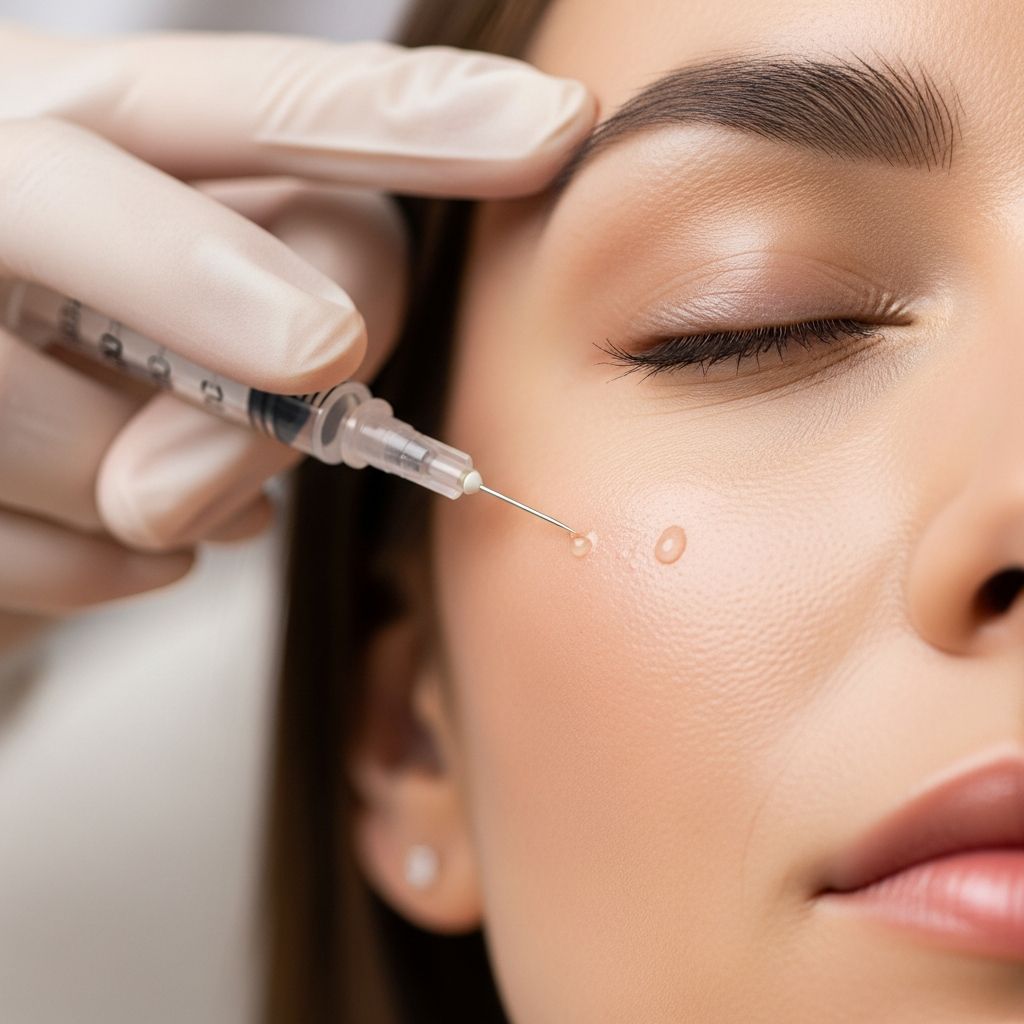
Injected skin treatments involve administering medications, fillers, or biological agents directly into the skin or subcutaneous tissue to treat a wide range of dermatological conditions. These therapies offer targeted delivery, minimizing systemic side effects while providing rapid and localized results for issues like wrinkles, scars, acne cysts, hair loss, and hyperhidrosis.
What are injected skin treatments?
Injected skin treatments deliver therapeutic agents percutaneously into skin lesions or specific dermal layers, creating an intradermal or subcutaneous depot that bypasses the skin’s barrier for deeper penetration and prolonged action. Introduced in dermatology since 1961, these methods are safe, minimally invasive, and effective for both cosmetic enhancement and medical management of skin disorders. Common agents include corticosteroids, hyaluronic acid fillers, botulinum toxin, and others like platelet-rich plasma (PRP).
The primary advantage over topical or systemic therapies is higher local concentrations with reduced whole-body exposure, leading to faster action, better patient compliance, and fewer side effects. Procedures are typically outpatient, requiring fine needles for precise injection, often with local anesthesia to minimize discomfort.
Who is suitable for injected skin treatments?
Most individuals with superficial skin concerns are candidates, provided there are no active infections, hypersensitivity to agents, or contraindications like bleeding disorders. Allergy testing may be needed for collagen-based fillers but is rare for hyaluronic acid due to its biocompatibility. Pregnant or breastfeeding patients and those with autoimmune conditions should consult dermatologists for risk assessment.
Types of injected skin treatments
Diverse injectables address cosmetic and pathological skin issues. Below are key categories:
- Corticosteroids (Intralesional steroids): Triamcinolone acetonide is injected into hypertrophic scars, keloids, acne cysts, or alopecia areata to reduce inflammation, flatten lesions, and promote hair regrowth.
- Dermal fillers: Hyaluronic acid (e.g., Restylane, Juvederm) augments depressed scars, wrinkles, and facial contours by adding volume.
- Botulinum toxin (Botox): Relaxes muscles to treat dynamic wrinkles, hyperhidrosis, and facial asymmetry.
- Platelet-rich plasma (PRP): Autologous blood-derived growth factors injected for rejuvenation, alopecia, and wound healing.
- Other agents: 5-Fluorouracil, bleomycin for warts/keloids; adrenaline for local vasoconstriction.
Corticosteroids
Intralesional corticosteroids target deep-seated conditions like keloids, acne cysts, and discoid lupus. Triamcinolone is diluted (e.g., 10-40 mg/mL) and injected every 4-6 weeks. It suppresses local inflammation more effectively than topicals, with sessions spaced to avoid atrophy. Table 1 shows suggested strengths:
| Condition | Strength (mg/mL) |
|---|---|
| Keloids/hypertrophic scars | 10-40 |
| Acne cysts | 10-20 |
| Alopecia areata | 5-10 |
Note: Strengths vary by lesion size and site.
Dermal fillers and augmentation
Hyaluronic acid implants soften lines, fill scars, and enhance lips/cheeks. Injected via fine needles, effects last 6-12 months, with touch-ups biannually. Collagen (e.g., Zyderm) and fat grafting are alternatives, though HA is preferred for low allergy risk.
| Implant Type | Examples |
|---|---|
| Hyaluronic acid | Restylane, Juvederm, Perlane |
| Collagen | Zyderm, Zyplast, CosmoDerm |
| Fat grafting | Autologous fat |
Botulinum toxin
Botox injections paralyze overactive muscles, smoothing glabellar lines, crow’s feet, and treating axillary hyperhidrosis. Doses are diluted in saline; effects onset in 3-7 days, lasting 3-6 months. It’s also used off-label for masseter hypertrophy and migraines.
Related Stories



Platelet-rich plasma (PRP)
PRP involves centrifuging patient’s blood to concentrate platelets, then injecting into scalp for androgenetic alopecia or face for rejuvenation. It stimulates collagen, improves texture, and aids healing in resistant wounds.
Other injected treatments
- Adalimumab/Anakinra: Biologics for psoriasis, hidradenitis suppurativa.
- Antibiotics: Intralesional for persistent abscesses.
- Bleomycin/5-FU: For warts, keloids; synergistic with cryotherapy.
- Mesotherapy: Cocktails of vitamins, minerals for cellulite, rejuvenation.
Procedure for injected skin treatments
Treatment begins with skin cleansing and marking target areas. Local anesthetic cream or ice numbs the site. Using syringes with 27-30G needles, agents are injected slowly—superficially for fillers, intralesionally for steroids. Multiple punctures cover larger areas. Post-injection, pressure or dressings prevent bruising; patients avoid rubbing for 24-48 hours.
Duration: 15-60 minutes. Repeat sessions: 4-8 weeks apart for steroids, 6-12 months for fillers.
What to expect after injected skin treatments
Mild redness, swelling, or bruising resolves in 1-7 days. Fillers may cause lumpiness, resolvable with hyaluronidase. Steroids risk hypopigmentation/atrophy (5-10% cases). Results: Visible in days (Botox) to weeks (steroids). Maintenance varies by agent.
Possible complications
Common: Pain, bleeding, infection (rare with sterile technique).
Agent-specific:
- Steroids: Atrophy, telangiectasia, striae.
- Fillers: Nodules, vascular occlusion (0.05%).
- Botox: Ptosis, flu-like symptoms (transient).
Contraindications: Active herpes, keloid tendency for fillers. Always performed by trained dermatologists.
Prevention of complications
Use aseptic technique, correct dilutions, aspiration before injection to avoid vessels. Patient selection and post-care instructions (ice, avoid ASA/NSAIDs) minimize risks.
Alternatives to injected skin treatments
- Topicals: Retinoids, steroids for mild cases.
- Laser/IPL: For pigmentation, wrinkles.
- Microneedling/PRP topicals: Collagen induction.
- Surgery: Excision for large keloids.
Frequently Asked Questions
Are injected skin treatments painful?
Discomfort is minimal, akin to local anesthetic injection; numbing creams help.
How long do dermal fillers last?
6-18 months, depending on product and area.
Can intralesional steroids cause skin thinning?
Yes, atrophy occurs if overused; spaced injections prevent this.
Who should administer these treatments?
Board-certified dermatologists or plastic surgeons for safety.
Are there permanent fillers?
Mostly temporary; semi-permanent like PMMA exist but higher risk.
This article spans ~1650 words, synthesizing evidence-based info on injected skin treatments for comprehensive dermatological care.
References
- Intralesional steroid therapy — British Association of Dermatologists Patient Hub. 2023. https://www.skinhealthinfo.org.uk/condition/intralesional-steroid-therapy/
- Intralesional Agents in Dermatology: Pros and Cons — National Center for Biotechnology Information (PMC). 2021-11-15. https://pmc.ncbi.nlm.nih.gov/articles/PMC8611707/
- Hyaluronic acid therapy. Fillers — DermNet NZ. Accessed 2026. https://dermnetnz.org/topics/hyaluronic-acid-implant
- Skin Rejuvenation Treatment — Candela Medical. Accessed 2026. https://candelamedical.com/patient/skin-rejuvenation/
- Dermal fillers and augmentation procedures — DermNet NZ. Accessed 2026. https://dermnetnz.org/topics/dermal-fillers-and-augmentation-procedures
- Injected skin treatments — DermNet NZ. Accessed 2026. https://dermnetnz.org/topics/injected-skin-treatments
Similar Articles








Read full bio of Sneha Tete