Inositol: Benefits, Uses, Dosage, and Side Effects
Discover the science-backed benefits of inositol for PCOS, metabolic syndrome, mental health, and more, including dosage and safety info.
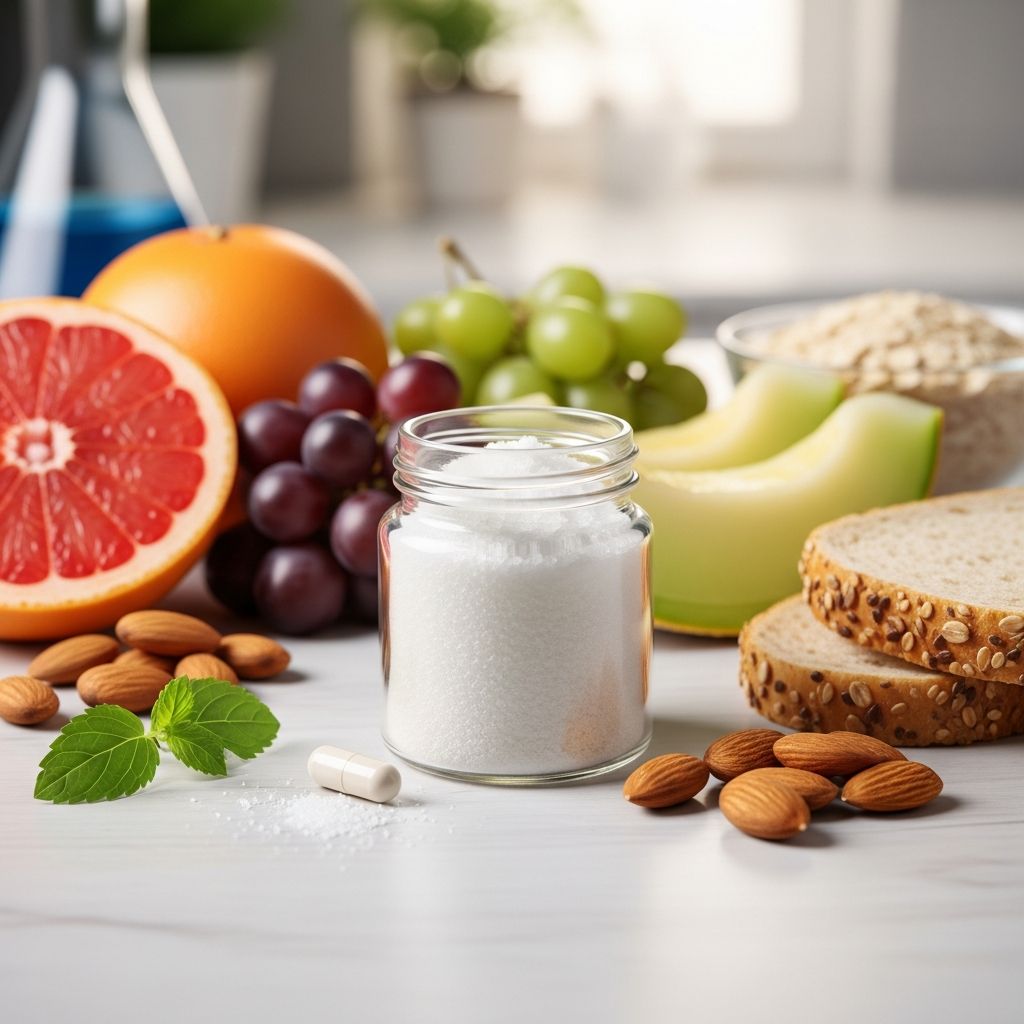
Inositol is a naturally occurring sugar alcohol, often called vitamin B8, though it’s not a true vitamin. It plays key roles in cell structure, insulin signaling, and neurotransmitter function, making it a popular supplement for metabolic and mental health conditions.
What Is Inositol?
Inositol exists in nine forms, with myo-inositol and D-chiro-inositol being the most studied for health benefits. It forms a major component of cell membranes and influences insulin action and brain chemicals like serotonin and dopamine. The average U.S. diet provides about 1 gram daily from grains, beans, nuts, and fruits, but supplements use higher doses up to 18 grams with minimal side effects.
Unlike vitamins, the body synthesizes inositol from glucose, but deficiencies can occur in conditions like PCOS or diabetes. It’s distinct from inositol nicotinate (a niacin form) or IP-6 (phytic acid).
Health Benefits of Inositol
Research supports inositol for several conditions, particularly those involving insulin resistance and hormonal imbalances. Here’s a breakdown of key evidence-based uses:
- Polycystic Ovary Syndrome (PCOS): Inositol improves insulin sensitivity, lowers triglycerides, blood pressure, and blood sugar, while boosting ovulation and pregnancy rates in women with PCOS. Combining myo-inositol with folic acid induced ovulation in 62% of women after 3 months. Meta-analyses confirm reductions in fasting insulin and HOMA-IR (insulin resistance index).
- Metabolic Syndrome: Taking 2-4 grams daily reduces triglycerides by 34%, total cholesterol by 22%, blood pressure, and blood sugar. About 20% of users no longer met metabolic syndrome criteria after one year. It targets excess abdominal fat, high triglycerides, low HDL, hypertension, and hyperglycemia.
- Mental Health: Inositol balances serotonin and dopamine, potentially aiding depression, anxiety, panic disorder, bipolar disorder, and OCD. Studies show lower brain inositol levels in these conditions, and high doses (up to 18g) reduce symptoms with fewer side effects than medications.
- Fertility and Hormonal Balance: In PCOS, it regularizes cycles, reduces hyperandrogenism, and improves acne. A 40:1 ratio of myo- to D-chiro-inositol is often recommended.
- Other Uses: Preliminary evidence for preterm infant respiratory distress, type 1 diabetes blood sugar control, and BMI reduction. A meta-analysis found positive effects on BMI. Cardiometabolic benefits include better insulin resistance and lipids, though evidence certainty varies.
How Inositol Works
Inositol acts as a second messenger in insulin signaling, enhancing glucose uptake and reducing resistance. In the brain, it modulates neurotransmitters, explaining mental health effects. For PCOS, it lowers androgens and improves ovarian function.
| Condition | Key Mechanism | Typical Dose | Evidence Level |
|---|---|---|---|
| PCOS | Insulin sensitization, ovulation promotion | 2-4g/day myo-inositol | Strong (meta-analyses) |
| Metabolic Syndrome | Lipid/blood sugar reduction | 4g/day | Moderate-Strong |
| Depression/Anxiety | Neurotransmitter balance | 12-18g/day | Promising |
| BMI/Weight | Metabolic improvement | Variable | Emerging |
Inositol Dosage: How Much Should You Take?
Dosages vary by condition: 2-4 grams daily for PCOS/metabolic issues (often split doses); 12-18 grams for mental health. Start low and consult a provider. Myo-inositol is most common; combine with D-chiro for PCOS at 40:1 ratio. No standard RDA exists, but dietary intake suffices for healthy people.
Food Sources of Inositol
Increase intake naturally through:
- Grains (wheat germ, brown rice)
- Beans and legumes
- Nuts (almonds, walnuts)
- Fruits (oranges, cantaloupe)
- Vegetables (green beans, broccoli)
Supplements provide concentrated doses when diet falls short.
Side Effects and Safety
Inositol is possibly safe up to 10-18 weeks at high doses, causing mild issues like gas, diarrhea, or nausea. Topical use lacks safety data. Precautions: Possibly safe orally for most adults; limited data for pregnancy/breastfeeding. Discuss with a doctor, especially if diabetic or on insulin.
Who Should Take Inositol Supplements?
- Women with PCOS seeking fertility/metabolic support
- Those with metabolic syndrome or insulin resistance
- Individuals with depression/anxiety unresponsive to standard treatments
- Preterm infants (under medical supervision)
Related Stories



Not a first-line treatment; best as adjunct therapy.
Frequently Asked Questions (FAQs)
Is inositol safe for long-term use?
Short-term (up to 18 weeks) is well-tolerated; long-term data is limited but promising at moderate doses. Monitor with a healthcare provider.
Can inositol help with weight loss?
It may reduce BMI via metabolic improvements, especially in PCOS/metabolic syndrome, per systematic reviews.
What’s the best form of inositol for PCOS?
Myo-inositol alone or with D-chiro-inositol (40:1 ratio) shows strongest evidence for ovulation and insulin benefits.
Does inositol interact with medications?
May enhance insulin effects; caution with diabetes drugs. No major interactions reported, but consult a doctor.
How long does it take for inositol to work for PCOS?
Improvements in cycles/ovulation often seen in 3-6 months.
Final Thoughts on Inositol
Inositol offers versatile, evidence-based support for insulin-related and mental health issues with a strong safety profile. While diet provides basics, supplements fill gaps for therapeutic needs. Always prioritize professional guidance for personalized use.
References
- Inositol – Uses, Side Effects, and More — WebMD. 2024. https://www.webmd.com/vitamins/ai/ingredientmono-299/inositol
- Inositol: Benefits, Side Effects and Dosage — Healthline. 2023-10-11. https://www.healthline.com/nutrition/inositol
- Do You Know About Inositol? Learn the 6 Evidence-Based Uses — Rupa Health. 2024. https://www.rupahealth.com/post/do-you-know-about-inositol-learn-the-6-evidence-based-uses-for-this-powerful-nutrient
- Inositol supplementation efficacy in improving key cardiometabolic risk factors — PMC (PubMed Central). 2024. https://pmc.ncbi.nlm.nih.gov/articles/PMC12574088/
- Myo-inositol effects in women with PCOS: a meta-analysis — PMC (PubMed Central). 2017. https://pmc.ncbi.nlm.nih.gov/articles/PMC5655679/
- Inositol supplementation and body mass index: A systematic review and meta-analysis — Wiley Online Library. 2023. https://onlinelibrary.wiley.com/doi/full/10.1002/osp4.569
Similar Articles








Read full bio of medha deb