Inositol: A Practical Guide To Benefits, Dosage, And Safety
Comprehensive guide to inositol supplementation: benefits, dosages, and safety information.
What Is Inositol?
Inositol, commonly referred to as vitamin B8, is a naturally occurring substance that has gained considerable attention in the health and wellness community as a dietary supplement. This carbohydrate-like compound plays a crucial role in various physiological processes within the human body, serving as a fundamental component of cell membranes and participating in cellular signaling pathways. Inositol exists in multiple forms, with myo-inositol and D-chiro-inositol being among the most studied variants for therapeutic applications.
As a pseudovitamin, inositol is involved in critical functions including neurotransmitter modulation, insulin sensitivity regulation, and the synthesis of phospholipids essential for cell structure. While the body can naturally produce inositol, supplementation has become increasingly popular for addressing specific health concerns where endogenous production may be insufficient or where therapeutic doses are required for potential therapeutic benefits.
Principal Uses of Inositol
Inositol supplements are primarily promoted for managing several psychological and metabolic health conditions. The supplement has been studied extensively for its potential to support mental health and metabolic function, with some applications backed by more robust evidence than others.
Mental Health Support
One of the most well-researched applications of inositol is for mood and anxiety-related disorders. Research suggests that individuals experiencing depression may have lower-than-normal levels of inositol in their cerebrospinal fluid. Since inositol participates in serotonin action—a neurotransmitter critical to mood regulation—supplementation has been proposed as a potential therapeutic approach. Preliminary evidence indicates that inositol may be helpful for depression, though additional research continues to accumulate.
Inositol has also demonstrated promise for panic disorder and anxiety conditions. In a notable study examining four weeks of 18 grams of myo-inositol daily, the supplement proved more effective than selective serotonin reuptake inhibitors (SSRIs) or benzodiazepines in preventing panic episodes, while simultaneously causing fewer adverse side effects. This finding positions inositol as a potentially valuable option for individuals seeking natural alternatives to conventional pharmaceutical interventions for anxiety management.
Metabolic Syndrome Management
Metabolic syndrome represents a cluster of risk factors that significantly elevate the likelihood of developing chronic diseases, including type 2 diabetes, cardiovascular disease, and stroke. This syndrome is characterized by several interconnected conditions affecting blood pressure, triglyceride levels, cholesterol metabolism, and blood glucose regulation.
Research suggests that inositol supplementation may help manage these metabolic risk factors. By taking inositol supplements, individuals may experience improvements in blood pressure regulation, triglyceride levels, cholesterol profiles, and blood sugar control. However, it is important to note that while promising, more comprehensive research is needed to establish definitive efficacy and optimal protocols for metabolic syndrome management using inositol.
Polycystic Ovary Syndrome (PCOS)
Among all proposed uses of inositol, polycystic ovary syndrome (PCOS) treatment represents one of the most well-supported applications. According to two double-blind clinical studies involving nearly four hundred participants, inositol supplementation demonstrated significant benefits for various PCOS symptoms. These improvements included enhanced fertility outcomes and better management of weight gain—two major concerns for individuals living with PCOS.
Related Stories



The mechanism by which inositol supports PCOS management appears related to its role in insulin sensitivity. By improving the body’s ability to process and respond to insulin, inositol may help regulate hormonal imbalances characteristic of PCOS, thereby reducing symptoms and potentially improving reproductive function.
Standard therapeutic protocols for PCOS typically involve either 1.2 grams of D-chiro-inositol administered once daily, or 2 grams of myo-inositol combined with 200 micrograms of folic acid taken twice daily for approximately six months. This evidence base makes inositol a frequently recommended complementary approach in PCOS management plans.
Additional Health Applications
Beyond the primary uses detailed above, inositol has been investigated for numerous other health conditions, though these applications generally have less extensive scientific support.
Blood Sugar Management and Diabetes
Inositol’s role in insulin sensitivity extends to diabetes management. D-chiro-inositol, when combined with folic acid, has been shown to increase insulin sensitivity in individuals with type 1 diabetes. Patients receiving this combination demonstrated lower average blood sugar levels, measured as HbA1c, compared to control groups. This suggests potential value in comprehensive diabetes management strategies, though inositol should never replace conventional diabetes medications without medical guidance.
Lithium-Related Psoriasis
A small double-blind study found that inositol supplements could effectively reduce symptoms of psoriasis triggered or exacerbated by lithium use. This application is particularly valuable for psychiatric patients requiring lithium therapy who experience medication-induced dermatological complications. The standard dose for this indication is typically 6 grams daily.
Diabetic Neuropathy
Inositol has been proposed as a treatment for diabetic neuropathy—nerve damage resulting from prolonged high blood sugar levels. While research in this area continues, the mechanism may relate to inositol’s role in nerve cell function and cellular signaling.
Other Proposed Uses
Inositol has also been investigated for potential benefits in Alzheimer’s disease, attention deficit hyperactivity disorder (ADHD), bulimia, cancer prevention, obsessive-compulsive disorder, premenstrual syndrome, post-traumatic stress disorder, and insomnia. However, these applications currently lack sufficient scientific evidence for confident recommendations. A small double-blind study examining severe premenstrual dysphoric disorder failed to find inositol helpful, suggesting that efficacy varies across conditions.
Recommended Dosages
Inositol dosing varies significantly depending on the intended use and the specific form of inositol being utilized. In clinical research, inositol dosages have ranged up to 60 grams daily for experimental purposes, though therapeutic doses typically fall between 1 and 4 grams daily for general health support.
Well-established therapeutic dosages for specific conditions include:
| Health Condition | Recommended Dosage | Duration |
|---|---|---|
| Metabolic Syndrome | 2 grams daily | As directed by healthcare provider |
| Polycystic Ovary Syndrome (PCOS) | 2 grams myo-inositol with 200 mcg folic acid twice daily | 6 months |
| Lithium-Related Psoriasis | 6 grams daily | As directed by healthcare provider |
| Panic and Anxiety Disorders | 12-18 grams daily | 4-6 weeks minimum |
| Mental Health Conditions (General) | 12-18 grams daily | 4-6 weeks |
It is essential to note that inositol has demonstrated safety for use of up to ten weeks at therapeutic dosages. However, specific populations may require modified approaches or additional monitoring. Always consult with a qualified healthcare provider to determine the appropriate dosage for your individual circumstances and health profile.
Safety and Side Effects
Healthcare providers generally consider inositol a safe supplement when taken in low to moderate doses for short-term use (up to 10 weeks). Clinical trials have demonstrated that inositol at doses up to 80 mg/kg daily for 7-10 weeks is well tolerated, with no significant increase in adverse events compared to placebo groups.
Common Side Effects
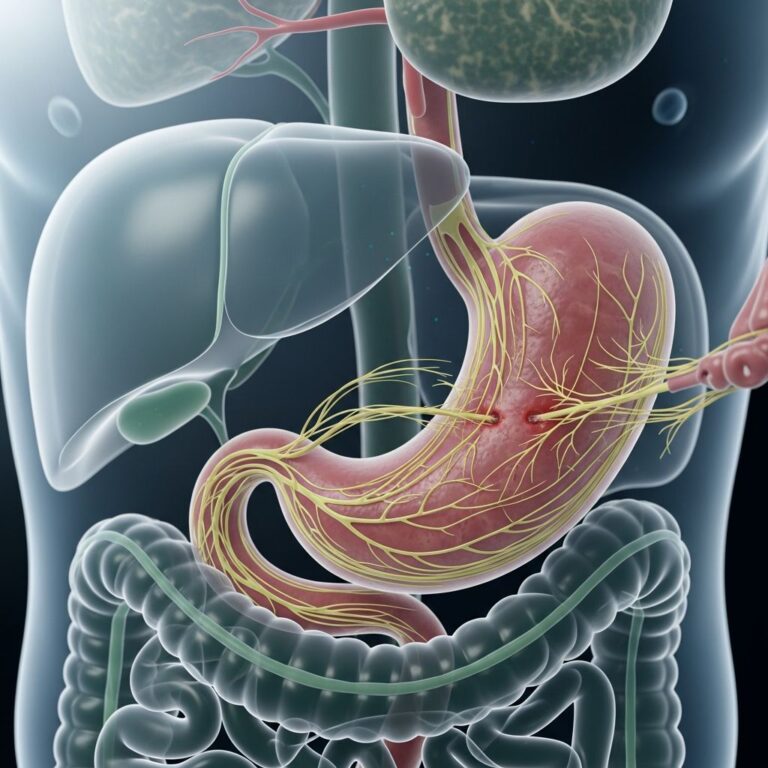
While generally well-tolerated, some individuals may experience mild gastrointestinal and neurological side effects, particularly at higher doses. These may include:
– Diarrhea- Nausea- Headaches- Dizziness- Fatigue
These side effects are typically mild and often diminish as the body adjusts to supplementation. Starting with lower doses and gradually increasing them can minimize the likelihood of experiencing these effects.
Special Populations and Precautions
Certain populations require special caution when considering inositol supplementation. Individuals with bipolar disorder should exercise particular care, as inositol’s effects on neurotransmitter systems may interact with bipolar pathophysiology. Similarly, people with diabetes should consult their healthcare providers before starting inositol, particularly if they are taking medications that affect blood sugar levels, to avoid unexpected interactions or hypoglycemic episodes.
It is crucial to understand that inositol supplements should not replace prescribed medications without explicit guidance from a healthcare provider. In many cases, inositol may be added to existing treatment plans as a complementary approach rather than serving as a primary therapeutic intervention.
Important Considerations
Before starting any inositol supplementation regimen, several important factors warrant consideration:
– Consult with your healthcare provider, particularly if you take medications or have existing health conditions- Discuss potential interactions with other supplements or medications- Ensure that inositol is appropriate for your specific health condition- Understand that evidence quality varies significantly across different proposed uses- Do not discontinue prescribed medications in favor of inositol supplementation without medical guidance- Monitor for any adverse reactions or unexpected changes in your health status- Consider that more research is ongoing for many proposed applications
Frequently Asked Questions
Q: Is inositol the same as vitamin B8?
A: While inositol is sometimes referred to as vitamin B8, it is technically classified as a pseudovitamin rather than a true vitamin. The body can synthesize inositol from glucose, distinguishing it from essential vitamins that must be obtained through diet.
Q: How long does it take to see results from inositol supplementation?
A: The timeline for experiencing benefits varies depending on the health condition being addressed and individual factors. Some studies show measurable improvements within 4-6 weeks, while others may require longer periods of consistent supplementation, particularly for conditions like PCOS where treatment duration of 6 months is often recommended.
Q: Can inositol be taken long-term?
A: While inositol is generally safe for up to 10 weeks, long-term safety data remains limited. Extended use should only be undertaken under healthcare provider supervision with regular monitoring for potential adverse effects.
Q: Are there any dietary sources of inositol?
A: Yes, inositol is naturally found in various foods, particularly in animal tissues, fruits, legumes, and grains. However, dietary amounts may be insufficient for therapeutic purposes, which is why supplementation is often recommended.
Q: Can inositol interact with medications?
A: Inositol may potentially interact with certain medications, particularly those affecting blood sugar levels or psychiatric medications. Always inform your healthcare provider about any supplements you are taking to assess possible interactions.
Q: What is the difference between myo-inositol and D-chiro-inositol?
A: These are two different forms of inositol with varying biological activities. Myo-inositol is the most abundant form in foods and appears more beneficial for PCOS when combined with folic acid. D-chiro-inositol shows promise for diabetes management and insulin sensitivity when combined with folic acid. The optimal form and combination depends on the specific health condition being addressed.
References
- Inositol as a Dietary Supplement — EBSCO Research Starters. 2024. https://www.ebsco.com/research-starters/complementary-and-alternative-medicine/inositol-dietary-supplement
- Safety and Pharmacokinetics of Multiple Dose Myo-Inositol in Preterm Infants — Nature Pediatric Research. 2012. https://www.nature.com/articles/pr201697
- Inositol: Benefits and Side Effects — Cleveland Clinic. 2024. https://my.clevelandclinic.org/health/drugs/25173-inositol
- Inositol: Health Benefits and Side Effects — WebMD. 2024. https://www.webmd.com/diet/health-benefits-inositol
- Inositol — Britannica Encyclopedia. 2024. https://www.britannica.com/science/inositol
Similar Articles








Read full bio of Sneha Tete