INR Meters: Portable Coagulation Monitoring Devices
Essential devices for managing anticoagulation therapy and preventing blood clots safely.
Understanding INR Testing Technology
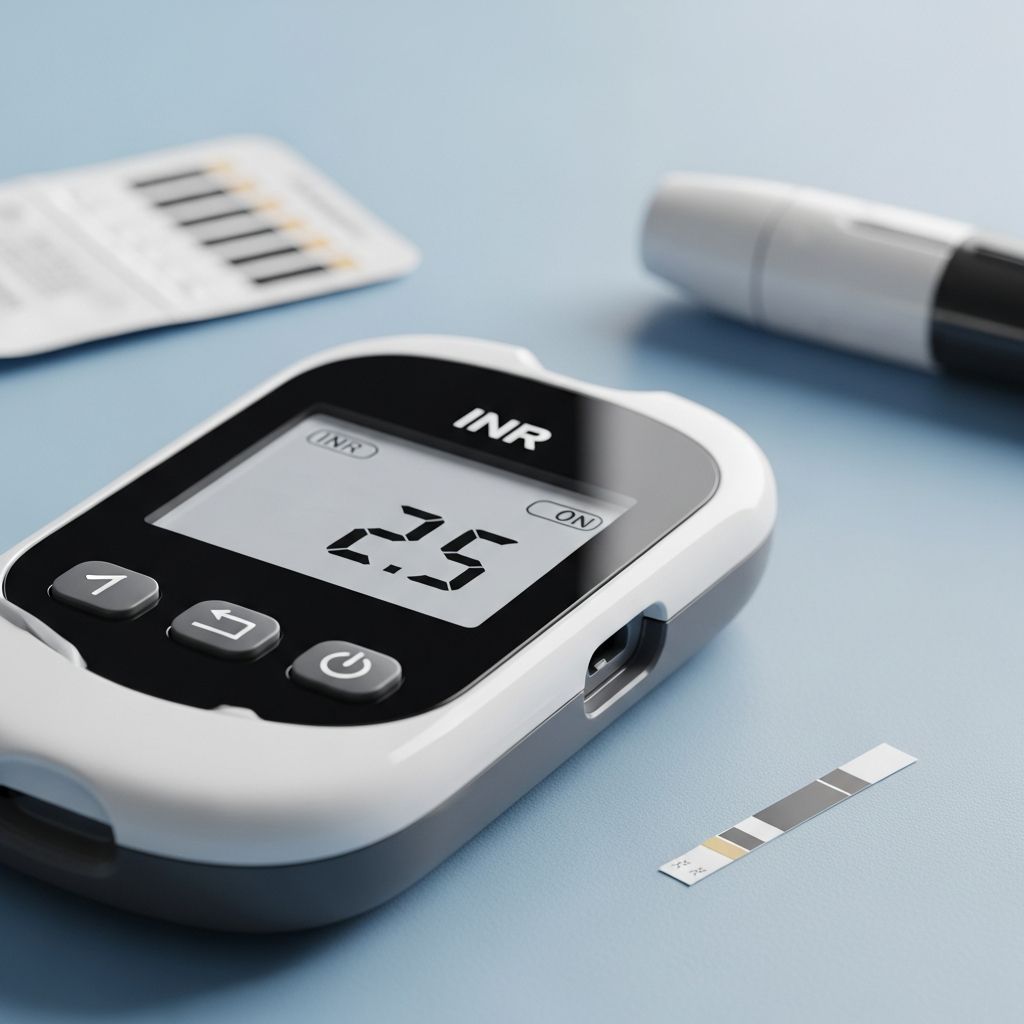
An INR meter is a handheld, battery-powered diagnostic device designed to assess how quickly blood clots in patients undergoing anticoagulation therapy. Healthcare providers and patients use these portable instruments to evaluate the effectiveness of blood-thinning medications, particularly warfarin and other vitamin K antagonists. The device displays results on a screen and accommodates specially designed test strips that contain dried clotting reagents.
The term INR stands for International Normalized Ratio, a standardized measurement developed by the World Health Organization to create consistency across different laboratory testing environments and devices. This standardization is critical because variations in reagent potency, device sensitivity, and testing procedures can otherwise produce significantly different results. By using the INR calculation method, healthcare providers can confidently compare test results regardless of which laboratory or device performed the analysis.
The Science Behind Blood Clotting Measurement
INR meters operate by measuring prothrombin time (PT), which quantifies the duration required for blood plasma to form a clot under controlled laboratory conditions. When a blood sample contacts the dried reagents on a test strip, a cascade of biochemical reactions initiates the coagulation process. The meter’s detection system identifies the exact moment when blood transitions from liquid to solid state, typically measured in seconds.
The device applies a sophisticated calculation to convert raw PT measurements into standardized INR values. This conversion formula accounts for the International Sensitivity Index (ISI), a factor that reflects the responsiveness of the specific thromboplastin reagent used in the test strip. The resulting INR value is dimensionless and allows direct comparison across different testing platforms and geographical locations.
Key Components of Measurement
- Prothrombin time expressed in seconds
- Control PT value from normal reference population
- International Sensitivity Index adjustment factor
- Standardized calculation formula generating INR result
Operational Mechanics of INR Devices
Using an INR meter involves a straightforward but precise procedure. A patient inserts a meter-specific test strip into the device’s opening, which contains pre-dried clotting reagents and calcium. The healthcare provider or patient then uses a small medical needle called a lancet to obtain a small blood sample, typically from a finger stick. This droplet of blood is applied directly to the test strip.
The blood sample reconstitutes the dried reagents, initiating an immediate clotting cascade in the presence of calcium and tissue factor. Various endpoint detection systems within the meter monitor this clotting process. Some devices use optical detection methods, while others employ electrochemical measurements to identify precisely when blood coagulation reaches completion. Modern devices can generate results in minutes, making them ideal for point-of-care testing.
Clinical Applications and Patient Populations
INR monitoring proves essential for specific patient populations requiring precise anticoagulation management. These devices are primarily used for individuals taking warfarin, a widely prescribed oral anticoagulant that requires regular dose adjustments based on INR results. Beyond warfarin, INR testing applies to other vitamin K antagonists and guides management decisions for patients with various thromboembolic conditions.
Primary Indications for INR Testing
- Patients receiving warfarin therapy requiring dose optimization
- Individuals with atrial fibrillation at risk for stroke
- Persons with mechanical heart valve replacements
- Patients with history of deep vein thrombosis or pulmonary embolism
- Those with inherited coagulation disorders
- Individuals requiring extended thromboembolism prevention
Related Stories



Healthcare providers establish individualized INR target ranges based on each patient’s specific clinical condition and risk factors. These target ranges guide medication dosing decisions, ensuring therapeutic efficacy while minimizing bleeding complications.
Interpreting INR Results and Therapeutic Ranges
Understanding INR values is fundamental for safe anticoagulation management. Each INR measurement falls within a spectrum that indicates whether current medication dosing is appropriate, excessive, or insufficient. The interpretation of results directly influences clinical decision-making regarding warfarin dose adjustments and patient safety monitoring.
| INR Range | Clinical Status | Associated Risk | Clinical Implication |
|---|---|---|---|
| 0.8–1.1 | Normal (non-anticoagulated) | Low | Baseline clotting function |
| 2.0–3.0 | Therapeutic (standard indication) | Balanced | Appropriate warfarin dosing |
| 2.5–3.5 | Therapeutic (mechanical valves) | Moderate | Higher bleeding risk requirement |
| <2.0 | Under-anticoagulated | Thromboembolism | Insufficient medication effect |
| >3.0 | Over-anticoagulated | Hemorrhage | Excessive medication effect |
| >4.9 | Critically elevated | Severe bleeding | Medical intervention required |
Most patients without mechanical heart valves benefit from maintaining INR values between 2.0 and 3.0. This range provides optimal balance between preventing blood clots and minimizing bleeding risk. However, patients with specific cardiac conditions, such as mechanical aortic valves, may require higher target ranges of 2.5 to 3.0, depending on valve type and additional risk factors.
INR values below the target range indicate insufficient anticoagulation, increasing the likelihood of blood clot formation and associated complications like stroke or pulmonary embolism. Conversely, INR values above the target range suggest excessive anticoagulation, elevating hemorrhage risk. Critical INR values exceeding 4.9 represent a medical emergency requiring immediate clinical attention and potential intervention.
At-Home INR Monitoring Advantages
Modern INR meters enable patient self-testing, allowing individuals to monitor their coagulation status independently at home. This capability represents a significant advancement in anticoagulation management, offering numerous advantages over traditional laboratory-based testing approaches. Patients can conduct tests on their own schedule, reducing the burden of frequent clinical appointments and laboratory visits.
Home INR testing supports better medication adherence and provides patients with greater involvement in managing their therapeutic anticoagulation. Rapid result availability enables quicker dose adjustments when necessary, potentially reducing time spent outside therapeutic ranges. Some home monitoring systems even transmit results directly to healthcare providers, facilitating remote clinical oversight and more responsive patient care.
Benefits of Point-of-Care INR Testing
- Convenience and flexibility in testing schedules
- Reduced travel requirements for clinical appointments
- Faster result turnaround compared to laboratory processing
- Enhanced patient empowerment and disease self-management
- Improved medication compliance through real-time feedback
- Remote result transmission to healthcare providers
- Reduced healthcare costs associated with clinic visits
Blood Collection and Sample Handling Procedures
Obtaining quality blood samples is essential for accurate INR measurements. Proper technique and sample handling prevent erroneous results that could lead to inappropriate medication dosing. Clinical and laboratory standards organizations have established specific guidelines for specimen collection and preparation to ensure testing reliability and patient safety.
For laboratory-based INR testing, blood must be collected through intravenous extraction into specialized tubes containing 3.2% sodium citrate anticoagulant. These light-blue topped collection tubes maintain the integrity of clotting factors and prevent premature coagulation during sample transport. Tubes require filling to at least 90% capacity to maintain proper blood-to-anticoagulant ratios. Immediate gentle inversion of filled tubes ensures thorough mixing of blood and anticoagulant, preventing localized clotting and measurement artifacts.
Maximum time between sample collection and laboratory analysis should not exceed 24 hours, as prolonged storage degrades clotting factor stability and compromises test accuracy. For point-of-care INR testing at home, patients obtain small capillary blood samples via finger stick using provided lancets, which are immediately applied to test strips without special collection containers.
Quality Control and Device Validation
Ensuring INR meter accuracy requires systematic quality control procedures that verify proper device function and reagent integrity. Manufacturers incorporate various quality assurance mechanisms into their systems to prevent invalid results and detect device malfunctions before patient testing occurs.
Quality Control Strategies
- Electronic quality control using dedicated control devices inserted into meters
- Built-in test strip integrity verification systems
- Resazurin-based strip sensitivity checks responsive to environmental conditions
- Electrochemical measurement validation ensuring strip functionality
- Regular calibration protocols maintaining measurement accuracy
Some INR meter systems feature electronic quality control, whereby a specialized device replaces the test strip during validation testing. This electronic module generates a standardized signal that evaluates the meter’s electronic detection systems without requiring patient blood samples. Such quality controls help identify device malfunction before actual patient testing.
Test strip integrity represents another critical quality control element. Manufacturers incorporate compounds like resazurin into some strips, which are sensitive to light, humidity, and temperature exposure. Electrochemical measurement of these compounds confirms adequate strip storage conditions and reagent viability before INR analysis, preventing invalid results from degraded test materials.
Regulatory Oversight and Medical Device Classification
INR meters and associated test strips are classified as medical devices subject to regulatory oversight by health authorities, including the U.S. Food and Drug Administration. This regulatory framework ensures devices meet stringent safety and accuracy standards before reaching clinical use. Manufacturers must demonstrate that their INR meters produce reliable results consistent with established reference standards.
Regulatory agencies review device design, manufacturing processes, quality control procedures, and clinical validation data to confirm that INR meters accurately measure coagulation status. Healthcare providers and patients can rely on regulatory-cleared devices to deliver consistent, trustworthy results supporting appropriate anticoagulation management decisions.
Frequency of INR Testing and Monitoring Schedules
The appropriate frequency of INR testing depends on individual patient factors, including therapy duration, result stability, and clinical indication. Healthcare providers establish personalized testing schedules that balance the need for adequate anticoagulation monitoring with practical convenience considerations.
Patients newly initiated on anticoagulation therapy typically require more frequent testing to establish stable INR values and optimal warfarin dosing. Once therapeutic stability is achieved, testing intervals can extend, potentially to every 4–12 weeks for stable patients with consistent INR values. However, patients with fluctuating INR results, medication interactions, or acute illness may require more frequent monitoring to detect changes requiring dose adjustment.
Common Questions About INR Meter Usage
Can I adjust my medication based on home INR results?
Never adjust warfarin or anticoagulant dosing independently based on INR results. Always consult your healthcare provider before making any medication changes. Your provider considers multiple factors when determining appropriate dose adjustments, and self-adjustment could result in dangerous over- or under-anticoagulation.
How accurate are home INR meters compared to laboratory testing?
Modern home INR meters demonstrate excellent agreement with laboratory-based PT/INR testing when used correctly with appropriate quality control measures. Regulatory approval requires manufacturers to demonstrate comparable accuracy to laboratory methods.
What should I do if I get an unexpected INR result?
Contact your healthcare provider immediately with unexpected results, particularly if INR exceeds your target range significantly. Your provider may recommend repeat testing to confirm results or evaluate for factors that might explain the change, such as medication interactions or dietary modifications.
Is INR self-testing appropriate for all anticoagulation patients?
While many patients benefit from home INR testing, certain populations may require laboratory-based monitoring. Healthcare providers assess individual patient factors, including cognitive ability, manual dexterity, and reliability, when determining testing modality.
Managing INR Results Outside Target Range
When INR results fall outside the established target range, healthcare providers implement strategies to restore therapeutic balance. Sub-therapeutic INR values requiring dose increases are typically managed through warfarin dose escalation, with repeat testing scheduled within days to weeks depending on the degree of elevation needed. Over-anticoagulated patients with mildly elevated INR values may have warfarin doses reduced, while those with critical INR elevation may require additional interventions such as vitamin K administration.
Patient education plays a crucial role in INR management, emphasizing consistent medication adherence, dietary stability regarding vitamin K intake, and notification of healthcare providers when changes occur that might affect INR values. Certain medications, herbal supplements, and dietary changes can influence warfarin metabolism and INR stability, requiring communication with providers to maintain therapeutic anticoagulation.
Conclusion
INR meters represent essential diagnostic technology enabling safe and effective anticoagulation management in diverse patient populations. These portable devices measure blood clotting speed through standardized methodology, allowing both healthcare providers and patients to assess whether anticoagulant therapy achieves appropriate therapeutic balance. Understanding how INR meters function, interpreting results accurately, and following provider guidance regarding testing schedules and medication adjustments are fundamental to preventing serious thromboembolic and hemorrhagic complications in anticoagulated patients.
References
- International Normalized Ratio: Assessment, Monitoring, and Clinical Implications — National Center for Biotechnology Information (NCBI). Updated 2024. https://www.ncbi.nlm.nih.gov/books/NBK507707/
- Warfarin INR Test Meters — U.S. Food and Drug Administration (FDA). https://www.fda.gov/medical-devices/in-vitro-diagnostics/warfarin-inr-test-meters
- Prothrombin Time (PT/INR) Test — Cleveland Clinic. https://my.clevelandclinic.org/health/diagnostics/prothrombin-time-test
- INR Testing at Home: What You Need to Know — Vasculearn Network / International Society on Thrombosis and Haemostasis. https://thrombosis.org/patients/patient-articles/inr-testing-at-home-what-you-need-to-know
Similar Articles








Read full bio of Sneha Tete