Insect Bite Images: Expert Guide To Identification & Reactions
Comprehensive visual guide to identifying insect, mite, and worm bites on human skin from common reactions to severe cases.
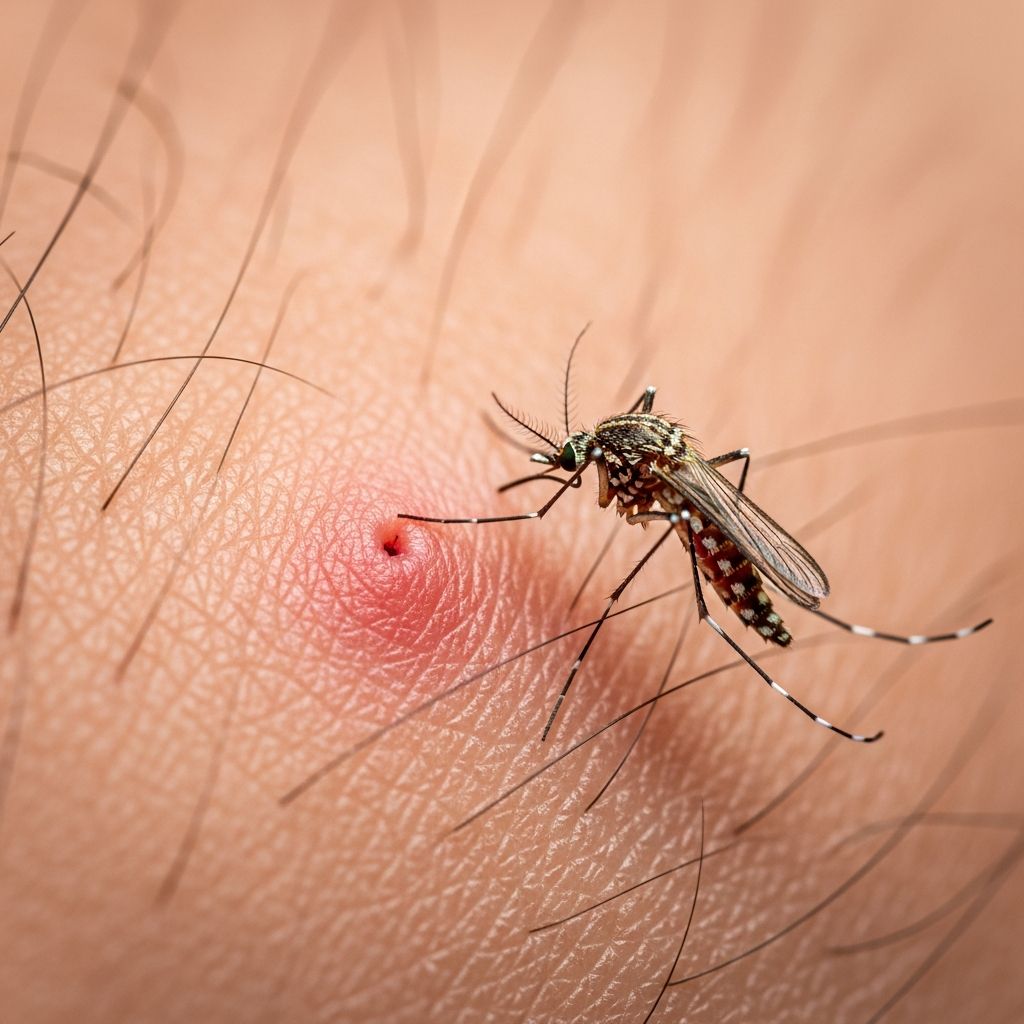
Authoritative facts about the skin from DermNet New Zealand. Insect bites and stings are common dermatological concerns, often presenting with characteristic patterns that aid in diagnosis. This gallery showcases a variety of reactions from
bed bug bites
,wasp stings
,flea bites
, and more, helping clinicians and individuals identify these afflictions based on visual cues.Reactions
Insect bites typically manifest as intensely itchy papules, often with a central punctum indicating the site of penetration. Reactions vary from mild erythema and swelling to severe bullous or urticarial responses, influenced by the arthropod species, venom toxicity, and host immunity. Non-venomous bites cause pruritic papules, while venomous stings like those from bees or wasps produce immediate pain, redness, and swelling. Sensitization can lead to exaggerated responses over time.
Skin biopsy, if needed, reveals eosinophilic spongiosis, a wedge-shaped dermal infiltrate, and central punctum, distinguishing insect bites from other dermatoses. Papular urticaria, common in children, features clusters of urticated papules from mosquitoes, fleas, or bed bugs, with lines of bites and potential bullae in sensitized individuals.
Insect Bite
A classic
insect bite
appears as a red, itchy papule or wheal, sometimes excoriated from scratching. Multiple bites often align in linear or clustered patterns, reflecting the insect’s feeding behavior.
A Bullous Insect Bite Reaction
**Bullous reactions** occur in severe cases, forming tense blisters atop erythematous bases. These are more common in tourists exposed to novel insects or in atopic individuals, preventable with prompt antihistamine and topical corticosteroid use.

Ant Bites
**Ant bites** from species like fire ants cause immediate pain, pustules, and wheals, often in clusters. Harvester ants inject venom leading to tender, itchy pustules.

Insect, Mite, and Worm Bite Images
This expanded gallery includes
mite
andworm
infestations mimicking insect bites. Cutaneous larva migrans from hookworm larvae presents serpiginous tracks, while scabies shows burrows and nodules[10].Bed Bug Bite on the Calf
**Bed bug bites** (Cimex lectularius) appear as 3-5 pruritic papules in lines or clusters, often with a central punctum. Common on exposed skin during sleep, they resemble hives or eczema.


Wasp Sting Reaction
**Wasp stings** cause localized pain, swelling, and urticaria. Persistent reactions (>6 weeks) may show vasculitis with purpura. Remove stinger promptly to halt venom release.
Related Stories





Flea Bites
**Flea bites** cluster around ankles and waist, intensely pruritic with central punctum. Often linear (“breakfast, lunch, dinner” pattern).

Cutaneous Larva Migrans
Day 2 image shows advancing serpiginous erythematous track from animal hookworm larvae penetrating skin.

Localised Urticarial Reaction to Ants
Widespread wheals from ant exposure, resolving with antihistamines.

Excoriations
Secondary bacterial infection from scratching bites leads to crusted erosions.

Head Lice Eggs
Nits firmly attached to hair shafts, mimicking dandruff but diagnostic of pediculosis.

Hand Irritation from Contact with Caterpillars
Contact dermatitis from urticating hairs, causing vesicles and irritation.

Longstanding Scabies
**Scabies** features burrows, papules, and nodules; intense nocturnal itch from Sarcoptes scabiei mites. Burrows appear as linear gray-white tracks[10].

Multiple Wasp Stings
Diffuse swelling and erythema from envenomation.

Sea Bather’s Eruption
From jellyfish larvae trapped under swimsuits, presenting as pruritic papules.

White Tail Spider
Australian spider bite with necrosis risk; initial red mark progressing to ulcer.


Louse
Adult head or body louse visible on skin.

Bamboo Caterpillars Rash
Gardener’s exposure causing linear urticaria.

Bee Venom Reaction
Local swelling or anaphylaxis risk; scrape stinger out.

Symptoms and Treatment
Most bites resolve in days with cool compresses, antihistamines, and topical steroids. Seek care for systemic symptoms, necrosis, or infection.
| Insect | Key Features | Treatment |
|---|---|---|
| Mosquito | Puffy wheal, itchy | Antihistamine cream |
| Bed Bug | Linear papules, punctum | Infestation control, steroids |
| Wasp | Painful swelling, purpura possible | Remove stinger, ice |
| Flea | Ankle clusters | Insecticide, oral antihistamine |
| Scabies | Burrows, nocturnal itch | Permethrin topical |
Frequently Asked Questions (FAQs)
Q: How do I identify a bed bug bite?
A: Look for red, itchy papules in lines on exposed skin, often with central punctum. Check bedding for bugs or stains.
Q: When should I see a doctor for an insect bite?
A: If swelling >10cm, pus, fever, or symptoms worsen after days.
Q: Can insect bites cause bullae?
A: Yes, in papular urticaria or severe reactions, especially in children.
Q: How to treat wasp stings?
A: Remove stinger, apply ice, antihistamines; watch for anaphylaxis.
Q: What is cutaneous larva migrans?
A: Migrating skin track from hookworm larvae, treated with ivermectin.
References
- Insect, mite and worm bite images — DermNet NZ. 2023. https://dermnetnz.org/image-catalogue/insect-mite-and-worm-bite-images
- Arthropod bites and stings — DermNet NZ. 2024-01-15. https://dermnetnz.org/topics/arthropod-bites-and-stings
- Bug Bite Pictures: Symptoms, Identification, Treatment — Healthgrades. 2024. https://resources.healthgrades.com/right-care/skin-hair-and-nails/bug-bite-pictures
- Spider bites — DermNet NZ. 2023. https://dermnetnz.org/topics/spider-bite
- Insect bite images — DermNet NZ. 2007 (updated 2023). https://dermnetnz.org/topics/insect-bite-images
- Insect Bites — StatPearls, NCBI Bookshelf. 2023-08-08. https://www.ncbi.nlm.nih.gov/books/NBK537235/
Similar Articles








Read full bio of Sneha Tete